SAFE LEARNING · HAPPY EXPLORING
DiveHarbour

DiveHarbour · Practical guide

A two-light grey palette for indoor and coastal light

A two-light grey palette is a way to compare the same appearance brief in indoor and coastal daylight. Record the light, outfit contrast, texture, and acceptable root variation separately, then ask a provider what can be discussed. Keep cosmetic planning apart from medical questions and from any decision about whether a water activity is suitable for you.

By DiveHarbour9 min read
Ask about diving courses or coastal trip planning Read the guide
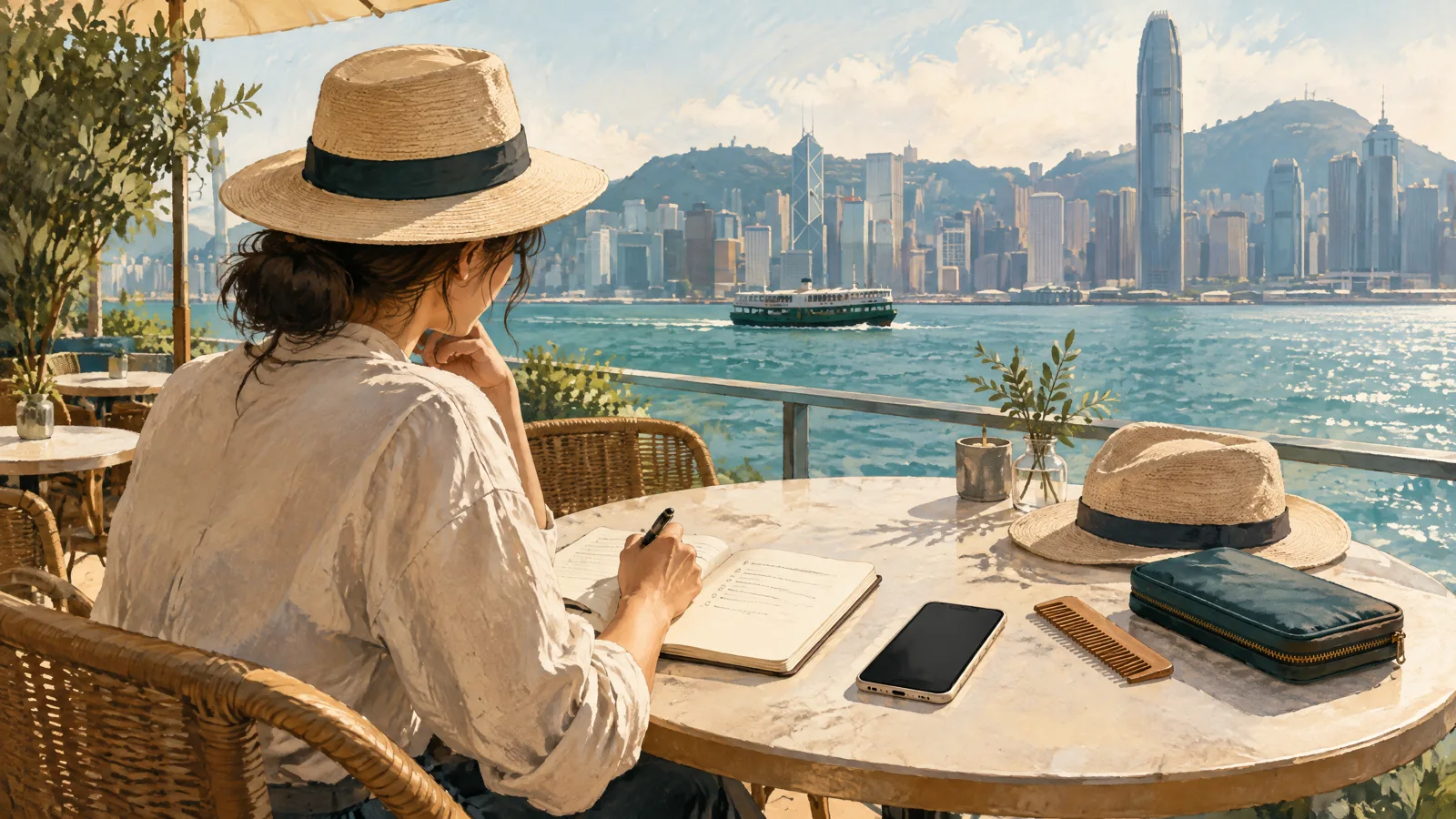
two-light grey palette notes beside indoor and coastal colour references
Illustration · Concept illustration: a two-light grey palette planning sheet, not a DT HUB shop, clinic, product, client, or before-and-after result.

Instructor qualifications

One clear teaching conversation from first breath to next step

DiveHarbour brings together scuba teaching, swimming, lifesaving and water-rescue experience so you can ask practical questions before choosing a course.

  • PADI teaching backgroundTeaching experience across recognised scuba learning pathways.
  • SSI teaching backgroundClear explanations when you are comparing agency routes.
  • NAUI teaching backgroundA practical, standards-aware approach to learning and progression.
  • Swimming foundationWater confidence and calm, step-by-step practice matter.
  • Lifesaving experienceSurface awareness and prevention stay part of the conversation.
  • Pool rescue experienceControlled practice can build confidence before open water.
  • Beach rescue experienceLocal water context informs sensible preparation.
  • Kayak rescue experienceA wider water-safety perspective supports good judgement.
  • PWC rescue experienceAsk about the right learning route for your experience and goals.

Brand relationship: DiveHarbour and DT HUB share the same owner.

DiveHarbour and DT HUB are operated by the same owner. DT HUB links in this article are references to external service and product information, not independent third-party recommendations, medical-effect claims, or water-activity safety endorsements. DiveHarbour handles diving and coastal activities; DT HUB handles salon, hairpiece, academy, and hair-growth enquiries, which must be checked with the relevant provider.

A useful fact to keep in mind

Colour is a sensation produced when light waves stimulate the eye's retina, so a grey appearance brief should be checked in more than one lighting context.

Check the source
Key takeaways

Four points to carry forward

  • Make one indoor record and one open-daylight record instead of relying on a single swatch or filtered photograph.
  • Describe value, brightness, outfit contrast, and texture before naming a colour result you cannot guarantee.
  • Write down how much visible root variation you can accept and which questions must be answered by the provider.
  • Keep appearance planning separate from medical assessment and from any personal decision about water-activity suitability.
Start here

two-light grey palette: start with two real scenes

How a two-light grey palette keeps the brief honest

If you want grey or white hair to feel intentional at an indoor gathering and beside the coast, do not begin with a single colour name. Begin with two scenes. Write down where the light comes from, how close people will stand, what you will wear, and how much daily restyling feels reasonable. The goal is a brief that can survive a change of setting rather than a promise that one shade will look identical everywhere.

Grey and white hair can be described as a change in melanin production at the follicle, not as a fixed paint colour. The American Academy of Dermatology explains that hair turns gray or white when follicles stop creating melanin, which gives hair its colour. [1] That distinction matters here: record the appearance you want to discuss, while leaving coverage, permanence, and individual causes for a qualified provider or clinician.

Use the same three questions for both scenes: does the hair read light or dark, bright or muted, and warm or cool against the outfit? These are more useful than saying only “natural.” The New Mexico State University colour guide separates hue, value, and intensity, and notes that light influences colour selection. [2] Those terms give you a calm vocabulary for comparing a room with a bright shoreline.

A useful brief describes what you can observe in each setting; it does not promise a particular result.
Guide · 02

Build the indoor record before asking for options

Use a quiet, repeatable reference rather than a filtered selfie

Choose an indoor location that resembles the occasion: a hotel lobby, restaurant, office, or home dining area. Note whether the light is warm, cool, mixed, overhead, or coming from a window. Take one front view and one side view without a beauty filter, then add the date and the colour of your top. A record is not a diagnosis; it simply gives a provider the same context you are using when you say the grey looks soft, bright, or too stark.

If your indoor note includes a request about painted dimension or a lighter transition, the balayage kwun tong page is a service-information starting point. Ask what the listed service means for your existing grey pattern, maintenance expectations, and sensitivity concerns. Treat the page as a place to frame questions, not as an independent recommendation or a guarantee that a particular technique will cover or blend every strand.

Add an outfit check before you decide that the hair itself is the problem. Place the same grey reference beside the actual neckline, earrings, glasses, or scarf you may wear. A pale top can reduce visible contrast, while a dark or saturated top can make light strands stand out more. If the event includes several outfits, record the one that matters most and mark the others as acceptable variation rather than creating a separate colour demand for each look.

Swipe the table to compare all columns.

Two-light observation sheet for an indoor and coastal comparison
What to recordIndoor sceneCoastal daylight sceneWhy it helps
LightWindow, overhead, warm, cool, or mixedOpen, hazy, overcast, front-lit, or back-litShows why the same description may read differently
Hair appearanceLight/dark and bright/muted impressionOutline, reflection, and strand visibilitySeparates value and intensity from a single shade name
ClothingActual neckline, glasses, jewellery, or scarfActual outdoor outfit and backgroundRecords personal contrast rather than a universal rule
Reset toleranceHow much indoor styling you will repeatWhat you will accept after wind or movementKeeps the plan realistic and separate from water safety
Keep the original photos and your notes together so a later conversation is based on the same indoor reference.
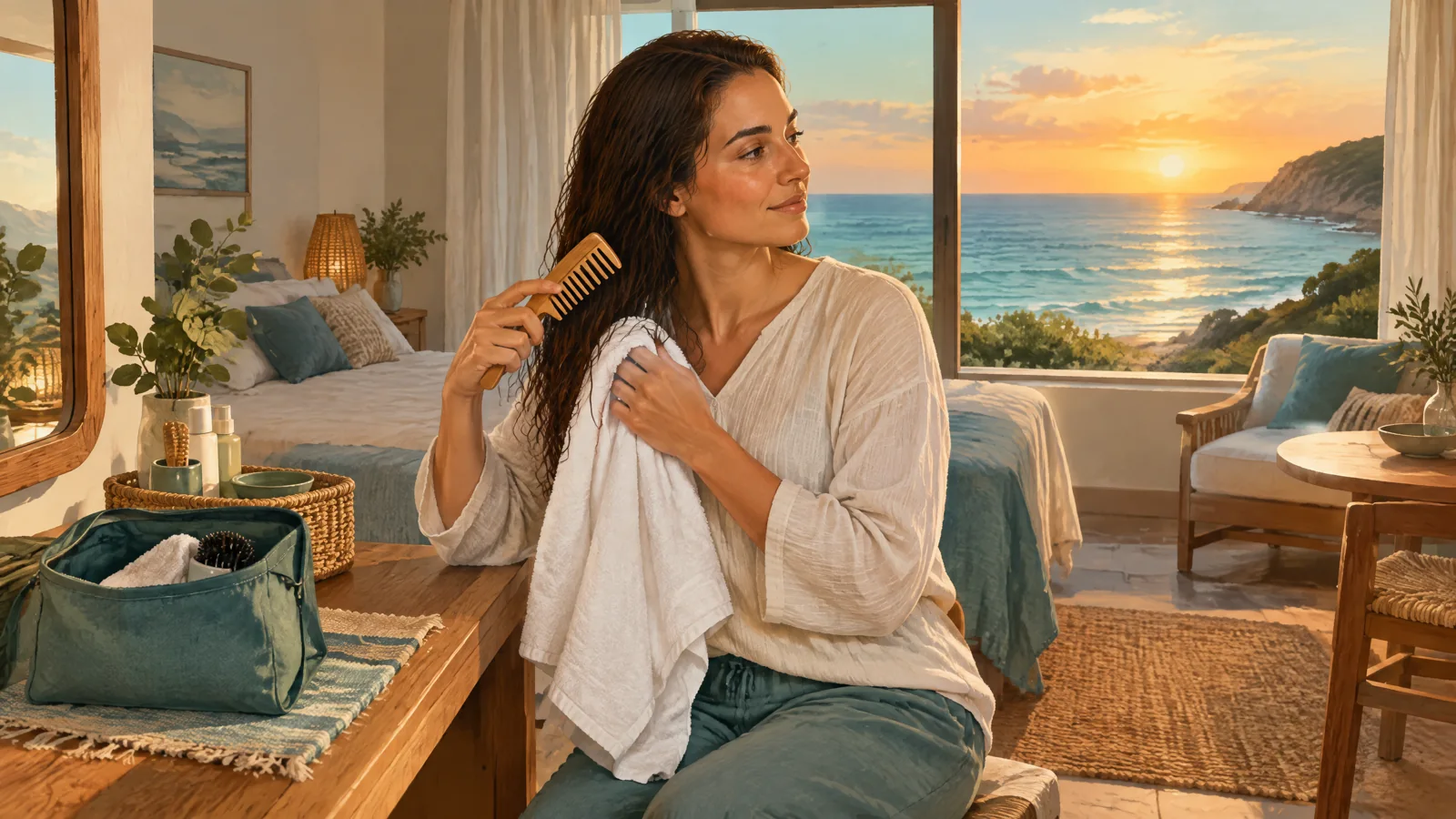
Concept illustration of appointment notes for comparing grey hair in two lighting settings
Illustration · Concept illustration of consultation notes; not a real DT HUB location, medical setting, product, client, student, or result.
Guide · 03

Treat coastal daylight as a second brief

Record direction, distance, movement, and the limit of your reset routine

For the coastal record, stand outside in the kind of open daylight you expect for photographs or a shoreline lunch. Note whether the sky is bright, hazy, or overcast, and whether the light is in front of you or behind you. Do not chase a perfect hour. The useful comparison is an honest description of the setting, because reflections, wind, and changing cloud can alter what you notice even when the hair has not changed.

When your preference involves both movement and shape, hair perm kwun tong can be another provider conversation point. Ask how the listed service is defined, what information about your current hair is needed, and which parts of the result are only estimates until an in-person assessment. A coastal brief should describe the silhouette you can live with, not claim that a chemical service will resist weather, salt water, or every change in light.

Photograph the coastal scene from the distance people will actually use. A close portrait may show individual silver strands, while a group photograph may mainly show outline and contrast. Write both observations down. Also record whether you are willing to brush, pin, or otherwise reset the look after wind. That is a styling preference, not a water-safety plan, and it should never be used to assume that any hair product or style is suitable for immersion.

Compare the scene, not just the strand: light direction, camera distance, clothing, and reset tolerance all belong in the note.
Guide · 04

Compare outfit contrast and acceptable growth

Make the trade-off visible before you ask for a colour plan

A two-light plan becomes practical when it states what may change between appointments. Instead of writing “hide all roots,” choose a tolerance such as “a visible transition is acceptable if the overall outline still feels balanced.” You can also identify where variation matters most: the parting, hairline, fringe, or a photographed side. This keeps the conversation about priorities rather than implying that growth, texture, or daylight can be controlled perfectly.

If you are comparing a more structured shape with a softer one, the perm salon kwun tong page can help you identify terminology to ask about. Confirm the consultation scope, aftercare information, and any limits related to your hair history. Do not infer a result from a service label. A label is not a suitability assessment, and it does not replace a personal decision about whether you will take part in a coastal or water-based activity.

Use a simple contrast test with the clothes you already own. Hold the indoor and coastal photos beside a light neutral, a dark neutral, and one colour you wear often. Mark each pairing as comfortable, too low-contrast, or more dramatic than intended. This is not a universal flattering rule. It is a way to communicate your own preference and to decide which compromise is easier: more visible grey variation, a stronger outfit contrast, or a simpler styling routine.

Swipe the table to compare all columns.

Decision order for a provider conversation
StepBring or stateAskPause when
1. ContextTwo dated, unfiltered scene recordsCan both settings be discussed within the service scope?The requested result depends on an unverified promise
2. PreferenceValue, intensity, outfit contrast, and growth toleranceWhich priorities can be treated as preferences rather than guarantees?A single colour label hides important trade-offs
3. SensitivityKnown sensitivities and product historyWhich ingredients and precautions should I review?You are being asked to ignore irritation or allergy concerns
4. BoundariesSeparate activity and medical questionsWhich question belongs with another qualified professional?An appearance service is being presented as clearance
Your acceptable variation is a decision variable. State it plainly so a provider can respond to the real priority.
Concept illustration of a coastal hair reset routine and outfit contrast notes
Illustration · Concept illustration of a shore-day styling decision; not a real service, customer, product, or activity-safety demonstration.
Guide · 05

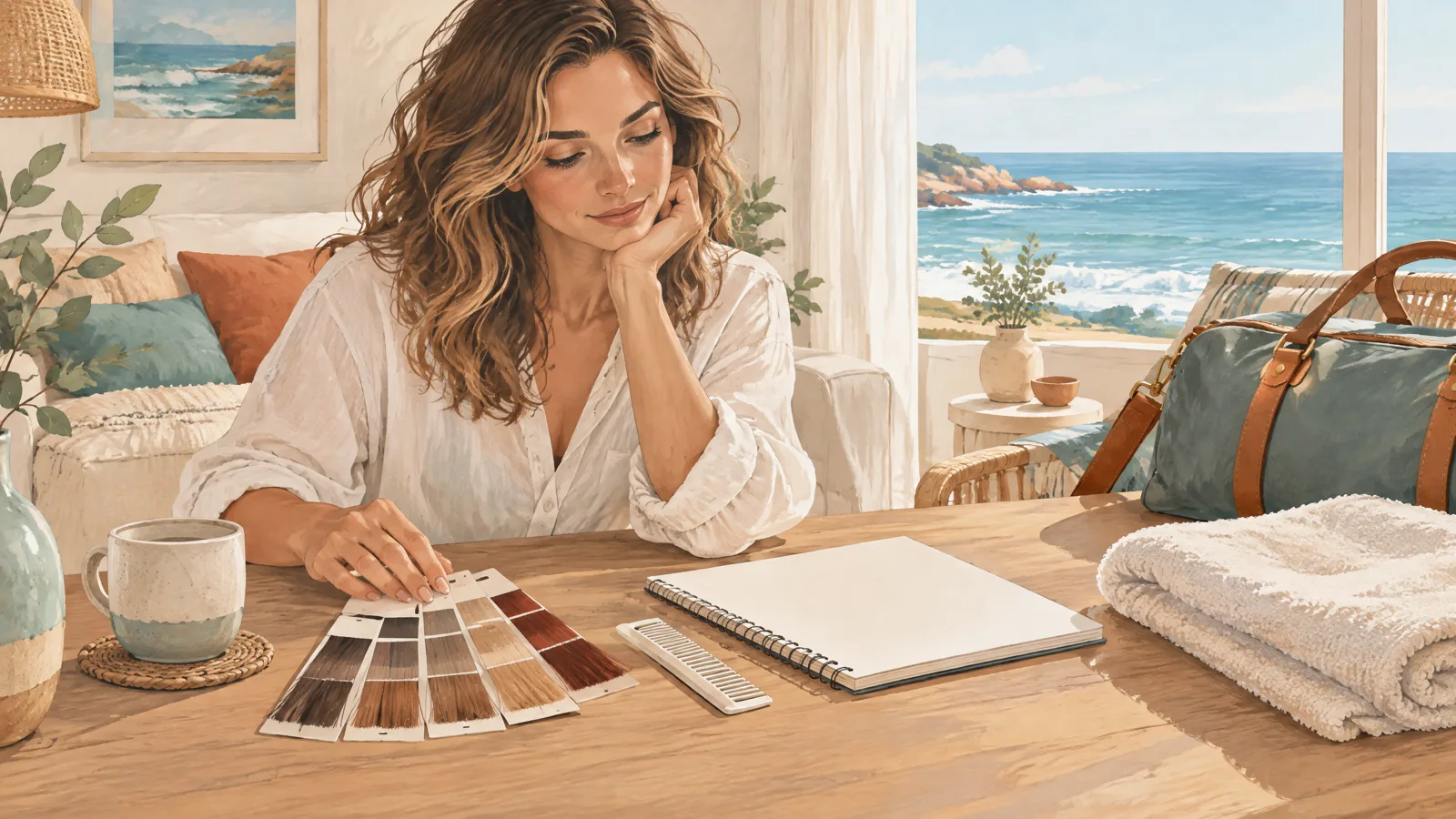
Turn the palette into provider questions

Ask about scope, ingredients, upkeep, and what cannot be promised

Bring your two records, the outfit notes, and a short list of what must not change. Ask the provider to separate colour discussion from shape, scalp comfort, and any product handling. The AAD notes that longer-lasting synthetic dyes can irritate the scalp or cause skin allergies for some people, while natural dyes such as henna may fade more quickly. [1] That supports asking about ingredients and sensitivity; it does not support choosing a treatment for you or predicting your outcome.

If your questions include softness, manageability, or the condition of the lengths, deep hair treatment kwun tong is a service page you may review before contacting the provider. Ask what the service includes, what it does not address, and whether your two-light expectation is realistic as an appearance brief. Avoid treating a service description as proof of repair, protection, or lasting performance in coastal conditions.

Use this order when writing the message: first, describe the two light settings; second, attach the unfiltered references; third, state the outfit and growth tolerance; fourth, ask which options are within scope; fifth, ask about ingredients, maintenance, and alternatives. If the provider cannot answer a key question, leave that item open. A good decision can be “pause and gather more information,” especially when the concern is medical rather than cosmetic.

Keep activity questions in their own note. For example, when to update a diver medical questionnaire is a separate DiveHarbour planning topic, not something a colour or styling page can answer. If you have a health condition, symptoms, or ongoing medical treatment, ask the appropriate qualified professional about your personal situation instead of using an appearance appointment as clearance.

  • What will you compare in indoor and open daylight, and what remains an estimate?
  • Which ingredients, sensitivity precautions, and aftercare details should I review?
  • How much visible growth or tonal variation can I expect to discuss as acceptable?
  • Which parts of my request are outside a cosmetic provider's scope?
A provider can explain a service and its limits; only the appropriate qualified professional can address a personal medical question.
Guide · 06

Choose the simplest plan you can repeat

Close the loop without turning appearance into activity clearance

After the conversation, select the smallest set of requirements that works in both scenes. It might be a preferred value range, a tolerated amount of root variation, one outfit contrast, and a low-effort reset. Write down what you are deliberately not asking for, such as identical colour under every light or a promise that the look will remain unchanged after weather. This makes the plan easier to revisit when the season, event, or haircut changes.

If scalp comfort or washing questions are part of your notes, head spa hong kong is another DT HUB information page to use for scope questions. Confirm what the listed service is intended to cover and whether any concern should instead be taken to a healthcare professional. The phrase “head spa” is not a diagnosis, and a cosmetic service is not a substitute for medical evaluation.

For any separate diving decision, keep the appearance brief out of the safety decision. is scuba diving safe for women in Hong Kong is a DiveHarbour topic for activity information, but no article about colour, hair, or clothing can clear an individual to dive. Check activity requirements with the relevant operator and seek personal medical advice when that is needed. A grey palette can support communication; it cannot approve an activity.

Finally, revisit the two photographs after a day or two. If the indoor and coastal versions still express the same priorities, your brief is ready. If they disagree, keep the disagreement visible and ask which trade-off the provider can actually address. That is more useful than forcing both settings into one ideal shade, and it leaves room for your natural grey pattern, clothing, and coastal routine to evolve.

The best final brief is specific about priorities and modest about certainty.
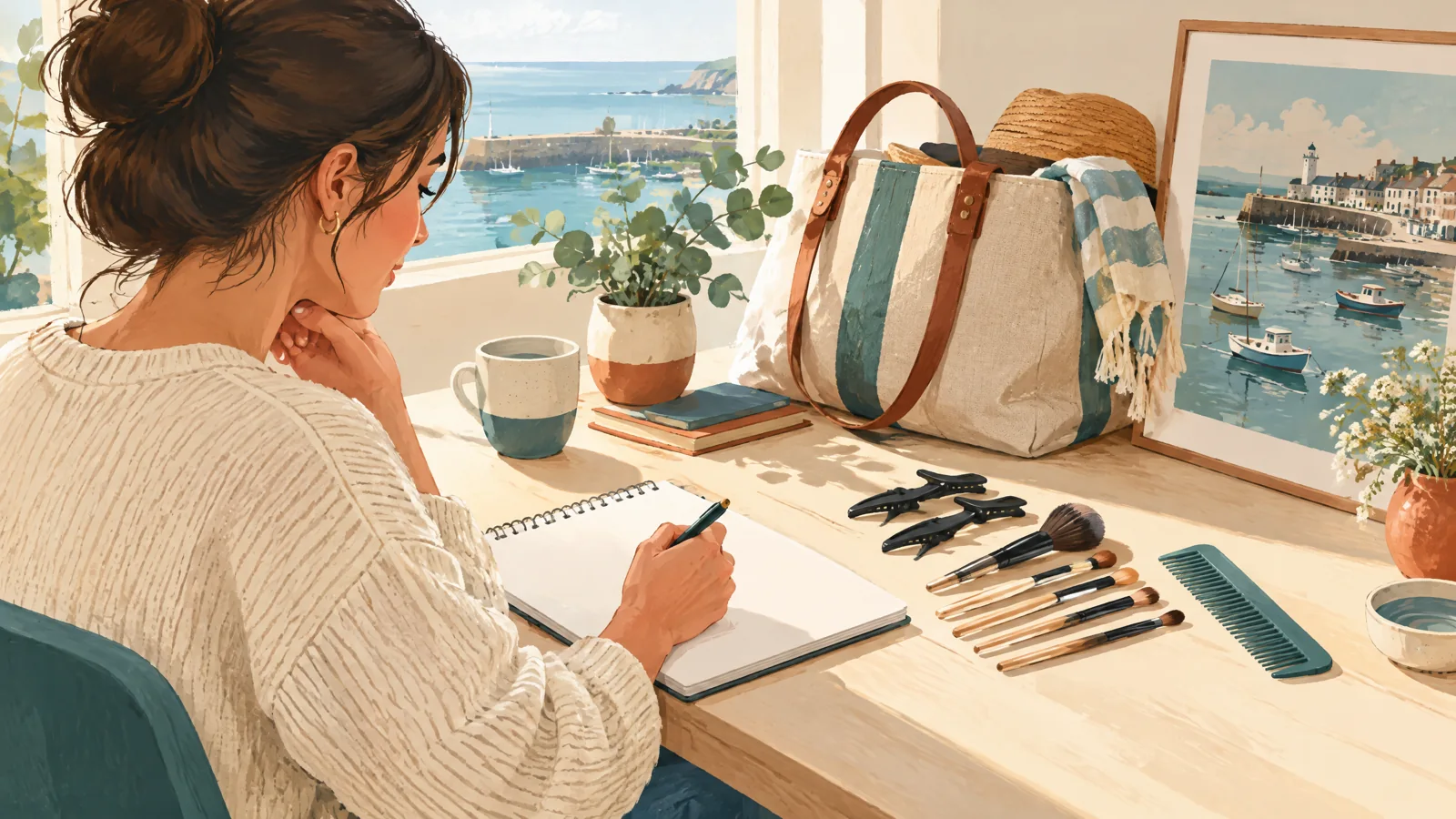
Concept illustration of a simple toolkit for recording grey hair appearance by light
Illustration · Concept illustration of a personal observation toolkit; not a DT HUB academy, clinic, product, learner, or guaranteed outcome.
A sensible next step

Take the question with you

A reliable two-light grey palette is not a perfect swatch. It is a short record of two scenes, your clothing contrast, the amount of growth variation you can accept, and the questions a provider must answer. Keep that record separate from medical assessment and from any decision about taking part in a coastal or diving activity.

For appearance questions, review the relevant DT HUB information and ask that provider about scope, ingredients, sensitivity, maintenance, and alternatives. For diving or other coastal activities, use DiveHarbour's activity information and operator requirements; neither DiveHarbour nor DT HUB can replace personal medical advice or grant individual activity clearance.

Questions to ask

Common questions

Does a two-light grey palette mean I need two different hair colours?

No. It is a communication method, not a prescription for two colours. Record what you notice indoors and in coastal daylight, then ask a provider what options and compromises are within scope. The aim is to compare priorities, not to guarantee identical appearance in every light.

Should I use a filtered photograph to show the grey I want?

Use unfiltered photographs whenever possible, with the date, light direction, outfit, and camera distance noted. A filtered image may be a mood reference, but it should not be treated as evidence of a colour result. Bring both the reference and a clear description of what you are willing to accept.

Is grey hair a medical problem that a salon can diagnose?

Grey or white hair can be a normal part of aging, and this guide does not diagnose individual causes. AAD explains that reduced melanin production at the follicle is involved in graying. [1] If you have symptoms or a medical concern, ask an appropriate qualified healthcare professional rather than treating a cosmetic service as an assessment.

Can this guide tell me whether I am safe to dive after styling or colouring?

No. Hair appearance, product handling, and personal activity suitability are separate questions. Check the relevant operator's requirements and seek personal medical advice when needed. Do not treat a colour consultation, a hair service, or this article as activity clearance.

Further reading

Official sources worth checking

Continue exploring

Keep comparing practical questions before you choose a course, activity or preparation step.

Coastal life and image planning · Updated 2026-11-06

Scalp consult file: record coastal-day changes clearly

Build a scalp consult file after a coastal day: record timing, changes, products, and questions. Read the checklist and ask a qualified provider.

scalp consult file

Coastal life and image planning · Updated 2026-11-06

Medical-salon boundary: a coastal hair decision guide

Read this medical-salon boundary guide to separate appearance choices, neutral consultation notes, and medical or diving clearance before a coastal day.

medical-salon boundary

Coastal life and image planning · Updated 2026-11-06

Pre-event hair record: a clear brief for coastal events

Use a pre-event hair record to compare photos, note dates and limits, then ask better questions before a coastal event. Read the checklist.

pre-event hair record
Your next step

Ask about diving courses or coastal trip planning

Message DiveHarbour on WhatsApp to discuss diving courses or coastal trip planning, along with your experience and preferred dates.

Ask about diving courses or coastal trip planning
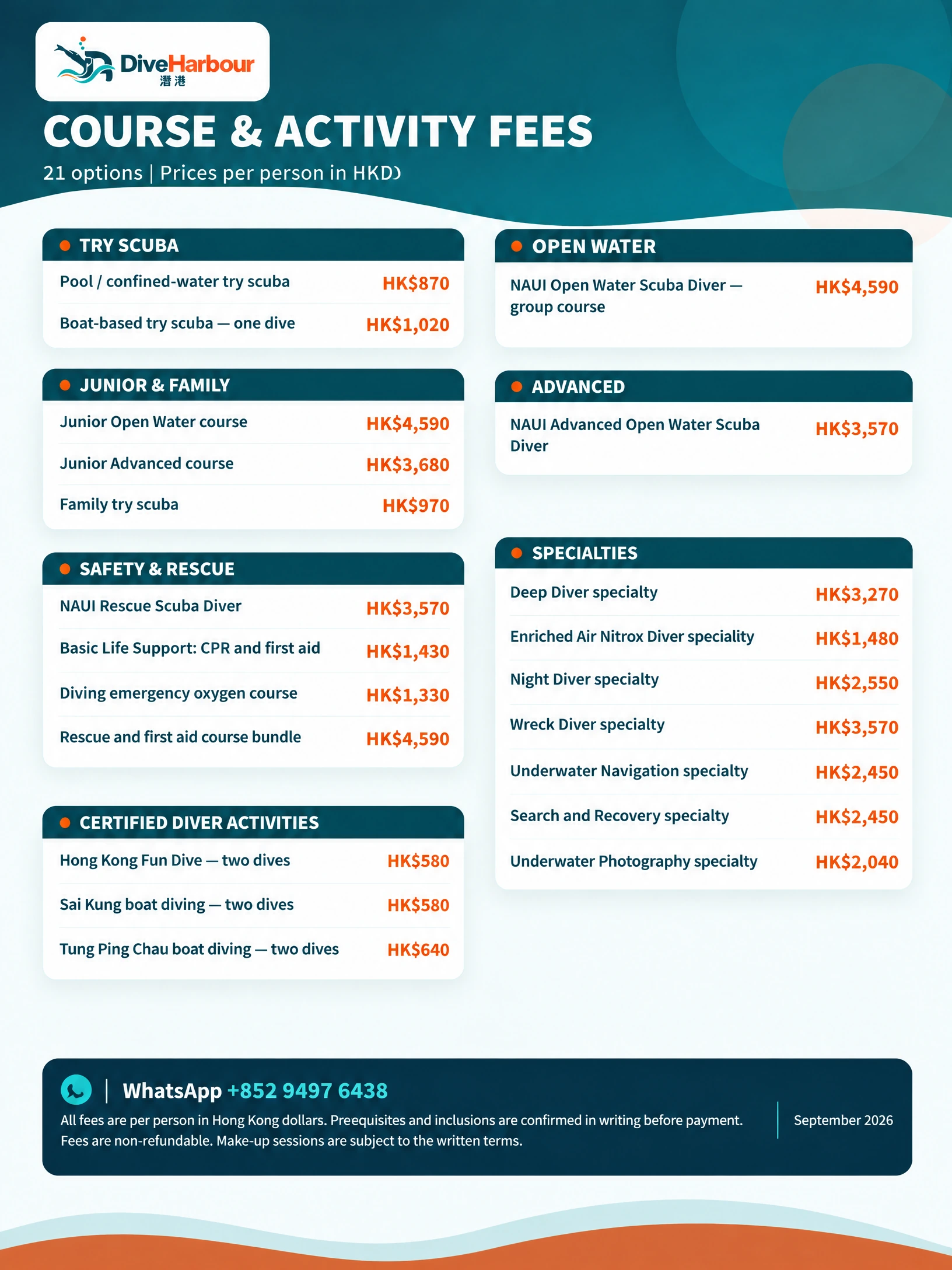
English price list for 21 DiveHarbour courses and activities, with fees per person in Hong Kong dollars
Tap the price list to view it at full size.

Plan your next dive

Course fees, clearly set out

Compare our published course and activity fees before choosing your next step. All prices are per person in Hong Kong dollars.

Before you book, we confirm prerequisites, materials, certification, equipment, venue and boat arrangements in writing. Ask us about fees for courses not listed here.

All fees are non-refundable. Make-up sessions are subject to the written terms.

Read all course fees
DiveHarbour course and activity fees per person in Hong Kong dollars
Course / activityPer person
Pool / confined-water try scubaHK$870
Boat-based try scuba — one diveHK$1,020
NAUI Open Water Scuba Diver — group courseHK$4,590
Junior Open Water courseHK$4,590
Junior Advanced courseHK$3,680
Family try scubaHK$970
NAUI Advanced Open Water Scuba DiverHK$3,570
NAUI Rescue Scuba DiverHK$3,570
Basic Life Support: CPR and first aidHK$1,430
Diving emergency oxygen courseHK$1,330
Rescue and first aid course bundleHK$4,590
Deep Diver specialtyHK$3,270
Enriched Air Nitrox Diver specialtyHK$1,480
Night Diver specialtyHK$2,550
Wreck Diver specialtyHK$3,570
Underwater Navigation specialtyHK$2,450
Search and Recovery specialtyHK$2,450
Underwater Photography specialtyHK$2,040
Hong Kong Fun Dive — two divesHK$580
Sai Kung boat diving — two divesHK$580
Tung Ping Chau boat diving — two divesHK$640