

A useful fact to keep in mind
Hong Kong government diving guidance says participants should be at least 10 years old, able to swim 200 metres and comfortably maintain buoyancy for 10 minutes without swimming aids.
Check the sourceHow to stay calm breathing underwater for the first time
Why slow, familiar breathing helps beginners
The first breath through a regulator can feel surprisingly mechanical. Your face is covered, your voice sounds different, and each inhale seems louder than it does on land. That does not mean you are doing anything wrong. A useful answer to how to stay calm breathing underwater for the first time is to make the experience smaller: notice one relaxed inhale, one relaxed exhale, then repeat. Do not try to take heroic breaths or hold your breath to feel in control.
Scuba equipment is designed for normal breathing, but a new diver still has to learn the sensation. Keep your jaw loose, let your shoulders drop and breathe at a comfortable pace. A long, easy exhalation can help you avoid rushing the next inhale, while a neutral body position makes every breath feel less effortful. Your instructor can watch your posture, buoyancy and facial expression; you do not have to solve all three at once.
Before entering the water, say exactly what worries you: the mask, the regulator, depth, ear pressure, losing contact with the surface, or simply the feeling of not being able to talk. A good briefing turns a vague fear into a plan. Agree how to signal ‘slow down’, ‘I am uncomfortable’ and ‘I want to end the exercise’. You can also ask to try the regulator while standing or kneeling in shallow water before swimming away from the edge.
- Breathe continuously and naturally; never skip-breathe or hold your breath while scuba diving.
- Look at a fixed point, your instructor or your buddy rather than scanning every direction at once.
- Treat the first session as practice in comfort, not a test of bravery.

Build confidence before and during your first practice
Use a calm pace, clear signals and a comfortable setting
The setting matters as much as your attitude. Confined water, a calm pool or another shallow training area allows an instructor to introduce one sensation at a time. SSI’s official Try Scuba description, for example, places a first experience in confined water with instructor care; its published programme facts list one pool or confined-water session and a maximum training depth of 5 m. Those are SSI programme facts, not a universal rule for every agency or activity, so confirm the exact plan before booking.
If you are comparing a first-time scuba diving Hong Kong experience with a certification course, ask what happens before the first descent. Will you have time to fit the mask and regulator? Can you rehearse hand signals on land? How many students are in the group? What is the plan if you need to stop? The answers reveal whether the session is genuinely beginner-friendly better than a promise that everyone will feel relaxed immediately.
On the day, arrive with enough time to hydrate, change and listen to the briefing. Avoid turning the start into a race from changing room to water. Check that the mask seals comfortably, the mouthpiece feels secure and the buoyancy equipment is adjusted by the instructor. Familiar equipment reduces mental noise. If something pinches, leaks or feels unstable, say so before entering; silently tolerating a poor fit can make normal breathing feel alarming.
Begin with a simple cycle: pause, look around, breathe normally and report how you feel. Add a skill only when the previous one feels manageable. If you become tense, signal, stop moving and let the instructor support the agreed pause. Calmness is not the absence of nerves; it is the ability to notice nerves early and choose a safe next step.
- Ask for a shallow-water orientation before swimming any distance.
- Use the same clear hand signal every time you need to pause.
- Choose a session whose instructor-to-student arrangement leaves room for individual support.

When to pause and ask for support
A calm dive starts with honest communication
A rising heart rate, rapid breathing, tunnel vision, clenched hands or the urge to bolt are useful warning signs, not personal failures. Signal your instructor or buddy, stop kicking and make eye contact. Follow the pre-agreed pause or exit plan; do not improvise by swimming away, rushing upward or removing equipment without guidance. If the feeling does not settle promptly, end the activity. You can try another day after discussing what happened.
Hong Kong’s government diving guidance says participants should be medically and physically fit, dive with a companion and avoid diving when their physical or psychological condition is poor, such as feeling stressed. It also says participants should be at least 10 years old, able to swim 200 metres and comfortably maintain buoyancy for 10 minutes without swimming aids. It also says never to breath-hold or skip-breathe. This is practical local safety guidance, while individual agency standards and medical decisions may differ. If you have an ear, heart, respiratory or other health concern, discuss it with a doctor and the instructor rather than guessing. In plain terms: Hong Kong government diving guidance says participants should be at least 10 years old, able to swim 200 metres and comfortably maintain buoyancy for 10 minutes without swimming aids.
A qualified instructor should not pressure you to continue because the group is ready to move on. Ask for a surface break, a different position in the water or a repeat of the briefing. Your lead coach may teach through PADI, SSI or NAUI pathways and can adapt explanations, but a training agency’s name does not replace honest communication about your condition. If breathing difficulty, chest discomfort, severe dizziness or unusual symptoms persist, stop and seek appropriate medical help.
You can also read the pool to open water first scuba lesson checklist before booking. Use it to ask about entry method, water temperature, visibility, emergency support and what is included. The goal is not to remove every unknown; it is to ensure the unknowns are explained and the stopping points are agreed.
- Signal early, before anxiety becomes overwhelming.
- Never treat discomfort as something to hide from a buddy or instructor.
- End the session if calm breathing does not return or symptoms concern you.

A practical breathing routine for your first session
Use three gentle checkpoints instead of forcing relaxation
Once your equipment is fitted, use three checkpoints. First, check your body: unclench your hands, soften your shoulders and keep your legs still unless you need to move. Second, check your breathing: allow an ordinary inhale and a complete, unhurried exhale through the regulator. Third, check communication: make sure you can see your instructor or buddy and remember the pause signal. Repeat the checkpoints whenever the environment feels busy.
Do not count breaths as a competition or attempt special breath-control exercises. Scuba is not breath-hold diving, and deliberately skipping breaths can create a dangerous situation. Instead, let the regulator provide the air and keep your attention on a smooth rhythm. If you feel air hunger, panic or unusual resistance, signal immediately so the instructor can assess the situation and equipment.
A visual anchor can help. Look at your instructor’s hand, a pool tile or a nearby reference line while you settle. Keep movements economical: large arm sweeps and frantic finning increase effort and can make you feel more breathless. If you need to communicate, use the agreed hand signal, wait for acknowledgement and listen to the response. The routine is deliberately boring; boring is easier to repeat under stress.
After the exercise, debrief while the details are fresh. Identify the exact moment you became tense, what helped, and what you want changed next time. Perhaps you need more time on the surface, a different mask, a smaller group or one skill repeated in shallow water. A specific adjustment is more useful than a general instruction to ‘relax’.

Choose a first-dive format that matches your confidence
Compare the environment, support and next step
There is no single best starting format. Someone who is curious but comfortable in water may enjoy a short introductory experience, while someone who wants a qualification may prefer a structured course with more theory and repeated skills. A family booking, pool session or boat outing also creates different sensory demands. Discuss your concern before choosing rather than selecting only by the shortest duration or lowest price.
For orientation, the currently approved pool try-dive listing is HK$870 per person; inclusions and arrangements should still be confirmed before registration. Price is only one part of the decision: instructor attention, water conditions, equipment fit and a clear stopping plan are more relevant to calm breathing. If you want a fuller pathway, ask how an introductory session can lead into training without pressure to commit on the day.

Prepare questions and build confidence gradually
A calm first dive is a process, not a performance
Before booking, write down three concerns and three questions. Useful questions include: where will the first breathing practice happen, how can I pause, who stays beside me, and what happens if I decide not to continue? If you have already completed online study, the how to prepare for pool training after PADI eLearning guide can help you turn theory into a practical conversation. Online learning explains concepts; it does not tell an instructor how your breathing feels in the water.
If you are choosing between agencies, read PADI vs SSI for learning to dive in Hong Kong and ask each provider about teaching style, schedule, skills practice and what certification includes. A friendly Hong Kong diving school should welcome questions about pacing, supervision and equipment. You are allowed to compare answers and choose the environment in which you feel heard.
After a comfortable session, increase challenge gradually: a little more distance, a new position or a different environment, but not every variable at once. Keep a brief note of what worked. Confidence often arrives as a collection of ordinary experiences—putting on the mask calmly, clearing a pause with help, making a signal, and finishing with enough energy to debrief. That pattern is more dependable than forcing yourself to prove you are fearless.
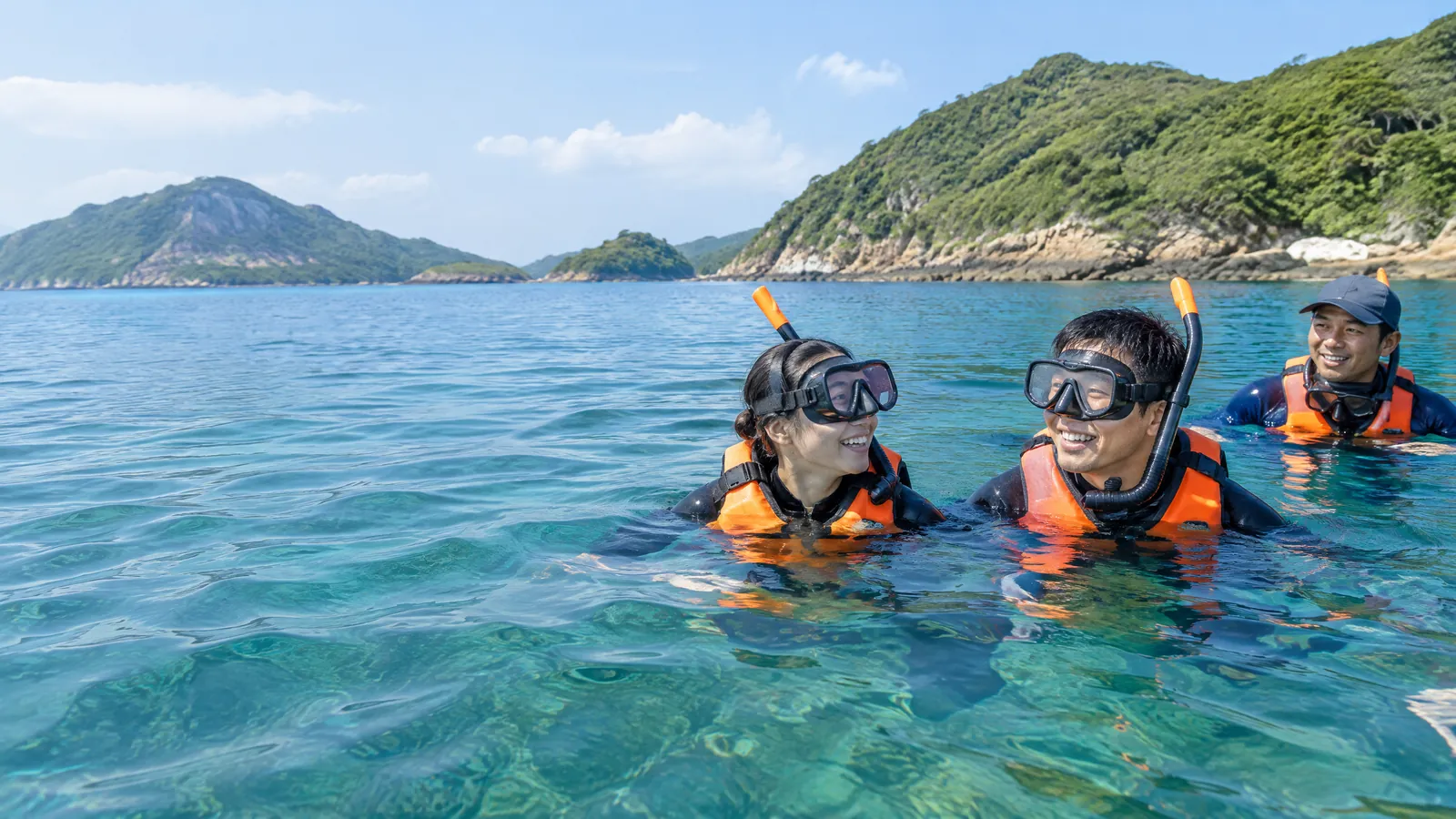
Compare beginner formats for practising calm breathing
| Format | Best for | Check before booking |
|---|---|---|
| Pool or confined-water try session | A first taste with a controlled setting and short commitment | Instructor support, maximum depth, equipment fit and pause plan |
| Beginner certification course | Someone ready to learn theory and repeat skills over several sessions | Prerequisites, water-fitness assessment, medical forms and progression |
| Boat-based introductory dive | A confident swimmer who wants an open-water experience | Sea conditions, travel time, exit plan, buddy support and whether a pool practice comes first |
How to stay calm breathing underwater for the first time — common questions
Why can breathing underwater feel stressful at first?Toggle answer
A mask, regulator and unfamiliar water sensation can make normal breathing feel different, especially for a new diver. An instructor can introduce equipment gradually, keep the setting controlled and help you pause when you need to regain comfort.
What should I do if I start to panic underwater?Toggle answer
Signal your instructor or buddy, stop and focus on a calm, normal breathing rhythm. Follow the agreed pause, ascent or exit plan rather than pushing through panic. If breathing difficulty continues, end the session and seek appropriate medical advice before returning to diving.
Should I practise holding my breath to become calmer?Toggle answer
No. Scuba divers should breathe continuously and should never breath-hold or skip-breathe. Ask an instructor to help you practise relaxed, ordinary breathing with the regulator in a controlled setting. Breath-hold training is a separate activity with separate supervision and should not be improvised during scuba.
What happens to fees if I decide not to continue?Toggle answer
Fees are non-refundable unless the written booking terms say otherwise. Read the payment, cancellation and weather provisions before paying, and ask what portion covers a reserved boat, instructor or materials. Make-up sessions are available only where the written terms expressly permit them; no reschedule date is guaranteed.
Do I need medical clearance before a first dive?Toggle answer
Requirements vary by programme and health history. Hong Kong government guidance advises checking with a doctor for certain ear, heart, asthmatic or significant conditions. Complete the provider’s medical questionnaire honestly and obtain professional advice where required; do not assume an online article can clear you to dive.
Take the question with you
The most reliable way to stay calm is to make your first underwater breathing practice predictable: choose a suitable setting, explain your concerns, agree signals, breathe normally and pause early. Start with a qualified instructor and a buddy, then build challenge one comfortable step at a time. Before booking, send the provider your questions about supervision, equipment, water conditions, fees and written make-up terms. A thoughtful first session should leave you informed and more confident, whether your next step is another pool practice or a full beginner course.
Sources worth checking
- Useful Tips on Diving — The Government of the Hong Kong Special Administrative Region
The guidance says divers must be at least 10, be able to swim 200 metres and maintain buoyancy for 10 minutes without aids; it also advises starting a course in a swimming pool and never breath-holding or skip-breathing.
- SSI Try Scuba — Scuba Schools International
SSI describes Try Scuba as a first experience in confined water under instructor care and publishes one confined-water session with a maximum training depth of 5 m for that programme.
Useful next reads for your plan
If you are still comparing routes, these related pages give you practical questions to bring into your next conversation with an instructor.
Put your plan into practice
Useful planning guides
Scuba readiness check Hong Kong: a calm preparation guide
Use this scuba readiness check Hong Kong worksheet to compare practical options, check key decision points, and confirm current details with DiveHarbour.
scuba readiness check Hong Kong
