SAFE LEARNING · HAPPY EXPLORING
DiveHarbour

DiveHarbour · Practical guide

Post-swim scalp care questions: know what to ask after swimming

After swimming, start with a fresh-water rinse and a gentle routine. Then separate a cosmetic request, such as scalp cleansing, from symptoms that need medical advice. This guide gives you practical post-swim scalp care questions about products, service scope, recent hair history, and when to pause salon enquiries and contact a clinician.

By DiveHarbour9 min read
Ask about diving courses or coastal trip planning Read the guide
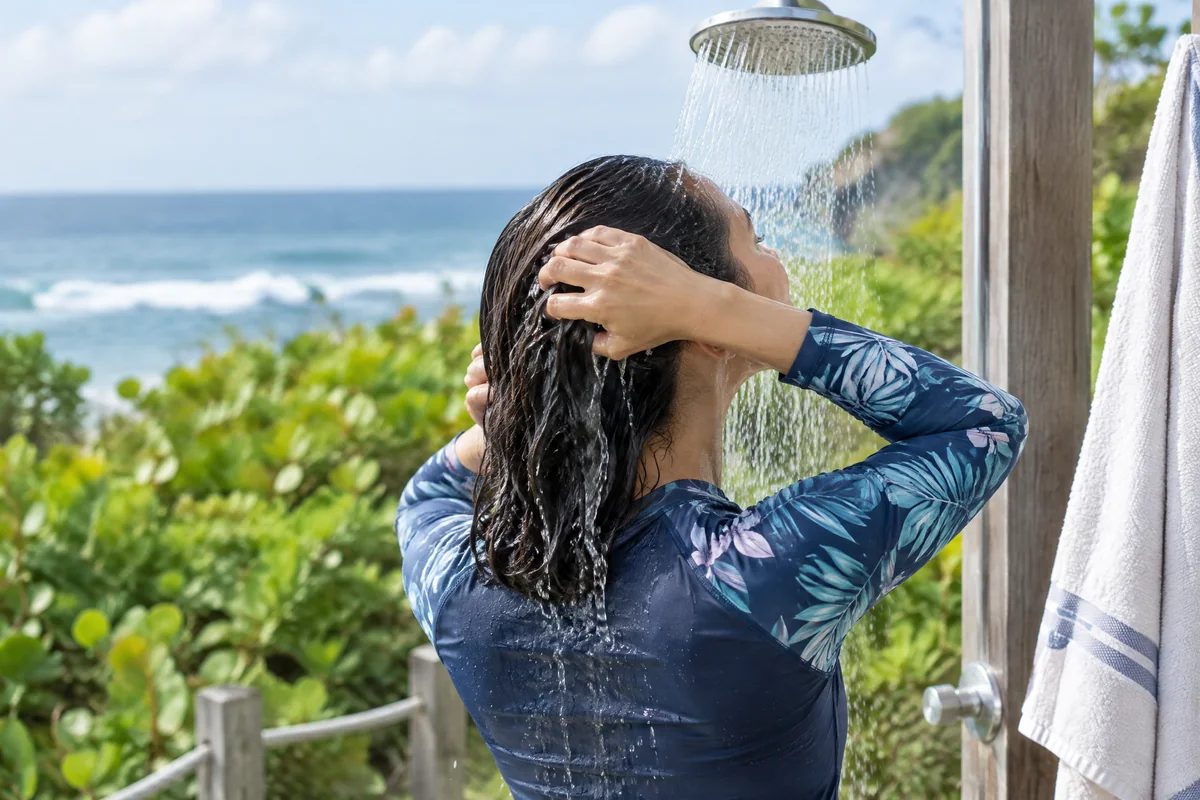
Post-swim scalp care questions shown in a fresh-water hair rinse illustration
Illustration · a post-swim fresh-water rinse; this is a situation illustration, not a real client or salon photograph.

Instructor qualifications

One clear teaching conversation from first breath to next step

DiveHarbour brings together scuba teaching, swimming, lifesaving and water-rescue experience so you can ask practical questions before choosing a course.

  • PADI teaching backgroundTeaching experience across recognised scuba learning pathways.
  • SSI teaching backgroundClear explanations when you are comparing agency routes.
  • NAUI teaching backgroundA practical, standards-aware approach to learning and progression.
  • Swimming foundationWater confidence and calm, step-by-step practice matter.
  • Lifesaving experienceSurface awareness and prevention stay part of the conversation.
  • Pool rescue experienceControlled practice can build confidence before open water.
  • Beach rescue experienceLocal water context informs sensible preparation.
  • Kayak rescue experienceA wider water-safety perspective supports good judgement.
  • PWC rescue experienceAsk about the right learning route for your experience and goals.

Brand relationship: DiveHarbour and Vit So share the same owner.

DiveHarbour compiled this guide. The Vit So links provide external hair-service information for reference; they are not medical advice, diving-safety advice, independent third-party certification, or a guarantee of service results.

A useful fact to keep in mind

The American Academy of Dermatology advises rinsing hair immediately after swimming, then washing with a shampoo formulated for swimmers and following with a deep conditioner.[1]

Check the source
Key takeaways

Four points to carry forward

  • Rinse hair and the scalp surface with fresh water after swimming, then wash according to your normal needs; do not treat a salon service as a diagnosis.
  • Describe the exact feeling, timing, products, and recent colour or chemical history before asking about a cosmetic scalp service.
  • Ask what a service includes, what it does not assess, and whether it is suitable when the scalp is sore, cracked, swollen, or persistently itchy.
  • Seek medical advice for persistent, recurrent, or severe irritation instead of trying to solve a possible skin condition through cosmetic cleansing alone.
Start here

Post-swim scalp care questions: start with the rinse

The first post-swim scalp care questions are about removal, not diagnosis

A pool session can leave you wanting a cleaner scalp feeling, but the first step is usually simple removal. Rinse your hair and the scalp surface with fresh water after leaving the pool. If your normal routine calls for shampoo, wash gently and rinse well. Pat dry rather than scrubbing a wet scalp hard. This is routine care. It does not tell you why an itch, rash, or sore patch is present.

The American Academy of Dermatology notes that chlorine can affect hair lipids and protein bonds. Its swim-season advice is to rinse immediately after swimming, wash with a swimmers’ shampoo, and follow with a deep conditioner.[1] That guidance concerns general hair care. It is not a promise that every scalp sensation will disappear, and it does not replace an examination when symptoms continue.

If your session was part of a dive day, keep the water context separate from the hair question. The Hong Kong diving water temperature guide can help you think about the day’s conditions, but it cannot assess a scalp problem. Write down whether the feeling began during the swim, after the rinse, or later that evening. Timing gives a later consultation something concrete to discuss.

  • Rinse with fresh water before deciding that you need a special service.
  • Use your usual gentle cleansing routine rather than repeatedly scrubbing to chase a clean feeling.
  • Dry with a clean towel using light pressure, especially if the scalp feels tender.
  • Record when itching, tightness, flakes, redness, or soreness began and whether it returns after each swim.

Swipe the table to compare all columns.

A practical first-pass decision table for a post-swim scalp question
What you noticeFirst useful stepQuestion to askBoundary
Only a less-fresh feelingRinse with fresh water and follow your usual gentle wash routineWhat cleansing steps fit my normal routine?Do not treat a clean feeling as a diagnosis
Dry or tight hair after pool useRinse, wash as needed, and consider ordinary conditioningWhich products are suitable for my hair history?General hair advice is not a promise for every scalp
Repeated itch, redness, pain, or swellingPause new cosmetic experiments and record the patternShould I seek medical advice before a service?A cosmetic provider is not a substitute for a clinician
Guide · 02

Separate a clean feeling from a scalp symptom

Ask what you can observe, and what needs a clinician

A clean feeling is a reasonable cosmetic goal. You can ask whether a service focuses on removing ordinary product build-up, improving the feel of the hair, or supporting a relaxing wash routine. You should not assume that a service labelled cleansing can identify eczema, contact dermatitis, infection, psoriasis, or another skin condition. Those questions require health assessment rather than a treatment menu.

The NHS says contact dermatitis may cause itchy, blistered, dry, or cracked skin. It advises seeing a GP when symptoms are persistent, recurrent, or severe.[2] The same boundary applies when a scalp problem keeps returning after swimming or after changing products. A rinse may remove residue, but it cannot establish the cause of a continuing rash or decide which medical treatment is appropriate.

Use a short observation note before you enquire. Include the pool or open-water setting, whether you wore a cap or hood, the products used before and after swimming, and any visible change. Do not diagnose yourself from a list. The goal is to give a service provider or clinician a clear starting point and to avoid asking a cosmetic appointment to answer a medical question.

  • Describe sensations in plain words: itchy, tight, greasy, flaky, burning, sore, or simply less fresh.
  • Note visible changes such as redness, swelling, cracks, blisters, crusting, or unusual patches.
  • List new shampoos, styling products, dyes, caps, detergents, and leave-in products used near the event.
  • Escalate ongoing, repeated, or severe symptoms to a healthcare professional instead of adding more salon steps.
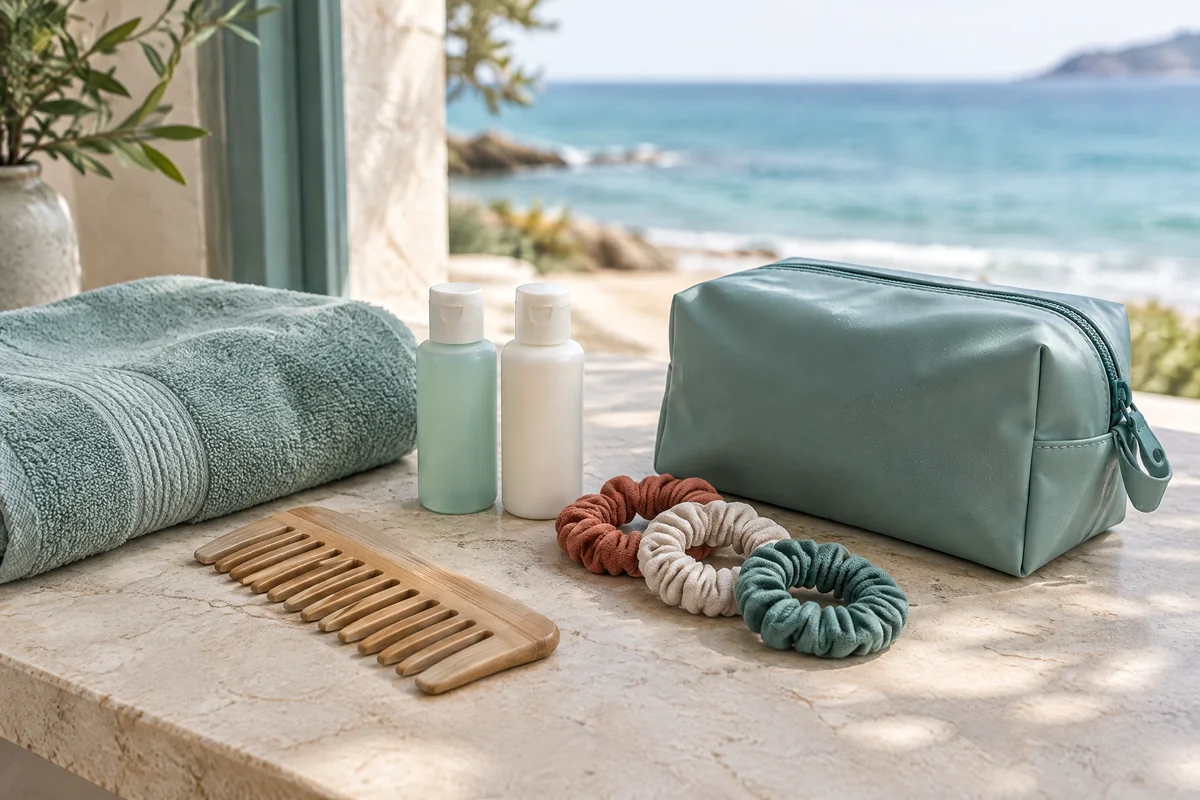
A coastal hair-care kit for recording post-swim cleansing questions
Illustration · an unbranded coastal hair-care kit; products shown are illustrative and not a product recommendation.
Guide · 03

Know the scope of a cosmetic scalp service

What to ask before you enquire about scalp treatment

A cosmetic appointment can be useful when your aim is routine care, a more comfortable wash, or advice about how your hair feels after swimming. Before booking, ask what the service actually includes: cleansing steps, massage, products, drying, and any preparation instructions. Ask whether the provider reviews your recent hair history and whether you should postpone the appointment if the scalp is visibly irritated. A clear answer is more useful than a broad promise.

If you are comparing options, the scalp treatment page is a place to review external service information. Treat the page as a starting point for questions, not as a diagnosis or medical recommendation. The supplied brand information describes Vit So Hair Stylist as a cosmetic hair service at 252 Hollywood Road, Sheung Wan, Hong Kong. Confirm current scope and arrangements directly; do not infer another branch, language availability, or an appointment time from an English page.

Your swimming routine still matters, but it is only one part of the conversation. Tell the provider how often you swim, whether you use a cap, how soon you need to leave with dry hair, and what you want the result to feel like. Ask what the service is designed to do and what it is not designed to assess. That wording keeps a routine beauty consultation inside its proper boundary.

  • Ask whether the appointment is cosmetic cleansing, conditioning, massage, styling, or a combination of named steps.
  • Ask which products will touch the scalp and whether you can review ingredients before the service.
  • Tell the provider about recent dye, bleach, perm, straightening, extensions, or known sensitivities.
  • Ask what signs would mean you should stop the appointment and seek medical advice instead.
A cosmetic service may improve how hair or the scalp surface feels. It should not be presented as diagnosing or treating a disease.
Guide · 04

Build a useful cleansing and colour question list

Ask about scalp cleansing and pre-colour hair treatment separately

Use the phrase that matches your real goal. If you want a post-pool wash that feels lighter, ask about scalp cleansing and request a plain description of the steps. The question may involve products and assessments that differ from colour preparation. Do not assume that a cleansing service prepares every head of hair for colour.

If you also want to colour your hair later, ask about pre-colour hair treatment as a separate consultation topic. Bring the facts that can change a consultation, including your most recent colour or chemical service, whether the hair is bleached, how it behaves when wet, and what you do after each swim.

Ask whether the provider needs to see the hair before suggesting any treatment. Individual assessment matters for colour, bleach, perm, and straightening. No universal waiting time should be inferred from a general hair-care article or from the fact that you swim regularly.

A good enquiry also asks about limits. Can the provider work with a scalp that is mildly uncomfortable, or should you wait until a clinician has checked it? Which parts are cosmetic? What aftercare is suggested, and what should you do if the sensation worsens? These questions protect your health boundary while still letting you compare ordinary hair-service options.

  • Ask what problem each named service is intended to address and what it does not evaluate.
  • Share a complete recent colour and chemical-treatment history, including approximate sequence rather than guessing a result.
  • Ask whether a patch of redness, broken skin, or active irritation changes the recommendation to proceed.
  • Request product names or ingredient information when you have a known sensitivity or a history of reactions.
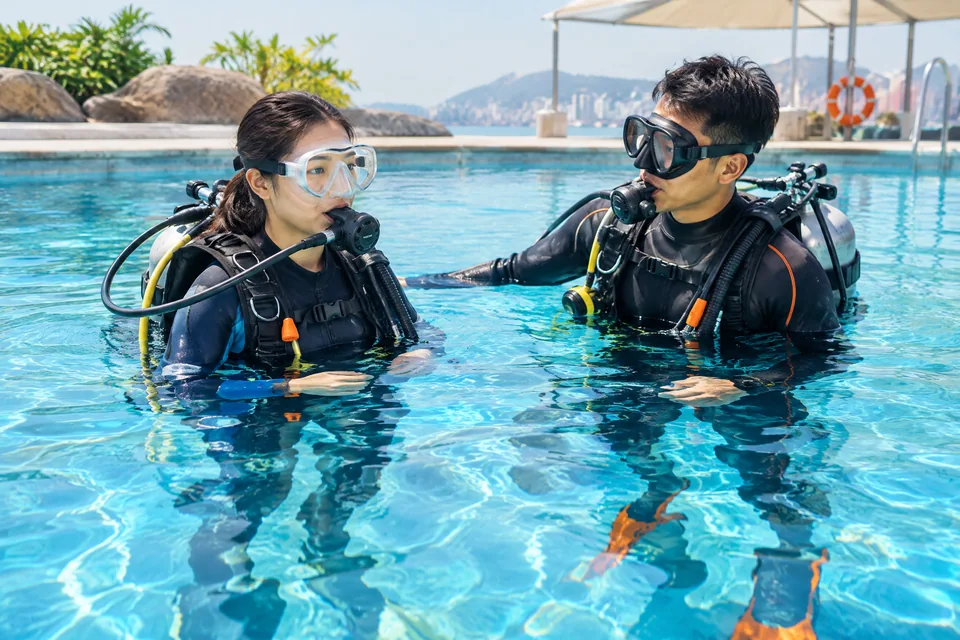
Planning questions for a cosmetic scalp consultation after swimming
Illustration · a consultation-planning scene; it does not depict a Vit So store, client, or treatment result.
Guide · 05

Turn your swim routine into consultation notes

A short record makes post-swim scalp care questions easier to answer

You do not need a complicated tracker. For two or three swim sessions, note the water setting, cap or hood use, rinse timing, shampoo, conditioner, and how the scalp felt later. Add whether the hair was coloured or chemically treated. This record can reveal a repeatable product or timing pattern, but it cannot prove a diagnosis. Bring it to the appropriate professional and let them decide what information matters.

The most useful question is often comparative: does the clean feeling improve after a fresh-water rinse, after your usual wash, or only after a cosmetic appointment? Keep the comparison fair. Change one routine element at a time when practical, and do not keep testing a product that causes burning or a worsening reaction. If the issue is persistent or severe, stop experimenting and seek medical advice.

For a dive trip, note the same details alongside your activity plan. The best time to dive in Hong Kong guide is useful for broader planning, while a hair or scalp consultation should focus on your products, symptoms, and desired cosmetic outcome. Neither page should be read as permission to ignore a health concern.

  • Record the date, water setting, headwear, rinse, cleanser, conditioner, and later scalp sensation.
  • Take a private photo only if it helps you describe a visible change; avoid sharing it widely if it contains identifying details.
  • Write down the exact question you want answered, such as cleansing steps, ingredient review, or colour-history assessment.
  • Bring the record to a clinician when symptoms persist, recur, become severe, or include visible skin changes.

Swipe the table to compare all columns.

Questions to separate routine cleansing, cosmetic treatment, and health advice
Question areaAsk the service providerAsk a clinician when relevantWhy it matters
ScopeWhat steps and products are included?Could these symptoms have more than one cause?Keeps service language from becoming a diagnosis
HistoryDo you need my colour or chemical-treatment record?Which details about products or exposure should I bring?Improves the quality of the consultation
SymptomsShould I postpone while the scalp is irritated?What should be assessed if symptoms persist or recur?Places active health concerns with the right professional
Guide · 06

Know when to pause the salon enquiry

Medical advice comes before cosmetic scalp care when symptoms persist

A salon or hair stylist can discuss cosmetic care, but should not be your substitute for medical assessment. Pause a new scalp service if you have persistent or repeated irritation, marked itch, pain, swelling, blisters, cracks, or a rash that spreads beyond the scalp. The NHS specifically directs people with persistent, recurrent, or severe contact-dermatitis symptoms to a GP.[2] A clinician can consider causes that a cosmetic appointment is not equipped to identify.

Do not use a deep-cleaning appointment to push through a reaction. Bring the product list and your swim notes to a pharmacist or clinician, and describe when the problem appears relative to water, shampoo, cap materials, dye, or styling products. If the scalp improves after a rinse, that is useful information, but it still does not prove that pool water was the cause. Avoid confident labels until a qualified professional has assessed the pattern.

Once a clinician has addressed a health concern, you can return to ordinary service questions with a clearer brief. Ask a cosmetic provider about the service steps, product choices, and aftercare that fit the advice you received. This order keeps the goal modest: a comfortable, clean-feeling routine and an informed service enquiry, rather than a promise to diagnose or cure.

  • Pause cosmetic products or services that make burning, swelling, cracking, or marked itch worse.
  • Seek medical advice for persistent, recurrent, or severe symptoms rather than repeatedly changing salon treatments.
  • Bring product names, timing notes, and photographs of visible changes to the clinician if appropriate.
  • After assessment, ask the hair provider to explain the cosmetic scope and any limits before proceeding.
Coastal hair preparation notes for a post-swim scalp care consultation
Illustration · coastal hair-preparation notes; this is a scenario illustration, not a first-hand test.
A sensible next step

Take the question with you

Start with a fresh-water rinse and a calm record of what you notice. Then ask a cosmetic provider about steps, ingredients, and service limits. If symptoms persist, recur, or become severe, move the question to a clinician before arranging a new scalp service.

Questions to ask

Common questions

Should I rinse my scalp after every pool session?

A fresh-water rinse after swimming is a sensible routine step. The AAD recommends rinsing hair immediately after swimming and then washing with a swimmers’ shampoo, followed by a deep conditioner.[1] Adjust products to your own hair and scalp needs, and seek medical advice for ongoing symptoms.

Can scalp cleansing diagnose why my scalp itches?

No. Cosmetic cleansing can be discussed as a hair-service option, but it should not be treated as diagnosis. Persistent, recurrent, or severe irritation belongs with a healthcare professional, who can assess possible causes.

What should I tell a provider before asking about scalp care?

Explain your swim frequency, cap or hood use, rinse routine, products, symptoms, and recent colour or chemical history. Ask what the service includes, which products will be used, and whether visible irritation means you should postpone.

Can I ask about colour preparation during the same enquiry?

You can ask, but keep it separate from routine cleansing. Share your colour and chemical-treatment history and ask whether an individual assessment is needed. Do not infer a universal waiting time or a guaranteed result from general post-swim advice.

Further reading

Official sources worth checking

  • [1] Must-try summer hair care

    The American Academy of Dermatology advises rinsing hair immediately after swimming, then washing with a shampoo formulated for swimmers and following with a deep conditioner.

  • [2] Contact dermatitis

    NHS guidance says to see a GP if contact-dermatitis symptoms are persistent, recurrent, or severe.

Continue exploring

Keep comparing practical questions before you choose a course, activity or preparation step.

Coastal life and hair care · Updated 2026-11-06

Women's post-swim haircut shape: choose the right length

Compare a trim, layers and a bob after swimming. Use this women's post-swim haircut shape guide, then ask the right salon questions before booking.

women's post-swim haircut shape

Coastal life and hair care · Updated 2026-11-06

Men's shore-day haircut routine: reset after a swim

Plan a men's shore-day haircut routine after swimming. Read the wash, dry and restyle brief, then ask your salon the right questions.

men's shore-day haircut routine

Coastal life and hair care · Updated 2026-11-06

Men's swim-after colour plan: schedule a clear consult

Use this men's swim-after colour plan to record swim exposure, past treatments and travel dates. Read the checklist and plan a clear consult.

men's swim-after colour plan
Your next step

Ask about diving courses or coastal trip planning

Message DiveHarbour on WhatsApp to discuss diving courses or coastal trip planning, along with your experience and preferred dates.

Ask about diving courses or coastal trip planning
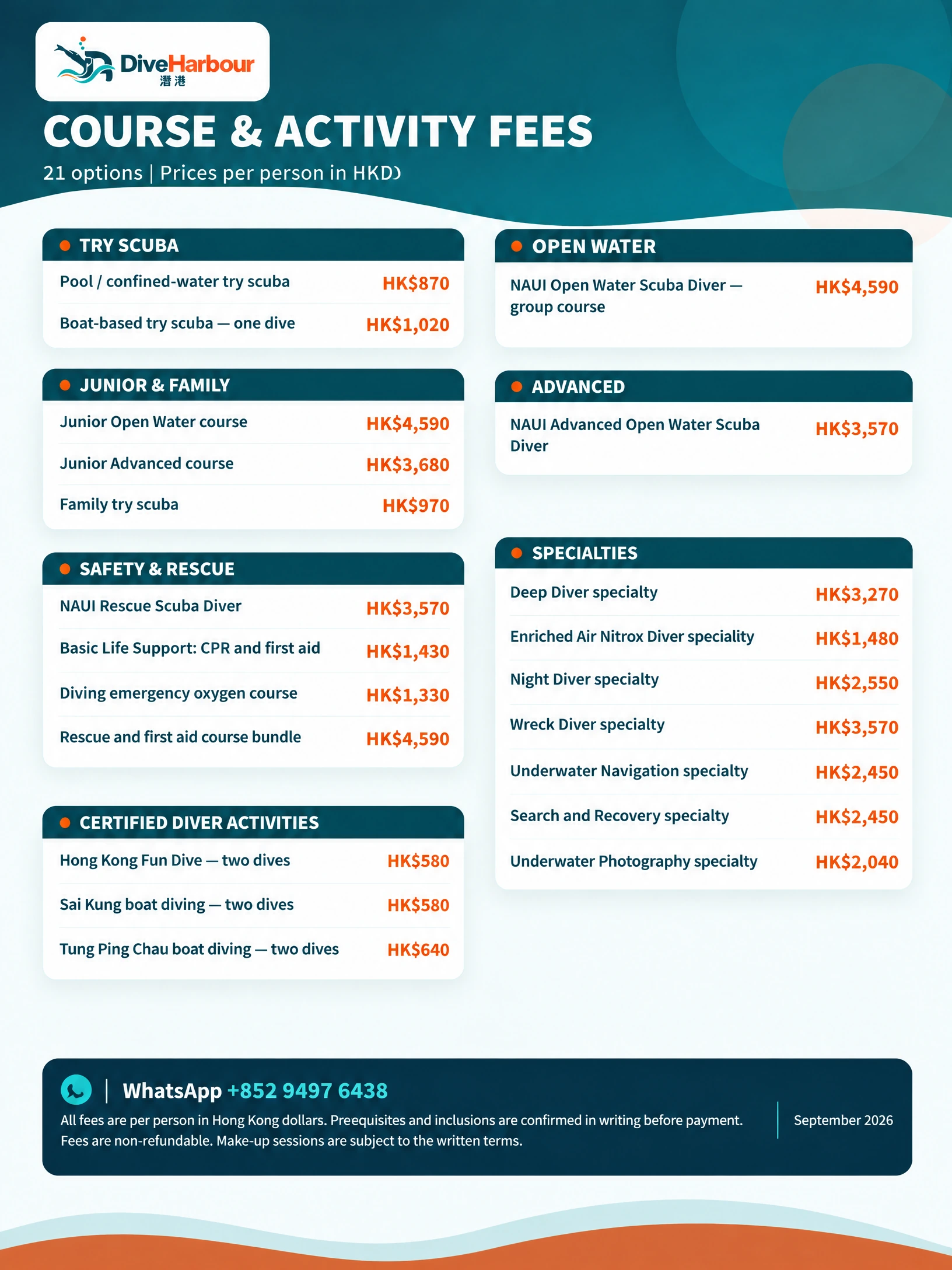
English price list for 21 DiveHarbour courses and activities, with fees per person in Hong Kong dollars
Tap the price list to view it at full size.

Plan your next dive

Course fees, clearly set out

Compare our published course and activity fees before choosing your next step. All prices are per person in Hong Kong dollars.

Before you book, we confirm prerequisites, materials, certification, equipment, venue and boat arrangements in writing. Ask us about fees for courses not listed here.

All fees are non-refundable. Make-up sessions are subject to the written terms.

Read all course fees
DiveHarbour course and activity fees per person in Hong Kong dollars
Course / activityPer person
Pool / confined-water try scubaHK$870
Boat-based try scuba — one diveHK$1,020
NAUI Open Water Scuba Diver — group courseHK$4,590
Junior Open Water courseHK$4,590
Junior Advanced courseHK$3,680
Family try scubaHK$970
NAUI Advanced Open Water Scuba DiverHK$3,570
NAUI Rescue Scuba DiverHK$3,570
Basic Life Support: CPR and first aidHK$1,430
Diving emergency oxygen courseHK$1,330
Rescue and first aid course bundleHK$4,590
Deep Diver specialtyHK$3,270
Enriched Air Nitrox Diver specialtyHK$1,480
Night Diver specialtyHK$2,550
Wreck Diver specialtyHK$3,570
Underwater Navigation specialtyHK$2,450
Search and Recovery specialtyHK$2,450
Underwater Photography specialtyHK$2,040
Hong Kong Fun Dive — two divesHK$580
Sai Kung boat diving — two divesHK$580
Tung Ping Chau boat diving — two divesHK$640