Hairpiece care questions for humid shore days | DiveHarbour
After a humid shore day, do not begin with “can I wash it?” First identify the fibre and cap, read the care label, record what the piece encountered, then ask about cleaning, drying, trimming and storage in that order. Keep water-activity suitability separate from appearance care. If instructions are missing or the piece is altered, pause and ask the provider before using heat, products or tools.
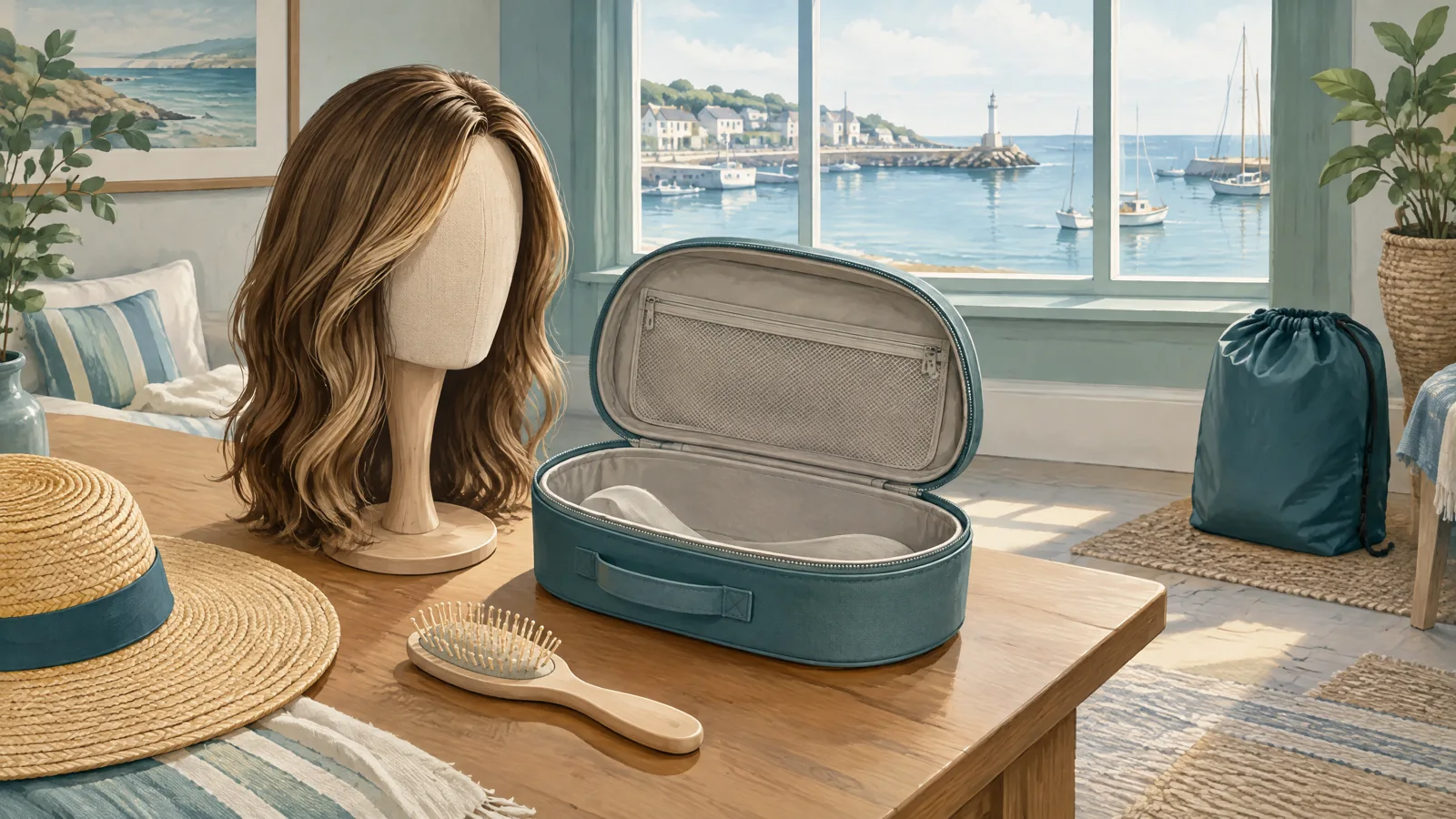
Illustration · Concept illustration: a shore-day hairpiece storage setup, not a real product, client, provider or result.
Instructor qualifications
One clear teaching conversation from first breath to next step
DiveHarbour brings together scuba teaching, swimming, lifesaving and water-rescue experience so you can ask practical questions before choosing a course.
PADI teaching backgroundTeaching experience across recognised scuba learning pathways.
SSI teaching backgroundClear explanations when you are comparing agency routes.
NAUI teaching backgroundA practical, standards-aware approach to learning and progression.
Swimming foundationWater confidence and calm, step-by-step practice matter.
Lifesaving experienceSurface awareness and prevention stay part of the conversation.
Pool rescue experienceControlled practice can build confidence before open water.
Beach rescue experienceLocal water context informs sensible preparation.
Kayak rescue experienceA wider water-safety perspective supports good judgement.
PWC rescue experienceAsk about the right learning route for your experience and goals.
Brand relationship: DiveHarbour and DT HUB share the same owner.
DiveHarbour and DT HUB are operated by the same owner. DT HUB links in this article are external service and product information references, not independent third-party recommendations, medical-effect claims, or endorsements of water-activity safety. DiveHarbour handles diving and shore activities; DT HUB's salon, hairpiece, academy, and hair-growth services require separate enquiries.
A useful fact to keep in mind
The American Cancer Society advises allowing a washed wig to dry at room temperature and not brushing or combing it until it is thoroughly dry [1].
Name the fibre, cap construction and any attachment before choosing a product or tool.
Turn a broad washing question into separate questions about water, cleanser, friction and drying.
Let the piece become fully dry before brushing, trimming or putting it away.
Treat water-activity suitability as a separate provider and activity decision, not a care result.
Start here
Hairpiece care questions start with the shore-day facts
Ask hairpiece care questions in the order the piece needs answers
A humid itinerary can combine wind, sweat, spray, sand, a change of clothes and a long trip home. Those details do not tell you which cleanser or tool is suitable. They tell you what to record. Start with the piece itself: synthetic fibre, human hair, blend, cap material, attachment method, colour work and any previous trimming. The goal is not to diagnose damage. It is to give a provider enough context to answer one care question at a time.
Write the event in plain terms: where the piece was worn, whether it became damp, whether grit touched it, and whether heat or styling product was used. A regional service page such as tsuen wan wig shop may help you frame a separate availability or consultation enquiry, but it is regional service information, not a promise of a Tsuen Wan branch. Keep that enquiry separate from deciding what your current piece can tolerate.
Piece identity: fibre, cap, colour work, attachment and any previous alteration.
Shore exposure: humidity, spray, sand, sweat, wind and time worn.
Visible state: tangles, matting, odour, loose strands, frizz or a changed shape.
Open question: clean, dry, brush, trim, repair, replace or simply store?
A hairpiece is an appearance choice, not a treatment. A care routine cannot approve a water activity or replace a provider's instructions.
Guide · 02
Separate fibre, label and product decisions
The same-looking piece may have different care limits
Do not choose a routine from appearance alone. The American Cancer Society distinguishes synthetic fibres from human hair and notes that human-hair pieces generally need more maintenance, while synthetic pieces usually offer less styling flexibility [1]. Macmillan also identifies blended wigs as a separate category that may need special care [2]. Record the wording on the label, packaging or original care card. If the fibre is unknown, treat that uncertainty as the first question rather than guessing from shine, texture or price.
Before using shampoo, conditioner, detangler, heat or a brush, ask whether that exact product suits the fibre, cap and attachment. A page such as sha tin wig shop can be a starting point for a regional consultation question, but it does not mean there is a Sha Tin branch or that a listed provider has inspected your piece. Send clear photographs and the care label wording instead of assuming a generic wig routine applies.
Swipe the table to compare all columns.
Shore-day exposure record to prepare before asking a care question
What to record
Example wording
Why it changes the next question
Moisture
Became damp from humidity or spray; no assumption about saturation
Helps the provider decide whether to discuss drying, cleaning or simply airing
Particles
Fine sand touched the ends; visible grit was not brushed out
Makes friction and safe removal a question before any styling product
Heat or product
No heat used; one named product was applied before the trip
Identifies whether the label or provider must confirm compatibility
Visible change
Ends feel tangled; cap and attachment were not pulled
Keeps the enquiry descriptive instead of assuming repair or replacement
Illustration · Concept illustration: notes for a hypothetical coastal care enquiry, not a real appointment or service setting.
Guide · 03
Turn “can I wash it?” into a cleaning plan
Ask about water, cleanser, movement and the next dry check
A useful cleaning question has four parts. Ask whether this piece should be washed after the recorded exposure, which water temperature and cleanser the instructions allow, whether the hair may be rubbed or only dipped, and how excess water should be removed. The American Cancer Society describes cold water, gentle dipping, towel patting and room-temperature drying in its wig-care guidance [1]. That is not a licence to copy every quantity to every piece. Use the supplied directions first, and stop if the cap, knots or attachment needs special handling.
If your itinerary also includes a certified-diver fun dive Hong Kong, put that activity in a separate plan. Wearing a hairpiece does not automatically make water activity suitable, and after-use cleaning does not prove attachment security, equipment compatibility or personal clearance. If suitability has not been confirmed by the relevant provider, choose a shore-side arrangement and keep the care question focused on the piece you actually own.
Exposure: what touched the piece, and for how long?
Method: wash, rinse, spot-clean or ask the provider to handle it?
Friction: may you rub, comb, brush or only support the cap?
Drying: what temperature, surface and waiting point are allowed?
Stop rule: what change means you should not continue at home?
Guide · 04
Dry first, then inspect before styling
Moisture and heat are separate hairpiece care questions
After cleaning, make drying a distinct stage. Follow the label about support and position, remove excess water only as directed, and wait until the piece is thoroughly dry before brushing or combing. The American Cancer Society says to let a washed wig dry at room temperature and not brush or comb it until it is dry [1]. Macmillan warns that heat can make real hair frizz and synthetic hair melt [2]. These points support a cautious boundary: do not improvise with a dryer, straightener, curling iron, oven heat or flame.
Once dry, inspect under calm indoor light before trying to restore the style. Note whether the shape returned, whether the cap sits flat, and whether a knot or strand still pulls. If the care card permits a particular wig brush or comb, use the least force that answers the question. If it does not, leave the piece alone and ask. For a regional consultation lead, tseung kwan o wig shop is regional information, not evidence of a Tseung Kwan O branch or of a guaranteed repair scope.
Illustration · Concept illustration: a hypothetical shore-side change routine, not a real product demonstration or activity clearance.
Guide · 05
Delay trimming, repair and replacement decisions
A changed outline does not tell you which intervention is right
Trimming is not the same as detangling. Repair is not the same as washing. Replacement is not the same as storage. Keep these decisions separate so a humid-day appearance change does not lead to an irreversible home cut. Take front, side and cap photographs, write down what changed, and include the last known care method. Ask whether the provider can assess the fibre, knots, cap, attachment and requested finish, and whether the appointment covers inspection, styling, repair or a new-piece discussion.
A location-labelled page such as yuen long wig shop can be used to prepare a regional enquiry, but it is not a promise of a Yuen Long branch. Ask where the relevant service is actually provided, what information to bring, and whether the provider wants the piece dry and unaltered. Do not add adhesive, pull firmly at a bonded area, cut the lace or alter any equipment while you are waiting for an answer.
Photograph the front, sides, parting, ends and cap without filters.
Describe the change instead of labelling it as damage or a defect.
Ask whether inspection, styling, repair or replacement is the service scope.
Keep the piece unaltered when the next decision depends on its original state.
Swipe the table to compare all columns.
Order of questions when the piece is uncertain after a coastal day
Stage
Question to ask
Pause point
Identify
What fibre, cap and attachment does this piece have?
Stop if the material or care card is unknown
Clean
Is washing needed, and which water, cleanser and movement are allowed?
Stop before using a household product or hot water
Dry
How should excess water be removed, and how long must it dry?
Stop before brushing or applying unapproved heat
Restore
May it be brushed, trimmed, repaired or stored now?
Stop before cutting, pulling or adding adhesive
Guide · 06
Store only after the dry check
Build a repeatable handover for the next shore day
Storage is the final question, not the first rescue step. Confirm that the piece is fully dry, free of loose grit, and not being compressed in a way the label prohibits. Record the date, exposure, cleaning method, drying method and any unresolved change. The American Cancer Society says a wig stand can be used for short periods when a wig is not being worn [1], while Macmillan stresses that the individual wig's care instructions matter [2]. Use the stand or container only if it matches those instructions.
For a separate equipment question, use a Hong Kong scuba equipment shop rather than asking a hairpiece provider to judge dive equipment. DiveHarbour activity information and hairpiece product information have different scopes. If a future day includes water, ask the activity provider about activity arrangements and ask the hairpiece provider about the piece. Until both questions are answered for your situation, plan the hairpiece for shore use only and do not modify safety equipment to accommodate it.
Illustration · Concept illustration: a compact learning toolkit, not a real product, class, client or before-and-after result.
A sensible next step
Take the question with you
The useful answer to “can I wash it?” is a sequence: identify the piece, read its instructions, record the shore exposure, ask about cleaning, dry without unapproved heat, inspect when fully dry, and only then discuss brushing, trimming or storage. Keep any water-activity decision outside that care sequence. A clear record gives the provider something specific to answer and reduces the chance of an irreversible home fix.
Before your next coastal itinerary, save the care label, photograph the piece in its normal state, and write the five questions from the table. Ask a qualified hairpiece provider about the specific material and scope. Ask DiveHarbour separately about diving or shore-activity arrangements; do not use a hairpiece enquiry as activity approval.
Questions to ask
Common questions
Can I wash a hairpiece after a humid shore day?
Possibly, but “humid shore day” is not enough information. Identify the fibre, cap and attachment, read the supplied instructions, and ask what water temperature, cleanser, movement and drying method are allowed. Do not infer that a piece is waterproof or chlorine-protected.
Can I use a hairdryer or straightener to save time?
Only if the piece's instructions explicitly allow that heat level and tool. The cited care guidance warns that unapproved heat can damage real hair or melt synthetic fibre. If the label is missing or the piece is blended, pause and ask the provider instead.
Should I trim a piece when the ends look untidy?
Not as a first response. Photograph the change, record what happened, and ask whether the provider can inspect or style the piece. A home cut can remove information needed for an assessment and may not address a cap, knot or fibre issue.
Does caring for a hairpiece mean I can wear it for swimming or diving?
No. After-use care and activity suitability are separate decisions. Ask the relevant activity provider about the activity and the hairpiece provider about the specific piece. Until your situation is confirmed, choose a shore-side arrangement and do not modify safety equipment or add unapproved attachment methods.
The page says both synthetic and human-hair wigs need careful washing with slightly warm or cold water, and warns that real hair can frizz while synthetic hair can melt when exposed to heat.
Continue exploring
Three useful next reads
Keep comparing practical questions before you choose a course, activity or preparation step.
Coastal life and image planning · Updated 2026-11-06
Outdoor-light reference brief for coastal photo planning
Use an outdoor-light reference brief to plan light, framing, neckline and styling limits for a coastal shoot. Read the checklist and ask better questions.
Coastal life and image planning · Updated 2026-11-06
Shore styling tool choice: build a compact shore-day kit
Use shore styling tool choice to sort essential tools, power limits, cleaning needs, and backup options before a coastal day. Read the practical guide.
Compare our published course and activity fees before choosing your next step. All prices are per person in Hong Kong dollars.
Before you book, we confirm prerequisites, materials, certification, equipment, venue and boat arrangements in writing. Ask us about fees for courses not listed here.
Read the Sai Kung diving Hong Kong guide to learn about the setting, then explore the Sai Kung scuba diving course page. Certified divers can use our Hong Kong fun dive guide to check experience requirements and activity arrangements. Locations remain subject to weather and sea conditions.
Explore the responsibilities and entry requirements in our Divemaster course Hong Kong guide, then review the scuba instructor course Hong Kong route. Professional training differs from recreational progression, so confirm experience requirements and assessment arrangements first.