Styling Practice Materials for Shore Hair Skills | DiveHarbour
Choose styling practice materials by the movement you want to repeat, not by a long shopping list. Start with a clean, dry practice surface, record what your hands are doing, and separate ordinary styling rehearsal from chemical work, live-person practice, and any equipment question. A small repeatable setup makes a coastal look easier to evaluate without pretending that a practice head or hairpiece is a water-safety solution.
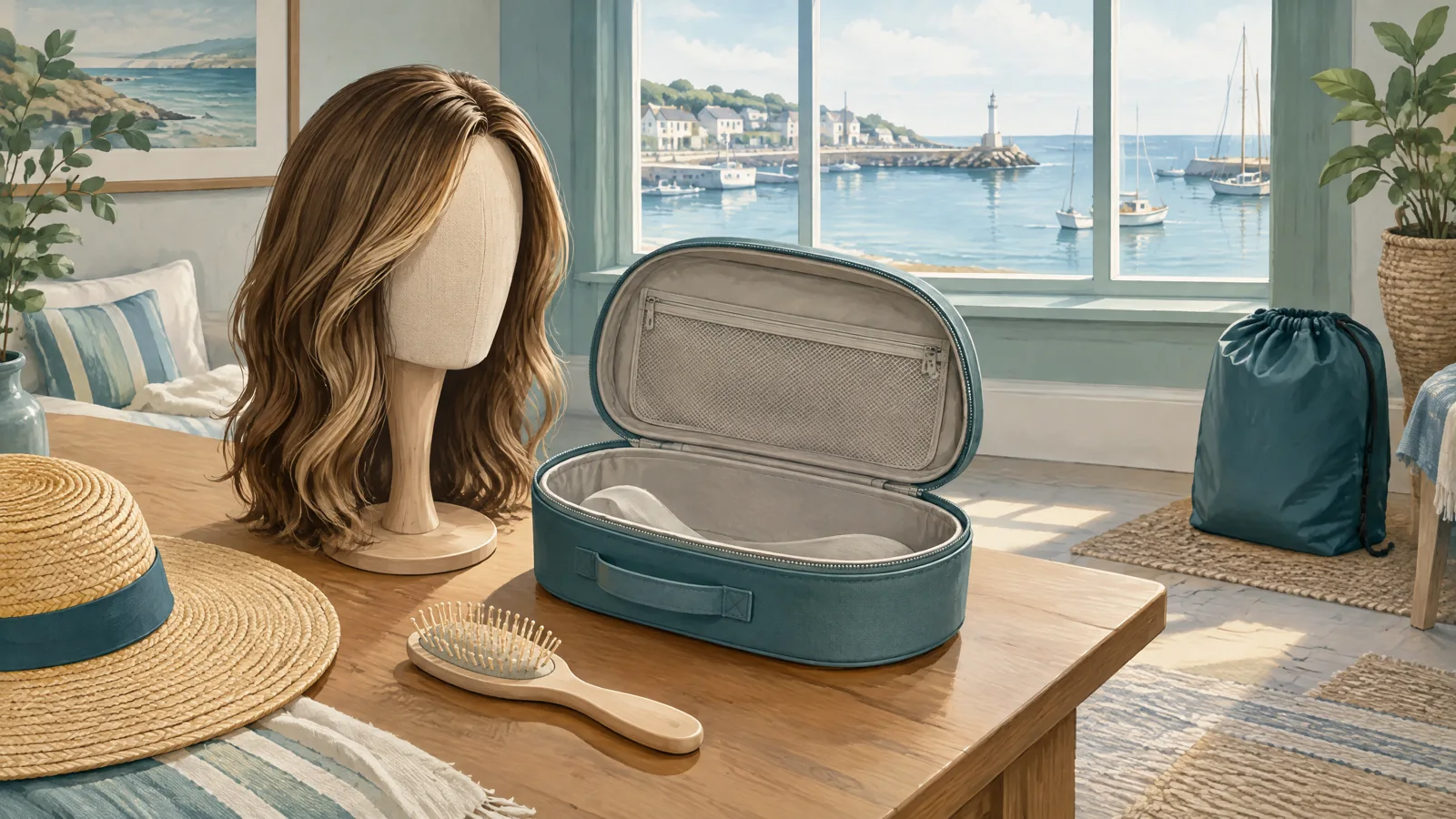
Illustration · Concept illustration of a dry styling practice station; not a real DT HUB store, product, client, student, or result.
Instructor qualifications
One clear teaching conversation from first breath to next step
DiveHarbour brings together scuba teaching, swimming, lifesaving and water-rescue experience so you can ask practical questions before choosing a course.
PADI teaching backgroundTeaching experience across recognised scuba learning pathways.
SSI teaching backgroundClear explanations when you are comparing agency routes.
NAUI teaching backgroundA practical, standards-aware approach to learning and progression.
Swimming foundationWater confidence and calm, step-by-step practice matter.
Lifesaving experienceSurface awareness and prevention stay part of the conversation.
Pool rescue experienceControlled practice can build confidence before open water.
Beach rescue experienceLocal water context informs sensible preparation.
Kayak rescue experienceA wider water-safety perspective supports good judgement.
PWC rescue experienceAsk about the right learning route for your experience and goals.
Brand relationship: DiveHarbour and DT HUB share the same owner.
DiveHarbour and DT HUB are operated by the same owner. DT HUB links are external service or product references, not independent third-party recommendations, medical-effect claims, or water-activity safety endorsements. DiveHarbour handles scuba and shore activities; DT HUB handles salon, wig, academy, and hair-growth enquiries separately.
A useful fact to keep in mind
The CDC says to clean a surface before sanitizing or disinfecting it, then keep it wet for the product's stated contact time; it also says not to mix cleaning products.
Name one movement first, then choose the simplest material that lets you see and repeat it.
Keep dry rehearsal separate from colouring, bleaching, adhesives, heat, and any improvised chemical process.
Clean surfaces before disinfection, follow product labels, and never mix cleaning chemicals.
Stop when the material, your skin, or an activity-related question moves beyond what practice can answer.
Start here
## How to choose styling practice materials for a shore look
### Styling practice materials start with one movement
Begin by naming the movement you want to repeat. It might be making a clean part, controlling a small section, keeping a braid even, or checking how a shape reads from the side. This choice matters more than the look on the packet. A practice head, a section of hair, or a comb on a table can answer different questions. Write the movement in one sentence and take a quick front and side photo after each attempt. The record is for comparison, not proof of a promised result.
If the goal is to understand how a particular hairpiece silhouette behaves before you practise with it, treat a service page as a question prompt rather than a verdict. A reader comparing a custom option can use custom wig hong kong to note what needs confirming about material, fitting, maintenance, and whether the provider expects dry or supervised practice. Do not assume that a product or fitting is suitable for immersion, a mask, a helmet, or other activity equipment.
A useful first setup has one goal, one material, one recording method, and one clear reason to stop.
Guide · 02
## Build a small practice station before buying more
### Let the station answer a decision, not create another one
A sensible station can be modest: a stable surface, a towel or washable cover, the practice hair, one comb suited to the movement, sectioning clips, a mirror, and a phone or notebook. Keep drinking water and food away from the work area. If a tool needs power, heat, spray, adhesive, or a product label you have not read, move that question into a separate provider conversation. More equipment does not automatically create better feedback; it can make it harder to tell which change helped.
Cost should be recorded as a decision boundary rather than treated as a promise of quality. A wig price hong kong page may help you list questions about what a quoted item includes, but it cannot tell you which practice material matches your movement. Ask whether the item is for appearance, fitting, or care, and whether the provider permits the handling you have in mind. Keep the article's exercise dry and observational unless the provider gives different written instructions.
Swipe the table to compare all columns.
Practice-material decision grid for a coastal styling exercise
Practice question
Start with
What to record
Do not infer
Can I make a clean part?
A small, dry hair section and a comb
Starting point, direction, and repeatability
That the same part will hold in wind or water
Can I keep a braid even?
A practice head or loose section with visible length
Section sizes, tension, and reset time
That a finished braid is secure for an activity
How does a silhouette read?
A practice head, mirror, and fixed photo angles
Front, side, and back differences
That a photo proves fit, comfort, or equipment compatibility
Before buying, write: “I need to see whether I can repeat ___ using ___ for ___ minutes.”
Illustration · Concept illustration of planning notes beside practice hair; not a real DT HUB consultation or customer record.
Guide · 03
## Match the material to the movement you can observe
### Use styling practice materials that show your hands clearly
Different materials answer different practice questions. A loose section can show tension and direction. A practice head can show how a shape sits around a crown or hairline. A flat swatch can help you compare texture or a parting line, but it will not show the full silhouette. If your reference involves a small hair system or partial coverage, toupee hong kong is an information route to ask about the item itself, not evidence that it should be altered, glued, worn in water, or combined with safety equipment.
Keep the first rehearsal deliberately narrow. Work slowly enough to see whether your fingers are pulling, twisting, or skipping a section. Change only one variable at a time, such as the section width or starting point. If the result looks different from the reference, describe the difference plainly: higher, flatter, looser, uneven, or difficult to reset. That language is more useful to a provider than saying the style simply “failed.” A good record also says what the material could not demonstrate.
Movement: name the hand action and the visible feature you want to compare.
Material: choose hair or a practice surface that exposes that feature without extra processes.
Record: photograph the same angles and note the single variable changed.
Boundary: stop before the exercise becomes chemical processing, forced fixing, or equipment modification.
Practice is successful when it produces a clearer next question, not when it imitates a photograph perfectly.
Guide · 04
## Keep wet and chemical work outside first practice
### Separate styling practice materials from product experiments
Dry rehearsal is easier to observe and easier to reset. Colouring, bleaching, perming, relaxing, strong sprays, adhesives, and other chemical or wet processes introduce separate handling questions. Do not invent a mixture, transfer a product to an unlabelled container, or treat a practice head as permission to experiment on a person. The UK Health and Safety Executive notes that frequent water and shampoo contact can irritate skin, while some hairdressing products can cause dermatitis, allergies, asthma, or worsening asthma symptoms. [1]
For a man's appearance question, a page about men's wig hong kong may help you prepare provider questions about material, cleaning, styling limits, and storage. It does not establish a product's compatibility with your skin, a venue, or water activity. If a product causes irritation or breathing concern, stop the exercise and seek appropriate qualified advice rather than trying to correct it with another product.
If the next step needs chemical instructions, move it from home rehearsal to a qualified provider conversation.
Illustration · Concept illustration of a reset routine between styling exercises; not a real salon, medical place, client, or before-and-after result.
Guide · 05
## Use a repeatable reset after every rehearsal
### Clean the station before the next styling practice materials session
Finish by separating reusable items from single-use items and by recording anything that touched the floor, a face, a scalp, or a product. Follow the item's manufacturer or provider instructions for washing, drying, and storage. The CDC advises cleaning surfaces before sanitizing or disinfecting because dirt can make those chemicals less effective. It also says to follow label directions, keep a treated surface wet for the stated contact time, use appropriate ventilation and protective equipment, avoid mixing products, store them securely, and wash hands afterward. [2]
If your coastal interest includes images rather than an underwater session, underwater photography diving course Hong Kong is a separate DiveHarbour learning reference. It does not turn hair practice into a diving prerequisite. Keep the camera brief, styling notes, and activity questions in separate files so a hairstyle decision is not mistaken for an equipment, training, or safety decision.
For a more specific system question, men's hair system hong kong can help you frame questions about construction, fitting, care, and provider scope. Treat the page as product information, not evidence that a system is suitable for your skin, water use, or safety equipment.
Swipe the table to compare all columns.
Stop-and-switch guide for practice materials and coastal plans
Signal
Switch to
Question to ask
Why it matters
The label or material is unclear
A dry observation and provider query
What is it made for and how should it be stored?
A guess can damage the item or distort the exercise
You are tempted to mix or add a chemical
A label review or qualified provider
What instructions and protective measures apply?
Chemical properties and risks may change when products are mixed
The look must work with activity equipment
A shore-only appearance plan
What does the activity provider require or prohibit?
A styling choice must not change safety-equipment function
Cleaning is part of the practice record: note what was cleaned, what was discarded, and what still needs provider guidance.
Guide · 06
## Know when practice should stop
### Your styling practice materials checklist before a coastal day
A stop condition protects the usefulness of the exercise. Pause when you cannot identify the material, when the care label is missing, when you would need to force a knot or attachment, or when a tool could interfere with a mask, helmet, flotation device, or other safety equipment. Do not add glue, tie-ons, clips, or homemade restraints to safety equipment. A hairpiece is an appearance choice, not a guarantee of secure wear in water. If you have a personal medical question or are receiving treatment, ask your own qualified care team about activity suitability rather than relying on styling practice.
A service description about hair replacement hong kong can help you formulate questions about consultation scope, fitting, care, and the difference between appearance support and medical assessment. Before an activity, ask the activity provider separately about equipment and conditions. For the diving side of a plan, Peak Performance Buoyancy course Hong Kong is a DiveHarbour course reference, not a hairstyle endorsement or permission to alter equipment.
Can I name the material and follow its care instructions?
Can I repeat the movement without force, chemical processing, or unapproved attachment?
Have I cleaned and stored the station according to the relevant labels?
Are styling, medical, and water-activity questions being asked of the right provider?
When an answer depends on a product, a person's health, or activity equipment, stop practising and ask the relevant qualified provider.
Illustration · Concept illustration of hairpiece storage for a shore-only plan; not a real DT HUB product, client, student, or water-use demonstration.
A sensible next step
Take the question with you
The most useful styling practice materials are the ones that let you observe one movement, repeat it, and describe the next question. Keep the first session dry and small. Record the material and care limits, reset the station using its labels, and stop before chemical work, live-person handling, medical questions, or activity equipment enters the exercise. That sequence gives a coastal styling plan a clear boundary without asking it to solve a different problem.
For DiveHarbour, ask separately about scuba, shore, or underwater-photography activities and their equipment or personal safety questions. For hair, wig, salon, academy, or hair-growth enquiries, contact the relevant DT HUB provider through its own information channels. The DT HUB references above are not DiveHarbour activity bookings, medical advice, or a promise that any look or product is suitable for water use.
Questions to ask
Common questions
What are the best styling practice materials for a beginner?
Start with the simplest dry material that shows the movement you want to repeat. A small hair section can show parting or tension, while a practice head can show shape and angles. Add tools only when a specific decision requires them.
Should I practise on a live person first?
Not by default. First make the movement understandable on a dry practice surface. If you later work with a person, obtain clear consent, avoid unverified chemical work, and stop if the person feels discomfort or the task moves beyond your training.
How should I clean a styling practice station?
Separate reusable and single-use items, follow each material's label or provider instructions, clean visible soil before any disinfection step, and follow the disinfectant's stated contact time. Never mix cleaning products, and wash your hands afterward.
Can practice hair or a hairpiece be used for a water activity?
Practice does not establish water suitability, secure wear, or compatibility with a mask, helmet, flotation device, or other safety equipment. Ask the hair provider about the item and the activity provider about activity and equipment requirements. Keep an unconfirmed plan shore-only.
HSE states that frequent contact with water and shampoo can lead to dermatitis; some hairdressing and cleaning products can cause dermatitis or skin allergies; dusty persulphates and henna can cause asthma; and some hairsprays can make asthma worse.
CDC says to clean surfaces before sanitizing or disinfecting, keep a disinfected surface wet for the label's contact time, avoid mixing products, store them securely, and wash hands after disinfecting.
Continue exploring
Three useful next reads
Keep comparing practical questions before you choose a course, activity or preparation step.
Coastal life and image planning · Updated 2026-11-06
Outdoor-light reference brief for coastal photo planning
Use an outdoor-light reference brief to plan light, framing, neckline and styling limits for a coastal shoot. Read the checklist and ask better questions.
Coastal life and image planning · Updated 2026-11-06
Shore styling tool choice: build a compact shore-day kit
Use shore styling tool choice to sort essential tools, power limits, cleaning needs, and backup options before a coastal day. Read the practical guide.
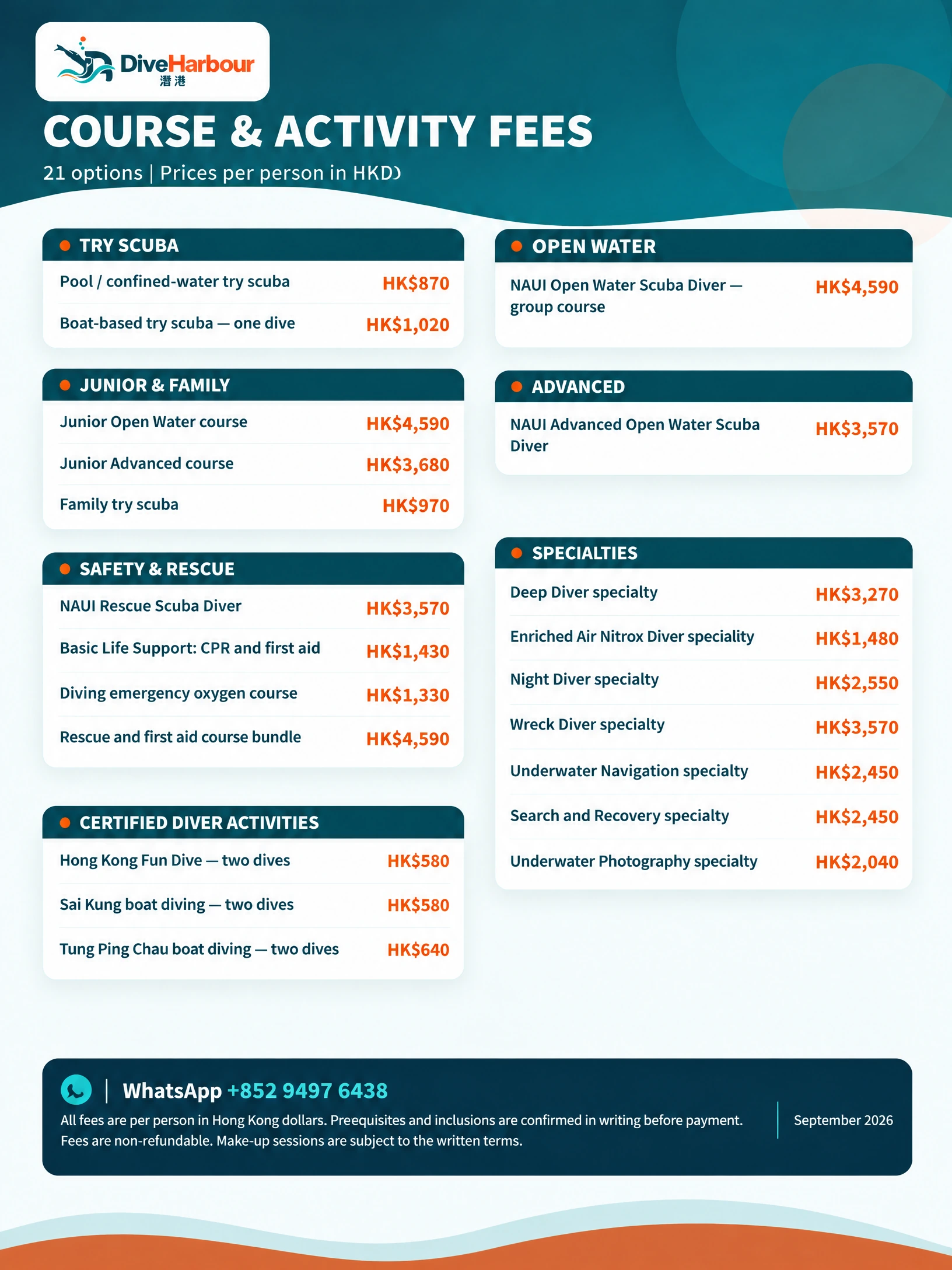
Compare our published course and activity fees before choosing your next step. All prices are per person in Hong Kong dollars.
Before you book, we confirm prerequisites, materials, certification, equipment, venue and boat arrangements in writing. Ask us about fees for courses not listed here.
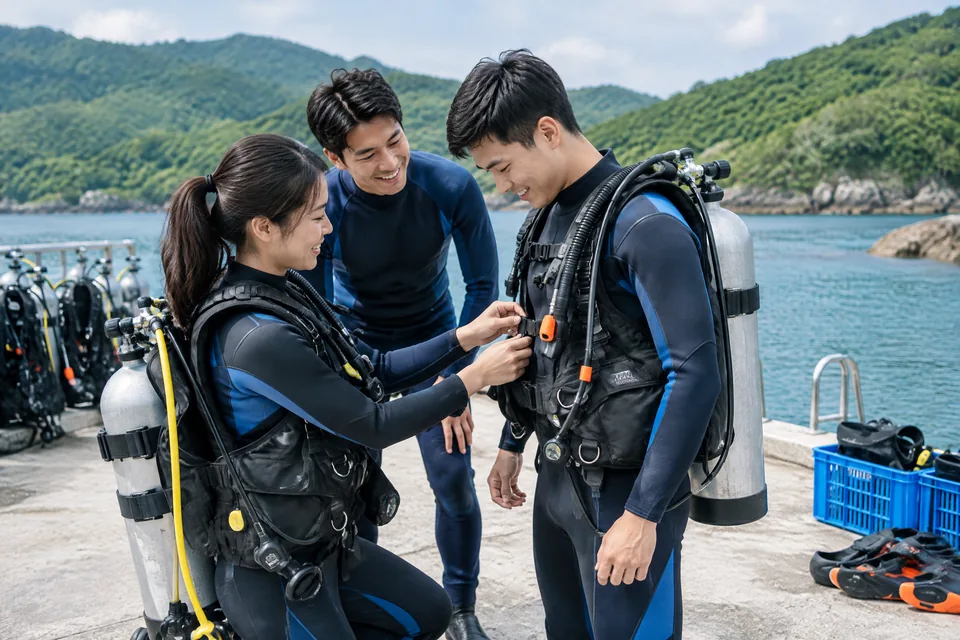
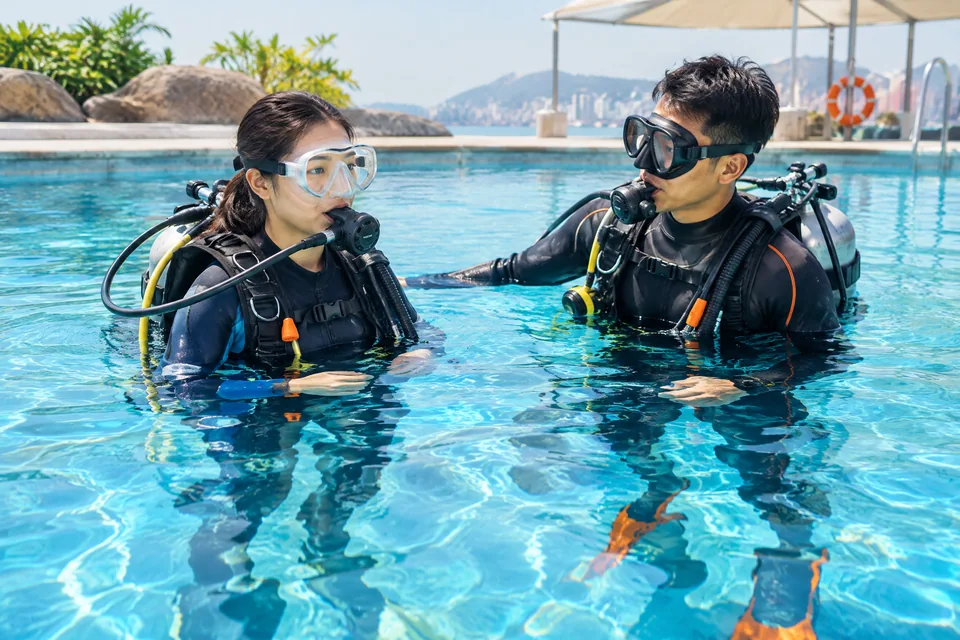
Read the Sai Kung diving Hong Kong guide to learn about the setting, then explore the Sai Kung scuba diving course page. Certified divers can use our Hong Kong fun dive guide to check experience requirements and activity arrangements. Locations remain subject to weather and sea conditions.
Explore the responsibilities and entry requirements in our Divemaster course Hong Kong guide, then review the scuba instructor course Hong Kong route. Professional training differs from recreational progression, so confirm experience requirements and assessment arrangements first.