Hairpiece activity boundary: a safer shore-day plan
A hairpiece activity boundary is a practical pause before a coastal day. Separate the look you want, the piece and products involved, compatibility with masks or other safety equipment, and your own activity or medical questions. If any answer is unresolved, keep the plan shore-only. Do not alter safety equipment or treat a salon discussion as activity clearance.
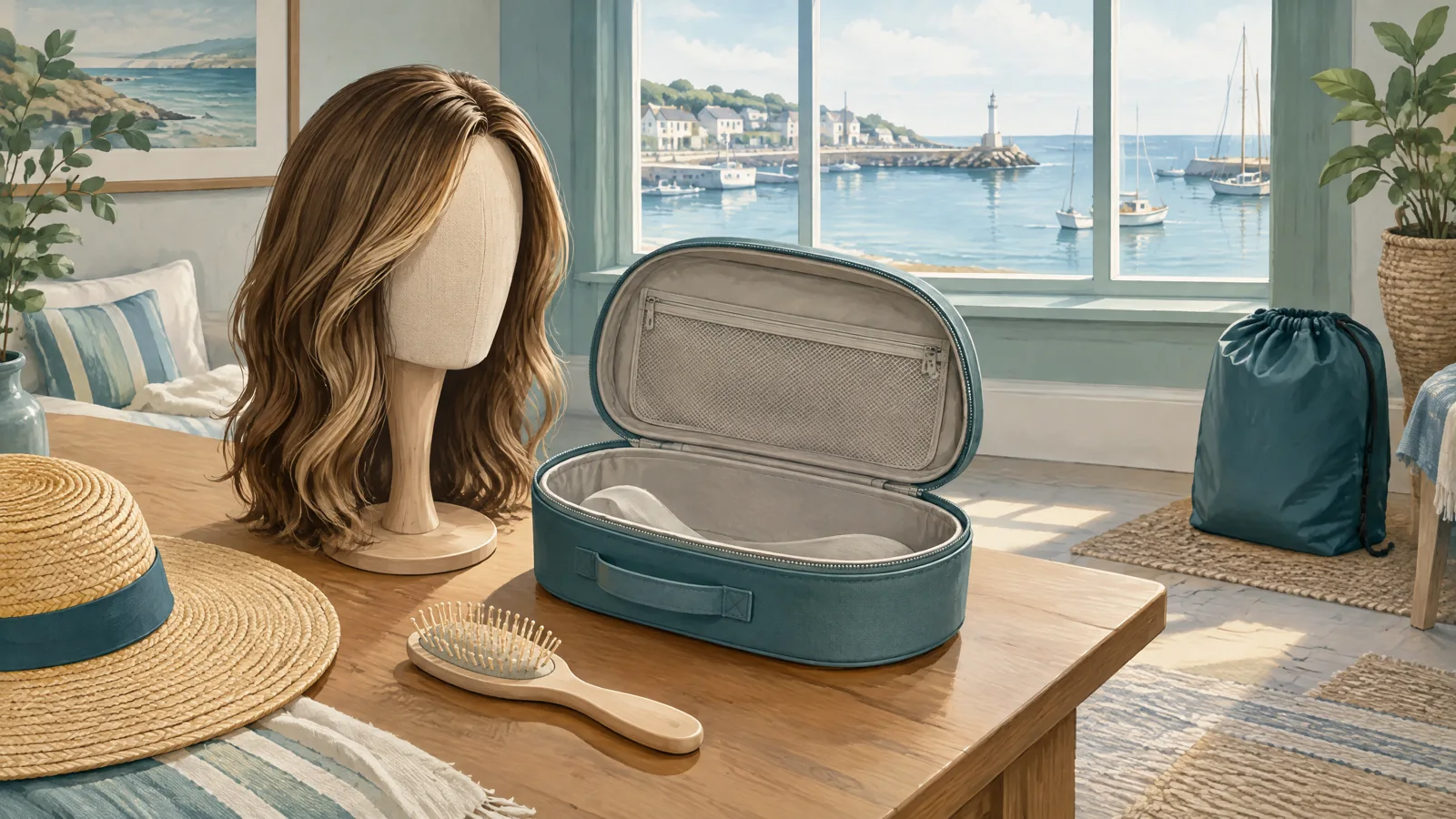
Illustration · Concept illustration: a shore-day notes layout, not a DT HUB store, medical setting, product, client, or result.
Instructor qualifications
One clear teaching conversation from first breath to next step
DiveHarbour brings together scuba teaching, swimming, lifesaving and water-rescue experience so you can ask practical questions before choosing a course.
PADI teaching backgroundTeaching experience across recognised scuba learning pathways.
SSI teaching backgroundClear explanations when you are comparing agency routes.
NAUI teaching backgroundA practical, standards-aware approach to learning and progression.
Swimming foundationWater confidence and calm, step-by-step practice matter.
Lifesaving experienceSurface awareness and prevention stay part of the conversation.
Pool rescue experienceControlled practice can build confidence before open water.
Beach rescue experienceLocal water context informs sensible preparation.
Kayak rescue experienceA wider water-safety perspective supports good judgement.
PWC rescue experienceAsk about the right learning route for your experience and goals.
Brand relationship: DiveHarbour and DT HUB share the same owner.
DiveHarbour and DT HUB are operated by the same owner. DT HUB links in this article are references to external service and product information, not independent third-party recommendations, medical-effect claims, or water-activity safety endorsements. DiveHarbour handles diving and coastal activities; DT HUB handles salon, hairpiece, academy, and hair-growth enquiries, which must be checked with the relevant provider.
A useful fact to keep in mind
DAN says instructors, divemasters, and dive-shop personnel are not physicians and should not be asked for medical clearance; medical professionals handle clearance when it is needed.
Write the desired appearance and the activity sequence as two separate notes.
Ask the hairpiece provider about materials, handling, storage, cleaning, and the limits of the service scope.
Ask the activity operator or qualified medical authority about activity suitability and equipment compatibility, not the salon.
Keep an unresolved plan shore-only and never add adhesive, straps, or modifications to safety equipment yourself.
Start here
Hairpiece activity boundary: start with four separate questions
Why a hairpiece activity boundary needs a shore-first decision
A hairpiece can solve an appearance question for a photograph, meal, or walk beside the water. It does not automatically answer what happens when wind, spray, swimming, snorkelling, scuba, or safety equipment enters the plan. Start by naming the setting, the time you need the look, and the point at which you would change to another arrangement. This makes the decision about an actual day rather than a vague promise about a product.
Keep four questions on separate lines: what should the hair look like, how should the piece be handled, will it sit alongside activity equipment, and does the individual activity need a medical or operator decision? A provider can discuss a product or fitting scope, such as a human hair wig hong kong, but that commercial information is not evidence of water suitability or activity approval.
The separation matters because each question has a different owner. Appearance and storage belong in a hairpiece enquiry. Equipment fit belongs with the relevant activity operator and equipment process. Personal health or participation questions belong with a qualified medical authority when indicated. Until those conversations agree, the most honest plan is a shore-only look with no promise that the piece will stay attached, dry, or compatible in water.
A shore-only plan is not a failed plan. It is a clear boundary when the unanswered question could affect equipment, comfort, or personal safety.
Guide · 02
1. Define the appearance before discussing the piece
Turn a coastal look into a brief another person can answer
Describe the appearance by situation, not by a single adjective. Note whether the look is for a seated meal, a windy promenade, a family photograph, or a change between activities. Add the neckline, hat or hood you expect to wear, preferred direction of the part, and how much adjustment you can tolerate. A useful brief says what must remain visible and what you are happy to leave flexible.
If you need a more tailored enquiry, a custom wig hong kong page may help you identify questions about consultation scope. It does not decide whether a piece can enter a pool, sea, boat, or dive. Ask the provider what information they need, what handling they cover, and which questions must be sent to the activity operator instead.
Use this short process before sending photographs or booking any discussion:
Write the first and last appearance of the day, including any point where you can remove or store the piece.
Record the environment you expect: sheltered indoors, open shore, boat deck, splash zone, or water entry.
List nearby equipment without changing it: mask, hood, helmet, buoyancy equipment, straps, or emergency gear.
Mark questions as appearance, product handling, equipment fit, or personal activity suitability.
Choose a shore-only alternative if the equipment or suitability answer is still unknown.
Swipe the table to compare all columns.
Appearance brief before a hairpiece enquiry
Record
Example question
Decision use
Setting
Where will the look be seen, and for how long?
Defines the appearance window and reset points.
Clothing and accessories
Which neckline, hat, hood, or glasses must remain comfortable?
Shows what the provider needs to discuss visually.
Change point
When could the piece be removed or stored without disrupting the day?
Creates a realistic shore-only alternative.
Unacceptable outcome
What would make you stop and ask instead of adjusting it yourself?
Sets a clear boundary for handling and follow-up.
Photographs can explain an appearance brief, but they cannot establish attachment strength, equipment clearance, or medical suitability.
Illustration · Concept illustration: appearance planning beside the coast, not a DT HUB store, medical setting, product, client, or result.
Guide · 03
2. Treat product handling as its own decision
Ask what the provider can explain without turning care advice into activity advice
A coastal day may involve carrying, changing, airing, storing, or transporting a hairpiece. Ask about the provider’s handling instructions for the actual piece and products you use. Useful questions include what must stay dry, what should be kept separate, how to avoid unapproved pulling or alteration, and when an uncertain condition means you should stop handling it and ask again. Do not infer an answer from the label ‘shore’ or from a general product description.
A wig price hong kong guide can be a starting point for asking what a quoted service or product scope includes. It is not a water-activity specification. Prices, fitting work, materials, cleaning, alteration, storage advice, and any extra charges must be confirmed with the relevant provider. This article makes no price, stock, delivery, or result promise.
Keep the piece’s care plan visible but separate from the day’s safety plan. If the activity will expose it to spray or immersion, ask the hairpiece provider what they can and cannot advise. Then ask the activity operator about the activity itself. Neither answer should be stretched into a guarantee about the other.
A handling instruction describes how a provider wants a product treated. It does not certify that the product is suitable for a water activity.
Guide · 04
3. Equipment compatibility cannot be guessed
Check movement, contact, and emergency access with the right authority
A mask, hood, helmet, strap, regulator, buoyancy system, or other safety item has a job that should not be changed for appearance. A hairpiece can alter the space around the head or the way you reach a fitting, but a photograph cannot show every movement, seal, adjustment, or emergency action. Do not add adhesive, cord, pins, clips, or improvised ties to make a piece feel more secure. Do not loosen, cut, cover, or reposition activity equipment to accommodate it.
A free wig consultation may help you organise questions about fitting or appearance. Confirm its scope and any charges directly with the provider; the word ‘free’ is not a promise from this article. More importantly, ask the activity operator to explain its own equipment requirements. If the operator cannot confirm compatibility for your exact arrangement, select the shore version of the day.
A good compatibility question is specific and reversible: can I use the issued equipment exactly as intended, complete the required checks, and remove or change the hairpiece without interfering with assistance? If the answer depends on a test, an alternative arrangement, or an individual assessment, record that condition. Never treat another person’s successful-looking photograph as approval for your equipment.
Swipe the table to compare all columns.
Boundary check before a coastal activity
Question owner
Question to record
If unanswered
Hairpiece provider
What care, storage, or handling limits apply to this piece?
Keep the piece on shore and follow up.
Activity operator
Can the required equipment be used exactly as issued with this arrangement?
Do not enter the activity; choose the shore plan.
Qualified medical authority
Does my personal health information require evaluation for this activity?
Pause participation until the question is addressed.
You
What is the alternative look if any answer changes?
Write the alternative before travel or arrival.
Safety equipment is not a styling accessory. Keep it in its approved configuration and let the relevant operator decide what it can accommodate.
Illustration · Concept illustration: a shore storage scenario, not a DT HUB store, medical setting, product, client, or result.
Guide · 05
4. Activity and medical suitability belong to qualified authorities
Use a personal check, not a salon assumption, for water participation
A hairpiece provider can discuss appearance, fitting, and product handling. That provider cannot decide whether you personally should swim, snorkel, scuba dive, or take part in another water activity. DAN explains that its diver medical questionnaire helps identify concerns, supports communication with physicians, and helps avoid emergencies. It also says instructors, divemasters, and dive-shop staff are not physicians and should not be asked for medical clearance. [1]
Before a planned activity, complete the operator’s current paperwork honestly and note relevant diagnoses, medication changes, symptoms, or treatment questions for the qualified person who handles them. UHMS describes a participant questionnaire, a physician evaluation when approval is necessary, and medical guidance for physicians. Its stated purpose includes identifying people who may need medical evaluation before diving. [2] A hairpiece discussion cannot replace that process.
If you have a current medical concern, are receiving treatment, or are unsure what a question on an activity form means, pause the water plan and ask the appropriate medical or activity authority. Do not ask a salon to interpret a form. Do not use a shore styling choice as proof that an in-water activity is suitable. A separate shoreline arrangement remains available while those questions are being answered.
Medical or activity approval is personal and situation-specific. Appearance planning can continue, but it must not be used as a substitute for that decision.
Guide · 06
5. Turn unresolved questions into a shore-only itinerary
A practical hairpiece activity boundary for the day itself
A shore-only itinerary can still include a portrait, coastal walk, meal, gallery visit, or meeting before and after an activity. Write the point where the hairpiece stays in place, the place where it is stored, and the person who answers questions about the activity. If you are comparing a coastal plan with Hong Kong shore diving, keep the diving operator’s requirements separate from the hairpiece provider’s care instructions.
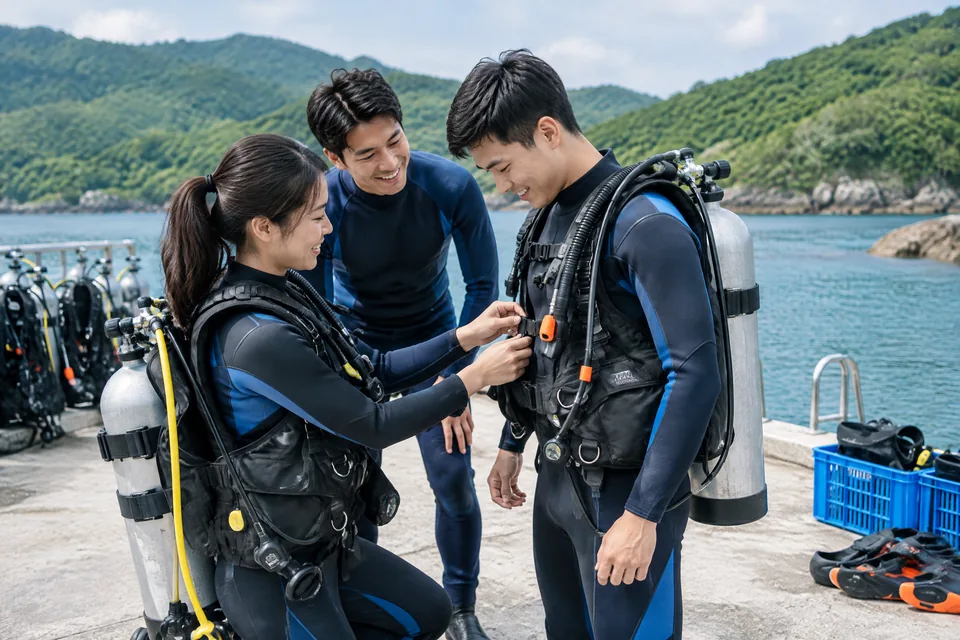
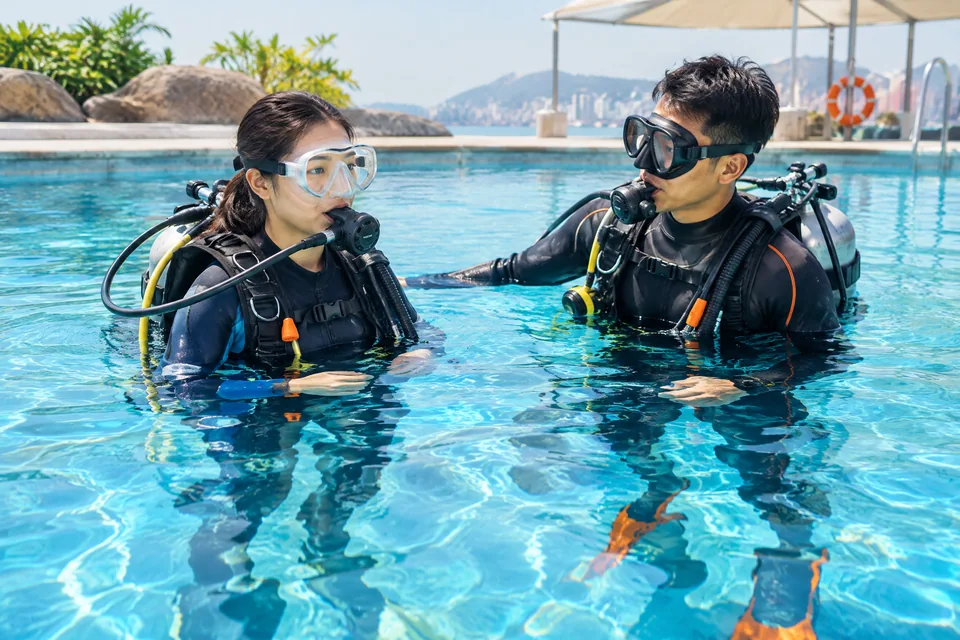
For a try-dive or other first water experience, do not decide that a piece is acceptable because the activity sounds gentle or short. The operator may have its own forms, equipment, supervision, and participant requirements. If you are reading about try scuba diving Hong Kong, use that information for activity questions only. Ask the hairpiece provider separately about storage and handling, and choose the shore plan until both sides are clear.
Pack the decision in a simple note rather than relying on memory. Include the date, activity type, appearance window, storage plan, unresolved questions, and the exact person or organisation expected to answer each question. If one answer arrives late, do not compress the process by modifying equipment or improvising a fixing method. Change the itinerary instead.
The safest boundary is easy to explain: appearance on shore, activity decisions with the activity authority, and medical questions with a qualified medical authority.
Illustration · Concept illustration: a shore-only change plan, not a DT HUB store, medical setting, product, client, or result.
A sensible next step
Take the question with you
The useful outcome is not a promise that a hairpiece can enter the water. It is a decision record that says what appearance you want, how the piece will be handled on shore, who checks equipment compatibility, and who handles personal activity or medical questions. When one of those answers is missing, keep the look on shore and change the itinerary rather than changing safety equipment.
For DiveHarbour, ask about diving or coastal activity formats, participant requirements, and operator questions through the relevant activity channel. For DT HUB, ask the relevant provider about hairpiece products, fitting, consultation scope, handling, and charges. These are separate services: neither one supplies a personal medical decision, and a hairpiece enquiry is not an activity clearance.
Questions to ask
Common questions
Can I assume a hairpiece is suitable for swimming or scuba diving?
No. Do not infer water suitability, attachment security, dryness, or equipment compatibility from appearance, material, or another person’s experience. Ask the hairpiece provider about its scope and the activity operator about the exact equipment and activity. Until both are clear, keep the arrangement shore-only.
Can a salon or hairpiece provider clear me for a water activity?
No. A provider may explain fitting and product handling, but personal activity or medical suitability belongs with the appropriate activity authority or qualified medical professional. Complete current activity paperwork honestly and do not treat a styling conversation as medical clearance.
Does a wig price or consultation page confirm what I can do in the water?
No. A commercial page may describe a product, service, consultation scope, or charges. It does not establish a safety-equipment fit, water-use permission, or personal medical decision. Confirm commercial details with the provider and activity details with the operator.
What should I prepare before asking about a hairpiece and a coastal day?
Prepare the appearance window, activity sequence, clothing and equipment list, storage point, current piece details, and questions grouped by owner. Include any relevant personal health questions for the qualified authority handling them. Write a shore-only alternative before the day begins.
DAN says the questionnaire helps avoid emergencies, advises honest completion, and states that instructors, divemasters, and dive-shop personnel are not physicians for medical clearance.
UHMS describes the three-part screening system and says it identifies potential participants who may need medical evaluation before diving.
Continue exploring
Three useful next reads
Keep comparing practical questions before you choose a course, activity or preparation step.
Coastal life and image planning · Updated 2026-11-06
Outdoor-light reference brief for coastal photo planning
Use an outdoor-light reference brief to plan light, framing, neckline and styling limits for a coastal shoot. Read the checklist and ask better questions.
Coastal life and image planning · Updated 2026-11-06
Wind curl goal: a practical coastal styling brief | DiveHarbour
Build a wind curl goal for coastal days by describing wind, silhouette, outfit, and reset time. Read the practical brief before asking a styling provider.
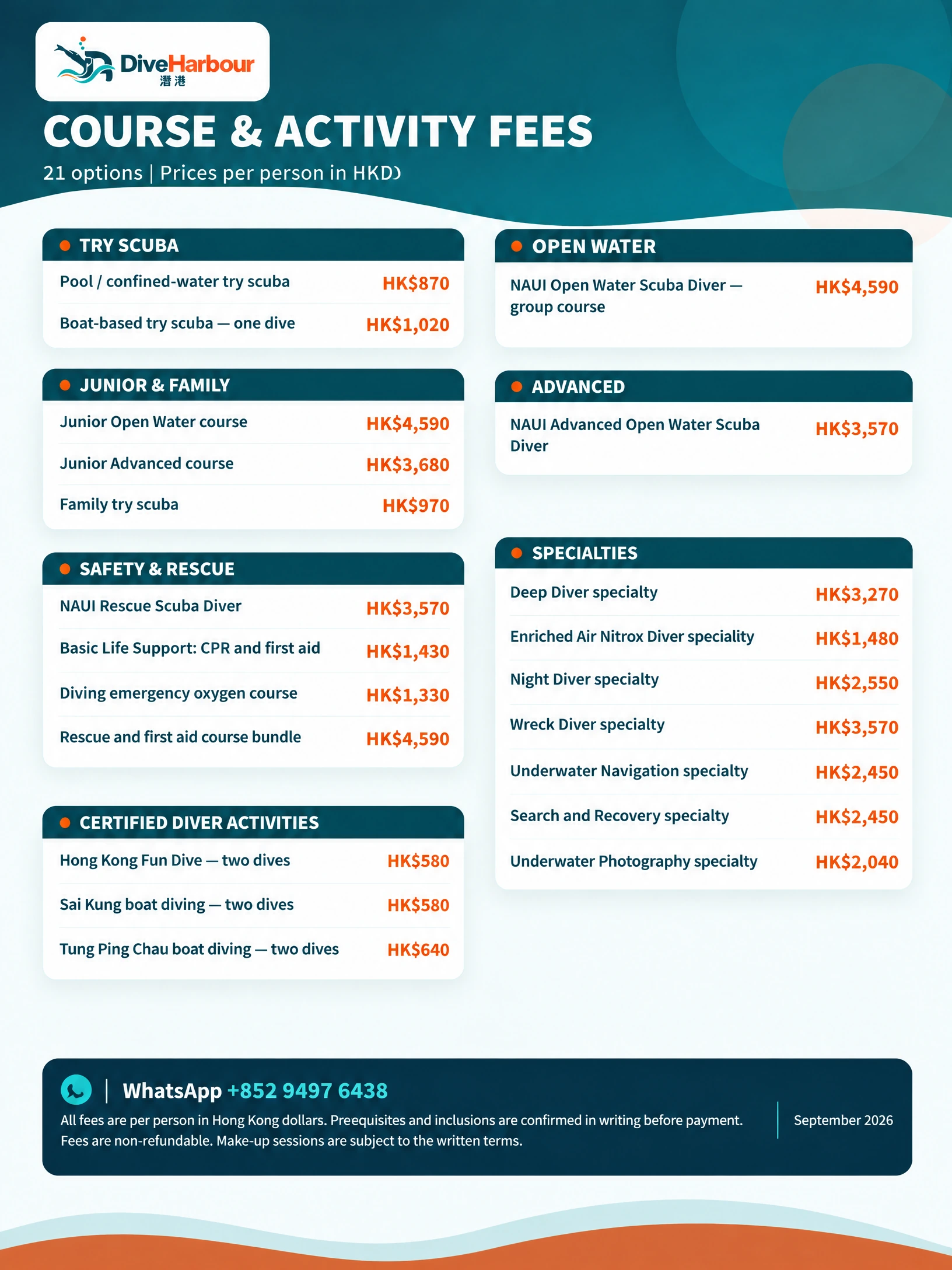
Compare our published course and activity fees before choosing your next step. All prices are per person in Hong Kong dollars.
Before you book, we confirm prerequisites, materials, certification, equipment, venue and boat arrangements in writing. Ask us about fees for courses not listed here.
Read the Sai Kung diving Hong Kong guide to learn about the setting, then explore the Sai Kung scuba diving course page. Certified divers can use our Hong Kong fun dive guide to check experience requirements and activity arrangements. Locations remain subject to weather and sea conditions.
Explore the responsibilities and entry requirements in our Divemaster course Hong Kong guide, then review the scuba instructor course Hong Kong route. Professional training differs from recreational progression, so confirm experience requirements and assessment arrangements first.