Hair-Loss Timeline for Coastal Plans and Better Consultations
A useful hair-loss timeline does not diagnose the cause. It gives a qualified professional a clearer account of when you first noticed change, how it developed, what your photographs show, and which questions remain unanswered. Keep that health record separate from an appearance consultation and from any decision about swimming, snorkelling, or diving.
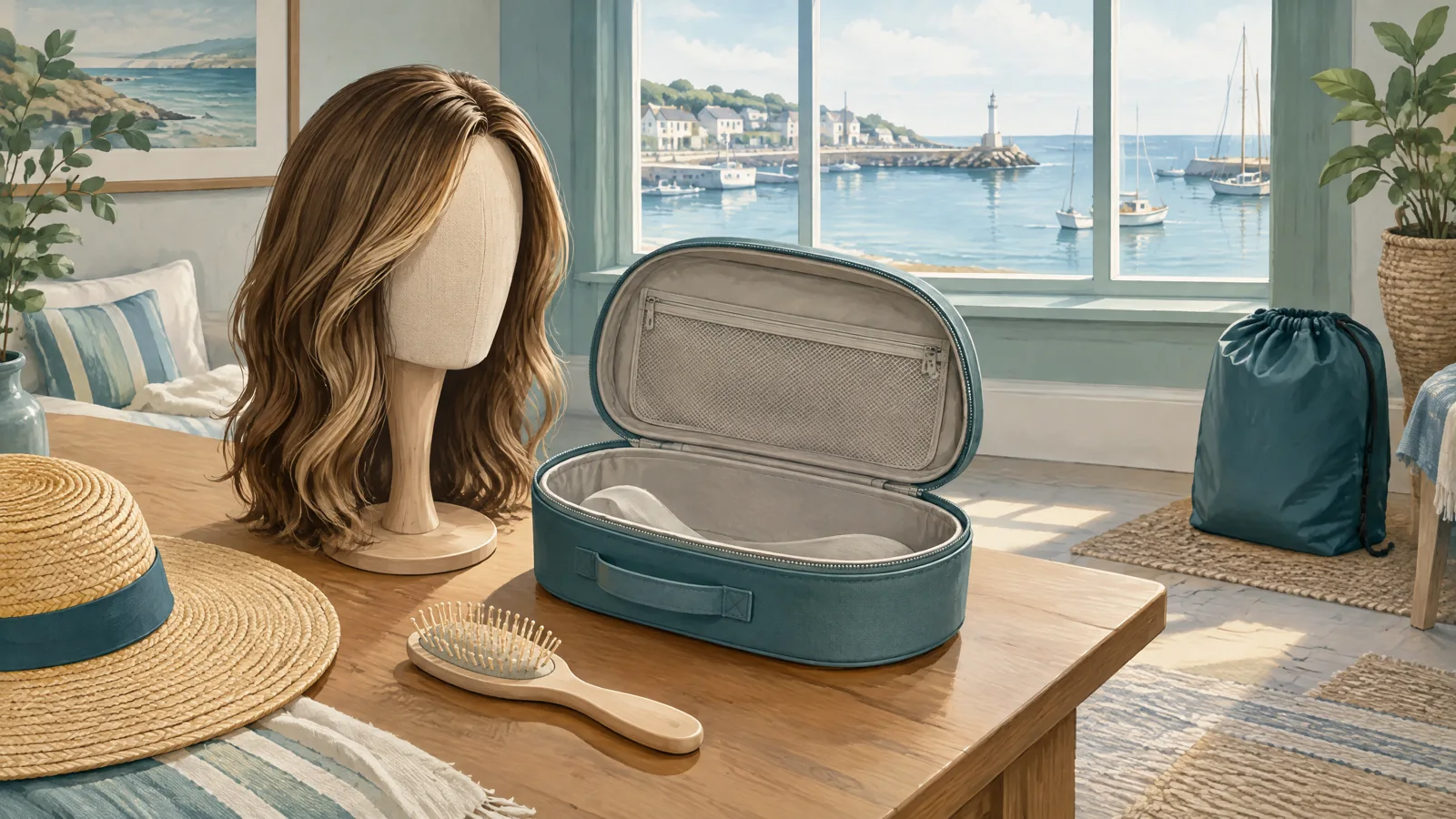
Illustration · Concept illustration of a dated consultation record; not a DT HUB shop, medical setting, product, client, student, or before-and-after result.
Instructor qualifications
One clear teaching conversation from first breath to next step
DiveHarbour brings together scuba teaching, swimming, lifesaving and water-rescue experience so you can ask practical questions before choosing a course.
PADI teaching backgroundTeaching experience across recognised scuba learning pathways.
SSI teaching backgroundClear explanations when you are comparing agency routes.
NAUI teaching backgroundA practical, standards-aware approach to learning and progression.
Swimming foundationWater confidence and calm, step-by-step practice matter.
Lifesaving experienceSurface awareness and prevention stay part of the conversation.
Pool rescue experienceControlled practice can build confidence before open water.
Beach rescue experienceLocal water context informs sensible preparation.
Kayak rescue experienceA wider water-safety perspective supports good judgement.
PWC rescue experienceAsk about the right learning route for your experience and goals.
Brand relationship: DiveHarbour and DT HUB share the same owner.
DiveHarbour and DT HUB are operated by the same owner. DT HUB links in this article point to external service and product information for reference, not independent third-party recommendations, medical-effect claims, or water-activity safety endorsements. DiveHarbour handles diving and coastal activities only; DT HUB salon, hair-system, academy, and hair-growth services require separate enquiries.
A useful fact to keep in mind
The AAD says a dermatologist will ask how long hair loss has been present and whether it came on quickly, then examine relevant areas to help assess the cause.
Record the first noticeable change, later changes, and any related event without guessing at a cause.
Use repeatable photographs with the same angles, lighting, distance, and date notes.
Ask about qualifications, assessment scope, risks, alternatives, follow-up, and what remains uncertain.
Treat appearance choices and water-activity decisions as separate conversations with separate responsible providers.
Start here
Hair-loss timeline: start with what you can observe
Make the hair-loss timeline a dated record, not a diagnosis
Start with the earliest moment you can describe without interpretation. Write the date or approximate month, the area you noticed, and what made it noticeable. It might have been more hair on a brush, a wider-looking part, a change in the hairline, or a patch seen in a photograph. Record what you saw rather than naming a condition. A qualified professional can interpret the pattern later.
Add a short entry whenever the appearance changes. Note whether the change seemed gradual or quick, whether it appeared in one area or several, and whether the pattern looked different in a new photograph. The American Academy of Dermatology says a dermatologist will ask how long hair loss has been present and whether it came on quickly. Those details help make the consultation more focused. [1]
If you are also considering an appearance option, do not let a comparison page decide what is medically appropriate. A page about hair system vs hair transplant is only service information to discuss separately. Ask a qualified medical professional about assessment first, then ask an appearance provider about comfort, maintenance, privacy, and scope.
Date the first noticeable change, even if the date is approximate.
Mark the location and describe the visible change in plain words.
Record whether the change seemed gradual, quick, diffuse, or limited to one area.
Add relevant context without deciding that it caused the change.
Write the question you want answered beside each important entry.
Swipe the table to compare all columns.
A practical hair-loss timeline record
Record point
What to write
Question it supports
First notice
Approximate date, location, and the visible change
When did I first become aware of it?
Later changes
Date, speed, area, and what looked different
Has the pattern changed, and how quickly?
Photo set
Date, angle, light, hair condition, and any styling
Can the provider compare like with like?
Context
Recent events, products, practices, or appointments without assigning cause
What background should I report accurately?
Open questions
The exact concern and what answer would help
What do I need clarified at the visit?
A record is useful when another person can understand what changed without having to reconstruct the story from memory.
Guide · 02
Build photographs you can actually compare
Use one repeatable setup for the hair-loss timeline
Photographs work best as communication records, not as proof of a diagnosis or a promised result. Choose a repeatable place and keep the camera distance, angle, and lighting as similar as practical. Take front, side, top, and back views when those views are relevant. Add the date and a brief note about whether the hair was dry, wet, styled, covered, or freshly washed.
Avoid filters, dramatic overhead light, and close crops that hide the surrounding hair. Keep the original files so you can see the context later. If a photograph makes you uncomfortable, record that concern and ask how the provider stores, uses, and deletes images. You do not need to send more personal information than the provider actually requires.
A local-area page such as kwun tong wig shop may help you identify a separate appearance enquiry, but it is not a medical assessment. The page should not be read as proof of a branch, opening hours, availability, or a particular result. Confirm the current service scope and privacy arrangements directly with the provider.
Illustration · Concept illustration of separate appearance and storage planning; not a real product, customer, or water-safety demonstration.
Guide · 03
Turn the record into useful questions
Ask what can be assessed, what is uncertain, and what comes next
Bring the timeline, photographs, a list of products or hair practices, and any notes from previous appointments. The AAD describes a consultation that begins with questions and a close look at the scalp, nails, and other areas with hair loss. It also describes a gentle hair-pull assessment. This means your notes should support a conversation rather than attempt to reproduce an examination. [1]
Ask who is qualified to assess the concern and what the appointment includes. Ask what information is still missing, whether any test could be considered, how risks would be explained, and what non-treatment alternatives exist. If you have already received an opinion, write down the exact wording and date. Do not convert a label on a service page into a personal conclusion.
If appearance planning is part of the same week, a page labelled mong kok wig shop is not a substitute for medical assessment. A regional service page does not establish a local branch or promise a fitting, stock, timing, or outcome. Use it only as a prompt for separate questions about appearance, privacy, storage, and care.
Guide · 04
Keep medical concerns separate from coastal plans
A hair-loss timeline cannot clear anyone for an activity
A hair-loss record answers a health-information question: what changed, when, and what needs assessment. It does not answer whether a person should swim, snorkel, dive, travel, or wear a particular product in water. DiveHarbour can discuss its own activity arrangements, while a qualified medical professional must address personal health questions. Neither a salon conversation nor a product page replaces that decision.
The NHS advises seeing a GP if you are worried about hair loss and says it is sensible to understand a possible cause before considering a commercial hair clinic. For a separate activity-health form, see scuba diving medical questionnaire Hong Kong. It also notes that some hair loss is temporary and that causes can differ. Use this guidance as a reason to seek appropriate assessment, not as a way to identify your own cause. [2]
If you are planning an activity, review the causeway bay wig shop page only as separate appearance information. It is not proof of a Causeway Bay branch, an appointment slot, or water compatibility. Before entering water, ask the product provider about handling and ask the activity or medical provider about suitability. If those answers are not confirmed, choose a shore-based plan instead.
Illustration · Concept illustration of a shore-day change plan; not a real service location, medical advice, or activity clearance.
Guide · 05
Use a decision table before you book anything
Match each question to the person who can answer it
A simple division of responsibility prevents a rushed coastal itinerary from blending unrelated decisions. Put the health record with the professional who can assess health concerns. Put fit, styling, storage, and appearance preferences with the relevant appearance provider. Put activity rules, equipment, and participation questions with the activity operator. Write down the answer and the date, because a general web page cannot confirm personal clearance.
For a hypothetical weekend photo session followed by a shore activity, the safest planning order is to finish the record first, request appropriate assessment, and then create an appearance brief. Only after those conversations should you decide whether the event needs a simpler shore-only version. This is not a promise that any product will stay in place, remain dry, or work with equipment. It is a way to avoid treating an appearance choice as a safety solution.
Swipe the table to compare all columns.
Separate the decision owners before a coastal day
Decision
Right question
Responsible conversation
Health concern
What assessment is appropriate, and what remains uncertain?
Qualified medical professional
Appearance choice
What fit, care, privacy, and service limits should I understand?
Appearance or hair-system provider
Activity plan
What are the operator’s rules and what personal confirmation is needed?
Activity operator and personal medical adviser
Travel and timing
What can be postponed if the earlier decision is unresolved?
Reader, with each provider’s scope kept separate
Guide · 06
Review the timeline after the consultation
Keep unanswered questions visible instead of filling gaps with guesses
After an appointment, add the date, the provider’s role, the main observations, and the questions that remain open. Record any proposed next step in the provider’s own words, including whether another assessment is needed. If the explanation was difficult to follow, ask for clarification rather than relying on a social post, a product label, or a friend’s experience. A clear record helps you compare conversations without pretending they are the same kind of advice.
For a coastal event, make a second note called “appearance plan” and keep it separate from the health timeline. Include the outfit, privacy needs, preferred silhouette, storage arrangements, and the point at which you will stop changing the plan. Keep a third note for DiveHarbour activity questions. If you need help organising that separate form, see how to complete a scuba diving medical questionnaire. This separation makes it easier to pause one decision without cancelling every part of the day.
Illustration · Concept illustration of an appearance brief and timeline review; not a real client result, clinic, product claim, or provider guarantee.
A sensible next step
Take the question with you
A good hair-loss timeline is a calm handover document. Date what you noticed, compare photographs taken under similar conditions, list the questions you need answered, and keep medical assessment separate from appearance planning. If a coastal activity is also on the calendar, give that decision its own confirmation path rather than asking a hair record or product page to do more than it can.
Before contacting any provider, prepare the timeline, photo notes, and open questions. For DiveHarbour, ask separately about diving or coastal activity arrangements. For DT HUB salon, hair-system, academy, or hair-growth services, make a separate enquiry about scope, qualifications, privacy, risks, alternatives, and current availability. No link in this article is a medical recommendation or activity clearance.
Questions to ask
Common questions
How far back should my hair-loss timeline go?
Go back to the earliest change you can describe with reasonable confidence. An approximate month is useful. Add later changes as dated entries instead of inventing precision.
Should I take photographs before a consultation?
Consistent photographs can help explain change, but they are communication records rather than a diagnosis or proof of an outcome. Use repeatable angles, light, distance, and date notes.
What if I notice pain, redness, or sudden patchy loss?
Do not try to explain those signs from a timeline alone. Seek qualified medical assessment promptly, and do not use a salon, hair system, or coastal activity plan as a substitute.
Can a hair-loss timeline tell me whether I can dive?
No. It can organise information for a health conversation, but personal activity suitability must be confirmed separately with the appropriate medical professional and activity operator.
The page states that a dermatologist asks how long hair loss has been present and whether it came on quickly, examines relevant areas, and may consider further tests when indicated.
The NHS advises seeing a GP if worried about hair loss and says it is important to get an idea of the cause before thinking about a commercial hair clinic.
Continue exploring
Three useful next reads
Keep comparing practical questions before you choose a course, activity or preparation step.
Coastal life and image planning · Updated 2026-11-06
Scalp consult file: record coastal-day changes clearly
Build a scalp consult file after a coastal day: record timing, changes, products, and questions. Read the checklist and ask a qualified provider.
Coastal life and image planning · Updated 2026-11-06
Outdoor-light reference brief for coastal photo planning
Use an outdoor-light reference brief to plan light, framing, neckline and styling limits for a coastal shoot. Read the checklist and ask better questions.
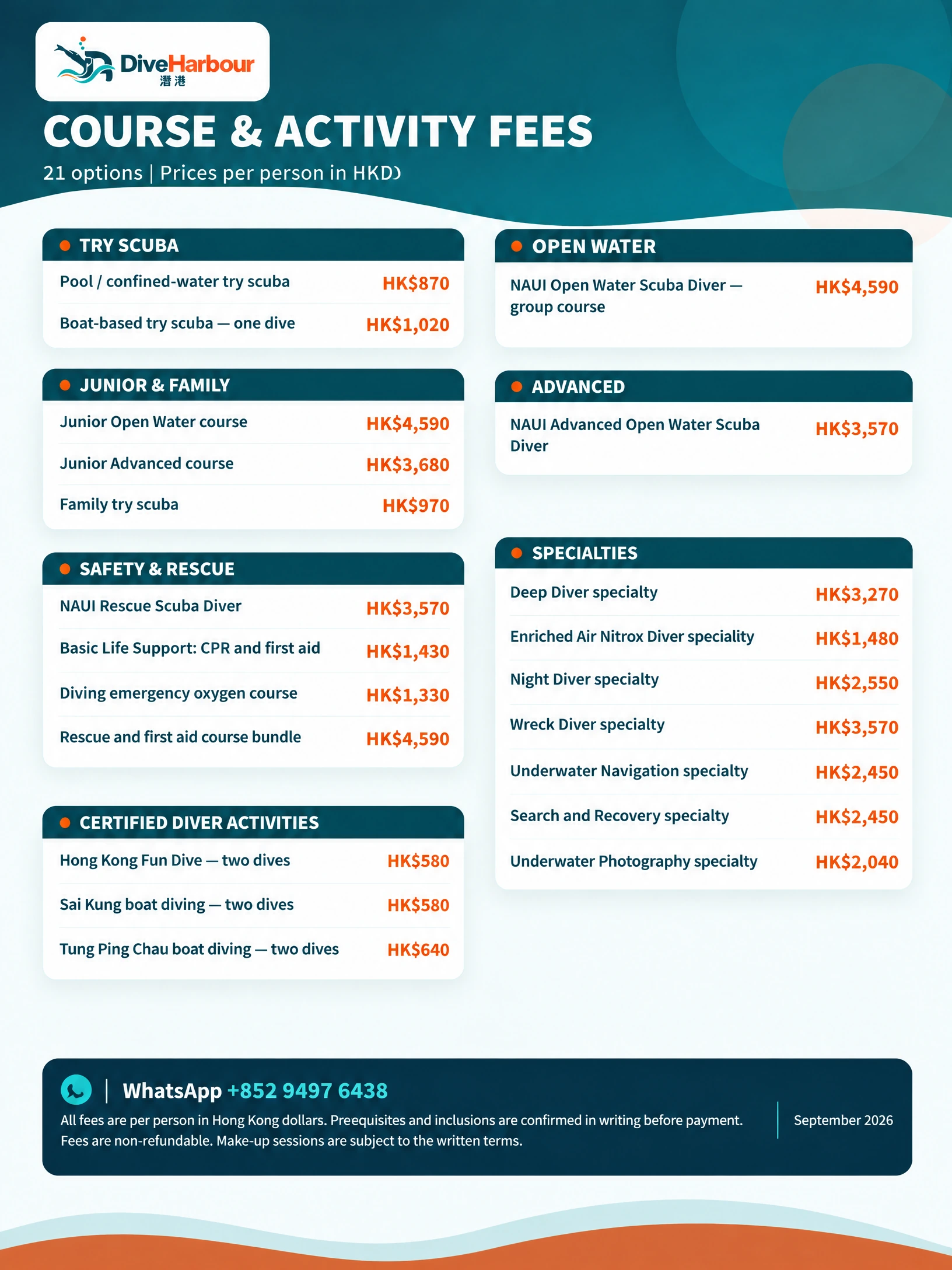
Compare our published course and activity fees before choosing your next step. All prices are per person in Hong Kong dollars.
Before you book, we confirm prerequisites, materials, certification, equipment, venue and boat arrangements in writing. Ask us about fees for courses not listed here.
Read the Sai Kung diving Hong Kong guide to learn about the setting, then explore the Sai Kung scuba diving course page. Certified divers can use our Hong Kong fun dive guide to check experience requirements and activity arrangements. Locations remain subject to weather and sea conditions.
Explore the responsibilities and entry requirements in our Divemaster course Hong Kong guide, then review the scuba instructor course Hong Kong route. Professional training differs from recreational progression, so confirm experience requirements and assessment arrangements first.