Men’s Crown Photo Plan: Coverage for Shore Portraits
A men’s crown photo plan starts by separating the appearance question from the activity plan. Decide how much crown coverage you want, compare a partial piece with a full wig, and test hat-on and hat-off frames in the actual shore light. Use angles as preferences to review, not promises. Keep the piece ashore unless its provider and the responsible activity professional give clear, product-specific guidance.
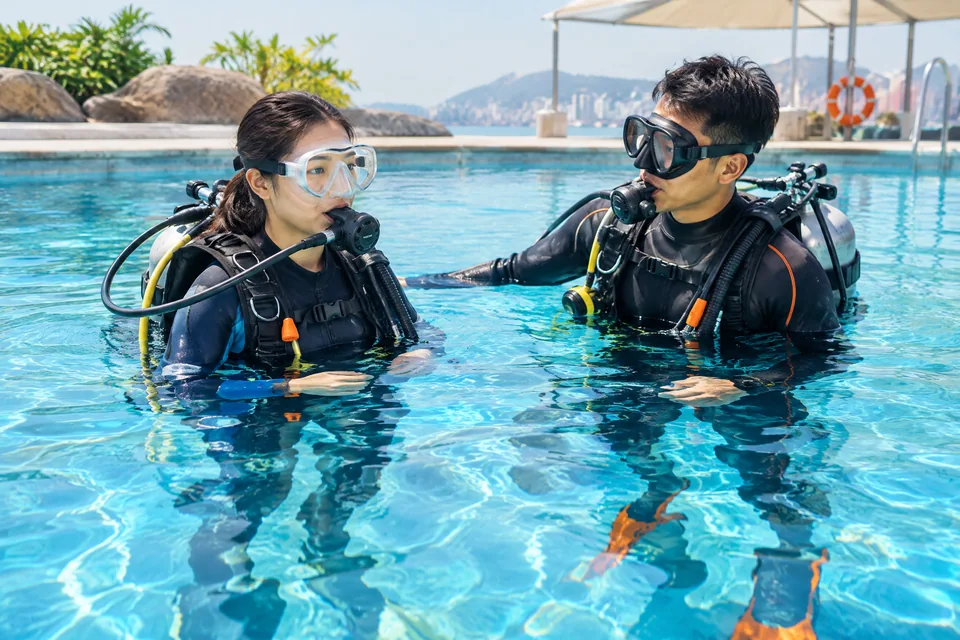
Illustration · Concept illustration: a shore portrait planning scene, not a real customer or finished result.
Instructor qualifications
One clear teaching conversation from first breath to next step
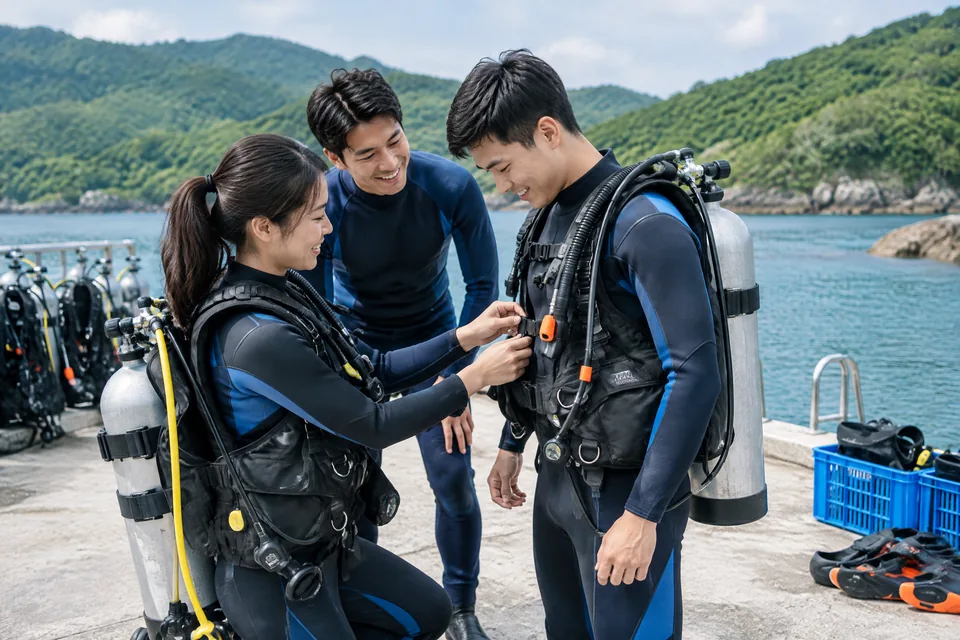
DiveHarbour brings together scuba teaching, swimming, lifesaving and water-rescue experience so you can ask practical questions before choosing a course.
PADI teaching backgroundTeaching experience across recognised scuba learning pathways.
SSI teaching backgroundClear explanations when you are comparing agency routes.
NAUI teaching backgroundA practical, standards-aware approach to learning and progression.
Swimming foundationWater confidence and calm, step-by-step practice matter.
Lifesaving experienceSurface awareness and prevention stay part of the conversation.
Pool rescue experienceControlled practice can build confidence before open water.
Beach rescue experienceLocal water context informs sensible preparation.
Kayak rescue experienceA wider water-safety perspective supports good judgement.
PWC rescue experienceAsk about the right learning route for your experience and goals.
Brand relationship: DiveHarbour and OWNSTRAND share the same owner.
DiveHarbour and OWNSTRAND have the same owner. OWNSTRAND links are external product-selection references, not independent third-party recommendations, medical advice, product-effect claims, or water-activity safety backing. DiveHarbour handles coastal activity enquiries, while OWNSTRAND handles product enquiries. This article is a shore-portrait planning guide and does not treat any hairpiece as waterproof or suitable for swimming or diving.
A useful fact to keep in mind
NAAF distinguishes toppers or partial hairpieces for partial loss, especially at the crown, from full wigs that provide total scalp coverage. [2]
Describe the crown area and the photographs you want before discussing a product.
Compare a partial piece, hair system, and full wig by coverage, base, and change routine.
Test eye-level, slightly higher, side-lit, hat-on, and hat-off frames before the event.
Keep hairpiece handling separate from water activity, safety equipment, and medical decisions.
Start here
Start with a men’s crown photo plan
A men’s crown photo plan should define the picture before the product
A shore portrait plan is more useful when it describes the image rather than starting with a product name. Note whether you want a close head-and-shoulders frame, a walking photograph, a seated group image, or a hat portrait. Then mark which views matter most: front, three-quarter, side, or a gentle look downward. A crown that is barely visible in one frame may be more noticeable in another because the camera, light, and head position have changed.
Use neutral language for the hair concern. You might write, “I want less emphasis on the crown in bright side light,” or, “I want the part and surrounding hair to look coherent from a three-quarter view.” That records a styling goal without trying to diagnose why the area is thinning. The American Academy of Dermatology notes that male-pattern hair loss can begin with a bald spot on the top of the head and that different causes require different professional assessment. [1]
Bring three reference sets to the discussion: photographs of your current hair from several heights, examples of the shore clothing and hat you expect to wear, and a short list of the frames you want tested. Do not use heavily filtered pictures as the only reference. A provider needs to see the crown, hairline, density, colour, and the amount of existing hair that a partial piece would need to blend with.
Name the event, setting, and whether the portrait is close, medium, or full length.
Mark the views that matter: front, three-quarter, side, and hat-on.
Bring unfiltered current-hair photographs taken in more than one light direction.
Write down whether the priority is coverage, a natural part, movement, or a quick change.
Swipe the table to compare all columns.
Coverage questions to bring to a men’s crown photo plan consultation
Question
Partial piece or topper
Full wig
Coverage goal
Localised crown coverage that may blend with existing hair
Coverage across the entire scalp
What to verify
Base outline, blend area, density, and attachment method
Cap size, hairline, crown, nape, and private change routine
Portrait test
Check crown and blend from front, three-quarter, and side views
Check full silhouette, hairline, hat interaction, and movement
The aim is not to make every angle identical. It is to choose a coverage and photography plan that still feels like you when the shore light changes.
Guide · 02
Compare crown coverage before choosing a base
Partial piece, hair system, and full wig answer different coverage questions
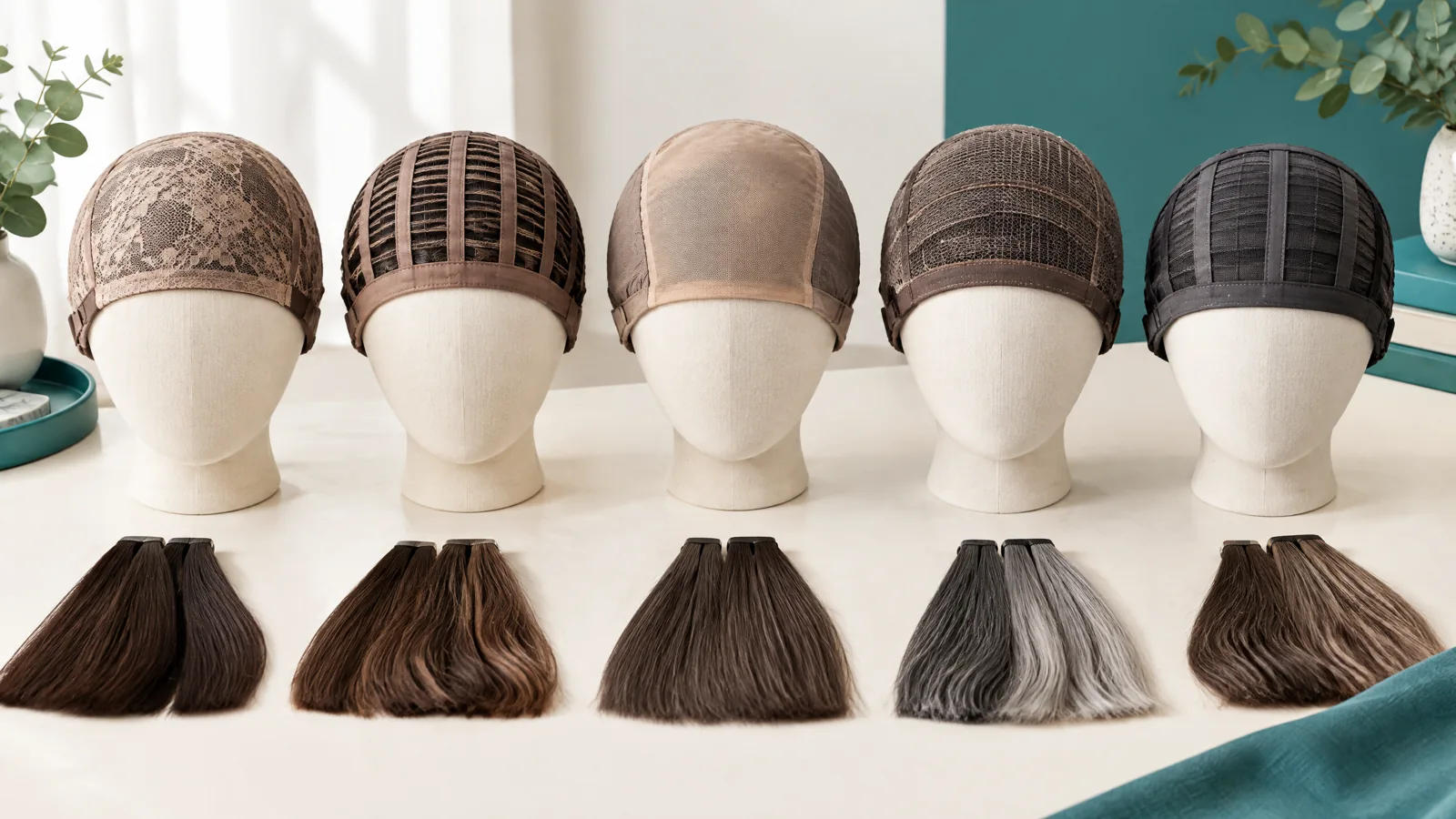
A partial piece or topper is usually considered when the concern is localised and enough existing hair remains for blending or the stated attachment method. A full wig covers the entire scalp, so it is a different decision about coverage, fit, hairline, and change routine. A hair system is a separate product term that may describe a particular men’s partial or broader replacement design. Do not use these names as if they were interchangeable; ask what area the actual base covers and how it is intended to be worn.
If your enquiry is specifically about a hair system, ask the provider to identify the base shape, fibre, density, attachment method, and care instructions in plain language. Also ask which existing hair must remain for the proposed design. A portrait plan cannot confirm fit, and a custom conversation cannot establish that a piece is suitable for swimming, diving, or another activity.
Draw the desired coverage area on a simple top-view head diagram.
Ask whether the piece blends with existing hair or covers the whole scalp.
Record the base, fibre, density, attachment method, and care instructions separately.
Ask what private change and storage routine the shore portrait would require.
A larger coverage area is not automatically a better result. It may change the hairline, fit, heat, styling work, and time needed to change privately.
Illustration · compare coverage and cap questions; not an actual OWNSTRAND product display.
Guide · 03
Test angles and shore light before the portrait
Use repeatable frames instead of trusting one flattering preview
Make a small test set before the event. Keep the subject in the same place and take one frame at eye level, one slightly higher, and one from a modest three-quarter view. Repeat the set with the face turned a little toward and away from the light. This lets you compare the crown, part, temples, and hairline without changing several variables at once. The photographer should show the unedited files or neutral previews before anyone decides that one angle is the answer.
Outdoor shore light can be hard and directional. A bright patch above the head may reveal texture or a part more strongly than a softer position near open shade. Try moving the subject a short distance, turning the shoulders, or changing the background rather than immediately adding more hair or pulling a hat lower. The purpose is to find a comfortable range of frames, not to hide the person’s face or create a false promise about coverage.
Ask the photographer to keep the camera distance and lens choice consistent during the first comparison. A very close wide view can exaggerate perspective, while a more distant camera position can make proportions feel calmer. These are photography variables, not properties of a hairpiece. Save the two or three frames that feel most natural and use them as conversation references when discussing the final styling.
Shoot eye level, slightly higher, and three-quarter views in the same session.
Repeat each view with softer and more directional light if possible.
Keep camera distance and lens choice stable during the first comparison.
Choose a comfortable range of frames instead of one supposedly perfect angle.
A test frame is a decision aid. It is not evidence that a particular angle will conceal thinning in every photograph.
Guide · 04
Plan hats without making them the solution
A hat can be a styling option, while the portrait still needs a clear hair plan
Decide whether the hat is part of the portrait, a travel accessory, or only a backup for a private transition. Photograph the planned hat on and off. Check its crown height, brim shadow, colour, and how it changes the visibility of the part and hairline. Leave enough room for the actual hairstyle and do not assume that a tight fit, extra layer, or hidden fastening will be comfortable or appropriate for a long shore day.
If a catalogue places men’s coverage beside women's wigs, treat that as a navigation category, not a reason to transfer assumptions about sizing, base shape, density, or styling. The phrase does not answer a crown-coverage question. Ask about the actual item you are considering, and keep full-wig coverage distinct from a partial piece or a men’s hair system.
Use a simple hat decision rule: if the hat improves the photograph and feels like your normal style, include it; if it only covers one angle, keep it as an optional frame. Do not alter a helmet, mask, buoyancy device, or other safety equipment to accommodate a hat or hairpiece. A portrait accessory must never be used as a substitute for the responsible activity professional’s instructions.
Photograph the same outfit with the hat on and off.
Check brim shadow, crown height, colour, and the visible hairline.
Treat catalogue categories as labels, not evidence of interchangeable fit.
Never modify safety equipment to make a hat or hairpiece fit.
Swipe the table to compare all columns.
A repeatable shore portrait test sequence
Frame
Keep constant
Review
Eye level
Camera distance, outfit, and light direction
Crown, part, hairline, and overall expression
Slightly higher
Same position and lens as the first frame
Whether the top view feels natural or too revealing
Three-quarter
Same styling with a small head turn
Blend, temple area, hat edge, and preferred face view
Hat on and off
Same background and relaxed posture
Which option feels like a choice rather than a cover-up
If the hat only works when pulled tight or positioned over equipment, it is not a reliable portrait plan. Choose a shore-only styling alternative.
Illustration · Concept illustration: a private selection discussion, not a real customer consultation.
Guide · 05
Turn the consultation into a practical shot list
Ask about construction, privacy, and the exact finished look
Take the test images and turn them into questions. Ask whether the requested crown coverage will leave enough existing hair visible for a believable blend, whether the part can be placed as shown, and how the piece should be handled before and after the portrait. If you are considering a hand tied wig, ask what that construction means for the specific item. Hand-tied is a construction description, not a universal promise about density, fit, durability, or activity use.
NAAF explains that monofilament construction can imitate a scalp appearance at the crown or part, while hand-tied construction attaches individual hairs to the cap. [2] That information helps you ask a sharper question, but it does not select a product for you. Confirm the actual base, fibre, hair direction, adjustment points, and styling limits. Product styles, bases, and materials should stay distinct even when their photographs look similar.
For an in-person discussion, the only confirmed OWNSTRAND shop is Unit 2103, 50 Hoi Yuen Road, Kwun Tong, Hong Kong. Search terms for other districts are not branches, so do not assume a local shop, local stock, or a particular service from an area page. Ask the provider directly about the product and fitting questions that matter to your shot list, without relying on a price, timing, phone, or availability promise.
Show the preferred frame and identify the crown area you want to discuss.
Ask what the named construction means for the exact product, not the category alone.
Confirm the piece’s base, fibre, density, adjustment points, and care limits.
Request a private, product-specific discussion when the subject matter is sensitive.
A good consultation gives you clearer questions and boundaries. It does not guarantee a particular photographed result.
Guide · 06
Keep the portrait plan separate from water activity
Finish the men’s crown photo plan with a shore-only fallback
A shore portrait may happen on the same day as a swim, dive, boat trip, or other water activity, but the two plans should not be merged. A hairpiece, hat, adhesive, clip, tie, or cap construction is not automatically waterproof or secure in water. Do not add adhesive, improvise a strap, or modify activity equipment. Before the activity, follow the actual product instructions and the responsible operator’s requirements. If either side is unclear, leave the piece ashore and use a private change point.
For the activity itself, use men's shore-day haircut routine only as a separate shore-style planning reference, not as product approval. If a shorter outline is part of the plan, the coastal men's undercut shape guide can help organise a haircut conversation. Neither link replaces product-specific instructions or activity clearance.
If someone is managing chemotherapy-related or postpartum appearance changes, this article still addresses appearance planning only. A healthcare team should answer medical, scalp, treatment, fatigue, or activity-clearance questions. A product provider should answer questions about a particular piece, base, attachment method, and care routine. Keeping those responsibilities separate makes the shore portrait plan calmer and gives you a realistic backup if the day changes.
Choose the private change point before combining a portrait with another activity.
Keep the hairpiece and hat ashore unless specific responsible professionals say otherwise.
Do not improvise adhesives, straps, clips, ties, or safety-equipment changes.
Prepare a hat-only or natural-hair shore portrait as a genuine backup.
The safest fallback is not a stronger fastening idea. It is a shore-only portrait plan that does not depend on carrying the piece into water.
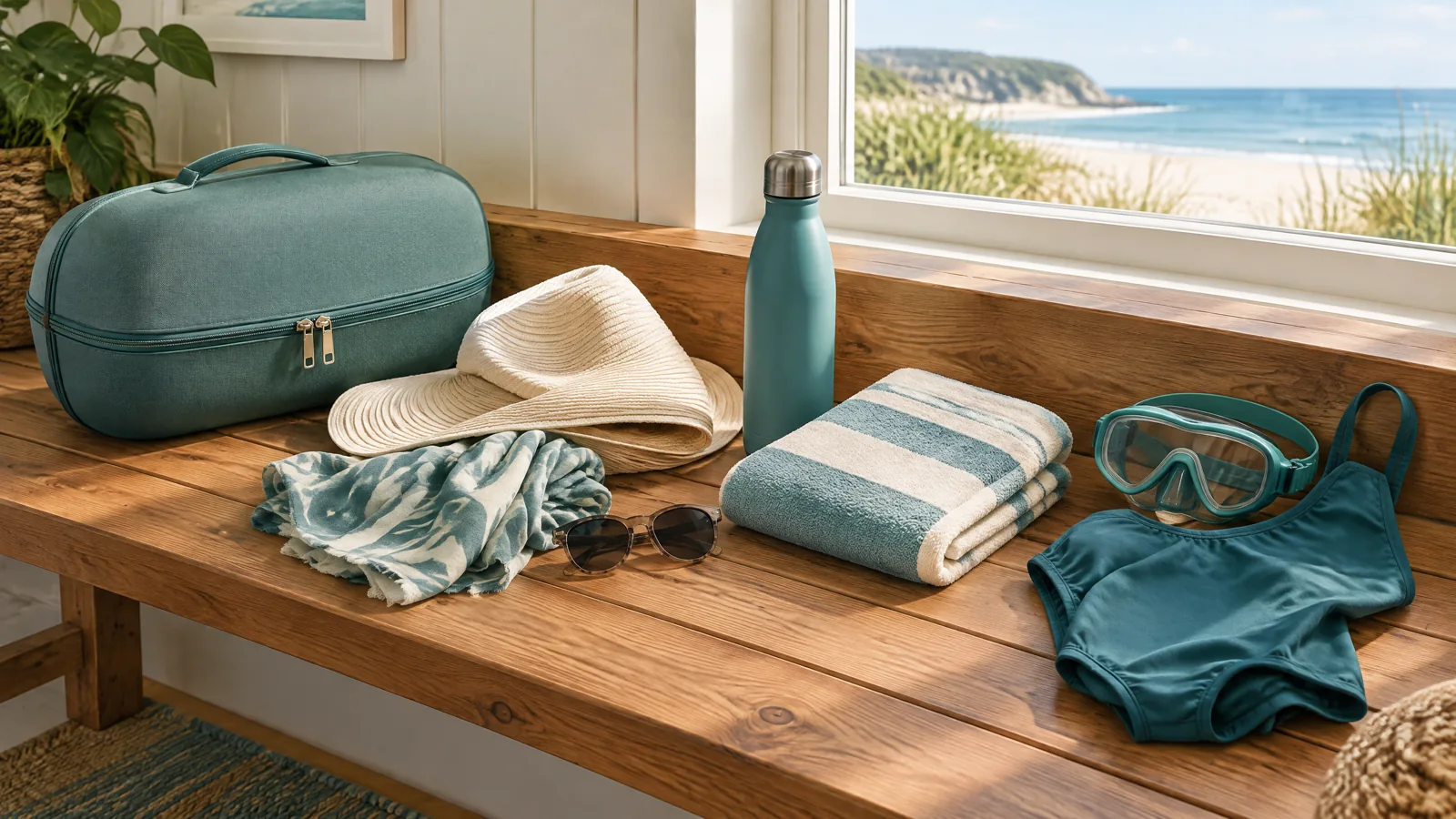
Illustration · a shore-only portrait fallback with separate dry storage, not water-use evidence.
A sensible next step
Take the question with you
A strong men’s crown photo plan is a short decision process: describe the frames, compare the actual coverage options, test light and camera height, and decide whether the hat belongs in the portrait. Keep product questions with the product provider and water-activity questions with the responsible activity professional. Prepare a shore-only fallback so the photograph does not depend on wearing a piece in water.
For a DiveHarbour shore or water-activity enquiry, ask DiveHarbour about the activity plan and its responsible requirements. For a hairpiece enquiry about crown coverage, base, fibre, fitting, or care, ask OWNSTRAND through the relevant product link. These are separate responsibilities, and neither enquiry is a promise of price, timing, stock, fit, or activity approval.
Questions to ask
Common questions
Is a partial piece automatically better than a full wig for a crown portrait?
No. It depends on the coverage area, existing hair, desired hairline, fit, styling routine, and privacy needs. Ask the provider to compare the actual bases rather than choosing by label.
Which camera angle hides crown thinning best?
There is no universal angle. Test eye level, slightly higher, and three-quarter views in the planned light, then choose the frames that feel natural and respectful.
Can I wear the hair system or wig while swimming or diving after the portrait?
This article does not approve swimming or diving with a hairpiece. Follow the product provider and responsible activity professional, and choose a shore-only alternative when instructions are unclear.
Does hand-tied mean the piece will suit every crown photo or hat?
No. Hand-tied describes a construction method. The actual density, base size, hair direction, fit, fibre, hat interaction, and care instructions still need separate confirmation.
The American Academy of Dermatology says male-pattern hair loss can begin as a receding hairline or bald spot on the top of the head, and that a dermatologist can identify the type of hair loss because different types require different treatments.
The National Alopecia Areata Foundation describes toppers or partial hairpieces as options for partial loss, especially at the crown, and full wigs as offering total scalp coverage; it separately explains monofilament and hand-tied cap construction.
Continue exploring
Three useful next reads
Keep comparing practical questions before you choose a course, activity or preparation step.
Coastal life and hairpieces · Updated 2026-11-06
Men's shore style choice: full wig or hairpiece guide
Men's shore style choice explained: compare coverage, wind, hats, portraits, and shore-day transitions, then ask the right product and activity questions.
Compare our published course and activity fees before choosing your next step. All prices are per person in Hong Kong dollars.
Before you book, we confirm prerequisites, materials, certification, equipment, venue and boat arrangements in writing. Ask us about fees for courses not listed here.
Read the Sai Kung diving Hong Kong guide to learn about the setting, then explore the Sai Kung scuba diving course page. Certified divers can use our Hong Kong fun dive guide to check experience requirements and activity arrangements. Locations remain subject to weather and sea conditions.
Explore the responsibilities and entry requirements in our Divemaster course Hong Kong guide, then review the scuba instructor course Hong Kong route. Professional training differs from recreational progression, so confirm experience requirements and assessment arrangements first.