
SAFE LEARNING · HAPPY EXPLORING
DiveHarbour

DiveHarbour · Practical guide

Men's swim-after colour plan: schedule a clear consult

A good men's swim-after colour plan starts before you ask for a shade. Record your last swim, pool or sea exposure, current hair condition, past colour or bleach, and your next trip. Then ask whether colour, tinting, no-bleach colour, or men's hair colour best describes the goal. Treat timing as a consultation question, not a universal waiting rule.

By DiveHarbour9 min read
Ask about diving courses or coastal trip planning Read the guide
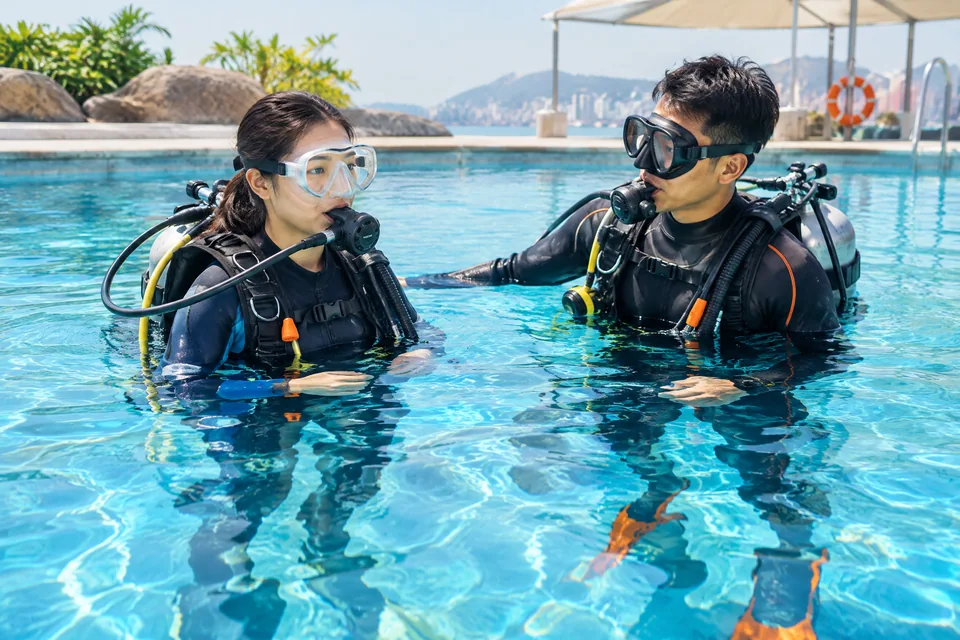
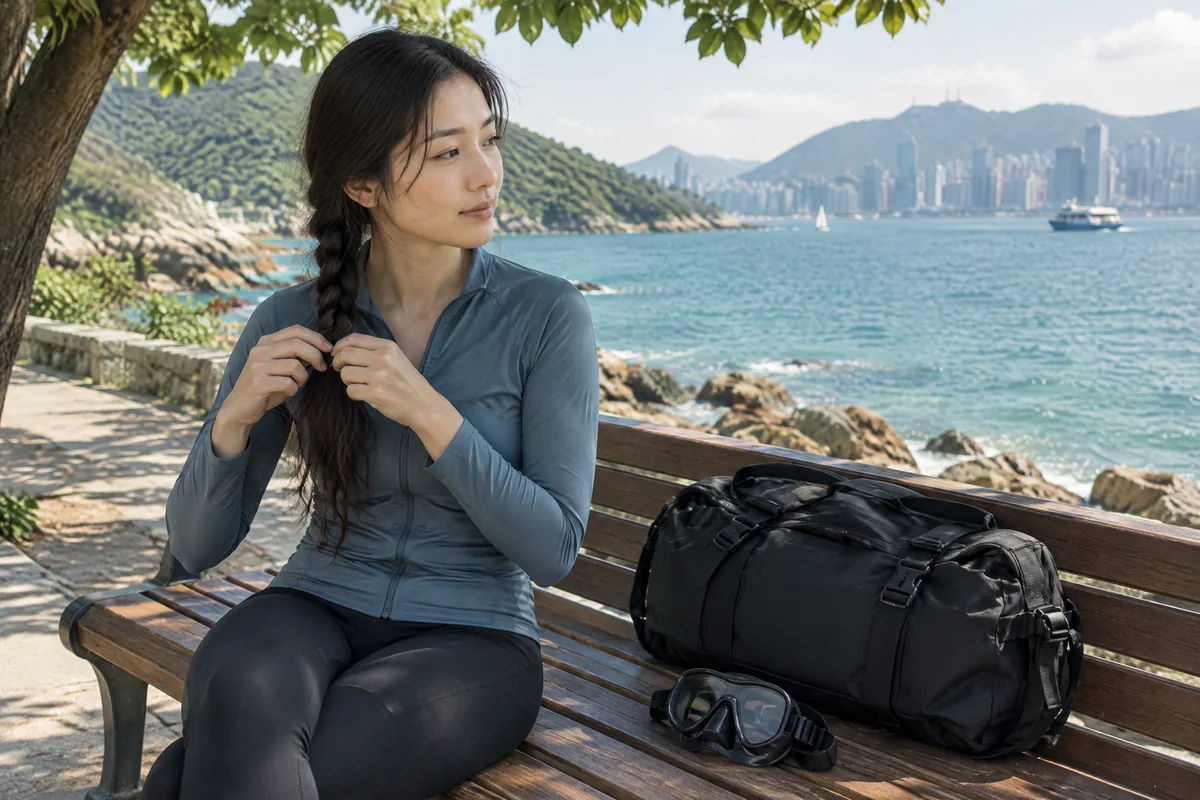
Illustration of a men's swim-after colour plan with coastal hair preparation notes
Illustration · coastal hair preparation before a colour consultation.

Instructor qualifications

One clear teaching conversation from first breath to next step

DiveHarbour brings together scuba teaching, swimming, lifesaving and water-rescue experience so you can ask practical questions before choosing a course.

  • PADI teaching backgroundTeaching experience across recognised scuba learning pathways.
  • SSI teaching backgroundClear explanations when you are comparing agency routes.
  • NAUI teaching backgroundA practical, standards-aware approach to learning and progression.
  • Swimming foundationWater confidence and calm, step-by-step practice matter.
  • Lifesaving experienceSurface awareness and prevention stay part of the conversation.
  • Pool rescue experienceControlled practice can build confidence before open water.
  • Beach rescue experienceLocal water context informs sensible preparation.
  • Kayak rescue experienceA wider water-safety perspective supports good judgement.
  • PWC rescue experienceAsk about the right learning route for your experience and goals.

Brand relationship: DiveHarbour and Vit So share the same owner.

This guide is prepared by DiveHarbour. Links to Vit So provide external hair-service information for research and enquiry; they are not a diving-safety, medical, or service-results guarantee.

A useful fact to keep in mind

The American Academy of Dermatology advises rinsing hair immediately after swimming, then washing and conditioning it; this is general care guidance, not a promise about a future colour result.

Check the source
Key takeaways

Four points to carry forward

  • Write down whether recent exposure was pool, sea, or both, and how soon you rinsed afterwards.
  • List every recent colour, bleach, perm, straightening service, and home product you can remember.
  • Separate the result you want from the service label: colour, tinting, no bleach, or men's colour.
  • Send clear photos and trip dates, then ask the colourist to assess suitability rather than promising a result.
Start here

Build your men's swim-after colour plan from facts

A men's swim-after colour plan starts with a short record, not a shade name

If you swim often, your hair consultation should begin with what happened to your hair, not with a promise about the final colour. Pool water, sea water, sun, headwear, frequent washing and heat drying can all be part of the story. None of those details alone tells a stylist which service is suitable. A useful brief simply makes the current condition easier to discuss.

Start with the last time you swam and the setting. Note whether it was a chlorinated pool, open water, or both. Add whether you rinsed soon after, used a cap, stayed in strong sun, or went straight to another activity. You are not trying to calculate damage. You are creating a clear record that can be checked against what your hair looks and feels like today.

If the trip includes diving, keep the water and weather details in their own planning notes. The Hong Kong diving water temperature guide can help you review the diving environment, but it does not approve a colour service or replace a hair assessment. Treat the hair question and the dive-safety question as separate decisions.

  • Write the date of your most recent swim and the number of sessions in the past few weeks.
  • Mark pool, sea, or mixed exposure, plus whether you used a cap or head covering.
  • Describe the hair in plain terms: dry, rough, dull, tangled, faded, or simply different from usual.
  • Take one dry photo in daylight and one photo showing the current ends and hairline.

Swipe the table to compare all columns.

A simple record to prepare before a colour enquiry
RecordWhat to noteWhy it helps the discussion
Recent water exposurePool, sea, mixed, frequency, and last swim dateSeparates the activity context from assumptions about the colour result
After-swim conditionFeel and appearance after a fresh-water rinse and normal dryingGives a more useful baseline than describing wet hair alone
Treatment historyColour, tint, bleach, highlights, perm, straightening, or home productsShows what the stylist may need to assess before choosing a route
Upcoming scheduleNext swim, beach trip, dive, or eventLets you ask a timing question without inventing a universal deadline
Guide · 02

Start with post-swim condition

Your hair’s present feel is more useful than a vague request for protection

A post-swim note should distinguish a temporary feeling from a longer-standing change. Hair may feel rough after a session because it is wet, salty, or coated with residue. It may also look less even because it has dried in a new direction. Wait until you have rinsed and dried it in your normal way before describing the lasting concern. This gives the consultation a more useful baseline.

The American Academy of Dermatology explains that UV exposure can affect hair proteins and that chlorine can affect protective lipids and protein bonds. It advises rinsing hair immediately after swimming, then washing and conditioning it. Those are general care steps, not a guarantee that a colour will resist fading or that a particular service will suit every swimmer. [1]

For an external service reference, you can review hair colour and use the page as a starting point for questions. Ask what information the stylist needs before deciding whether your post-swim condition should change the consultation route. Avoid presenting a product or service label as a diagnosis of your hair.

  • Rinse with fresh water soon after swimming, then follow your normal gentle wash and conditioning routine.
  • Do not use one rough-feeling session as proof that you need a stronger chemical service.
  • Record whether the visible change is at the roots, mid-lengths, ends, or all over.
  • Mention scalp stinging, rash, or persistent irritation separately and seek appropriate medical advice for symptoms.
Care advice can reduce exposure to residue, but it cannot predict the result of a colour appointment.
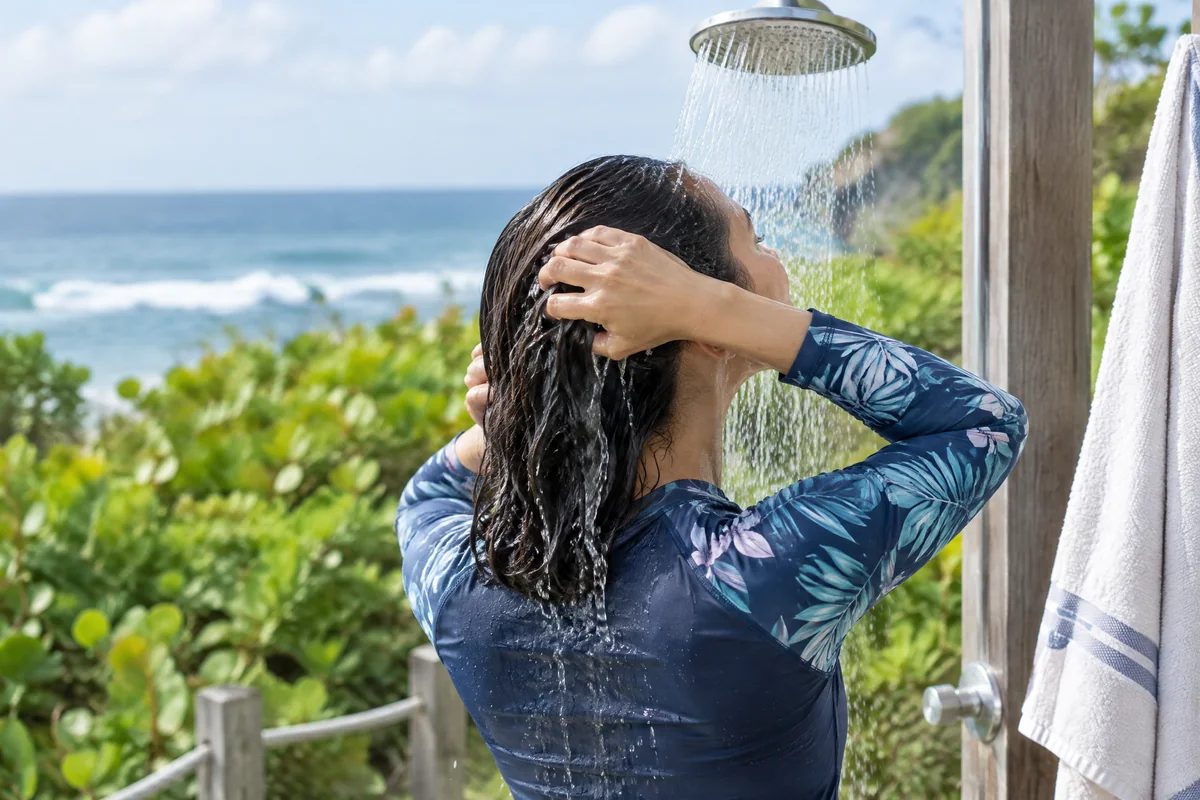
Illustration of rinsing hair with fresh water after swimming
Illustration · a fresh-water rinse after a swim, shown as a general care step.
Guide · 03

Separate hair colour from hair tinting

Use the service terms to explain your goal, not to skip an assessment

People often use colour and tinting as if they were interchangeable. A consultation is clearer when you describe the visible change you want first. Do you want a darker overall impression, a softer change near the roots, more even coverage, or a new tone? The words used by a salon may reflect its service menu, so ask what the chosen term means for your starting colour and existing treatment history.

Before you enquire, gather the colour facts that are easiest to forget. Include home colour, a previous salon colour, bleach, highlights, perming, straightening, or a colour-removing product. If you do not know the exact date, say that. An honest uncertainty is more useful than an invented date. The stylist can then decide what needs checking in person before discussing a plan.

For a service-page reference, review hair tinting and ask whether the word describes the level of change you want or only the salon’s category name. A reference page can help you form a question. It cannot confirm that a particular tint will cover, blend, lighten, or remain unchanged during your swimming routine.

  • Describe the target as darker, warmer, cooler, more even, or more blended before naming a service.
  • Say whether you want a subtle change that grows out quietly or a clearly visible new colour.
  • List old colour on the lengths even if the roots now look natural.
  • Ask what strand or in-person assessment is needed before a final recommendation.

Swipe the table to compare all columns.

How to turn a colour label into a focused question
If you are asking aboutDescribe firstThen ask
Hair colourThe overall visual change and target toneWhat starting base and history need to be assessed?
Hair tintingHow subtle or visible the change should lookHow does this service differ from the salon’s other colour options?
No bleach hair colourThe level you want without a bleaching routeWhat is realistic from the current base and old colour?
Men's hair colourGrey contrast, haircut length, and maintenance preferenceHow will the colour discussion fit the cut and swim schedule?
Guide · 04

Assess no-bleach hair colour with treatment history

No bleach is a question about the starting base, not a universal promise

No-bleach colour can be a useful phrase when you want to discuss changing tone without asking for a bleaching process. It does not mean every target shade is possible from every starting base. Previously coloured hair, natural depth, grey distribution, porosity and the condition of the ends can all affect the discussion. Ask what change is realistic from your current hair rather than assuming the label guarantees a specific lightness.

Swimming history belongs beside chemical history. Tell the stylist whether your hair has recently faced pool exposure, sea water, strong sun, or repeated washing. If the ends feel fragile or keep tangling after drying, say so before you discuss colour. The aim is not to prove that swimming caused the change. The aim is to give the person assessing your hair enough context to decide what should be examined first.

You can use no bleach hair colour as an enquiry route, then ask about the starting base, previous colour and desired level. Also ask how the service is defined, what preparation is expected, and which parts need individual assessment. The documented service boundary is assessment before colour, not a promise that a no-bleach route will deliver one fixed result.

  • State your natural base and the colour currently visible on the roots and lengths.
  • Explain whether the lengths contain old colour, bleach, highlights, or another chemical service.
  • Ask what no-bleach means in this consultation and what it cannot achieve from your base.
  • Do not book around a trip on the assumption that no bleach means no care or no maintenance.
The word no-bleach describes a requested route. It does not remove the need to inspect the hair.
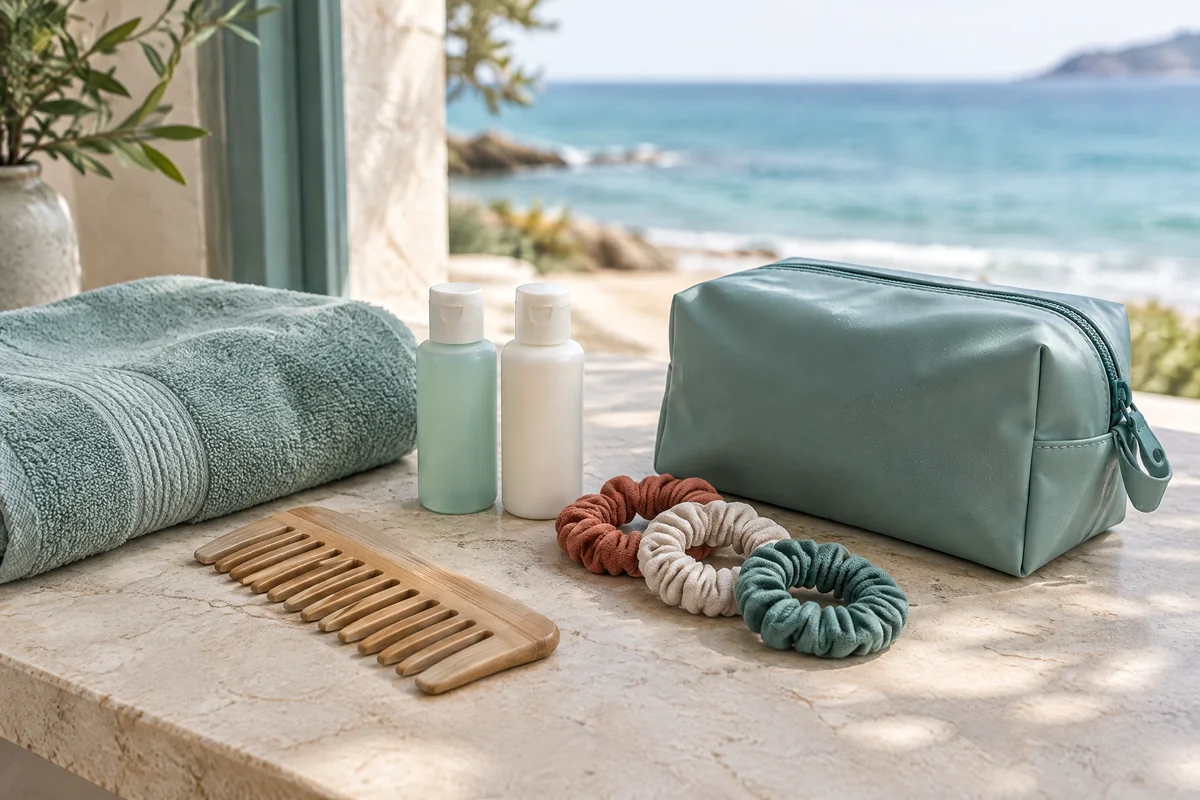
Illustration of a compact coastal hair-care kit for a swim trip
Illustration · an unbranded hair-care kit for recording trip and aftercare needs.
Guide · 05

Make men's hair colour fit the trip

A men's swim-after colour plan should leave room for personal assessment

Men’s colour questions are not automatically simpler because the haircut is short. The stylist may still need to understand the amount of grey, the contrast between sides and top, the length that will be retained, and how often you swim. A short cut can expose a change quickly as it grows. A longer top may show different fading or texture after drying. Describe the shape you will keep as well as the colour you want.

Put the trip on a simple timeline. Record the date of the next beach visit, pool block, dive day, or event where the colour matters to you. Do not turn that date into a claimed chemical deadline. Ask the colourist what should be considered before the trip and what aftercare is appropriate for your individual service. The AAD specifically cautions about colouring before a sun- and pool-filled holiday for regularly blonde or highlighted hair; it does not create one rule for every colour request. [1]

For an external service reference, review men's hair colour and prepare questions about retained length, grey visibility, maintenance and your swimming routine. If you also need to plan a Hong Kong dive trip, the best time to dive in Hong Kong guide is a separate activity-planning reference. Neither page replaces a personal hair or diving assessment.

  • Mark the next swim, beach, dive, or photographed event on your calendar before enquiring.
  • Say how often you are willing to maintain the colour after the trip.
  • Show the usual haircut from the front, sides, and top so the colour discussion matches the shape.
  • Ask which parts of your plan depend on current hair condition rather than on the calendar alone.
Guide · 06

Turn your notes into a clear consult

Finish your men's swim-after colour plan with a short, honest message

A good enquiry can fit in a few lines. State that you swim regularly or have just returned from a beach trip. Give the last swim date, the water setting, the current condition after rinsing and drying, and every recent chemical service you remember. Then state the visual goal in ordinary language. This prevents the conversation from becoming a guess based on one reference photograph.

Attach current photos rather than relying on a picture taken before the trip. Include one front view, both sides, and a close view of the roots and ends. Use daylight if possible and say whether the hair is dry, damp, styled, or freshly washed. A photo is still only an aid. The service provider may need to see and assess the hair before confirming what can be discussed.

Vit So Hair Stylist’s documented address is 252 Hollywood Road, Sheung Wan, Hong Kong. Confirm the current service scope, consultation process, address and appointment details directly rather than assuming that an English webpage proves English consultation availability. Hair colour and related services are cosmetic services, not medical treatment or a guarantee of hair regrowth or repair.

  • Open with the activity context and the practical question you want answered.
  • Add dates for the last relevant treatment and the next trip, using approximate dates when necessary.
  • List the colour goal, current base, old treatments, and the maintenance level you can manage.
  • Ask what must be assessed in person and what aftercare questions you should bring to the appointment.
Illustration of planning questions for a hair colour consultation
Illustration · consultation planning with photos, treatment notes and travel dates.
A sensible next step

Take the question with you

Before you enquire, make one page of notes: recent water exposure, condition after rinsing and drying, every known treatment, the visual colour goal, and the next trip or event. Use the service label only as a starting point. Share current photos, disclose uncertainty, and ask what needs an in-person assessment. That approach keeps the decision personal and avoids treating a calendar date or a colour name as a guarantee.

Questions to ask

Common questions

Is there a fixed number of days to wait between colour and swimming?

Do not assume one universal number. The suitable timing can depend on the product, service, current hair and the swim schedule. Ask the colourist what applies to your planned service and follow the product or salon instructions. This guide does not turn general rinse and sun-care advice into a chemical waiting rule.

Are hair colour and hair tinting the same service?

Not necessarily. Salons may use the terms differently in their menus. Start with the visible change you want, such as darker, warmer, cooler, more even or more blended. Then ask how the salon defines the service and what it can realistically do from your current base and treatment history.

Does no bleach hair colour guarantee a result with no maintenance?

No. No bleach describes a requested route, not a guarantee of a particular shade, durability, or maintenance level. Old colour, natural base, grey distribution and the condition of the lengths still matter. Ask what can be assessed before the appointment and what upkeep the proposed result would require.

What should I ask about safety before a colour appointment?

Follow the product directions and ask how the salon handles the relevant skin test. The FDA says to patch test before dyeing, leave a small amount inside the elbow or behind the ear for two days, and not use the dye if a rash appears. It also says to repeat the test each time and notes that salons should test before dyeing. [2]

Further reading

Official sources worth checking

  • [1] Must-try summer hair care

    The American Academy of Dermatology advises rinsing hair immediately after swimming, then washing and conditioning it; it also explains that UV and chlorine can affect hair structure and condition.

  • [2] Cosmetics Safety Q&A: Hair Dyes

    The FDA says to patch test before each dye use, leave the test for two days, and not use the dye if a rash appears; it also says to follow package directions and rinse the scalp well after dyeing.

Continue exploring

Keep comparing practical questions before you choose a course, activity or preparation step.

Coastal life and hair care · Updated 2026-11-06

Women's post-swim haircut shape: choose the right length

Compare a trim, layers and a bob after swimming. Use this women's post-swim haircut shape guide, then ask the right salon questions before booking.

women's post-swim haircut shape
Coastal life and hair care · Updated 2026-11-06

Men's shore-day haircut routine: reset after a swim

Plan a men's shore-day haircut routine after swimming. Read the wash, dry and restyle brief, then ask your salon the right questions.

men's shore-day haircut routine

Coastal life and hair care · Updated 2026-11-06

Men's grey coverage choice: compare roots and full coverage

Compare roots, grey blending and full coverage for swimmers. Use this men's grey coverage choice guide, then ask the right questions.

men's grey coverage choice
Your next step

Ask about diving courses or coastal trip planning

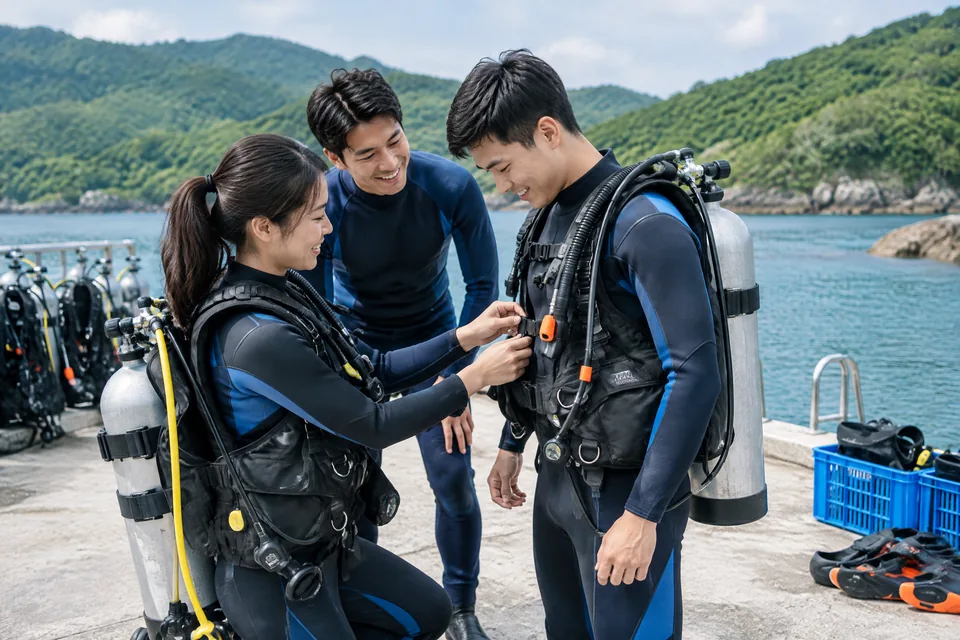
Message DiveHarbour on WhatsApp to discuss diving courses or coastal trip planning, along with your experience and preferred dates.

Ask about diving courses or coastal trip planning
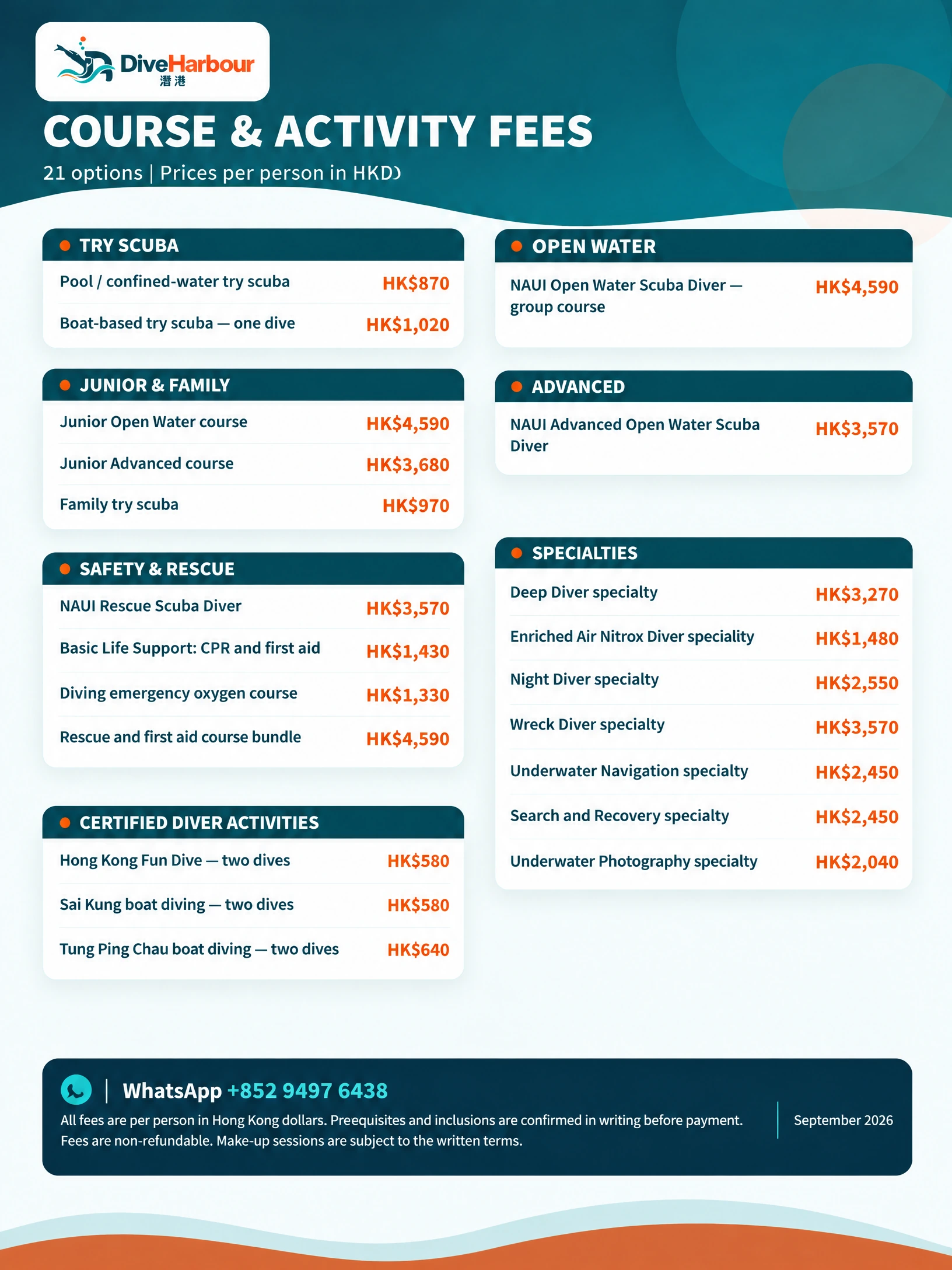
English price list for 21 DiveHarbour courses and activities, with fees per person in Hong Kong dollars
Tap the price list to view it at full size.

Plan your next dive

Course fees, clearly set out

Compare our published course and activity fees before choosing your next step. All prices are per person in Hong Kong dollars.

Before you book, we confirm prerequisites, materials, certification, equipment, venue and boat arrangements in writing. Ask us about fees for courses not listed here.

All fees are non-refundable. Make-up sessions are subject to the written terms.

Read all course fees
DiveHarbour course and activity fees per person in Hong Kong dollars
Course / activityPer person
Pool / confined-water try scubaHK$870
Boat-based try scuba — one diveHK$1,020
NAUI Open Water Scuba Diver — group courseHK$4,590
Junior Open Water courseHK$4,590
Junior Advanced courseHK$3,680
Family try scubaHK$970
NAUI Advanced Open Water Scuba DiverHK$3,570
NAUI Rescue Scuba DiverHK$3,570
Basic Life Support: CPR and first aidHK$1,430
Diving emergency oxygen courseHK$1,330
Rescue and first aid course bundleHK$4,590
Deep Diver specialtyHK$3,270
Enriched Air Nitrox Diver specialtyHK$1,480
Night Diver specialtyHK$2,550
Wreck Diver specialtyHK$3,570
Underwater Navigation specialtyHK$2,450
Search and Recovery specialtyHK$2,450
Underwater Photography specialtyHK$2,040
Hong Kong Fun Dive — two divesHK$580
Sai Kung boat diving — two divesHK$580
Tung Ping Chau boat diving — two divesHK$640