Hair-Loss Shore Backup: A Calm Plan for Event Days
A hair-loss shore backup is a practical event plan, not a diagnosis or a promise about regrowth. Decide what stays dry, choose a private change point, tell one trusted companion what support you want, and keep the hairpiece plan separate from any swimming or diving decision. Use the actual product instructions for care, and ask your healthcare team about medical concerns.
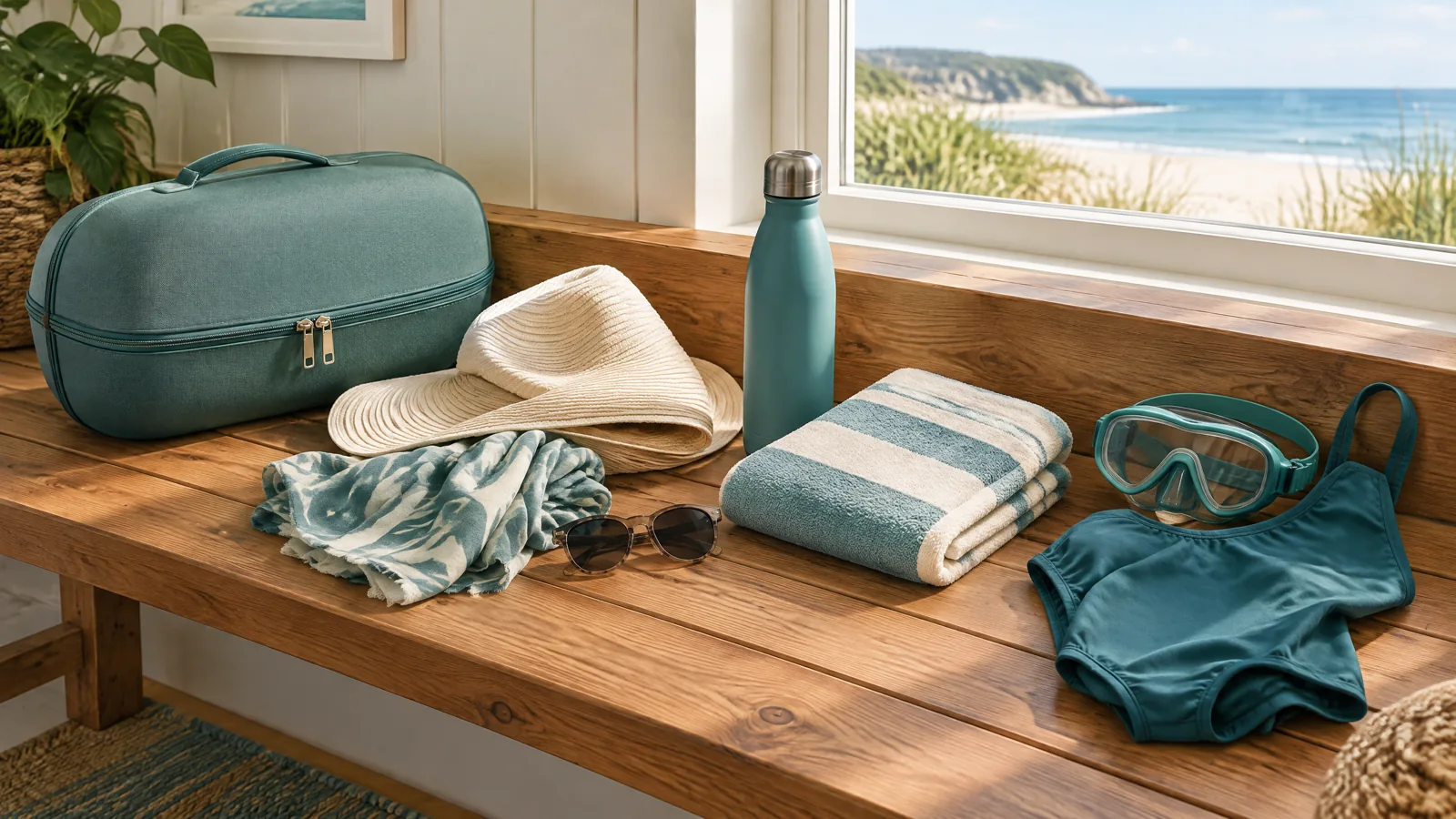
Illustration · Concept illustration: a dry shore-day kit kept separate from activity items.
Instructor qualifications
One clear teaching conversation from first breath to next step
DiveHarbour brings together scuba teaching, swimming, lifesaving and water-rescue experience so you can ask practical questions before choosing a course.
PADI teaching backgroundTeaching experience across recognised scuba learning pathways.
SSI teaching backgroundClear explanations when you are comparing agency routes.
NAUI teaching backgroundA practical, standards-aware approach to learning and progression.
Swimming foundationWater confidence and calm, step-by-step practice matter.
Lifesaving experienceSurface awareness and prevention stay part of the conversation.
Pool rescue experienceControlled practice can build confidence before open water.
Beach rescue experienceLocal water context informs sensible preparation.
Kayak rescue experienceA wider water-safety perspective supports good judgement.
PWC rescue experienceAsk about the right learning route for your experience and goals.
Brand relationship: DiveHarbour and OWNSTRAND share the same owner.
DiveHarbour and OWNSTRAND are operated by the same owner. OWNSTRAND links are external product-selection references, not independent third-party recommendations, medical advice, product-effect claims, or water-activity safety backing. DiveHarbour handles coastal activity enquiries, while OWNSTRAND handles hairpiece enquiries. The article uses concept illustrations rather than product or customer evidence.
A useful fact to keep in mind
Macmillan says wig fitting may take place in a private room, and the provider can advise on wearing and care. That supports asking for privacy and product-specific instructions before an event, not assuming a universal attachment or water routine. [2]
Choose the shore-day appearance option by coverage, change points, and care instructions.
Agree on a private changing place and one discreet signal with a trusted companion.
Keep the hairpiece out of water unless the provider and activity team give product-specific instructions.
Ask a healthcare professional about worrying hair loss, treatment effects, or whether an activity is suitable.
Start here
Hair-loss shore backup: decide what the day must protect
Start with comfort, privacy, and an exit plan rather than a perfect appearance
A shore event can feel exposed when hair loss is already taking up mental space. A useful backup plan lowers the number of decisions you must make in public. It names the look you want, where you can change, who can help, and what happens if the day becomes tiring. The aim is not to hide a medical experience from everyone. It is to give you control over when and how you discuss your appearance.
Begin with the event itself. Is the important moment a family photograph, a meal, a walk, or time beside the water? Write down the parts you want to attend, the parts you can skip, and the point where you would leave. A short shore-event styling brief can help you turn those priorities into a simple arrival, change, and portrait sequence.
Keep health decisions in a separate lane. Hair loss can sometimes relate to a medical condition, and the NHS advises seeing a GP if you are worried about it. [1] A shore plan can support your confidence, but it cannot explain the cause, predict regrowth, or decide whether treatment or an activity is suitable. Those questions belong with your healthcare team.
Name the one shore moment that matters most.
Choose a private change point before you travel.
Tell one companion what help you want and what you do not want discussed.
Write a low-pressure exit option that does not need an explanation.
A backup is successful when it gives you another comfortable choice, not when it makes you stay for the whole itinerary.
Guide · 02
Choose the appearance option before the shore day
Compare coverage and change points without treating different pieces as interchangeable
Decide whether you want coverage for a small area, a broader thinning pattern, or the whole head. A hair topper and a full wig solve different appearance problems. A topper may leave your own hair around the edges, while a full wig creates a complete hairstyle. Neither label tells you how a specific base, fibre, fit, or care routine will behave during your day.
Use hair topper vs wig as a product-selection starting point, not as a promise that one option will suit every shore event. Ask which areas the exact piece covers and whether it needs existing hair. Also ask how it should be stored during a change and whether the supplier recommends a private fitting. Keep the decision about appearance separate from any water-activity decision.
Then test the plan at home on an ordinary day. Put on the intended outfit, sit for the expected photograph, walk outside briefly, and practise removing or covering the piece in private. This is not a test of durability. It is a check that you can reach your bag, explain your preference, and change without rushing. If the plan feels complicated, choose the simpler shore look.
Swipe the table to compare all columns.
Decision table for a lower-pressure shore appearance plan
Question
What to decide before leaving
Why it helps
What matters most?
Choose the photograph, meal, walk, or conversation you most want to keep.
The plan protects a priority instead of trying to perfect the whole day.
Where will changing happen?
Name a private place with a clean surface and a route back to dry storage.
You avoid making a sensitive decision in public or under time pressure.
Who knows the plan?
Tell one trusted companion your signal, boundary, and exit preference.
Support becomes specific without requiring a public explanation.
A product category is not a complete care instruction. Record the exact piece type and keep its provider guidance with your event notes.
Illustration · Concept illustration: discussing coverage, privacy, and care questions.
Guide · 03
Build a private-change route with one trusted companion
Privacy works best when the change is agreed before the event starts
Privacy is more than finding an empty corner. Check whether the place has a door, enough light, a clean surface, and a way to keep your bag away from wet clothing. At a busy beach, a nearby café, hotel room, community facility, or planned return home may be calmer than an improvised public change. Do not assume a venue will provide a private room; ask before the day.
If a no-adhesive design interests you, read the exact glueless wig information and ask the provider what the label means for that model. It does not automatically make a piece suitable for wind, water, sport, or every scalp. The useful question is whether the planned change is manageable under the product instructions, not whether a category sounds effortless.
Choose one companion who understands your boundary. Tell them whether you want practical help, a quiet escort, or only a reminder that you can leave. Agree on a neutral phrase such as ‘I need the bag’ if you want to change the subject. A companion should not adjust, attach, remove, or modify a hairpiece without clear provider instructions. You must also agree to the task.
You can ask for privacy without explaining your diagnosis, treatment history, or personal reason for changing.
Guide · 04
Keep activity and appearance decisions separate
A hair-loss shore backup can preserve choice without approving in-water hairpiece use
Treat the activity plan and the hairpiece plan as two separate decisions. Before leaving home, decide where the piece will stay if you enter the water, how it will remain dry, and when you can change back. Do not infer safety from a close fit, a cap, a label, or a past comfortable wear. Product instructions and the responsible activity provider must answer activity-specific questions.
If your day includes swimming, review the practical sequence in coastal haircut plan for swimmers only for planning the before-and-after transition. It is not approval to wear a hairpiece in water. A conservative alternative is to keep the piece ashore or choose a shore-only role. Leave the activity early if the dry and private plan cannot be maintained.
Medical circumstances need an additional boundary. If hair loss follows chemotherapy, illness, or another treatment, appearance planning does not replace advice from the treating team. If you are postpartum or recovering from a health change, do not use this article to decide whether to swim, dive, or travel. Ask the appropriate healthcare professional about fatigue and tell the activity provider what they need to know.
The safest event plan is the one that remains workable when you remove the hairpiece from the activity altogether.
Illustration · Concept illustration: keeping the event focus on a chosen shore moment.
Guide · 05
Prepare care notes and a simple return-home routine
Silk top wig questions belong with the provider, not a generic event checklist
Create a one-page care note for the exact piece. Record the base, fibre, permitted cleaning method, drying position, storage advice, and the person to ask when something is unclear. If you are comparing a silk top wig, ask what the specific model requires. Do not treat ‘silk top’ as a complete material or care description. Product styles, bases, and materials are not interchangeable.
Pack the hairpiece in a clean, dry container that is separate from towels, swimwear, shoes, and food. Keep the container easy to reach during the private change. If the piece becomes damp, do not improvise with a hairdryer, heat, adhesive, or vigorous brushing. Follow the actual provider instructions. If they do not cover the situation, pause and ask the provider before doing more.
At home, separate the used clothing from the hairpiece immediately. Put the piece in the position and place specified by its instructions, then clean the storage container if needed. Avoid compressing it under other bags. The routine should be boring and repeatable. It protects your attention for the part of the day you actually wanted to enjoy.
Swipe the table to compare all columns.
Shore-day contingency sequence
Stage
Practical action
Boundary to keep
Before arrival
Pack the piece separately, confirm the change point, and review the care note.
Do not rely on a last-minute public change.
During the event
Keep the companion signal available and return the piece to dry storage when changing.
Do not turn a close fit or head covering into water-use approval.
If plans change
Pause, choose a shore-only role, or leave without arguing with the plan.
Medical and activity suitability questions go to the right professional.
After returning
Follow the exact care instructions and record one useful improvement for next time.
Do not improvise heat, adhesive, or cleaning steps.
A care note is a reminder system, not permission to experiment with a product outside its instructions.
Guide · 06
Use a companion script and decide when to stop
A hair-loss shore backup should make leaving early feel ordinary
People may ask questions because they are curious, concerned, or simply trying to help. You do not owe an explanation. Prepare one short answer for acquaintances and one fuller answer for the companion you trust. For example, you might say, ‘I am trying a different look today.’ You could also say, ‘I am keeping personal health details private, but I appreciate your help.’ Practise the words once so they are available when you are tired.
Use a three-stage decision during the day. First, continue if the private change, storage, and activity boundaries are all working. Second, pause if you feel rushed, exposed, overheated, or uncertain about the care instructions. Third, leave or switch to the shore-only plan if the boundary cannot be maintained. Stopping is not a failure of styling. It is the contingency working as intended.
Afterward, note what you would change next time. Was the private place too far away? Did the companion understand the signal? Did the bag keep the dry item separate? Keep those observations practical. Avoid turning one difficult day into a conclusion about your body, your appearance, or what you must do medically.
Continue only while the agreed privacy and dry-storage plan works.
Pause when you feel rushed or unsure about the product instructions.
Use the prepared phrase instead of debating personal details.
Switch to a shore-only option when activity boundaries become unclear.
Review the plan later without judging your body or appearance.
A calm exit is part of the plan. You can attend less, change plans, or go home without defending the decision.
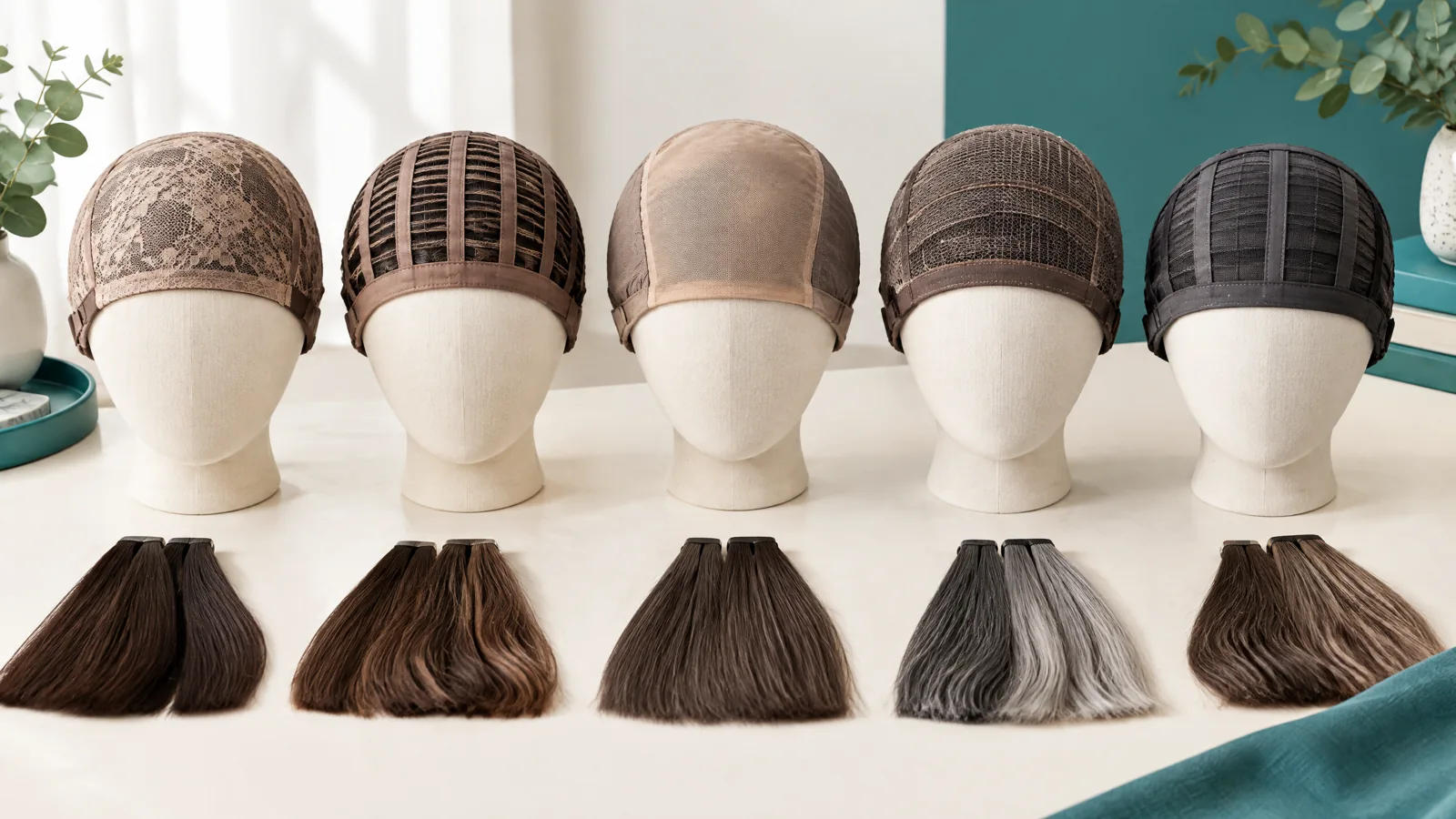
Illustration · Concept illustration: comparing labels and care notes before an event.
A sensible next step
Take the question with you
Prepare the hair-loss shore backup before the event, not while everyone is waiting. Choose the appearance option, private change point, companion signal, dry-storage place, and exit route. Then keep medical questions with your healthcare team and activity questions with the responsible provider. A shore day can still be worthwhile when the plan is designed around choice rather than pressure.
For DiveHarbour coastal activity questions, ask DiveHarbour about the activity, meeting process, and shore alternatives. For hairpiece selection, fitting, base, fibre, or care questions, use the relevant OWNSTRAND link and contact OWNSTRAND directly. The two enquiries are separate.
Questions to ask
Common questions
Does hair loss mean I should cancel a shore event?
Not automatically. Decide what you can comfortably attend, arrange a private change and dry storage, and ask your healthcare team about any medical or treatment-related concern.
Should I tell my companion why I am losing hair?
Only if you want to. You can share the practical plan, such as your change signal and exit preference, without sharing diagnosis or treatment details.
Can I wear my wig or hairpiece while swimming or diving?
This article does not approve that. Check the exact product instructions and the responsible activity provider. The conservative alternative is a shore-only plan with the piece stored dry.
When should I seek medical advice?
If you are worried about hair loss, if it follows treatment or illness, or if a health change affects activity decisions, speak with a GP or your treating healthcare team.
Macmillan says there is no pressure to choose a wig straight away, a friend or family member may help with choosing, and most wig fitters have a private room.
Continue exploring
Three useful next reads
Keep comparing practical questions before you choose a course, activity or preparation step.
Coastal life and hairpieces · Updated 2026-11-06
Private Wig Fitting Chat: Plan a Quiet Shore Event
Plan a private wig fitting chat for a beach portrait or shore event. Prepare measurements, privacy questions, and a clear next step before choosing.
Topper or full wig shore: a practical coastal day guide
Topper or full wig shore planning for portraits and dinners: compare coverage, outfit changes, privacy, care, and questions to ask before your coastal day.
Online Wig Measuring List for a Remote Hairpiece Enquiry
Use this online wig measuring list to record measurements, colour references, dates, and questions before a remote hairpiece enquiry. Check each detail.
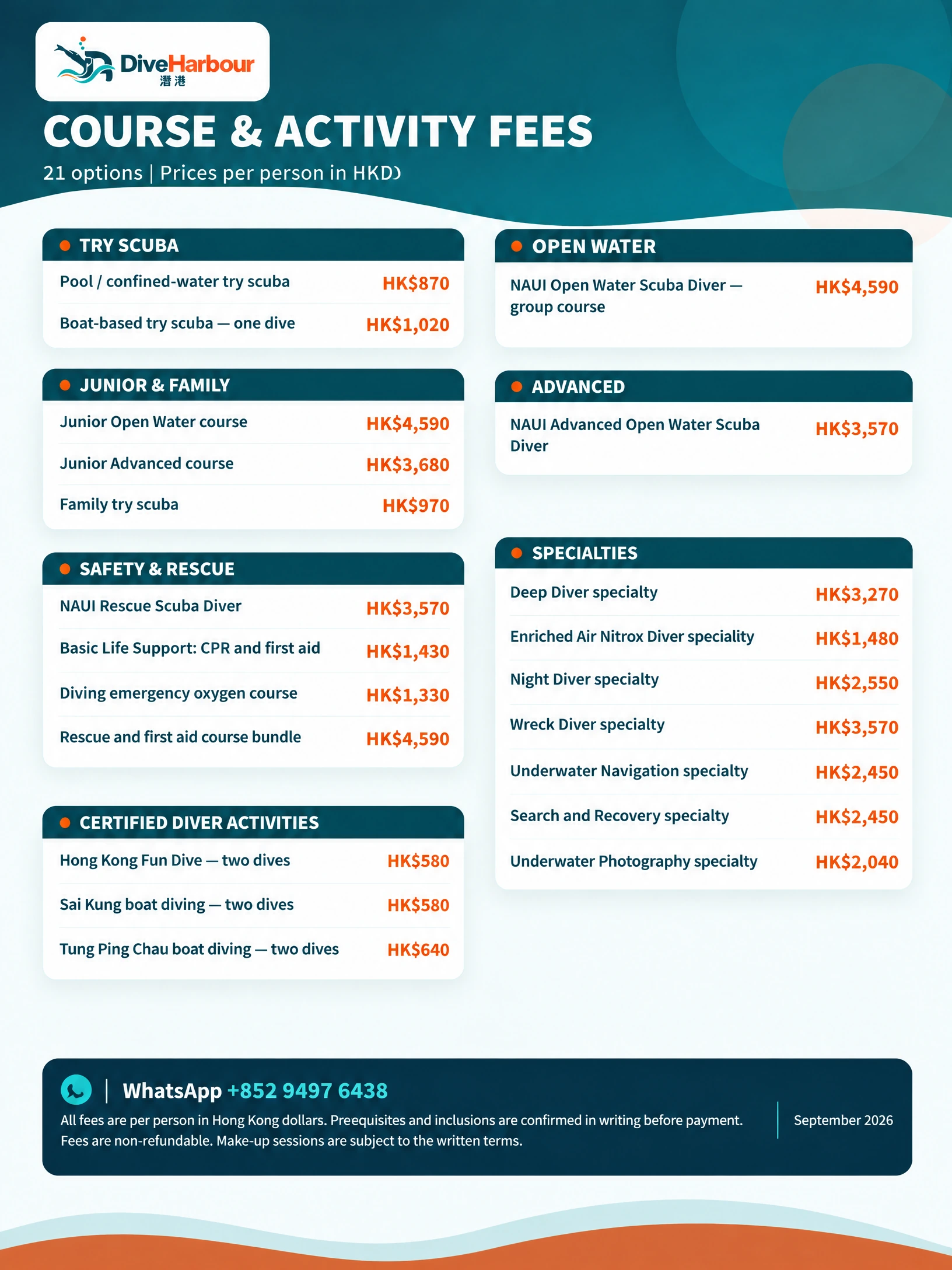
Compare our published course and activity fees before choosing your next step. All prices are per person in Hong Kong dollars.
Before you book, we confirm prerequisites, materials, certification, equipment, venue and boat arrangements in writing. Ask us about fees for courses not listed here.
Read the Sai Kung diving Hong Kong guide to learn about the setting, then explore the Sai Kung scuba diving course page. Certified divers can use our Hong Kong fun dive guide to check experience requirements and activity arrangements. Locations remain subject to weather and sea conditions.
Explore the responsibilities and entry requirements in our Divemaster course Hong Kong guide, then review the scuba instructor course Hong Kong route. Professional training differs from recreational progression, so confirm experience requirements and assessment arrangements first.