
SAFE LEARNING · HAPPY EXPLORING
DiveHarbour

DiveHarbour · Practical guide

Coastal highlight budget guide: compare costs and scope

A coastal highlight budget guide works best when you compare scope, not a guessed price. Record regrowth, coverage, lightening, toning, finishing, recent colour history, travel exposure and your desired result. Ask each salon the same questions, compare inclusions line by line, and confirm assessment needs before booking or treating an online price page as a final quote.

By DiveHarbour8 min read
Ask about diving courses or coastal trip planning Read the guide
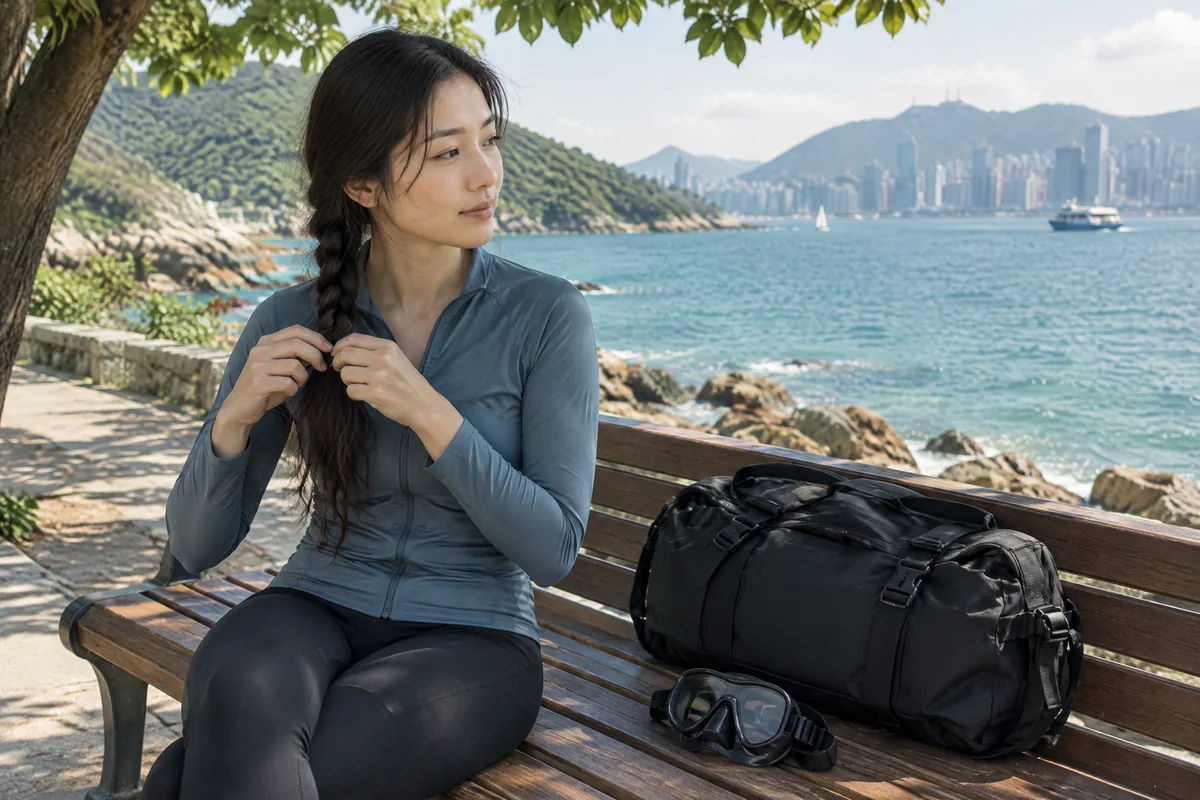
Coastal highlight budget guide checklist beside travel hair preparation items
Illustration · a coastal trip hair-planning scene, not a Vit So salon or real client result.

Instructor qualifications

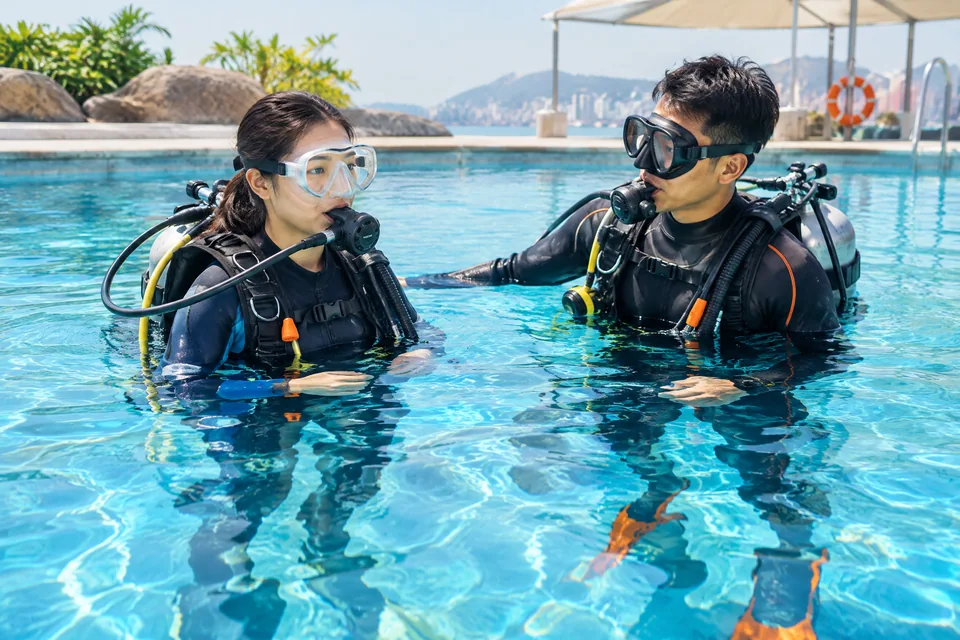
One clear teaching conversation from first breath to next step

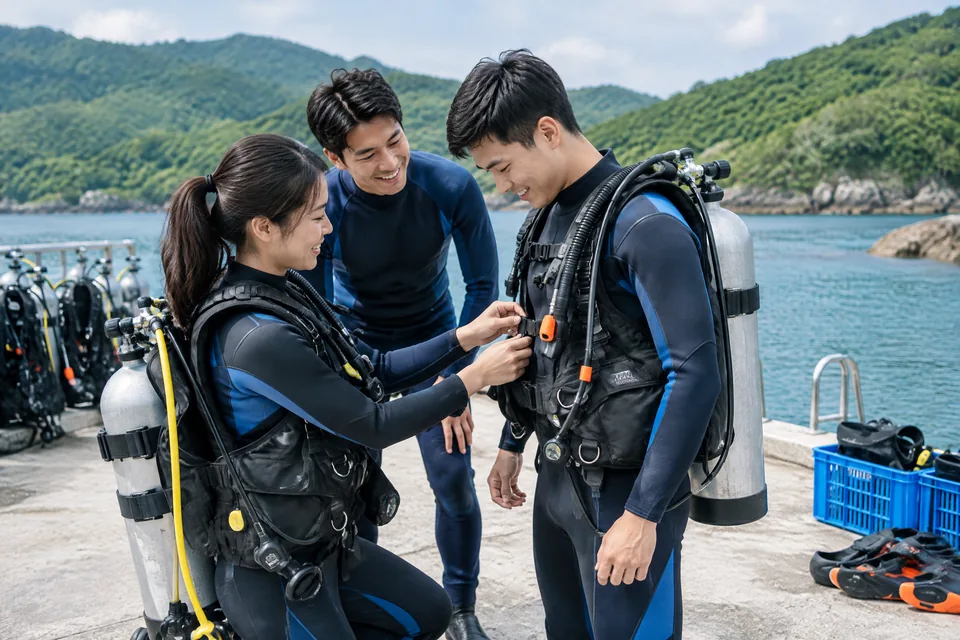
DiveHarbour brings together scuba teaching, swimming, lifesaving and water-rescue experience so you can ask practical questions before choosing a course.

  • PADI teaching backgroundTeaching experience across recognised scuba learning pathways.
  • SSI teaching backgroundClear explanations when you are comparing agency routes.
  • NAUI teaching backgroundA practical, standards-aware approach to learning and progression.
  • Swimming foundationWater confidence and calm, step-by-step practice matter.
  • Lifesaving experienceSurface awareness and prevention stay part of the conversation.
  • Pool rescue experienceControlled practice can build confidence before open water.
  • Beach rescue experienceLocal water context informs sensible preparation.
  • Kayak rescue experienceA wider water-safety perspective supports good judgement.
  • PWC rescue experienceAsk about the right learning route for your experience and goals.

Brand relationship: DiveHarbour and Vit So share the same owner.

This guide is assembled by DiveHarbour. Vit So links provide external hair-service information for reference; this is not diving safety, medical advice, or a guarantee of service results.

A useful fact to keep in mind

The American Academy of Dermatology recommends rinsing hair immediately after swimming, then washing it with swimmers’ shampoo and following with a deep conditioner.

Check the source
Key takeaways

Four points to carry forward

  • Separate the service label from the actual work: coverage, placement, lightening, toning, finishing and any add-ons.
  • Send the same hair history, recent photos and target-look description to every provider before comparing replies.
  • Treat sun, pool and sea exposure as useful context for consultation, not as proof of a universal colour schedule.
  • Ask for a written scope and assessment requirement before treating any online price page as a booking quote.
Start here

Coastal highlight budget guide: start with scope

Use the coastal highlight budget guide before asking for a number

A post-holiday colour budget is easier to control when you compare work rather than labels. Root touch-up, full-head highlights and balayage can describe different areas, densities and finishing steps. A low-looking figure may cover less of the head, while a higher-looking figure may include a broader process. The first task is therefore to write down the result you want and the areas that need attention. This turns a vague price search into a like-for-like question.

Start with the trip facts that could affect the conversation. Note whether you swam in a pool, spent long periods outdoors, used a cap, rinsed promptly and had any colour service before travelling. The American Academy of Dermatology explains that sun and pool exposure can stress hair, especially when hair has been lightened, and recommends protective swim-season habits [1]. If you are planning Hong Kong shore diving, record the whole activity plan separately from the colour request.

  • Write the target result in plain language, such as softer brightness, visible contrast or root coverage.
  • Mark the area involved: regrowth, selected strands, most of the head or a blended transition.
  • List recent colour, bleach, perm or straightening history, even if the service was done elsewhere.
  • Save current-light, indoor and back-view photos so the provider can see the starting point.
Guide · 02

Root touch-up: price question or coverage question?

Define the regrowth area before comparing a root touch up price

A root request is usually about where new growth meets the existing colour, but the useful comparison is more specific. Ask how the provider defines the root area, whether the goal is grey coverage or shade matching, and how the existing lengths will be treated. Also ask whether the quoted scope includes a finish or only the colour work. The answer may depend on your starting shade, the amount of regrowth and the history of previous colour.

When you use the phrase root touch up price, treat it as a starting search term rather than a complete specification. Send a clear photo of the parting and hairline, explain the last colour date if known, and ask which details must be assessed in person. Do not compare a root-only response with a full-head response simply because both mention colour. The fair comparison is the same coverage goal with the same stated inclusions.

  • Ask whether the quote is for regrowth only or also changes the mid-lengths and ends.
  • State whether you want coverage, a match to the existing shade or a deliberate contrast.
  • Confirm whether a toner, gloss, wash, blow-dry or other finishing step is included or separate.
  • Ask what information is needed for an individual hair-condition assessment.

Swipe the table to compare all columns.

Scope questions that make the three colour requests more comparable
Request labelDefine the visible areaAsk about the processDo not assume
Root touch-upRegrowth, parting, hairline or grey coverageWhat is matched or covered, and what happens to existing lengths?That root means the same coverage area for every provider
Full-head highlightsSections, density, contrast and face-framing piecesWhich lightening and finishing steps are included?That full head describes identical strand placement or density
BalayageWhere the transition starts and how bright it should lookWhat blend, toning and finish are being proposed?That the style name alone defines the amount of work
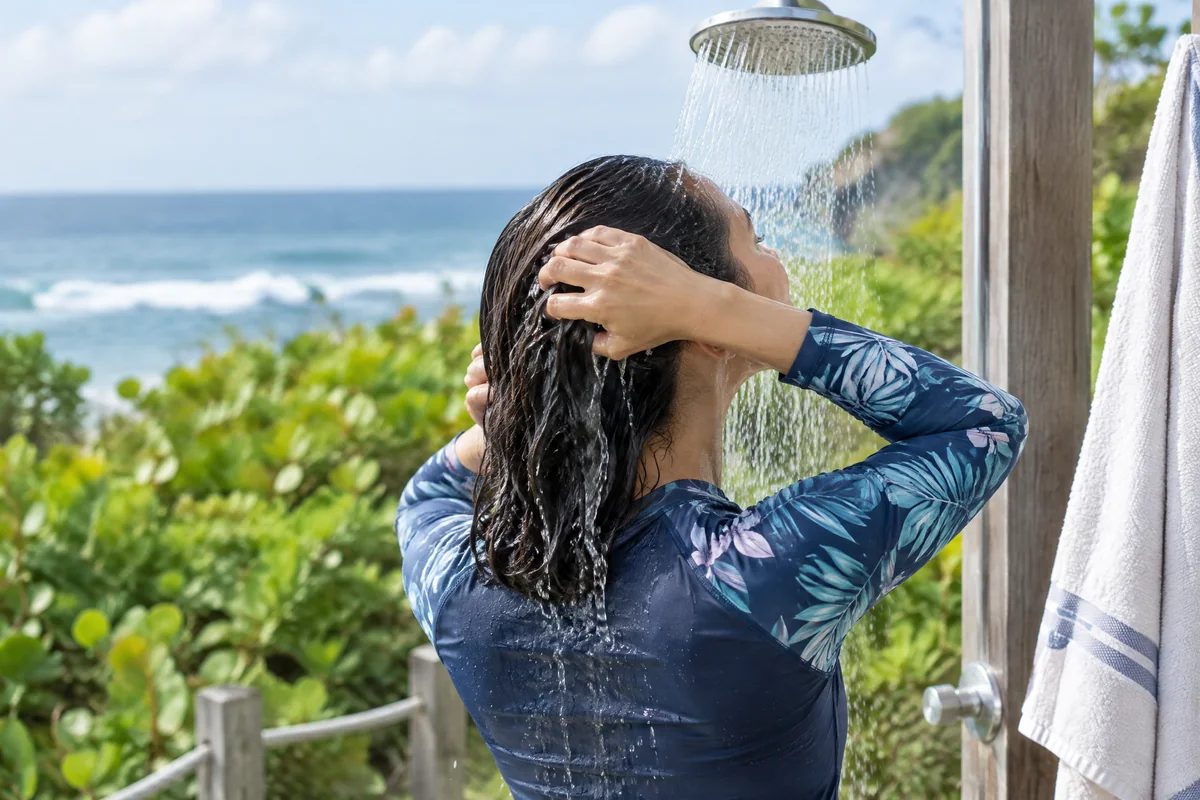
Illustration of rinsing hair after swimming before reviewing a colour consultation
Illustration · post-swim rinsing context for planning, not a treatment demonstration.
Guide · 03

Full-head highlights: compare placement, density and finishing

A full head highlights cost comparison needs a visual scope

Full-head highlights are easier to compare when you describe the pattern you want. Ask about the sections being worked on, the density of lighter pieces, the contrast against your base and the visibility around the face. A service can be described as full-head while still differing in strand width, spacing and finishing plan. Ask for those points in words, not just a service name, before deciding whether two replies belong in the same budget row.

The AAD notes that professional blond or highlighted hair involves a bleaching process and can be more exposed to sun and pool-related stress, so it advises considering salon-colour timing around a sun- and pool-filled holiday [1]. That is general care guidance, not a universal scheduling rule. When asking for a full head highlights cost, share your travel dates and hair history, then ask the provider to explain any assessment or scheduling concern rather than guessing it yourself.

  • Describe the desired brightness, contrast and face-framing effect with a reference image.
  • Ask how the provider defines full head and whether the hairline or fringe area is included.
  • Confirm whether lightening, toning, treatment, cut or finishing appears as a separate line.
  • Ask how previous colour or fragile ends could change the proposed scope.
Guide · 04

Balayage: ask what the word covers

Balayage cost is not comparable until the target look is named

Balayage is often used as a style label, but a useful quote still needs a defined visual target. Explain whether you want a subtle transition, stronger brightness through the lengths, face-framing pieces or a low-maintenance-looking blend. Then ask where the lighter work begins, how much of the head is involved and what finish is proposed. Without those details, two balayage replies may describe different amounts of work while using the same word. When asking about balayage cost, include that visual target in your enquiry.

Your coastal itinerary is another piece of context, not a reason to promise a result. The Hong Kong Observatory publishes UV readings and classifies 6–7 as high, 8–10 as very high and 11 or above as extreme. It advises checking the forecast and limiting prolonged exposure [2]. If you also need to plan Hong Kong diving water temperature, keep that water information in your trip notes, then ask the colour provider how your actual hair history should affect the consultation.

  • Name the transition, brightness and placement you want instead of asking for balayage alone.
  • Show a current back photo and a reference photo taken in similar lighting.
  • Ask whether the quoted scope includes face-framing pieces, toning and the final finish.
  • Ask what cannot be confirmed until the provider sees the hair in person.
Illustration of a colour consultation worksheet for highlights and balayage scope
Illustration · a generic hair consultation planning scene, not a Vit So service photograph.
Guide · 05

Build a quote worksheet after the coastal holiday

Turn trip notes into a clean comparison before you book

A simple worksheet prevents the lowest number from winning by accident. Put each provider in a column and each scope question in a row. Copy their wording rather than translating it into your own assumptions. If a reply says that assessment is needed, leave the amount or inclusion marked as unconfirmed. That is more useful than filling the gap with a typical salon estimate. You can then see whether you are comparing root coverage, a lightening service or a blended design.

For the care side, keep the post-swim routine practical. The AAD recommends rinsing hair immediately after swimming, washing with a swimmers’ shampoo and following with a deep conditioner [1]. Those steps do not create a colour guarantee, and they do not replace a provider’s assessment. They simply give you a clearer starting record: what exposure occurred, what you did afterward and what you want checked before arranging colour work.

  • Use one row for the requested result and another for the area, density or coverage involved.
  • Record every included, excluded and unconfirmed step in the provider’s own wording.
  • Attach the same photos and hair-history note to each enquiry.
  • Keep a separate line for assessment, scheduling questions and any follow-up decision.

Swipe the table to compare all columns.

A quote-audit worksheet for a post-coastal colour enquiry
FieldWhat to recordUseful evidenceIf unclear
Starting conditionCurrent shade, regrowth, length and visible textureRecent photos in natural and indoor lightAsk what must be checked in person
Recent exposurePool, sea, sun, cap use and post-swim routineTrip dates and a short care noteShare context without claiming a treatment schedule
Quoted scopeArea, density, lightening, toning and finishingThe provider’s written wordingRequest a line-by-line clarification before booking
Guide · 06

Have a no-surprises booking conversation

Use the same questions for every root, highlight or balayage enquiry

Before booking, read the replies side by side and look for missing scope rather than only different totals. A useful response should help you identify the intended area, the expected process, the finishing steps and the point at which the provider must examine your hair. If one answer is vague, ask one precise follow-up question. Consistency matters more than speed because a coastal holiday can leave you with a different starting condition than the one shown in an old inspiration photo.

Keep the final decision in two separate tracks. DiveHarbour can answer questions about the diving activity, shore logistics and water conditions. Hair questions belong with the service provider, including whether your history and current condition can be assessed for the requested colour. Do not treat an online price page as a package promise or an outcome guarantee. Confirm the scope in writing, then decide whether the proposed service fits your budget and trip plan.

  • Ask the provider to restate the service area and desired result in the reply.
  • Ask which inclusions are confirmed, which are separate and which need assessment.
  • Confirm the next step for an in-person or remote consultation before paying or reserving.
  • Keep the written reply with your photos, travel dates and previous-treatment record.
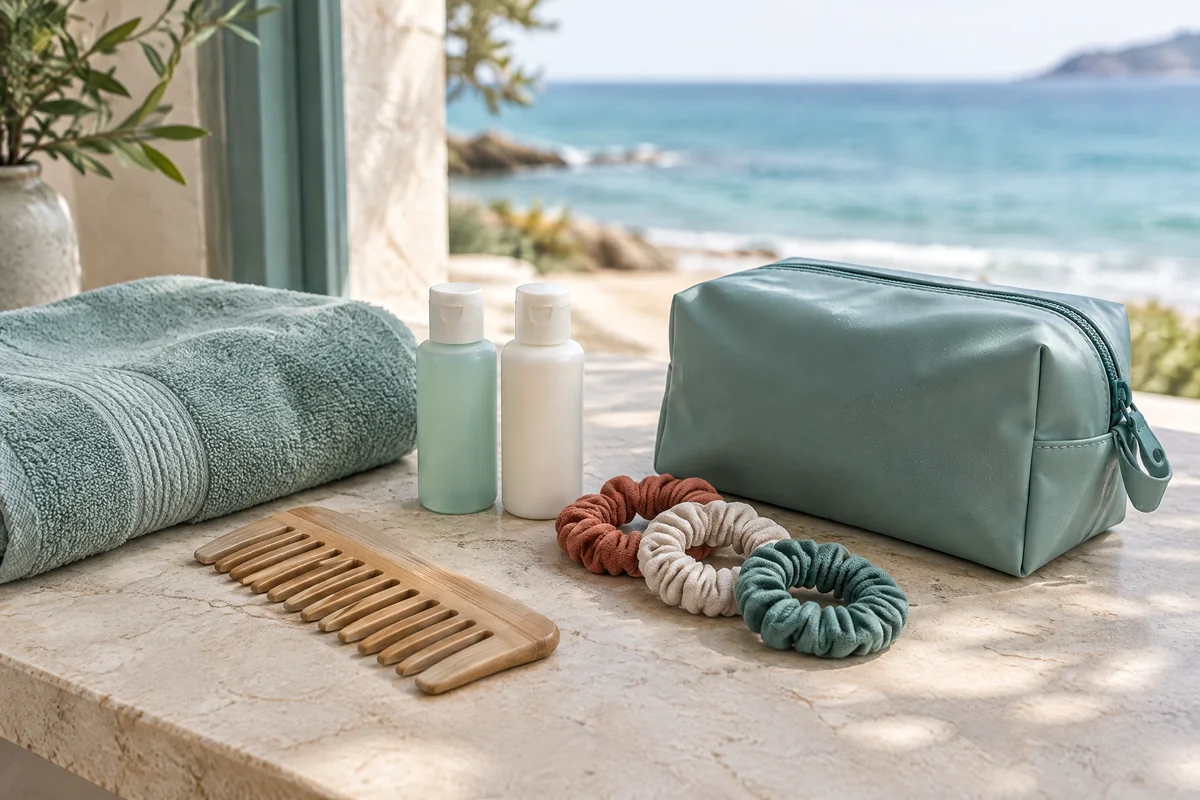
Illustration of a coastal hair-care kit beside a quote comparison worksheet
Illustration · travel hair-care planning, with no implied product or outcome guarantee.
A sensible next step

Take the question with you

Make one comparison sheet before you contact a provider. Put your desired result, current hair condition, recent coastal exposure and the exact service area at the top. Then ask for the same scope breakdown from each provider and leave unknown items unfilled until they are assessed. This gives you a defensible budget without pretending that root touch-up, full-head highlights and balayage are interchangeable services.

Questions to ask

Common questions

Should I choose the cheapest colour quote after a coastal holiday?

Not until the scope matches. Compare the same target area, coverage or brightness, lightening, toning, finishing and assessment requirements. A lower figure may describe less work, so ask the provider to clarify missing inclusions before deciding.

What should I send when asking about a root touch-up?

Send a current parting and hairline photo, your target result, known previous-colour history and the date of your coastal trip. Say whether the goal is coverage or shade matching, then ask whether the provider needs an individual assessment.

Does a full-head highlights label tell me what is included?

No. Ask how full head is defined, including section placement, density, face-framing work, lightening, toning and finishing. Keep each item marked as confirmed, separate or unconfirmed so that replies can be compared fairly.

Can general swimming or UV advice set a colour-service waiting period?

No. General hair-care guidance can help you record exposure and care steps, but it does not establish a universal chemical-processing schedule. Ask the service provider about your actual hair history, condition and itinerary.

Further reading

Official sources worth checking

Continue exploring

Keep comparing practical questions before you choose a course, activity or preparation step.

Coastal life and hair care · Updated 2026-11-06

Coastal haircut plan for swimmers: what divers should ask

Plan a coastal haircut plan for swimmers with a clear brief on caps, length, drying and aftercare. Check the questions before you book.

coastal haircut plan for swimmers
Coastal life and hair care · Updated 2026-11-06

Swim-cap short hair fringe plan: manage shape after swimming

Use this swim-cap short hair fringe plan to compare lob, pixie and curtain bangs after swimming. Read the reset steps and plan your consultation.

swim-cap short hair fringe plan

Coastal life and hair care · Updated 2026-11-06

Hood-friendly men's short haircut: plan the shore exit

Plan a hood-friendly men's short haircut for a calmer shore exit. Compare taper, textured crop and upkeep, then check your brief.

hood-friendly men's short haircut
Your next step

Ask about diving courses or coastal trip planning

Message DiveHarbour on WhatsApp to discuss diving courses or coastal trip planning, along with your experience and preferred dates.

Ask about diving courses or coastal trip planning
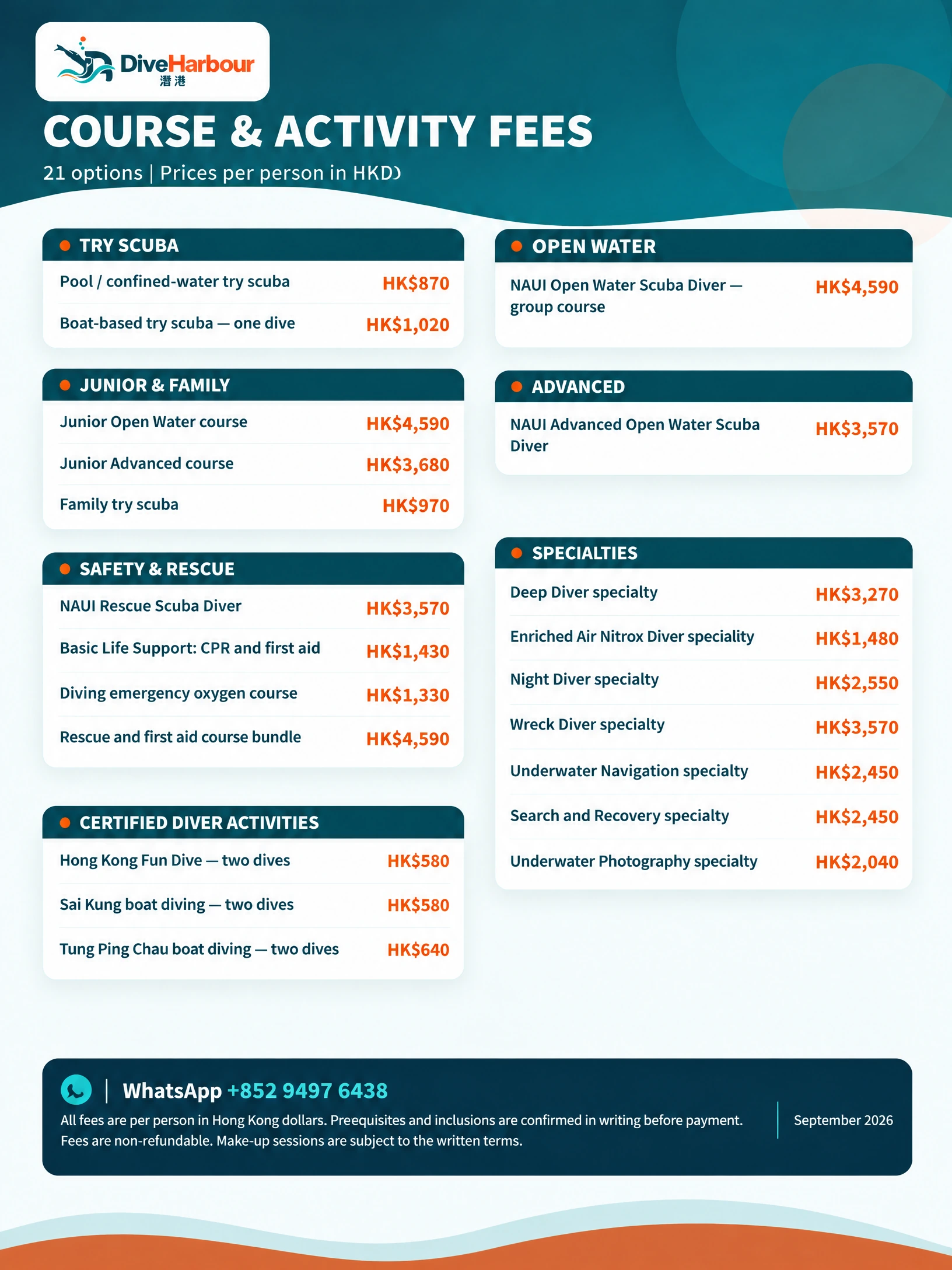
English price list for 21 DiveHarbour courses and activities, with fees per person in Hong Kong dollars
Tap the price list to view it at full size.

Plan your next dive

Course fees, clearly set out

Compare our published course and activity fees before choosing your next step. All prices are per person in Hong Kong dollars.

Before you book, we confirm prerequisites, materials, certification, equipment, venue and boat arrangements in writing. Ask us about fees for courses not listed here.

All fees are non-refundable. Make-up sessions are subject to the written terms.

Read all course fees
DiveHarbour course and activity fees per person in Hong Kong dollars
Course / activityPer person
Pool / confined-water try scubaHK$870
Boat-based try scuba — one diveHK$1,020
NAUI Open Water Scuba Diver — group courseHK$4,590
Junior Open Water courseHK$4,590
Junior Advanced courseHK$3,680
Family try scubaHK$970
NAUI Advanced Open Water Scuba DiverHK$3,570
NAUI Rescue Scuba DiverHK$3,570
Basic Life Support: CPR and first aidHK$1,430
Diving emergency oxygen courseHK$1,330
Rescue and first aid course bundleHK$4,590
Deep Diver specialtyHK$3,270
Enriched Air Nitrox Diver specialtyHK$1,480
Night Diver specialtyHK$2,550
Wreck Diver specialtyHK$3,570
Underwater Navigation specialtyHK$2,450
Search and Recovery specialtyHK$2,450
Underwater Photography specialtyHK$2,040
Hong Kong Fun Dive — two divesHK$580
Sai Kung boat diving — two divesHK$580
Tung Ping Chau boat diving — two divesHK$640