

SAFE LEARNING · HAPPY EXPLORING
DiveHarbour

DiveHarbour · Practical guide

Men's dive perm shape plan: compare cut and curl upkeep

A hood changes where hair is pressed, but it does not decide the service for you. Start with the shape you want after the dive: movement on top, flatter sides, or a refreshed cut with targeted control. Compare a men's perm, down perm, and haircut-plus-perm conversation, then bring your hood routine, wet-hair photos, chemical history, and styling limits to an individual assessment.

By DiveHarbour8 min read
Ask about diving courses or coastal trip planning Read the guide
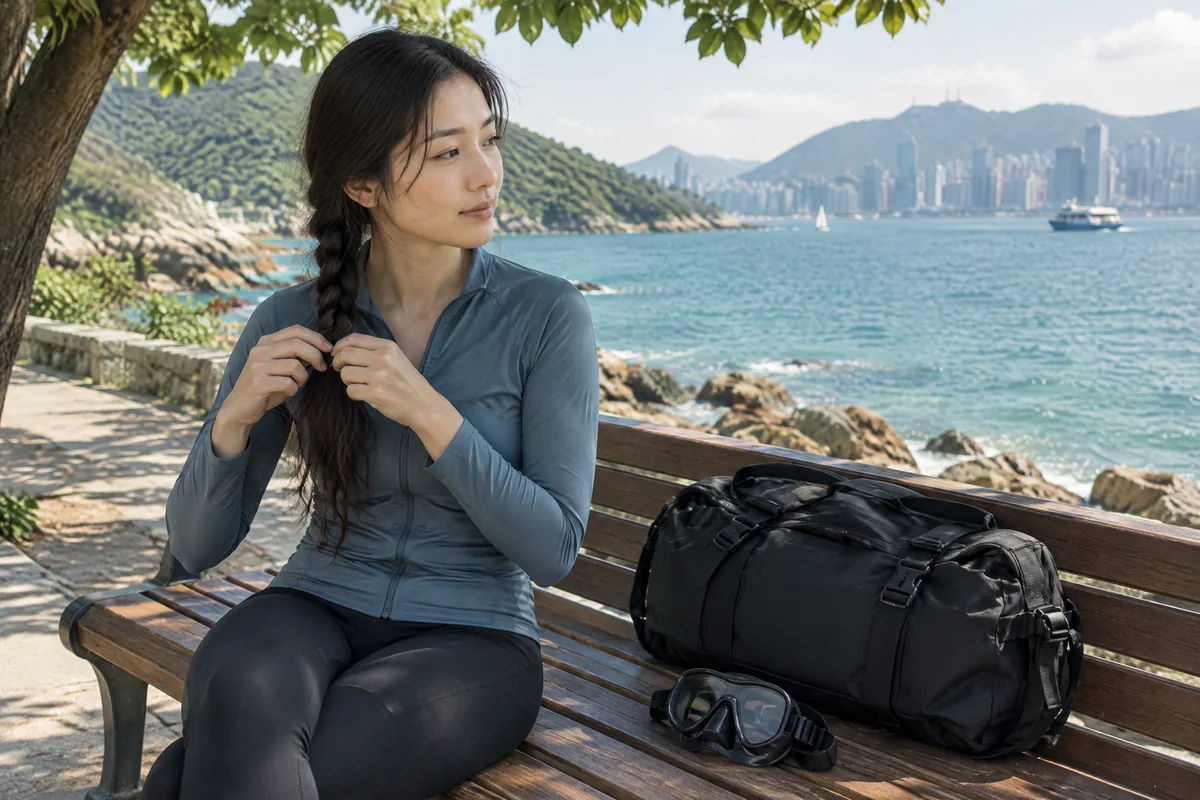
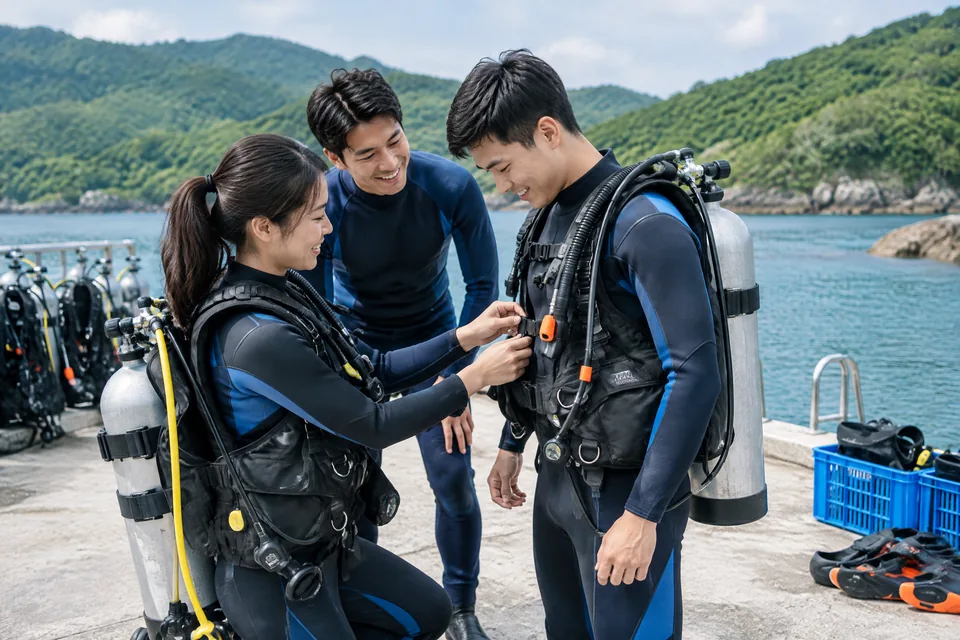
Men's dive perm shape plan illustrated with a diver preparing hair before a coastal activity
Illustration · a pre-activity hair preparation scene, not a real client or salon result.

Instructor qualifications

One clear teaching conversation from first breath to next step

DiveHarbour brings together scuba teaching, swimming, lifesaving and water-rescue experience so you can ask practical questions before choosing a course.

  • PADI teaching backgroundTeaching experience across recognised scuba learning pathways.
  • SSI teaching backgroundClear explanations when you are comparing agency routes.
  • NAUI teaching backgroundA practical, standards-aware approach to learning and progression.
  • Swimming foundationWater confidence and calm, step-by-step practice matter.
  • Lifesaving experienceSurface awareness and prevention stay part of the conversation.
  • Pool rescue experienceControlled practice can build confidence before open water.
  • Beach rescue experienceLocal water context informs sensible preparation.
  • Kayak rescue experienceA wider water-safety perspective supports good judgement.
  • PWC rescue experienceAsk about the right learning route for your experience and goals.

Brand relationship: DiveHarbour and Vit So share the same owner.

This guide was compiled by DiveHarbour. The Vit So links provide external hair-service information for reference; they are not a diving-safety, medical, or service-outcome guarantee.

A useful fact to keep in mind

The American Academy of Dermatology advises rinsing and washing hair after swimming, while also noting that sun and pool exposure can stress hair.

Check the source
Key takeaways

Four points to carry forward

  • Describe the post-hood outline you want before naming a service: movement on top, flatter sides, or both.
  • Treat a men's perm and a down perm as different shape conversations, not interchangeable labels.
  • Bring photos of your hair wet and dry, plus your hood pressure points and recent chemical-service history.
  • Ask about rinsing, drying, and styling after the dive, but confirm all processing and scheduling details with the stylist.
Start here

Men's dive perm shape plan: begin with the shore exit

A men's dive perm shape plan starts with the shape you need after the hood comes off

A hood can press the crown, flatten the fringe, and leave the sides sitting differently from the way they did before the dive. That is why a useful consultation starts at the exit, not with a reference photo alone. Describe where you want movement, where you want control, and how much time you will have to dry your hair before the next activity. This turns a vague request for a perm into a shape brief that another person can assess.

Think in three zones. The top may need movement or a softer bend. The sides may need a closer outline under a hood. The ends may need a clean cut so the shape does not look heavy when damp. Your natural density, current length, wave pattern, previous colour or chemical work, and scalp condition still matter. A diver's routine can guide the conversation, but it cannot replace an individual hair assessment.

  • Take one photo with your hair dry and one after a normal rinse, without forcing the shape into place.
  • Note where the hood presses: crown, fringe, temples, or the back of the head.
  • Write down whether you air-dry, towel-dry, or use a dryer before your next shore-side plan.
The goal is not a hood-proof promise. The goal is a clear description of the shape you want to rebuild after water, pressure, and drying.
Guide · 02

Use a men's perm conversation for top movement

When the main question is lift, bend, or texture on top

A men's perm conversation usually makes sense when the main visual change is on top. You may be trying to create a visible bend, support a parting, or give longer hair a direction that is easier to restyle after it has been compressed. The important detail is the desired movement, not the word perm by itself. Tell the stylist whether you want a subtle change, a clearer curl, or movement that still leaves room for a short post-dive routine.

For external service information, you can review the men's perm page and use it to prepare questions rather than to assume a result. Ask which sections would be treated, how your current length affects the plan, and what your recent colour or straightening history changes. A service page cannot inspect your hair. The final discussion should account for density, porosity, breakage, scalp comfort, and the way your hood sits.

  • Point to the top area that should move, and mark the areas that should stay relatively calm.
  • Ask how the proposed shape will be restyled when the hair is damp rather than fully dry.
  • Disclose bleaching, colour, straightening, previous perms, breakage, or unusual scalp discomfort before discussing processing.

Swipe the table to compare all columns.

Compare the three service conversations by the shape problem you are trying to solve
ConversationMain shape focusQuestions to take to assessment
men's permMovement, bend, or texture on topWhich top zones need movement? What length and chemical history matter?
down permControl at the sides or selected outline areasWhere is the bulk or flare? How will natural growth and the cut affect control?
haircut and down permA revised cut plus targeted side controlWhat should be cut first? Which part needs separate assessment and confirmation?
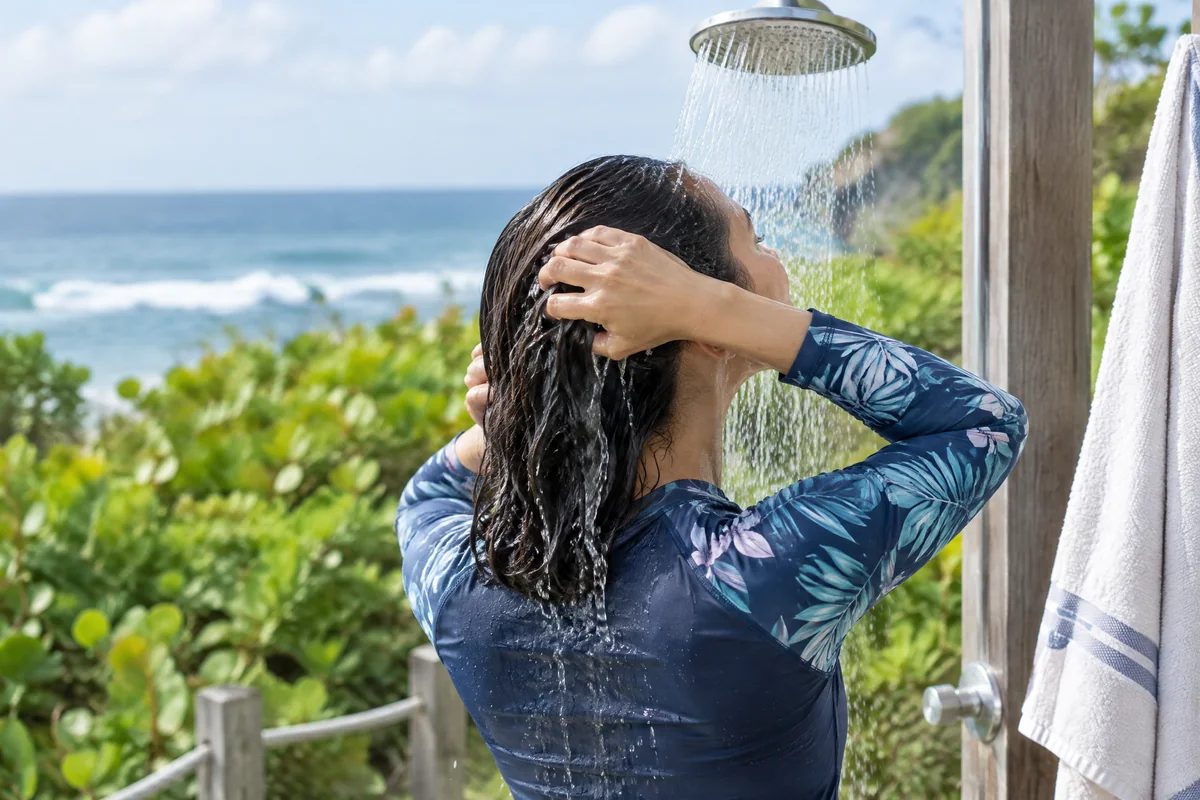
Illustration of the rinse step in a men's dive perm shape plan after swimming
Illustration · a post-swim rinse routine, not a treatment demonstration.
Guide · 03

Use a down perm conversation for side control

A down perm is a side-and-outline question, not a substitute for top movement

A down perm conversation focuses on hair that stands out or feels too full at the sides, temples, or another agreed area. That can be relevant when a hood repeatedly presses the sides and the diver wants a tidier outline after removing it. It does not automatically create the top movement that a longer, textured shape may need. Separate those aims: side control is one question, while curl direction and crown volume are other questions.

The down perm page can serve as an external reference when you are making a question list. Ask where the service would be placed, how the cut and natural growth pattern affect the outline, and what maintenance the stylist expects. Avoid describing it as protection from water, salt, chlorine, or hood pressure. It is a cosmetic shape conversation, and suitability depends on an assessment of the actual hair and scalp.

  • Circle the side areas that flare, fold, or feel bulky after the hood is removed.
  • Ask whether the planned control is separate from the top shape and fringe direction.
  • Compare the proposed outline with your usual parting, glasses, mask strap, and helmet or hood fit.
A flatter side does not mean every other area should be made flat. Keep top movement and side control as separate decisions.
Guide · 04

Know when haircut and down perm belong together

Cut length sets the outline; targeted control may be a second conversation

Sometimes the right question is not perm or no perm. The shape may need a haircut first, followed by a discussion about targeted side control. Removing weight can change how the sides sit, while retaining enough length on top can preserve movement. If the cut is too short for the intended direction, adding a chemical service will not turn it into the same reference photo. Start by agreeing on the outline, the retained length, and the zones that need more control.

The haircut and down perm page is an external service reference for preparing that conversation. Ask whether the stylist would assess the cut and the control together, what information they need about your last service, and how you should describe the hood's contact points. Do not assume a combined label means a fixed package, price, timing, or same-day availability. Confirm the actual scope directly with the service provider.

  • Show the shortest length you can accept at the sides and back, not only the length you prefer on top.
  • Ask which shape will be cut before any targeted chemical service is considered.
  • Confirm what is included, what needs separate assessment, and which scheduling details remain unconfirmed.
Hair consultation planning for a men's dive perm shape plan
Illustration · an unbranded consultation planning scene, not a Vit So shop or real client.
Guide · 05

Build the post-dive styling routine before choosing

Your available shore-exit time is part of the shape brief

A practical plan separates water hygiene from styling expectations. The AAD advises rinsing and washing hair after swimming and describes sun and pool exposure as stresses that can affect hair. [1] For a diver, that means the post-exit routine should be stated plainly: fresh-water rinse, gentle wash when appropriate, towel handling, drying method, and the point at which you will apply a styling product. This is not a promise that a perm will resist water or that a particular routine suits every scalp.

If the dive is part of Hong Kong shore diving, plan for the real transition from exit to transport or the next activity. The same cut may feel manageable when you have time to dry it and less manageable when you leave with wet hair under a cap. The best time to dive in Hong Kong can help with broader trip planning, but it does not set a salon processing schedule. Keep those decisions separate.

  • Pack a clean towel and decide whether you can rinse and dry before travelling onward.
  • Use a comb or fingers gently, rather than pulling through hair that is wet and compressed.
  • Ask the stylist to explain a short restyling sequence that matches your actual tools and time.

Swipe the table to compare all columns.

Post-dive planning checklist: separate what you do from what you must ask
StageYour practical actionQuestion for the right provider
Before the diveRecord hood pressure points and pack a clean towelWill the planned outline fit the equipment and your normal routine?
After leaving the waterRinse, handle wet hair gently, and dry as your routine allowsWhich short styling steps suit your hair after it is damp?
Before a chemical serviceList previous colour, bleach, straightening, or perm workDoes the hair need an individual assessment before any service is accepted?
For diving decisionsKeep salon and dive planning notes separateWhat should be confirmed with the dive operator or instructor rather than the stylist?
AAD guidance supports a rinse-and-wash routine after swimming; it does not provide a waiting time for a newly processed perm. [1]
Guide · 06

Turn the plan into an individual assessment

Bring evidence, ask direct questions, and keep diving advice separate

Before booking, prepare a compact record rather than relying on a salon label. Include your current length, natural texture, recent chemical services, breakage, scalp concerns, normal wash pattern, and how often a hood or helmet presses the hair. Add the shape you want at the next shore exit and the amount of styling you will realistically do. The stylist can then decide what needs closer examination and what should be changed in the brief.

For swimming context, the CDC recommends showering before entering a pool and drying ears thoroughly after swimming as part of healthy-swimming practice. [2] That is separate from hair design. A stylist should not be expected to decide whether you are fit to dive, and a diver should not treat a cosmetic service as safety equipment. Confirm diving questions with the appropriate dive operator or instructor, and confirm service scope, suitability, and timing directly with the hair provider.

  • Bring front, side, and back photos taken in ordinary lighting, plus a photo after your usual rinse if possible.
  • Ask what would change if the stylist finds fragile ends, scalp sensitivity, or a history of overlapping chemical work.
  • Before proceeding, repeat the agreed zones, retained length, upkeep steps, and any details that still require confirmation.
A consultation is successful when you leave with a shared shape description and clear questions still open, not when a label sounds impressive.
Shore-side styling illustration for a men's dive perm shape plan
Illustration · a shore-side styling scenario, not a guaranteed post-dive result.
A sensible next step

Take the question with you

Choose the conversation that matches the shape problem you can describe: top movement, side control, or a cut plus targeted control. Then take your wet-and-dry photos, hood pressure points, chemical history, and real drying routine to an individual assessment. Keep water-care guidance and diving decisions with the relevant sources rather than treating a salon label as a safety instruction.

Questions to ask

Common questions

Is a men's perm the same as a down perm?

No. In this guide, a men's perm is discussed mainly as a top-movement or bend conversation, while a down perm focuses on controlling selected side or outline areas. The exact plan still depends on your hair assessment.

Should I ask for a haircut and down perm together?

Ask about both when you want a revised outline as well as targeted side control. The stylist may need to assess the cut, retained length, natural growth, and recent chemical history before confirming the scope.

Does a dive hood mean I need a down perm?

No. A hood describes a pressure and styling situation, not a universal service choice. You may need a different cut, top movement, side control, or simply a clearer post-dive routine.

Does this guide give a waiting time after a perm before diving?

No. It deliberately does not invent a chemical waiting time. Ask the stylist about the service and your hair condition, and keep diving or water-safety decisions with the appropriate dive operator or instructor.

Further reading

Official sources worth checking

Continue exploring

Keep comparing practical questions before you choose a course, activity or preparation step.

Coastal life and hair care · Updated 2026-11-06

Post-swim family hair routine: wash, trim and dry with ease

Plan a post-swim family hair routine with rinse, wash, trim and drying choices. Compare salon questions and check the next step.

post-swim family hair routine
Coastal life and hair care · Updated 2026-11-06

Coastal wavy haircut upkeep: keep shape after swims

Plan coastal wavy haircut upkeep around wet movement, retained length and your swim-day routine. Read the checklist before booking.

coastal wavy haircut upkeep

Coastal life and hair care · Updated 2026-11-06

Coastal men's undercut shape guide: compare wet styling

Read the coastal men's undercut shape guide: compare wet outline, side length and curl behaviour, then plan your coastal cut.

coastal men's undercut shape guide
Your next step

Ask about diving courses or coastal trip planning

Message DiveHarbour on WhatsApp to discuss diving courses or coastal trip planning, along with your experience and preferred dates.

Ask about diving courses or coastal trip planning
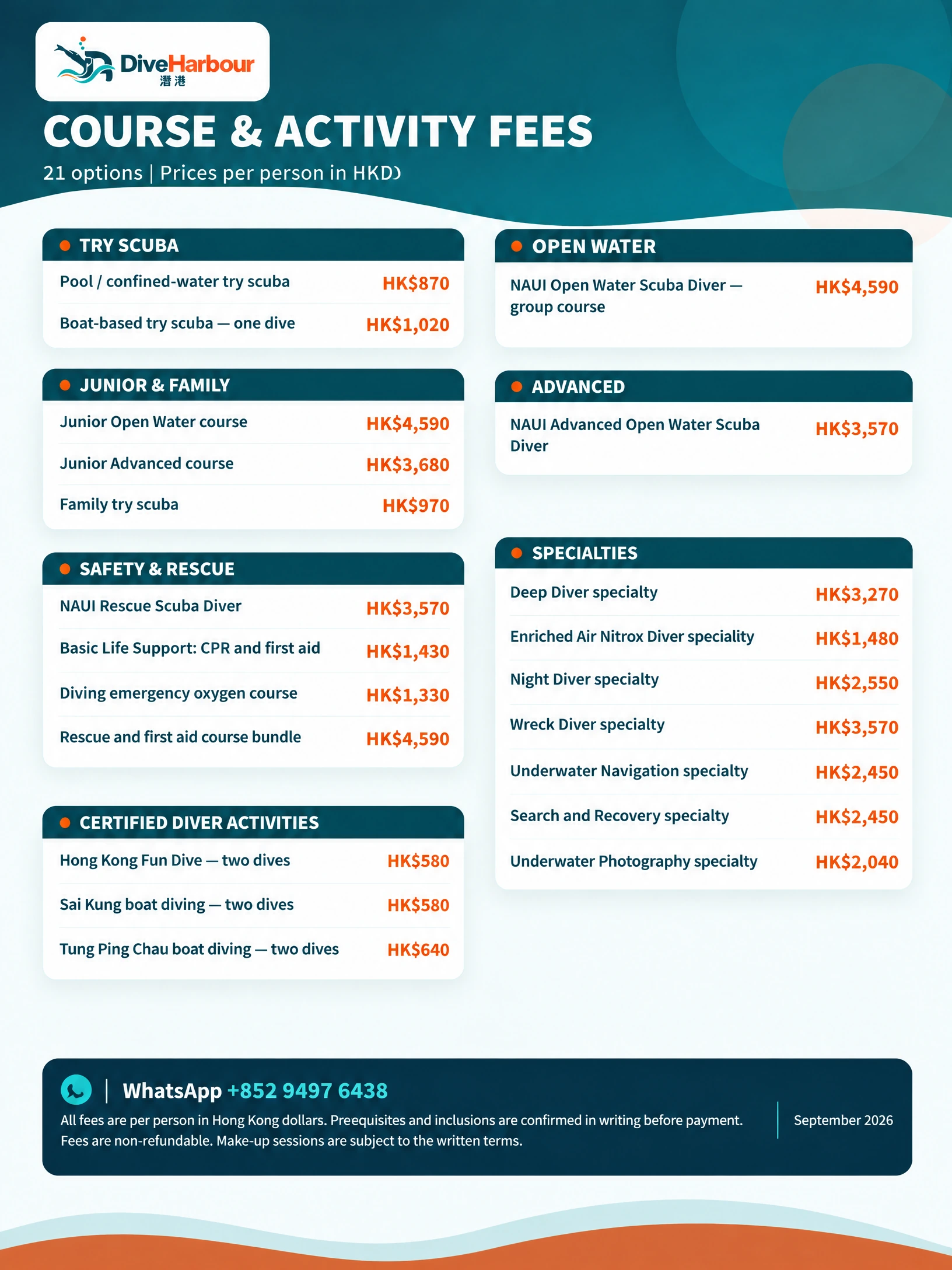
English price list for 21 DiveHarbour courses and activities, with fees per person in Hong Kong dollars
Tap the price list to view it at full size.

Plan your next dive

Course fees, clearly set out

Compare our published course and activity fees before choosing your next step. All prices are per person in Hong Kong dollars.

Before you book, we confirm prerequisites, materials, certification, equipment, venue and boat arrangements in writing. Ask us about fees for courses not listed here.

All fees are non-refundable. Make-up sessions are subject to the written terms.

Read all course fees
DiveHarbour course and activity fees per person in Hong Kong dollars
Course / activityPer person
Pool / confined-water try scubaHK$870
Boat-based try scuba — one diveHK$1,020
NAUI Open Water Scuba Diver — group courseHK$4,590
Junior Open Water courseHK$4,590
Junior Advanced courseHK$3,680
Family try scubaHK$970
NAUI Advanced Open Water Scuba DiverHK$3,570
NAUI Rescue Scuba DiverHK$3,570
Basic Life Support: CPR and first aidHK$1,430
Diving emergency oxygen courseHK$1,330
Rescue and first aid course bundleHK$4,590
Deep Diver specialtyHK$3,270
Enriched Air Nitrox Diver specialtyHK$1,480
Night Diver specialtyHK$2,550
Wreck Diver specialtyHK$3,570
Underwater Navigation specialtyHK$2,450
Search and Recovery specialtyHK$2,450
Underwater Photography specialtyHK$2,040
Hong Kong Fun Dive — two divesHK$580
Sai Kung boat diving — two divesHK$580
Tung Ping Chau boat diving — two divesHK$640