

A useful fact to keep in mind
Sharp Island stretches 2.5 kilometres from north to south, according to the Hong Kong Tourism Board.
Check the sourceA Hong Kong snorkeling experience for a relaxed day on the water
Choose a snorkelling outing that fits your group
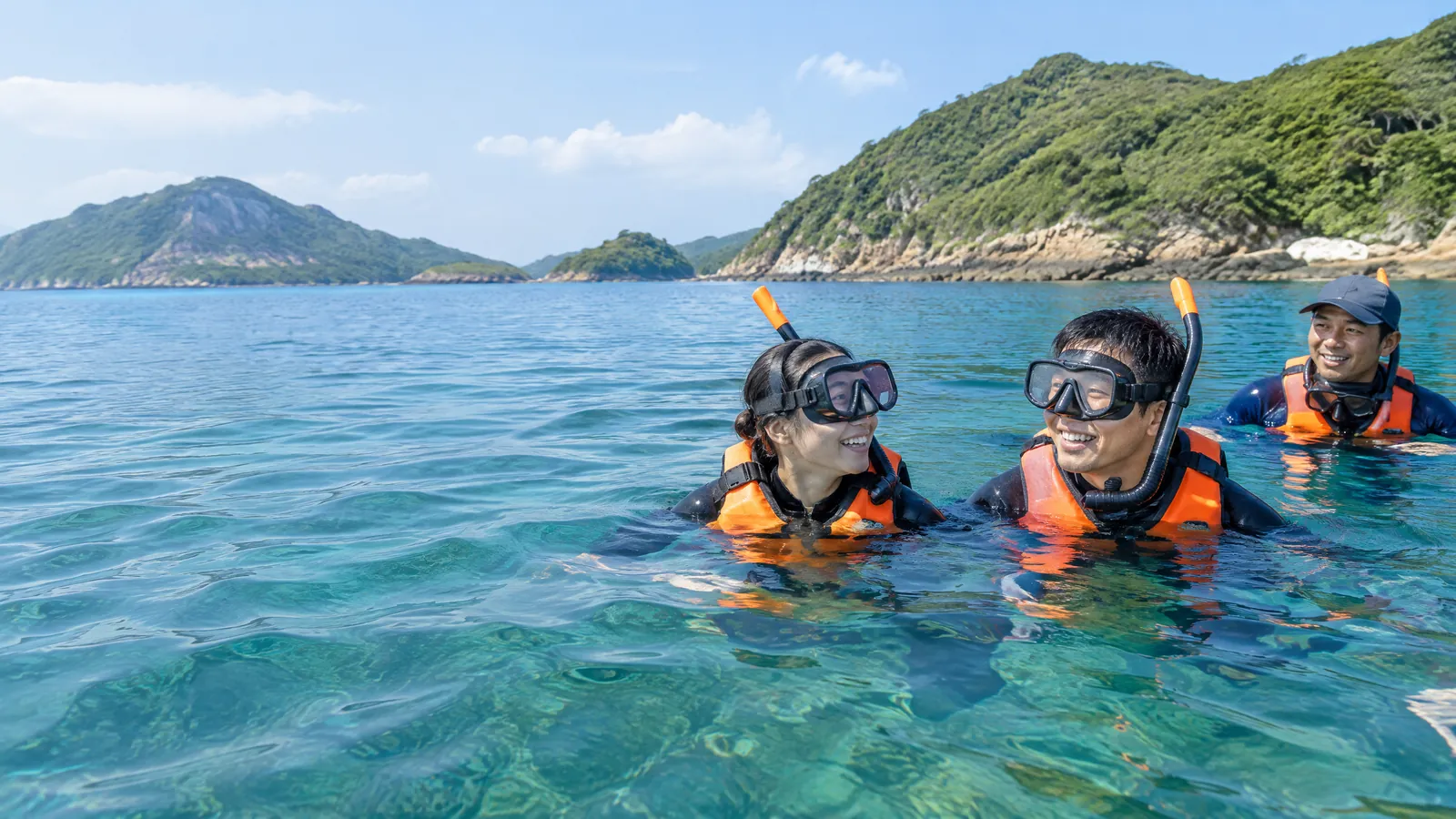
Snorkelling is a surface-based way to enjoy Hong Kong's coastline: you float, breathe through a snorkel and look down into shallow water rather than learning scuba skills or carrying a cylinder. That makes it appealing for visitors, families and friends with mixed interests, provided everyone is comfortable in open water and willing to follow the guide's instructions. A good outing is not defined by seeing a particular animal; it is defined by a sensible match between people, place and conditions.
For a first Hong Kong snorkeling experience, tell DiveHarbour who is coming, whether anyone is a nervous swimmer, and what you hope to do. Some people want a gentle look at rocks and reef habitat; others want a more active day with a boat ride, beach time or photography. Children and adults may need different pacing, flotation support or rest breaks. If someone is not confident putting their face in the water, a beach visit or a short supported try may be more suitable than an ambitious open-water itinerary.
You do not need scuba certification to snorkel, but basic water confidence matters. Stay within the guide's boundaries, keep a comfortable distance from the boat and other swimmers, and avoid touching coral, shells or wildlife. Snorkelling is observation, not collecting. A properly fitted mask, snorkel and fins can make the experience calmer, but equipment cannot replace judgement: a participant who feels cold, tired, seasick or overwhelmed should signal early and return to a safe rest point.
- Share ages, swimming experience, health considerations and preferred pace when enquiring.
- Choose a morning or afternoon plan only after checking the proposed meeting point and return timing.
- Bring sun protection, drinking water, a towel and a dry change of clothes; use reef-friendly habits in the water.

What to consider before a Sai Kung snorkeling tour
Location, conditions and personal comfort
Sai Kung is attractive because a boat can connect town, beaches, islands and clear-looking coastal water in one outing. The exact spot still matters. A sheltered cove may feel reassuring for beginners, while a more exposed route can involve chop, current, longer boat time and fewer easy exits. Ask whether the proposed route is suitable for your group's ability rather than assuming that a famous location is automatically comfortable on your date.
Sharp Island is a useful reference point when planning. Sharp Island stretches 2.5 kilometres from north to south, according to the Hong Kong Tourism Board. The board also describes it as a short kaito ride from Sai Kung and part of the Hong Kong UNESCO Global Geopark. Its guide highlights snorkelling near the island's coral reefs and marine life, while also noting beaches, a tombolo and a two-kilometre trail between Kiu Tsui Beach and Hap Mun Beach. These are destination facts, not a promise that every DiveHarbour arrangement visits every feature or that visibility will be the same on every day.
Weather, wind, swell, rainfall, water visibility and boat operations can change the practical plan. A responsible operator may adjust the location, shorten water time or postpone an outing when conditions are unsuitable. Confirm how you will be updated, what happens if the boat cannot operate, and whether you should wait for a written revised arrangement. Do not treat an online photograph, a previous timetable or another operator's tour description as a guarantee for your booking.
Personal comfort deserves equal attention. Motion sickness can be made worse by heat, an empty stomach or a long ride, so ask about the expected travel time and prepare conservatively. People with medical concerns should seek appropriate clinical advice; a guide can discuss activity logistics but cannot provide medical clearance. Never force breath-holding, ear equalisation or water entry. A buddy system, clear signals and close attention to the briefing are more valuable than trying to stay in the water for a target duration.

Planning a snorkeling day trip Hong Kong visitors can enjoy
Ask DiveHarbour about the current arrangement
A comfortable day starts with a practical enquiry. Include your preferred date, number of participants, ages, swimming ability, language needs and whether you are travelling onwards afterwards. Ask where to meet, how you reach the pier, how long the boat journey may take, what equipment is supplied, and whether a guide remains with the group in the water. If a participant needs a life jacket or other flotation aid, raise it before confirmation so the team can explain what is available.
The Hong Kong Tourism Board's Sharp Island information describes a local half-day format with a 15-minute briefing and demonstration followed by 2–2.5 hours of sea snorkelling, but that is an example published for a local tour and not a DiveHarbour promise. Treat those figures as useful context when comparing a snorkeling day trip Hong Kong visitors may find online. Ask instead for the current proposed duration, water time, transport and inclusions in writing.
If your group is curious about breath-hold training, keep the activities separate. The practical risks and supervision needs differ between surface snorkelling and freediving. Read about freediving vs snorkeling safety before combining expectations, and choose a dedicated course only if structured training is genuinely your goal. A snorkelling enquiry should not quietly turn into a freediving lesson.
- Request a clear list of included equipment, transfers, guide supervision and any items you must bring.
- Ask how weather or sea conditions affect the plan and where any change will be communicated.
- Keep the booking flexible if you have a flight, ferry, hike or restaurant reservation later that day.

Snorkelling, freediving and scuba: choosing the right next step
Match the activity to your learning goal
A casual snorkel is about floating observation and enjoying a coastal outing. It is a good choice when your group wants low-commitment water time and does not need certification. Freediving involves breath-hold skills, technique and dedicated safety practice; scuba involves equipment, gas management and formal training. Comparing the labels alone is not enough: consider how much instruction, physical effort and preparation you actually want.
If you want a structured introduction to breath-hold technique after trying snorkelling, explore the AIDA 2 Freediver course Hong Kong option and ask about prerequisites, supervision and course scope. More experienced learners can enquire about AIDA 3 freediver certification Hong Kong. These are separate pathways, not upgrades automatically included in a snorkelling outing.
Safety-focused learners may prefer a dedicated freediving safety and rescue course Hong Kong or the SSI Freediver course Hong Kong route. Compare the agency, learning outcomes and instructor-led practice rather than choosing solely by name. For today's outing, stay within surface-snorkelling limits and tell the guide if your aims have changed.
A simple checklist for booking and packing
Make the day easier before you reach the pier
Before confirming, write down the agreed meeting location, reporting time, estimated return, contact person and what happens if transport is delayed. Check whether the quoted arrangement includes mask, snorkel, fins, flotation, boat transfer, guide service and any beach access. If equipment is not included, ask about sizing and whether you may use your own. Wear a swimsuit under quick-drying clothes, bring a towel and protect valuables from spray. Leave enough margin for travel to Sai Kung rather than planning a tight connection.
On the day, listen to the briefing even if you have snorkelled before. It should cover entry and exit, buddy spacing, hand signals, boat awareness, boundaries and what to do if separated. Enter slowly, test your mask seal and keep a calm breathing rhythm. Do not chase fish, stand on coral, feed animals or lift rocks. If the group is split by ability, follow the guide's arrangement rather than drifting away to find a better view.
After the outing, rinse and return borrowed equipment as instructed, take care of the shoreline and share feedback about comfort or clarity. A respectful visit helps preserve the places that make Sai Kung special. Conditions are variable, so a day with modest visibility can still be worthwhile when expectations are realistic and the group returns rested.

Compare the practical formats before you enquire
A useful conversation saves disappointment
There is no single best snorkelling format. A private conversation may suit a family with different confidence levels; a shared boat can work for travellers who enjoy meeting others; and a beach-based session may be preferable when someone is sensitive to boat motion. Use the table as a starting point, then ask DiveHarbour what is actually available on your intended date. The final arrangement, price and availability should be confirmed directly rather than inferred from a general page.
If you later decide that you want scuba rather than surface exploration, explain that change before booking. The team can point you towards a suitable course or dive enquiry, but snorkelling and scuba have different prerequisites and equipment. Clear communication is especially important where a group includes children, non-swimmers or people with health concerns.

Which snorkelling format may fit your group?
| Format | Best for | Check before booking |
|---|---|---|
| Sheltered beach or cove | First-timers and people who prefer easy rest breaks | Entry, exit, flotation and whether water conditions remain suitable |
| Shared Sai Kung boat outing | Visitors wanting island scenery and a social day | Meeting point, boat time, group size, route and return timing |
| Private or small-group arrangement | Families or mixed-ability groups needing a tailored pace | Supervision, equipment sizes, proposed site and weather policy |
| Snorkelling plus shore time | Groups that want a flexible water-and-land day | Beach access, walking distance, shade, food and luggage storage |
Snorkelling in Hong Kong and Sai Kung — common questions
Is snorkelling suitable for someone who has never scuba dived?Toggle answer
Yes, snorkelling does not require scuba certification, but you should be comfortable in the water and able to follow safety guidance. Tell DiveHarbour about your experience, swimming confidence and any relevant health concerns so the arrangement can be discussed responsibly. A beginner can start gently, use suitable flotation and return to shore or the boat whenever needed.
Can I enquire about a Sai Kung snorkelling outing for my group?Toggle answer
Yes. Contact DiveHarbour on WhatsApp with your preferred date, group size, ages and ability levels. The team can explain the proposed location, conditions, supervision and practical details without presenting an unconfirmed trip, price or availability as guaranteed.
What should I ask about a Hong Kong snorkeling experience?Toggle answer
Ask about the meeting point, transport, expected water time, guide supervision, equipment, flotation, weather decisions, group size and return timing. Also disclose nervous swimmers, motion sickness, relevant medical concerns and any onward travel. These details help the operator suggest a realistic arrangement rather than a generic itinerary.
Are snorkelling fees refundable, and can I automatically reschedule?Toggle answer
Fees are non-refundable unless the written booking terms say otherwise. Make-up sessions or changes are available only where those written terms permit them; no automatic reschedule date is guaranteed. Ask for the cancellation and weather policy before paying, and keep the confirmed terms for reference.
Can I practise freediving during a snorkelling outing?Toggle answer
Do not assume that breath-hold training is included. Snorkelling and freediving require different instruction and safety boundaries. Stay on the surface unless the confirmed service specifically provides appropriate supervision, and enquire about a dedicated freediving course if structured training is your goal.
Take the question with you
The best next step is to message DiveHarbour with your date, group details, swimming confidence and preferred pace. Ask for the proposed Sai Kung or Hong Kong location, transport, equipment, supervision, weather plan, written terms and current availability. With those points clear, you can choose a relaxed snorkelling outing—or decide honestly that a beach day, freediving course or scuba pathway suits your group better.
Sources worth checking
- Hong Kong Tourism Board: Sharp Island
The Hong Kong Tourism Board identifies Sharp Island as a short kaito ride from Sai Kung, part of the Hong Kong UNESCO Global Geopark, and 2.5 kilometres from north to south; it describes snorkelling near coral reefs and marine life.
- Agriculture, Fisheries and Conservation Department: Hoi Ha Wan Marine Park
The AFCD advises visitors to avoid damaging natural habitats when snorkelling or scuba diving and not to stand on them.
Useful next reads for your plan
If you are still comparing routes, these related pages give you practical questions to bring into your next conversation with an instructor.
Put your plan into practice
Useful planning guides
Breath Hold Activity Safety Plan for Hong Kong
Use this breath hold activity safety plan worksheet to compare practical options, check key decision points, and confirm current details with DiveHarbour.
breath hold activity safety plan
