
SAFE LEARNING · HAPPY EXPLORING
DiveHarbour

DiveHarbour · Practical guide

Post-swim family hair routine: wash, trim and dry with ease

A reliable post-swim family hair routine starts with a quick rinse, a simple child-by-child check, and a realistic drying plan. Decide whether you need a wash-and-blow-dry, a trim, or a low-maintenance cut by recording the next activity, hair length, and how much hands-on styling the family can manage. The same checklist can work for pool days, beach days, and lessons.

By DiveHarbour7 min read
Ask about diving courses or coastal trip planning Read the guide
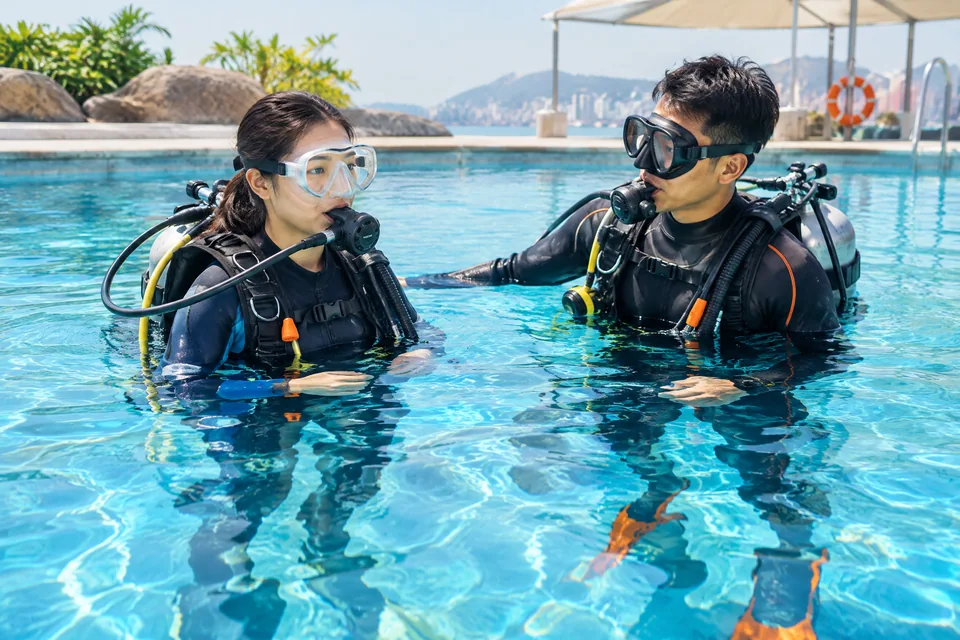
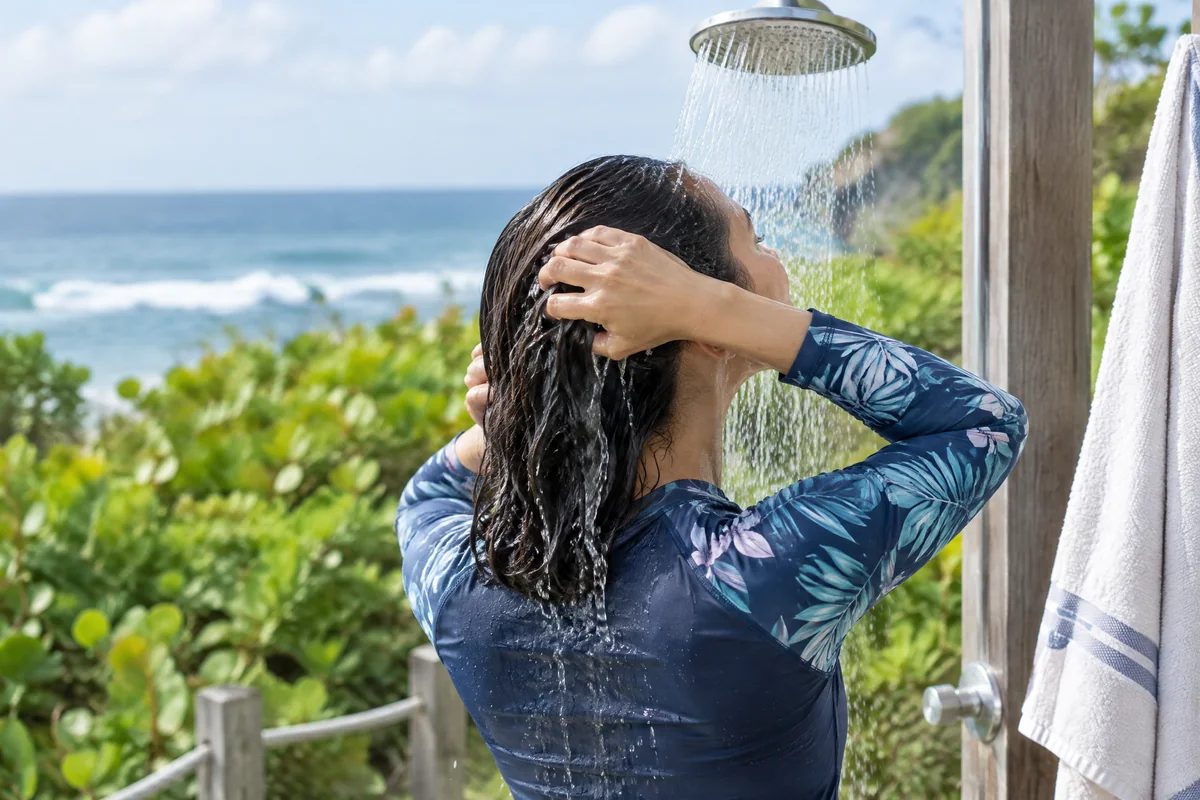
Post-swim family hair routine showing a fresh-water rinse after swimming
Illustration · a fresh-water rinse as the first family hair-care step.

Instructor qualifications

One clear teaching conversation from first breath to next step

DiveHarbour brings together scuba teaching, swimming, lifesaving and water-rescue experience so you can ask practical questions before choosing a course.

  • PADI teaching backgroundTeaching experience across recognised scuba learning pathways.
  • SSI teaching backgroundClear explanations when you are comparing agency routes.
  • NAUI teaching backgroundA practical, standards-aware approach to learning and progression.
  • Swimming foundationWater confidence and calm, step-by-step practice matter.
  • Lifesaving experienceSurface awareness and prevention stay part of the conversation.
  • Pool rescue experienceControlled practice can build confidence before open water.
  • Beach rescue experienceLocal water context informs sensible preparation.
  • Kayak rescue experienceA wider water-safety perspective supports good judgement.
  • PWC rescue experienceAsk about the right learning route for your experience and goals.

Brand relationship: DiveHarbour and Vit So share the same owner.

This guide is compiled by DiveHarbour. Vit So links provide external hair-service information for reference only; they are not independent certification or professional endorsement, and this article is not a diving-safety, medical, or service-outcome guarantee.

A useful fact to keep in mind

The American Academy of Dermatology recommends rinsing hair immediately after swimming, then washing and following with a deep conditioner.

Check the source
Key takeaways

Four points to carry forward

  • Pack a separate rinse-and-dry kit for each child instead of sharing one tangled bundle.
  • Choose wash-and-blow-dry when the immediate need is clean, presentable hair rather than a new shape.
  • Ask about a kids haircut when length, fringe, or an uneven outline is the actual problem.
  • Describe your normal drying time before asking for a cut for a busy lifestyle.
Start here

Start the post-swim family hair routine before leaving home

Post-swim family hair routine planning begins with roles, not products

A family swim day becomes easier when hair care is treated as a small handover. One adult watches the children in the water, while another keeps the towels, combs, and spare clothes together. These roles do not replace active supervision. The CDC says children should be watched at all times while swimming, and it recommends drying ears thoroughly afterwards. [2] Hair care starts only when everyone is safely out of the water.

Before leaving home, write down the next destination and the latest point at which hair must look presentable. A child going straight to dinner needs a different plan from a child going home for a bath. If the day includes Hong Kong shore diving, keep diving decisions and family grooming decisions separate. The hair plan should support the schedule, not become a reason to rush a water activity.

  • Put each child's towel, comb, and spare top in a labelled bag.
  • Note whether the water is a pool, beach, lake, or sea swim.
  • Agree who handles rinsing, changing, snacks, and transport.
  • Set the next-activity time before choosing a salon service.

Swipe the table to compare all columns.

Choose the first response to a family's post-swim need
What you noticeFirst responseQuestion to ask next
Hair is wet but the shape is acceptableRinse, blot, detangle, and dryCan a wash-and-dry service meet the immediate need?
A fringe, edge, or end length is inconvenientRecord the exact area to shortenWould a trim preserve the familiar outline?
The child needs a new length or easier outlineDescribe school and swim-day routinesWhat should be discussed for a kids haircut?
Several family members need different thingsWrite one brief per personCan the service confirm scope and arrangements directly?
Guide · 02

Rinse first, then choose the level of wash and drying

A clean exit can be simpler than a full haircut appointment

At the exit, remove the cap or goggles carefully and blot rather than rough-drying the hair. A fresh-water rinse is a useful first step. The American Academy of Dermatology advises rinsing hair immediately after swimming, then washing and following with a deep conditioner. [1] Treat that as general care guidance. It does not tell you that a particular salon treatment is safe at a particular time.

Now ask what the family actually needs. If the shape is fine but hair is wet, salty, or full of pool residue, the service question is mainly washing and drying. If the ends or fringe are getting in the way, add a trim question. For an external service reference, review wash cut and blow dry and ask which steps are included, how children are handled, and what should be disclosed before arrival.

  • Rinse each head before detangling, especially after a long swim.
  • Blot with a towel and start at the ends when combing.
  • Choose wash and drying when the outline still works.
  • Ask about a trim only when a specific length or edge needs changing.
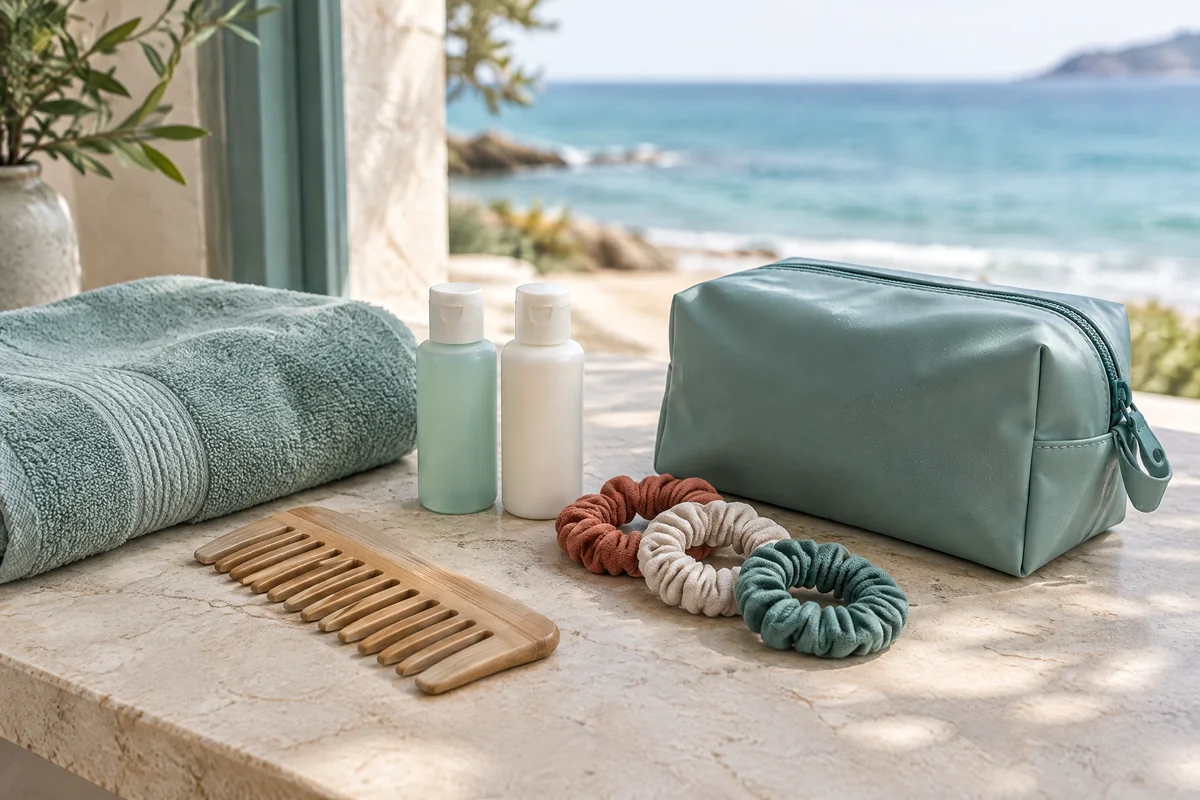
Family swim-day hair-care kit with towels, combs, and spare accessories
Illustration · a simple hair-care kit prepared for a family swim day.
Guide · 03

When a child needs a kids haircut rather than a trim

Use the child's routine and comfort to define the request

A trim is a narrow request: keep the familiar outline and tidy a defined area. A children's cut may involve a new length, a different fringe position, or an outline that needs to work with school, sport, and frequent washing. Do not assume that every child needs the same service as a sibling. Record what becomes difficult after swimming, such as hair covering the eyes, knots at the neck, or a shape that needs adult styling.

For a service-page reference, see kids haircut and prepare questions rather than assuming the page answers them all. Ask what information the stylist needs about the child's preferred length, sensitivity to water or dryers, and ability to sit through the visit. A parent can also bring a recent photo of the child's usual hair, but the photo should illustrate a goal, not promise an identical result.

  • Write the shortest acceptable length and the length to preserve.
  • Mark whether the fringe must stay out of the eyes when wet.
  • Tell the service about dryer, spray, or neck-brush sensitivities.
  • Bring one familiar photo and one picture of the current hair.
Guide · 04

Match the cut to a busy family schedule

A post-swim family hair routine should survive ordinary mornings

The most useful low-maintenance brief describes what happens on a rushed morning. Say whether hair is usually air-dried, towel-dried, or finished with a dryer. Explain how often the family swims and whether anyone wears a cap or keeps hair tied back. The goal is not to promise a style that stays perfect after water. It is to help the service discuss a shape that fits the time and tools you can realistically use.

The phrase haircut for a busy lifestyle can point you to an external style-planning reference. Ask how much daily reshaping the proposed cut may require and what the simplest wet-to-dry routine would be. If a family dive or shore outing is part of the plan, check the best time to dive in Hong Kong separately. Seasonal activity planning is not a guarantee about hair behaviour.

  • State the maximum styling time you can give each person.
  • Describe the tools you actually carry on swim days.
  • Mention caps, clips, braids, or ties used during activity.
  • Ask for the simplest wet-hair reset, not a best-case finish.

Swipe the table to compare all columns.

The four details to include in a busy-family hair brief
DetailExample recordWhy it matters
Water and frequencyPool twice weekly; occasional sea swimSets the real post-swim context without promising an outcome
Next activityHome, meal, school event, or travelShows whether drying is urgent or can happen later
Shape requestKeep length; tidy fringe; change outlineSeparates a trim from a larger haircut discussion
Daily effortAir-dry most days; little time for stylingKeeps the consultation grounded in ordinary upkeep
Planning a post-swim family hair routine before asking about a kids haircut
Illustration · service questions and hair details organised before an enquiry.
Guide · 05

Build a practical drying and sun plan

Drying order matters when several people share one exit

A workable family order is rinse, towel blot, gentle detangle, then dry the youngest or most time-sensitive person first. Keep the hair loosely contained while another family member changes. Avoid treating a towel turban or tight tie as a fixed solution for every texture. If a child has scalp discomfort, persistent itching, or another health concern, ask a qualified healthcare professional rather than turning a cosmetic appointment into medical advice.

Outdoor swimming adds sun exposure to the same day. The AAD suggests a wide-brimmed hat, shade, and a swim cap or leave-in product as possible protective measures, while the Skin Cancer Foundation explains that a tightly woven, wide-brimmed hat can shade the scalp and neck. [1] [2] Use the option that fits the child, water rules, and comfort. None is a promise that hair will avoid every change from sun, salt, or chlorine.

  • Keep a second dry towel for hair rather than using the changing towel first.
  • Detangle from the ends and pause if a child is uncomfortable.
  • Use shade or a suitable hat during the non-water part of the day.
  • Dry ears thoroughly and wash hands before eating after beach play.
Guide · 06

Turn the plan into a clear service enquiry

Bring a short family brief instead of a vague request

A good enquiry has four parts: what happened in the water, what the hair is doing now, what must change, and what must remain easy. Send those details before asking about an appointment. Include the number of people, each person's age range without guessing suitability, current length, desired trim or cut, and whether washing or drying is the priority. Ask the service to confirm what is available rather than assuming a package, same-day slot, or language support.

After the swim, note what worked. Did the rinse happen before the children became hungry? Did one person need a full dry while another only needed a braid? That record improves the next family plan. For salon questions, use the relevant Vit So service page as a starting point and contact the service directly. For diving questions, speak with DiveHarbour. The two types of advice should remain clearly separated.

  • List each person's service need in one line.
  • Attach current-hair photos taken in ordinary light.
  • Ask what is included before discussing an appointment.
  • Confirm address, availability, and any child-specific arrangements directly.
  • Keep health or scalp concerns for a healthcare professional.
A family hair plan is successful when it is repeatable on a normal swim day, not only when there is extra time, extra help, or a perfect weather forecast.
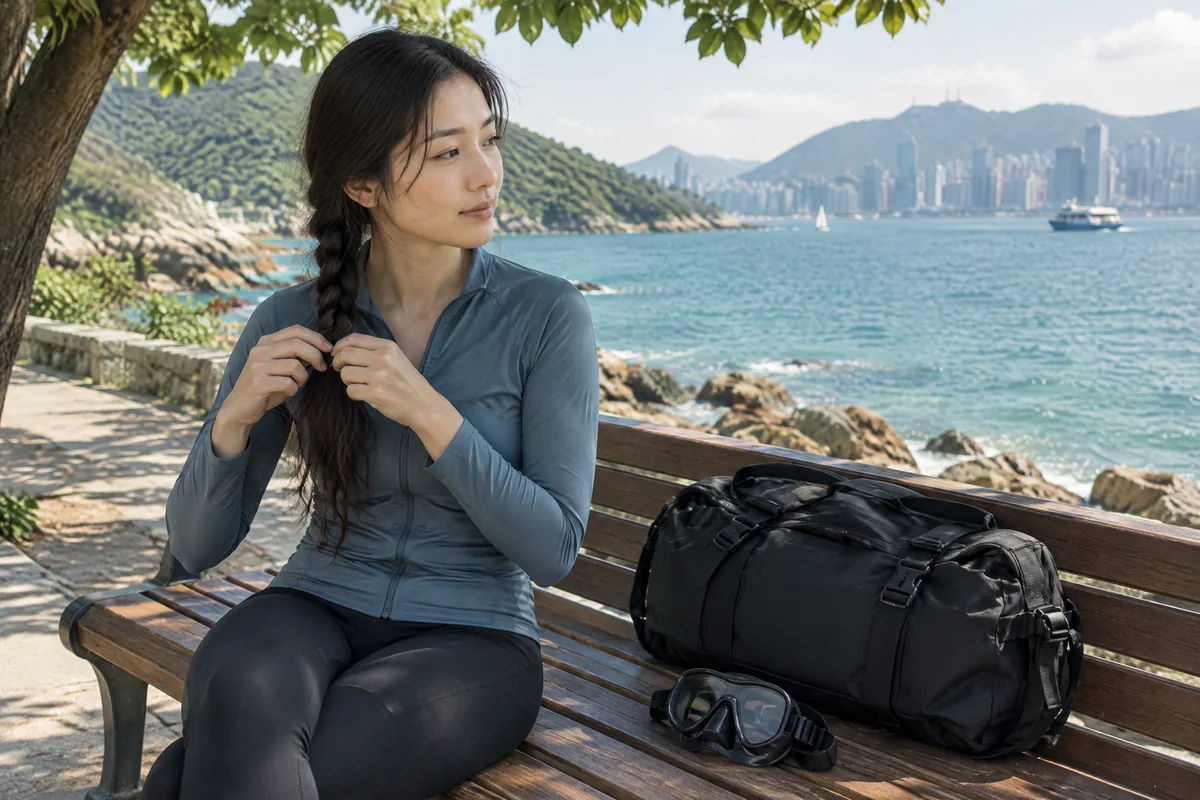
Family coastal hair preparation before the next activity
Illustration · a family preparing hair for the next activity after swimming.
A sensible next step

Take the question with you

The next time your family swims, record the water type, the next activity, and each person's actual hair problem before choosing a service. A rinse and dry may be enough for one person, while another needs a trim or a fuller haircut discussion. That short brief makes the enquiry clearer and keeps water safety, family logistics, and salon information in their proper places.

Questions to ask

Common questions

Should we ask for a wash-and-blow-dry or a trim after swimming?

Ask for washing and drying when the shape is still right and the immediate problem is wet or unpresentable hair. Ask about a trim when a defined edge, fringe, or length needs changing. Describe both needs before assuming they are one service.

How can I prepare for a child's haircut after a swim day?

Record the child's current length, the shortest acceptable length, fringe needs, dryer sensitivities, and the next activity. Bring a recent photo as a reference, then ask the service directly about scope and arrangements.

Is a low-maintenance cut guaranteed to stay neat after swimming?

No. Hair texture, water, drying method, headwear, and daily habits vary. A low-maintenance discussion should focus on the effort and tools you can manage, not a promise that the hair will stay unchanged after swimming.

What should families do immediately after swimming?

Get everyone safely out first, then rinse hair with fresh water, blot, detangle gently, and dry in a sensible order. Follow the venue's rules and general health guidance. Dry ears thoroughly, and keep any medical or scalp concern separate from a cosmetic service question.

Further reading

Official sources worth checking

Continue exploring

Keep comparing practical questions before you choose a course, activity or preparation step.

Coastal life and hair care · Updated 2026-11-06

Coastal wavy haircut upkeep: keep shape after swims

Plan coastal wavy haircut upkeep around wet movement, retained length and your swim-day routine. Read the checklist before booking.

coastal wavy haircut upkeep
Coastal life and hair care · Updated 2026-11-06

Coastal men's undercut shape guide: compare wet styling

Read the coastal men's undercut shape guide: compare wet outline, side length and curl behaviour, then plan your coastal cut.

coastal men's undercut shape guide

Coastal life and hair care · Updated 2026-11-06

Post-holiday grey root plan: choose coverage and blending

Use this post-holiday grey root plan to compare coverage, blending and root touch-up questions. Read the checklist before contacting a stylist.

post-holiday grey root plan
Your next step

Ask about diving courses or coastal trip planning

Message DiveHarbour on WhatsApp to discuss diving courses or coastal trip planning, along with your experience and preferred dates.

Ask about diving courses or coastal trip planning
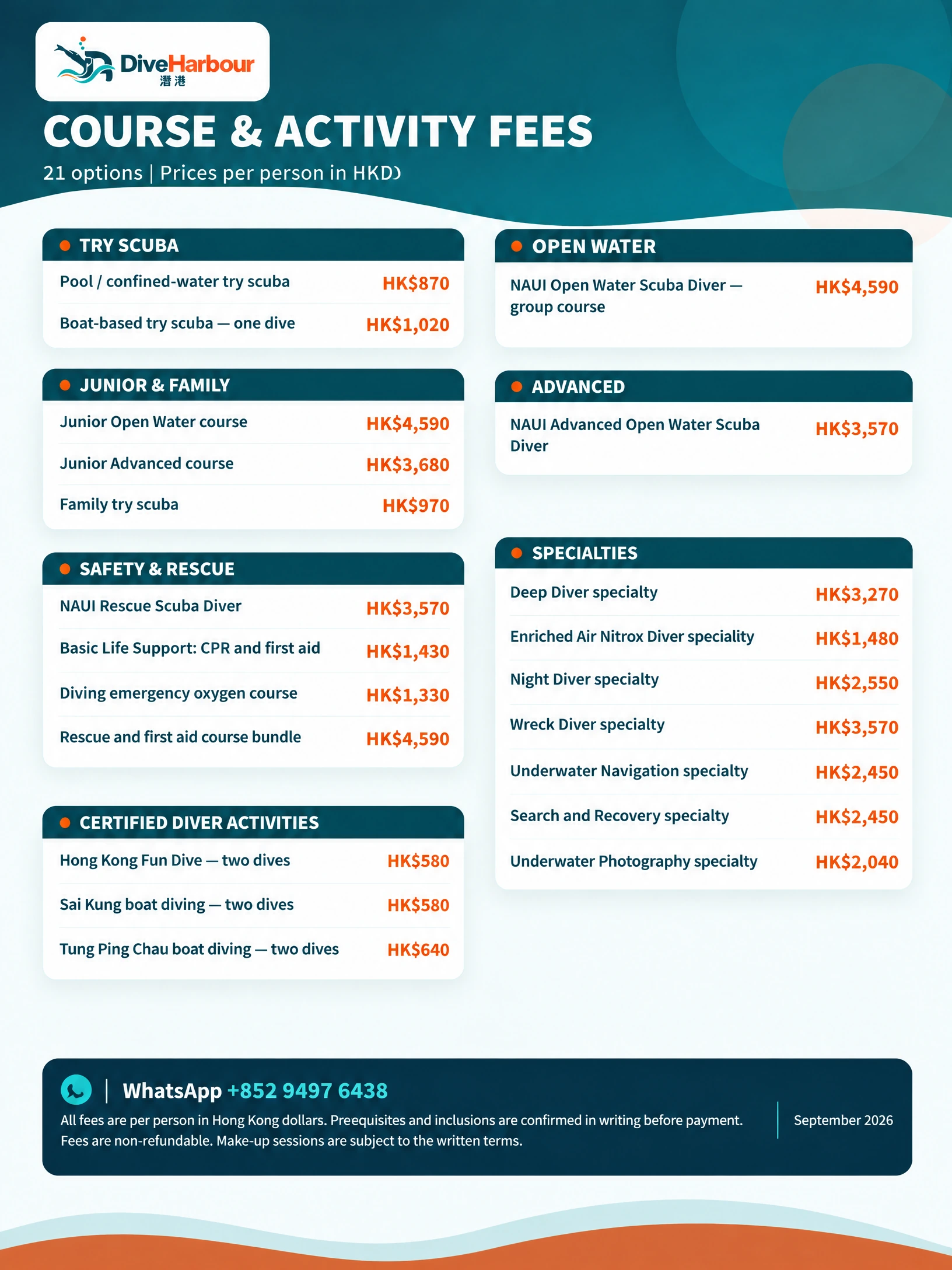
English price list for 21 DiveHarbour courses and activities, with fees per person in Hong Kong dollars
Tap the price list to view it at full size.

Plan your next dive

Course fees, clearly set out

Compare our published course and activity fees before choosing your next step. All prices are per person in Hong Kong dollars.

Before you book, we confirm prerequisites, materials, certification, equipment, venue and boat arrangements in writing. Ask us about fees for courses not listed here.

All fees are non-refundable. Make-up sessions are subject to the written terms.

Read all course fees
DiveHarbour course and activity fees per person in Hong Kong dollars
Course / activityPer person
Pool / confined-water try scubaHK$870
Boat-based try scuba — one diveHK$1,020
NAUI Open Water Scuba Diver — group courseHK$4,590
Junior Open Water courseHK$4,590
Junior Advanced courseHK$3,680
Family try scubaHK$970
NAUI Advanced Open Water Scuba DiverHK$3,570
NAUI Rescue Scuba DiverHK$3,570
Basic Life Support: CPR and first aidHK$1,430
Diving emergency oxygen courseHK$1,330
Rescue and first aid course bundleHK$4,590
Deep Diver specialtyHK$3,270
Enriched Air Nitrox Diver specialtyHK$1,480
Night Diver specialtyHK$2,550
Wreck Diver specialtyHK$3,570
Underwater Navigation specialtyHK$2,450
Search and Recovery specialtyHK$2,450
Underwater Photography specialtyHK$2,040
Hong Kong Fun Dive — two divesHK$580
Sai Kung boat diving — two divesHK$580
Tung Ping Chau boat diving — two divesHK$640