Bangs and Hat Choice for Shore Portraits | DiveHarbour
Choose the fringe and hat as one shore-portrait look, but keep that decision separate from water-activity safety. Test the brim, fringe length, light, glasses, and planned camera angles on land. If you take part in any water activity, change in a private place, separate damp items, dry the hairpiece according to its own instructions, and restyle only with approved products and tools.
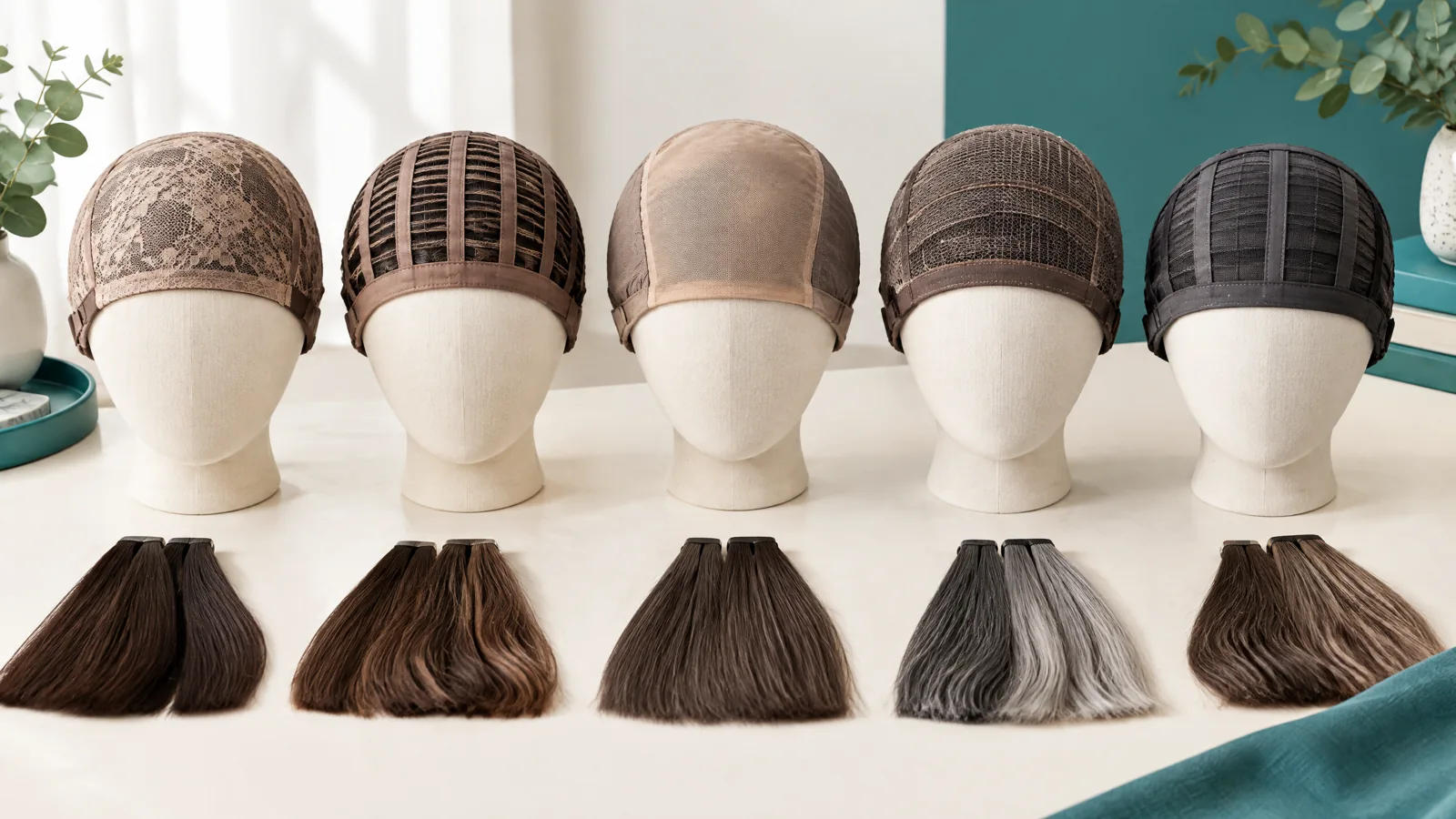
Illustration · Concept illustration: a shore portrait look with a planned hat and fringe.
Instructor qualifications
One clear teaching conversation from first breath to next step
DiveHarbour brings together scuba teaching, swimming, lifesaving and water-rescue experience so you can ask practical questions before choosing a course.
PADI teaching backgroundTeaching experience across recognised scuba learning pathways.
SSI teaching backgroundClear explanations when you are comparing agency routes.
NAUI teaching backgroundA practical, standards-aware approach to learning and progression.
Swimming foundationWater confidence and calm, step-by-step practice matter.
Lifesaving experienceSurface awareness and prevention stay part of the conversation.
Pool rescue experienceControlled practice can build confidence before open water.
Beach rescue experienceLocal water context informs sensible preparation.
Kayak rescue experienceA wider water-safety perspective supports good judgement.
PWC rescue experienceAsk about the right learning route for your experience and goals.
Brand relationship: DiveHarbour and OWNSTRAND share the same owner.
DiveHarbour and OWNSTRAND are operated by the same owner. OWNSTRAND references are external product and selection information, not an independent third-party recommendation, medical advice, product-effect claim, or water-activity safety endorsement.
A useful fact to keep in mind
The American Cancer Society advises patting excess water from a washed wig, waiting until it is thoroughly dry before brushing or combing, and avoiding heat unless the wig is heat resistant [1].
Choose fringe length and brim shape together, then test both in natural light.
Treat human hair and synthetic fibre as different care decisions, not interchangeable labels.
Keep the hairpiece out of the activity-safety decision and prepare a private land-based change point.
Dry, store, and restyle only according to the specific piece and provider instructions.
Start here
Start with bangs and hat choice
A practical test for bangs and hat choice
The best bangs and hat choice starts with the photograph you want, not with a promise that one accessory will solve every problem. Decide whether the portrait should show the eyebrows, frame the cheeks, or leave the forehead open. Then decide whether the hat is part of the look, used briefly for shade, or removed before the main photographs.
Write down the practical limits before you compare styles. Note whether you wear glasses or whether wind changes your parting. Record how long the hat will stay on. Also note whether you need to move from a shore activity to a dry portrait. This makes the decision about visible shape and timing rather than trying to make a hat function as a safety device.
A swim cap and a portrait hat also have different jobs. If your day includes a cap, review the swim-cap short hair fringe plan separately, then make a fresh land-based plan for the hat and portrait. Do not assume that a head covering used for one stage should remain on for another stage.
Choose the main portrait angle before choosing the fringe length.
List glasses, wind, brim depth, and change-room needs.
Plan a hat-off version of the look before leaving home.
A hat can complete an outfit or provide shade. It is not a substitute for activity-specific safety equipment and should not decide whether an activity is suitable.
Guide · 02
Match the fringe to the hat and camera
Use bangs and hat choice to plan space, light, and movement
Check the complete look in natural light before the event. The American Cancer Society recommends using natural light when comparing colour references, which is especially useful when a brim creates shade across the face [1]. Take front, three-quarter, and side photographs. Look for the point where the fringe meets the brim, glasses, and eyebrows.
A full wig with a fringe, a separate fringe piece, and a hat worn over another style are different decisions. If you want to compare a complete silhouette, review wigs with bangs as a starting point. Ask about length, density, parting, and how the front will be shaped. Treat the page as selection information, not as proof of fit or availability.
Keep enough visual space for the fringe to settle when the hat comes off. A deep brim can push short bangs toward the eyes, while a narrow brim may expose a parting that looked balanced indoors. Ask whether the front can be trimmed or adjusted by the provider. Do not plan to improvise with added clips, cords, glue, or equipment changes.
For portraits, movement is often more important than a perfectly fixed outline. Practise removing the hat without dragging the fringe, then use clean fingers to place a few strands. If the look needs tools or heat, record exactly which products and temperatures the provider permits for that piece.
Photograph the look in daylight and in the intended hat.
Check the fringe against eyebrows, glasses, and the brim edge.
Practise a hat-on and hat-off version before the shore day.
Swipe the table to compare all columns.
Decision table: portrait checks before committing to a fringe and hat
Question
Check on land
Decision to record
Where should the fringe end?
Compare the brow, eyes, glasses, and brim edge in daylight.
Choose a length that leaves a comfortable hat-off version.
What happens when the hat comes off?
Practise removal from the front without dragging the fringe.
Use fingers or an approved method for the quick reset.
Which angles matter?
Take front, three-quarter, and side photographs outdoors.
Confirm the parting and shadow at the actual portrait angles.
What changes after activity?
Mark the private change point and the dry storage surface.
Keep the water route and portrait route separate.
Illustration · Concept illustration: comparing front space, brim shape, and fringe placement.
Guide · 03
Compare fibre decisions before the shore day
How bangs and hat choice changes daily styling
Fibre choice affects the amount of restyling you should plan. The American Cancer Society describes synthetic wigs as generally lower maintenance and less flexible to style [1]. Human-hair wigs usually allow more styling, but need more maintenance [1]. Macmillan likewise distinguishes an easy-care synthetic routine from the regular cleaning and styling that human hair may require [2].
The useful question is not which fibre is universally better. Ask how the fringe is expected to behave after a hat is removed. Ask how it should be washed and whether it can be shaped at home. Also ask what should happen if the day becomes humid. The human hair vs synthetic wigs guide can help organise those product questions. The actual care label remains controlling.
Do not infer heat tolerance from a material name. A human-hair piece is not automatically safe for every tool, and a synthetic piece is not automatically heat-friendly. The same caution applies to blended fibres, coatings, bases, and fringe construction. Ask the provider to identify the permitted products, drying method, and styling limits for the exact item you are considering.
For a shore portrait, a lower-maintenance fringe may be the better logistical choice if you have little private time after an activity. That is a workflow decision, not a performance promise. If the desired look needs repeated heat styling or a precise wet finish, plan a professional restyle or choose a shore-only alternative instead.
Compare styling flexibility, cleaning routine, and drying method.
Ask for item-specific heat and product instructions.
Choose the routine you can realistically complete in private.
Guide · 04
Plan the change after water activity
Bangs and hat choice continues on dry land
A hairpiece decision and an activity-clearance decision are separate. Before swimming, diving, or another water activity, follow the actual product instructions and the requirements of the qualified activity lead. If the piece is not confirmed as suitable, leave it out of the activity and choose a shore alternative. Never treat a hat or hairpiece as a safety device.
Choose the change point before the day begins. It should provide privacy, a dry surface, a place for a clean bag, and enough time to separate damp clothing from the dry hairpiece. Keep activity equipment in its own area. Do not place a hairpiece on a wet towel, in a sealed damp bag, or beside equipment that could crush the fringe.
If your preferred style needs a more tailored front, you can use custom human hair wig Hong Kong as a product enquiry route. Ask about consultation, measurement, fitting, fringe shaping, and care for the specific piece. This is not a promise of a particular base, material, completion time, service, or result.
After changing, blot moisture from the piece only as its instructions allow. The American Cancer Society advises patting excess water with a towel. It also advises waiting until the piece is thoroughly dry before brushing and using heat only when the wig is heat resistant [1]. Macmillan similarly warns that unsuitable heat can frizz real hair or melt synthetic hair [2].
Confirm activity requirements before deciding what goes into the water.
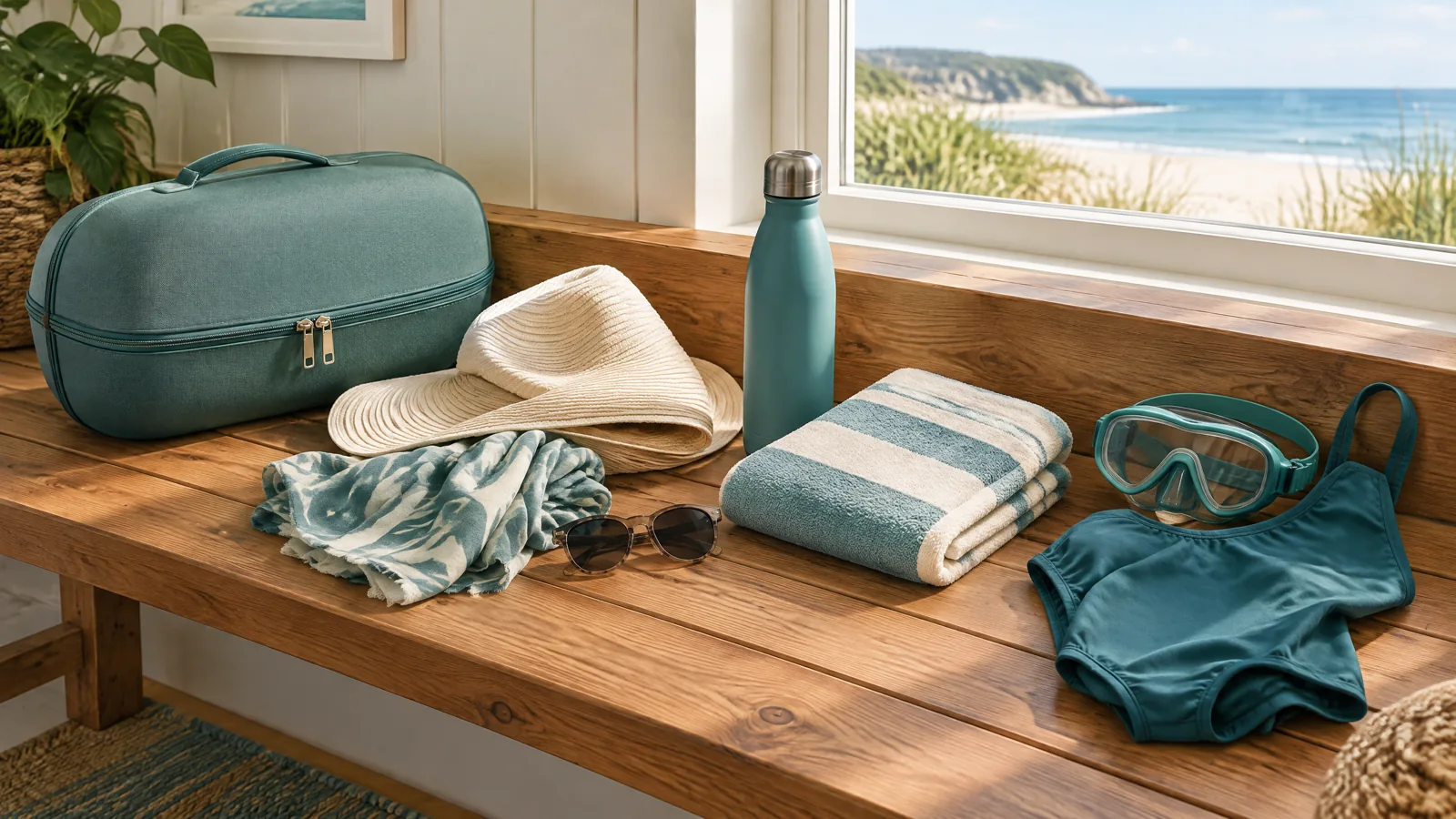
Pack a dry bag, a separate damp-items bag, and a clean surface plan.
Dry the piece fully before brushing, combing, or applying heat.
If the instructions or activity requirements are unclear, the conservative choice is a shore-only styling plan. A product can be appropriate for a portrait without being appropriate for water.
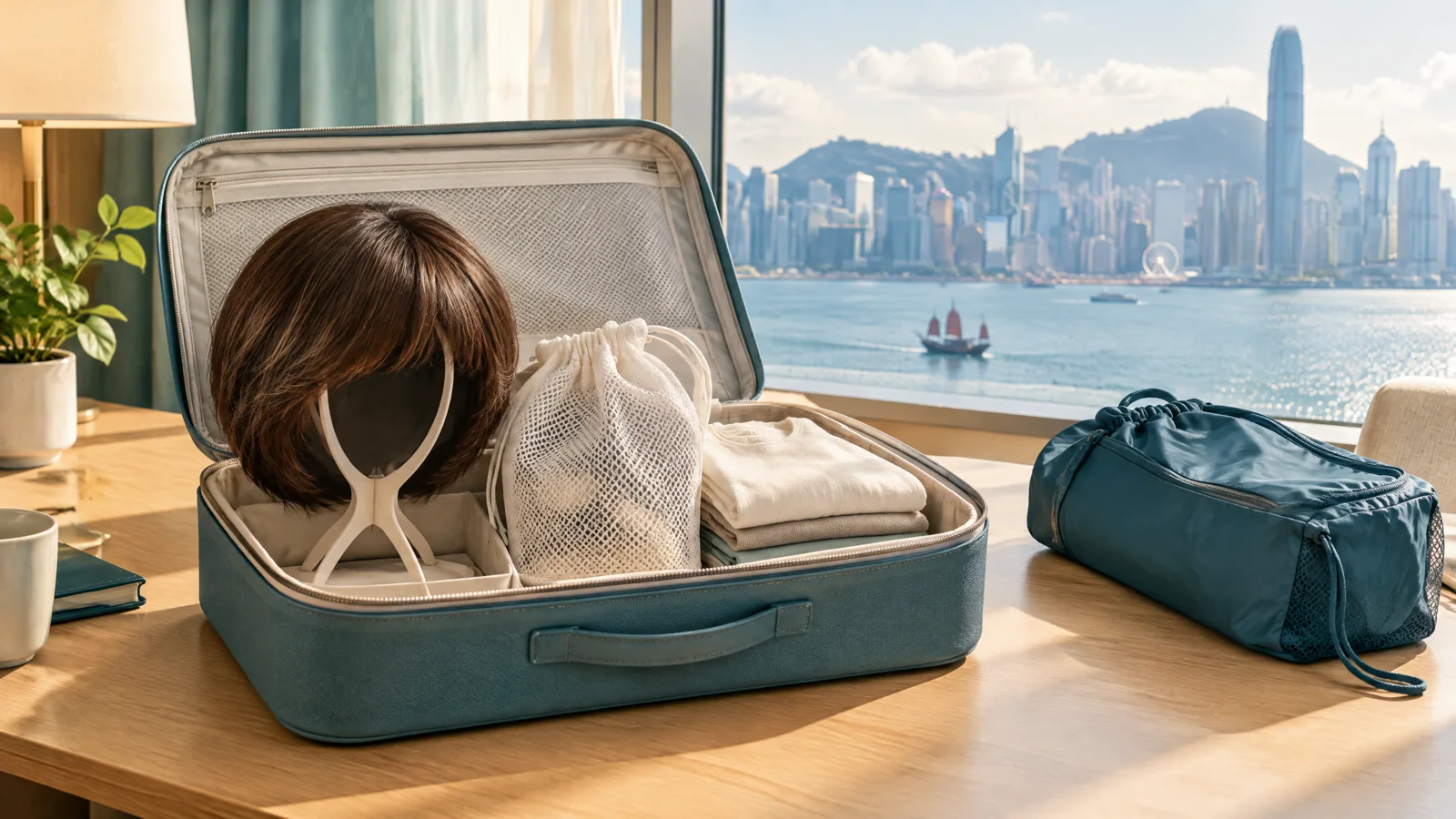
Illustration · Concept illustration: a dry and damp separation plan for a shore day.
Guide · 05
Build a private, repeatable shore routine
A bangs and hat choice checklist for portraits
A short routine reduces rushed handling when you return from an activity. Put the hairpiece on a dry stand or clean towel only if the provider permits that method. Keep the front facing away from bags and zips. Give the fibre time to dry at room temperature when that is the stated instruction, rather than forcing the shape with an unapproved dryer.
Once the piece is dry, restore the fringe from the ends toward the front. Use fingers for a short style if the instructions permit it. If a brush, conditioner, styling cream, or heat tool is allowed, use only the product and method specified for that item. Stop if the fringe starts to snag, stretch, frizz, or lose its intended shape.
Use the shore-event styling brief to align the hair plan with clothing, privacy, photography timing, and the rest of the shore event. Keep the activity enquiry separate from any product enquiry. DiveHarbour can discuss the activity side; it does not place hairpiece orders or confirm hairpiece suitability.
A hat can be reintroduced after the fringe has settled. Check for pressure over the front, friction at the sides, and a change in the camera shadow. Macmillan notes that frequent covering can create friction, so alternate hat-on and hat-off moments when the portrait plan allows [2]. This is a comfort and styling observation, not a retention guarantee.
Change in private and keep dry and damp items physically separate.
Let the piece dry before brushing or reshaping the fringe.
Use only approved products, tools, and temperatures.
Check the hat again in portrait light after restyling.
Store the piece according to the provider’s instructions before travelling home.
Swipe the table to compare all columns.
Land-based transition table: from changing to a refreshed portrait
Stage
Practical action
Do not assume
Change
Use a private place and separate damp clothing from the hairpiece.
A hat or cap makes changing unnecessary.
Dry
Blot only as instructed and allow the piece to dry by the approved method.
Human hair and synthetic fibre share the same heat limits.
Reset
Wait until dry, then use approved fingers, brush, product, or tool.
A quick brush while damp will preserve the fringe.
Photograph
Check the brim, shadow, glasses, and hat-off look again.
The indoor fit will look identical on the shore.
Guide · 06
Know when to choose a shore-only alternative
Keep bangs and hat choice separate from activity clearance
Some days are better planned around a shore portrait, café stop, promenade walk, or event rather than trying to combine every look with a water activity. This can be the simplest option when changing space is limited, drying time is short, or the specific hairpiece instructions do not answer your question. It also avoids turning appearance pressure into a reason to take risks.
If a reader is considering a style during chemotherapy or because of postpartum thinning, this article only addresses appearance planning. It does not assess health, scalp condition, fatigue, infection risk, or whether any activity is appropriate. Ask the healthcare team about medical matters and ask the qualified activity professional about activity clearance. A private shore plan can still be prepared without making a medical assumption.
Before the event, send one short list of questions to the relevant provider. Include the exact piece, fibre, base, fringe, intended hat, cleaning method, drying method, and the point at which you will change back into the style. Keep copies of the replies with your packing list so a companion can follow the same plan without improvising.
The final decision should leave you with two clear routes: an activity route that follows activity rules, and a portrait route that follows hairpiece instructions. When those routes conflict, keep the portrait on land. Bangs and hat choice then becomes a manageable styling decision rather than a hidden safety workaround.
Choose a shore-only plan when suitability or care instructions are unresolved.
Ask medical questions of the healthcare team, not a styling article.
Keep activity clearance and hairpiece selection in separate checklists.
Illustration · Concept illustration: careful land-based storage after restyling.
A sensible next step
Take the question with you
Make the fringe and hat decision on land, using the actual portrait light, angles, and change routine. Keep any water activity governed by its own requirements, then return to a private, dry transition. When the piece is fully dry, use only its approved care method before checking the hat-on and hat-off photographs again.
For a DiveHarbour activity enquiry, ask about the shore or diving plan and its activity requirements. For an OWNSTRAND product enquiry, use the relevant OWNSTRAND page to ask about the specific style, measurements, fitting, and care instructions. The two enquiries have different responsibilities. DiveHarbour does not order hairpieces, and OWNSTRAND is not the activity provider.
Questions to ask
Common questions
How do I choose bangs for a wide-brim hat?
Test the fringe, brim, glasses, and portrait angles together in natural light. Leave enough space for a hat-off version, and ask the provider about any permitted trimming or adjustment.
Can I use a hat to make a hairpiece suitable for swimming or diving?
No assumption should be made from the hat. Follow the specific product instructions and the qualified activity lead’s requirements. If suitability is unresolved, choose a shore-only alternative and do not alter safety equipment.
Should I restyle synthetic or human hair immediately after activity?
First change privately, separate damp items, and dry the piece as instructed. Do not brush or use heat until the care instructions allow it. The permitted method can differ by fibre, base, and item.
What if I am choosing a fringe during chemotherapy or postpartum thinning?
The appearance questions can be planned around privacy, comfort, and a shore-only event. Medical concerns and activity clearance should be discussed with the healthcare team and qualified activity professionals.
The American Cancer Society says synthetic wigs generally need less maintenance, human-hair wigs generally allow more styling but need more maintenance, and heat should be used only when the wig is heat resistant.
Macmillan states that both synthetic and human-hair wigs need careful washing, and warns that unsuitable heat can make real hair frizz or synthetic hair melt.
Continue exploring
Three useful next reads
Keep comparing practical questions before you choose a course, activity or preparation step.
Coastal life and hairpieces · Updated 2026-11-06
Private Wig Fitting Chat: Plan a Quiet Shore Event
Plan a private wig fitting chat for a beach portrait or shore event. Prepare measurements, privacy questions, and a clear next step before choosing.
Topper or full wig shore: a practical coastal day guide
Topper or full wig shore planning for portraits and dinners: compare coverage, outfit changes, privacy, care, and questions to ask before your coastal day.
Windy Hairline Photos: Plan Light, Parting and Angles
Plan windy hairline photos with a shore brief for light, parting, wind and angles. Compare frames before your event and ask clear consultation questions.
Compare our published course and activity fees before choosing your next step. All prices are per person in Hong Kong dollars.
Before you book, we confirm prerequisites, materials, certification, equipment, venue and boat arrangements in writing. Ask us about fees for courses not listed here.
Read the Sai Kung diving Hong Kong guide to learn about the setting, then explore the Sai Kung scuba diving course page. Certified divers can use our Hong Kong fun dive guide to check experience requirements and activity arrangements. Locations remain subject to weather and sea conditions.
Explore the responsibilities and entry requirements in our Divemaster course Hong Kong guide, then review the scuba instructor course Hong Kong route. Professional training differs from recreational progression, so confirm experience requirements and assessment arrangements first.