Men's shore style choice: full wig or hairpiece guide
The better men's shore style choice starts with the coverage you want in photographs, not with a promise about wind or water. A full wig covers the whole head; a partial hairpiece addresses a defined area. Compare the portrait brief, hat moments, privacy needs, removal plan, and product instructions separately from any shore activity decision.
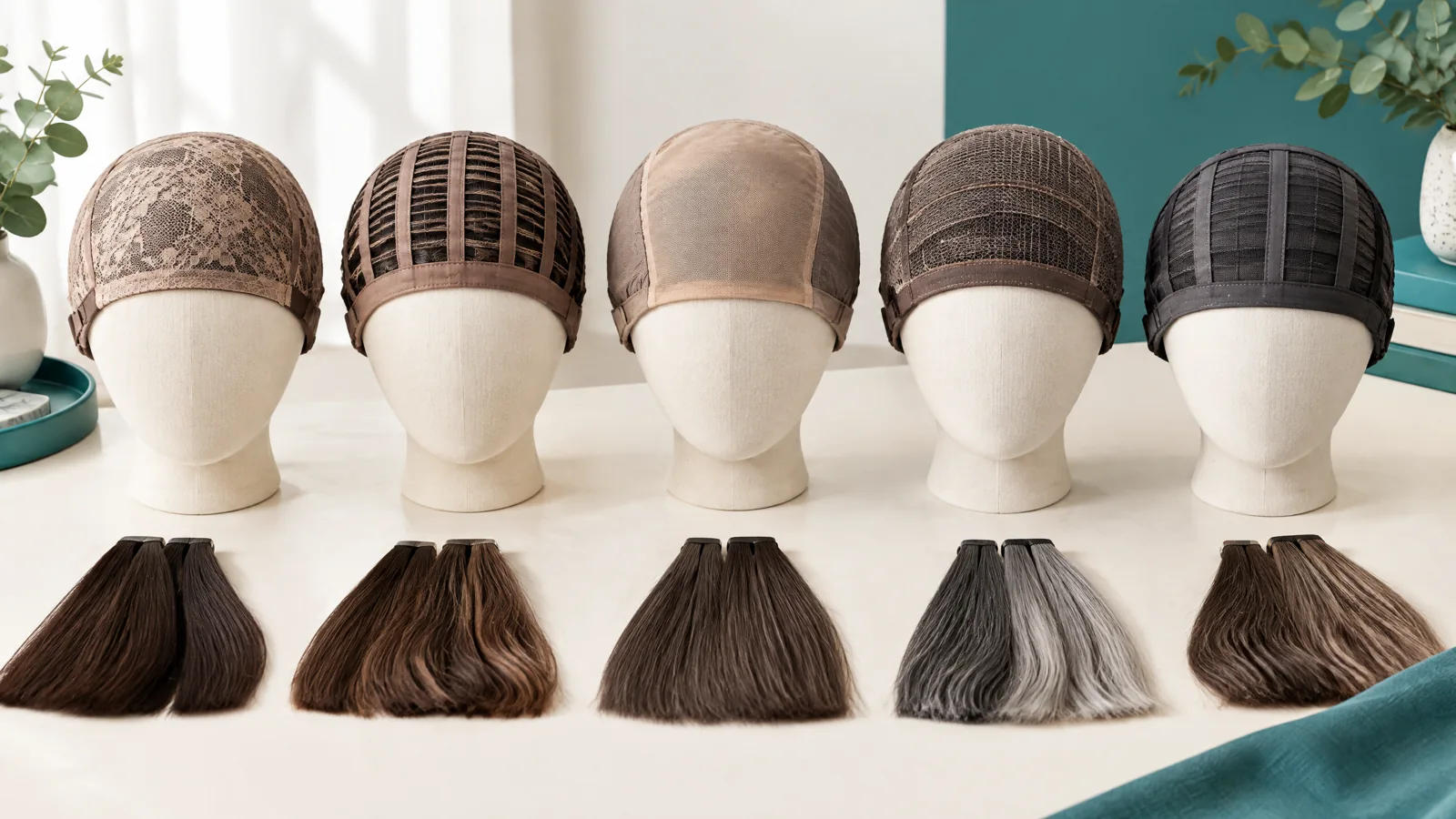
Illustration · Concept illustration: a shore portrait planning scene, not a real customer, product, shop, or DiveHarbour diver.
Instructor qualifications
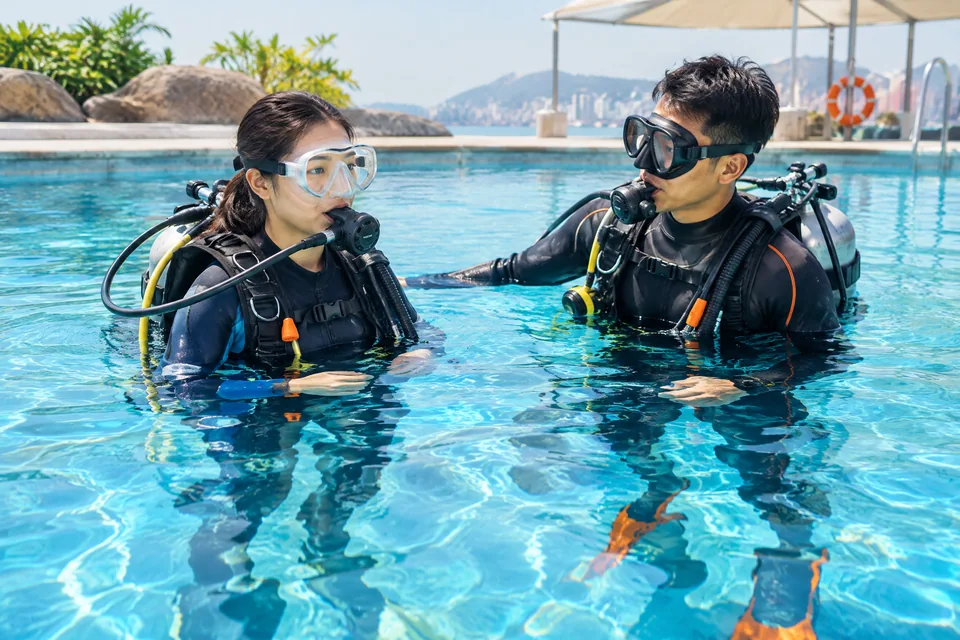
One clear teaching conversation from first breath to next step
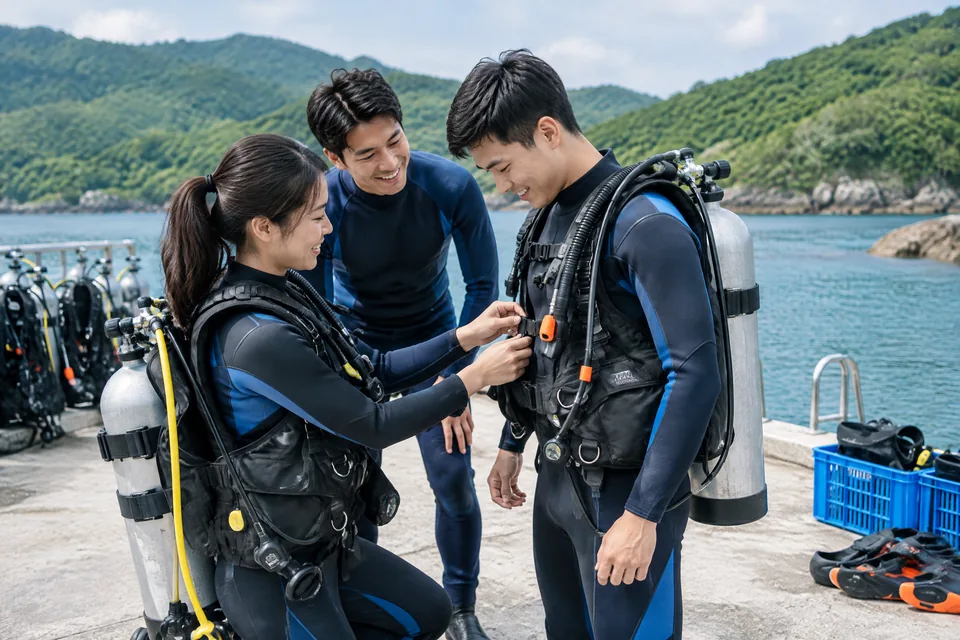
DiveHarbour brings together scuba teaching, swimming, lifesaving and water-rescue experience so you can ask practical questions before choosing a course.
PADI teaching backgroundTeaching experience across recognised scuba learning pathways.
SSI teaching backgroundClear explanations when you are comparing agency routes.
NAUI teaching backgroundA practical, standards-aware approach to learning and progression.
Swimming foundationWater confidence and calm, step-by-step practice matter.
Lifesaving experienceSurface awareness and prevention stay part of the conversation.
Pool rescue experienceControlled practice can build confidence before open water.
Beach rescue experienceLocal water context informs sensible preparation.
Kayak rescue experienceA wider water-safety perspective supports good judgement.
PWC rescue experienceAsk about the right learning route for your experience and goals.
Brand relationship: DiveHarbour and OWNSTRAND share the same owner.
DiveHarbour and OWNSTRAND are operated by the same owner. OWNSTRAND information here is an external product-selection reference, not an independent third-party recommendation, medical advice, product-effect claim, or water-activity safety endorsement.
A useful fact to keep in mind
The American Cancer Society distinguishes a full wig that covers the entire head from a topper or top piece that adds coverage and volume to thinning hair on top.[1]
Choose coverage before debating cap details or styling labels.
Treat wind and hats as portrait logistics, not attachment guarantees.
Keep product removal, storage, and activity planning as separate decisions.
Ask the provider and qualified activity operator questions specific to the day.
Start here
1. Start with coverage: men's shore style choice
A coverage-first test for men's shore style choice
The first question is simple: do you need coverage across the entire head, or only over a defined area? The American Cancer Society describes a full wig as covering the entire head, while a topper or top piece adds coverage and volume to thinning hair on top.[1] That distinction matters more than whether the photograph is beside a pier, promenade, or beach. It gives you a clear starting point before discussing wind, hats, or styling.
A full wig may make sense when the portrait brief includes a consistent silhouette from the front, side, and back. It can also simplify a change from one outfit to another because the overall head shape stays within one planned look. That does not make it automatically easier to wear. You still need the correct size, the maker's fitting directions, and a realistic plan for breaks, storage, and any later change.
A partial piece may be more relevant when your own hair remains part of the look and the concern is concentrated at the crown, part, or another limited area. Do not treat a partial hairpiece as a smaller full wig. The base, coverage boundary, blending work, and removal routine can all differ. If hair changes follow chemotherapy or postpartum shedding, use this article only for appearance planning and ask your healthcare team about activity questions.
Coverage goal first: decide what the camera needs to see before comparing product labels.
Guide · 02
2. When full-head coverage fits the portrait brief
What to ask before looking at men's wigs
A full wig is a coverage decision, not a wind-proofing decision. For a shore portrait, describe the views that matter: straight-on, three-quarter, profile, seated, walking, and hat-on. Then ask how the proposed piece is meant to be fitted and cared for. The American Cancer Society advises checking the brand's size chart because measurements can vary, and it recommends following the directions supplied with the wig.[1]
If you are comparing men's wigs, keep the enquiry specific. Ask which areas are covered, how the edge is intended to sit, whether the style is meant to be adjusted, and what the provider says about taking it off between portrait locations. These are product questions. They do not answer whether the same item should be worn for swimming, diving, or another activity involving water.
A full wig can also affect the day around it. A collared shirt, jacket, or changing layer may be easier to remove than a tight top that pulls over the head. A private place to change and a clean container for the piece can reduce rushed handling. Macmillan notes that fittings may take place in a private room and that the provider can explain care and keeping the wig in place.[2] Treat that as a planning prompt, not a guarantee for every supplier.
Name the camera angles and hat moments before the fitting conversation.
Check head measurements and the product-specific size chart.
Ask how the piece should be removed, stored, and refreshed after portraits.
Plan clothing and a private change point that do not force hurried handling.
Swipe the table to compare all columns.
Coverage questions to settle before a men's shore style choice
Decision point
Full wig question
Partial-piece question
Evidence to bring
Photograph angles
Will the entire head read consistently from front, side, and back?
Where can the coverage edge appear when the head turns?
A simple angle list or reference photographs
Hat moments
What changes when the brim goes on and comes off?
Does lifting the hat expose a boundary or blending area?
The actual hat and planned lighting
Privacy
Where can fitting, removal, or a clothing change happen discreetly?
Where can the piece be placed without mixing it with damp gear?
A written change and storage plan
Care
Which size, cleaning, and heat instructions apply to this item?
Which base, fibre, and removal instructions apply to this item?
The product instructions and provider's answers
A full wig can simplify coverage, but it does not remove the need for a fitting and transition plan.
Illustration · Concept illustration: comparing a hat and hairpiece look on land, not a product demonstration.
Guide · 03
3. When a partial piece may fit the image
Separate a hair system from a local coverage goal
A partial men's hairpiece starts with a narrower visual brief. You might want the camera to see more of your own sides and back while adding coverage at the crown or another selected zone. The decision is then about the boundary between existing hair and added hair, the desired density, and the angles that reveal that boundary. It is not simply a cheaper or lighter version of a full wig.
If you are researching a hair system, ask the provider to explain its exact base, coverage area, fitting method, maintenance expectations, and removal instructions. “Hair system” is a product category, not proof that every system is interchangeable with a toupee, topper, or full wig. Materials and bases must be checked against the actual item, especially when a shore day includes sweat, headwear, or repeated changes.
A partial piece can suit a portrait brief when your priority is a defined area rather than uniform coverage. It may require more attention to blending and camera direction because a strong side light or a hat being lifted can expose the transition. Plan a short visual check before the event. Use the same hair direction, glasses, hat, and shirt collar that will appear in the final photographs, without turning the check into a claim about performance in water.
Ask where the coverage ends and how that boundary will be viewed, photographed, and handled.
Guide · 04
4. Plan wind, hats, and camera angles as transitions
The practical men's shore style choice is a sequence
Wind changes how a portrait reads even when the hairpiece itself is not the main subject. A brim can shade the face, alter the visible hairline, or hide the crown for one frame and reveal it in the next. Macmillan says a hat or scarf may be worn over a wig in very windy conditions, while also warning that frequent covering can create friction and affect longevity.[2] That is a care consideration, not a promise that a hat secures a piece.
If you are comparing a men's hairpiece, ask for a portrait-day sequence rather than a generic assurance. For example, discuss when the hat is on, when it comes off, where the piece rests during a change, and which care products are allowed. Do not add adhesive, clips, ties, or other modifications unless the product provider specifically instructs you. Never alter a mask, helmet, flotation device, or other safety equipment to accommodate hair.
The best test is a short rehearsal on land. Walk a few steps, turn your head, sit down, lift the brim, and look at the result in the planned light. Note what needs a stylist's adjustment and what simply needs a different camera angle. If the day includes entering water, stop this portrait rehearsal at the waterline and make a separate decision using the actual product instructions and the qualified activity operator's requirements.
A hat is part of the image plan. It is not a substitute for product instructions or activity guidance.
Illustration · Concept illustration: a private fitting discussion, not a real OWNSTRAND appointment or customer result.
Guide · 05
5. Build a discreet shore-day transition plan
Move from fitting to portraits without rushing the piece
A good shore-day plan has a before, during, and after stage. Before leaving, confirm the item, care instructions, preferred hairstyle, hat, clothing, and a clean container. During the portrait window, keep the number of changes small and use a private location when possible. Afterward, follow the supplier's instructions rather than improvising with heat, ordinary hair products, or a wet bag.
The American Cancer Society recommends short-term storage on a wig stand and products formulated for wigs; it also says not to use heat tools unless the wig is heat resistant.[1] Macmillan likewise says all wigs come with care instructions and advises following them.[2] These are useful reasons to pack a stand or suitable container only when the provider's instructions support it. They are not evidence that a particular piece can be worn in water.
For a haircut and styling sequence, read the men's shore-day haircut routine alongside the piece-specific advice. Keep the haircut, fitting, portrait, and storage decisions in the same written note. If the item needs professional adjustment, ask the provider what must be done before the event and what should wait until afterward. Do not assume a familiar barber or a general salon can service every base or fibre.
Write the intended coverage, camera angles, hat moments, and outfit changes.
Carry the care instructions and a clean storage solution suited to the item.
Rehearse one land-based transition in the planned light and clothing.
After the portrait, separate the piece from damp gear and follow its instructions.
If anything is unclear, pause the change and ask the product provider.
Swipe the table to compare all columns.
A practical shore-day sequence for a portrait and a separate activity
Stage
Portrait task
Hairpiece task
Activity boundary
Before leaving
Confirm angles, hat, clothes, and light.
Pack instructions and suitable storage.
Ask the operator about the activity plan separately.
On land
Rehearse walking, turning, sitting, and hat changes.
Check the planned look without improvising fixes.
Do not infer water suitability from the rehearsal.
At transition
Use a private, calm change point.
Keep the piece away from damp gear and follow instructions.
If unclear, choose an onshore alternative.
Afterward
Record what worked for the next portrait.
Store or clean only as directed by the provider.
Contact DiveHarbour for activity questions, not product orders.
The transition plan protects privacy and reduces rushed handling; it does not create activity clearance.
Guide · 06
6. Keep portrait styling separate from water activity
A shore plan can include an onshore alternative
A shore portrait and a shore dive may happen on the same day, but they are different planning problems. A product's coverage, fit, and care instructions do not establish that it is suitable for immersion. Likewise, an activity operator's equipment and safety requirements do not tell you which full wig or partial hairpiece will match a portrait. Ask each responsible party about its own decision, then choose an onshore styling alternative if the answers do not align.
If the activity is the priority, review Hong Kong shore diving for the activity context and contact DiveHarbour about the dive plan, not about ordering or fitting a hairpiece. Keep any piece in a planned dry, private storage arrangement unless the product provider and qualified activity professionals give clear, product-specific guidance. Do not force a piece off, add adhesive, or change safety gear to solve a last-minute styling concern.
For the product side, OWNSTRAND's confirmed shop unit is Unit 2103, 50 Hoi Yuen Road, Kwun Tong, Hong Kong. This is the only confirmed OWNSTRAND shop unit in the supplied information; area search terms should not be read as additional branches. Ask OWNSTRAND directly about the exact item, coverage, fitting, care, and any available viewing process, without treating a catalogue page as proof of stock or universal suitability.
When the activity question is unresolved, keep the portrait on shore and protect the activity plan from improvised hairpiece changes.
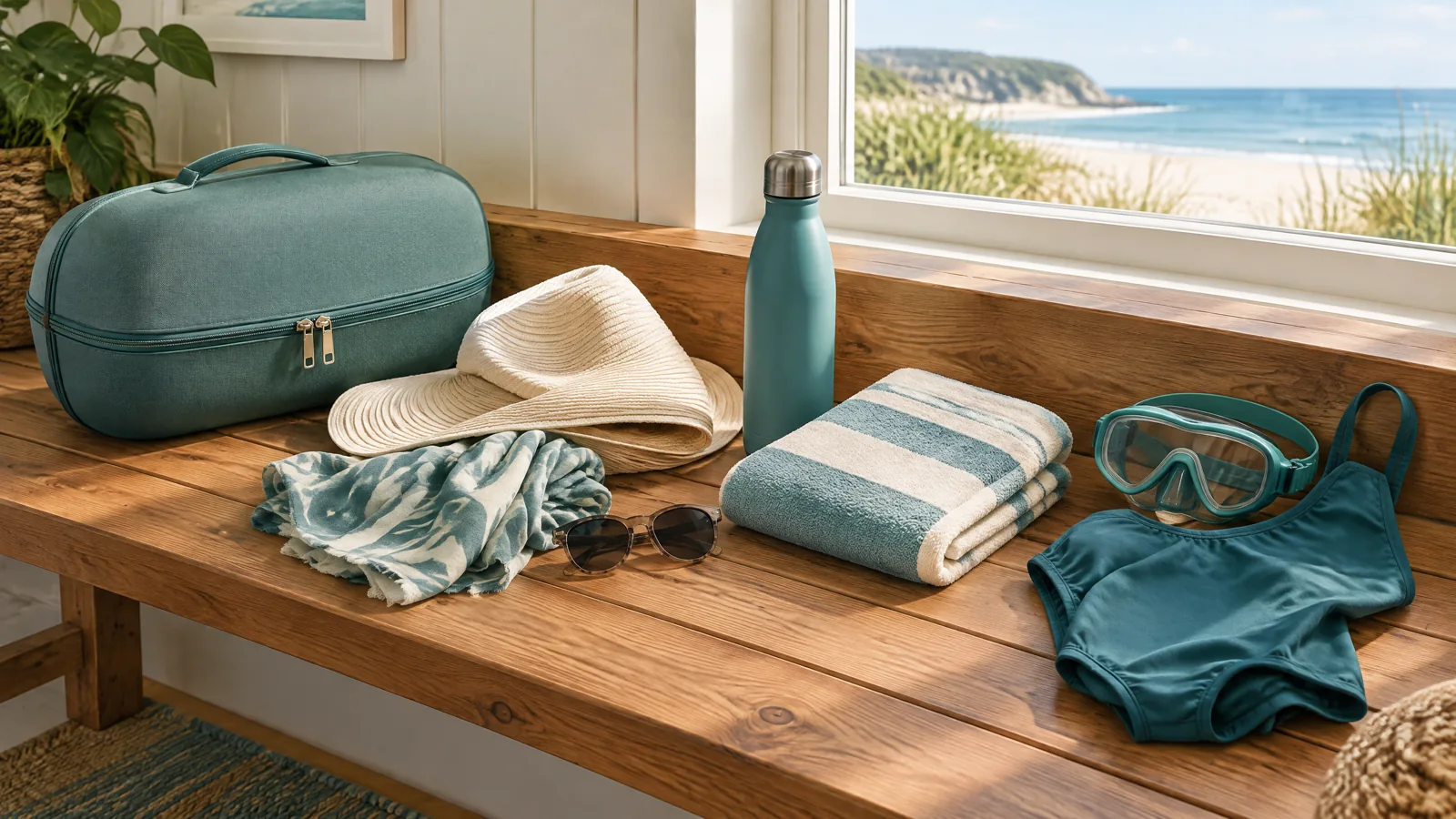
Illustration · Concept illustration: separating portrait and shore-day storage, not evidence of water use or product performance.
A sensible next step
Take the question with you
Make the decision in two passes. First choose the coverage that matches the photographs and the amount of your own hair you want visible. Then write the fitting, hat, privacy, storage, and transition questions for the exact item. Treat any water activity as a separate decision, and keep an onshore portrait option ready when the answers are incomplete.
For shore diving or another activity enquiry, contact DiveHarbour about the activity plan. For the exact full wig, hair system, or men's hairpiece, contact OWNSTRAND through the relevant product page; OWNSTRAND is not a DiveHarbour fitting or booking service.
Questions to ask
Common questions
Is a full wig better than a partial men's hairpiece for windy portraits?
Neither is automatically better. Choose a full wig when you need whole-head coverage, or consider a partial piece when the visual concern is local. Then test the actual angles, hat moments, fit, and care routine on land.
Can I use a hat to keep a hairpiece secure at the shore?
A hat can be part of a portrait look, but it is not a security guarantee or a substitute for product instructions. Rehearse the hat on land and ask the provider how friction, removal, and storage should be handled.
Is a hair system the same as a toupee or full wig?
No. Full wigs, hair systems, toupees, toppers, and other hairpieces can differ in coverage, base, fitting method, materials, and care. Ask about the exact item instead of treating the labels as interchangeable.
Can I wear the piece while swimming or diving?
This article does not approve water use. Check the exact product instructions and ask the qualified activity operator about the activity. If either side is unclear, keep the styling plan on shore and do not modify safety equipment.
The American Cancer Society describes a full wig as covering the entire head and a hair topper or top piece as adding coverage and volume to thinning hair on top; it also advises checking the brand size chart and following supplied directions.
Macmillan says all wigs come with care instructions, notes that fittings may take place in a private room, and warns that frequent covering can create friction and affect wig longevity.
Continue exploring
Three useful next reads
Keep comparing practical questions before you choose a course, activity or preparation step.
Coastal life and hairpieces · Updated 2026-11-06
Shore-Day Hair Kit: Separate Dry and Wet Gear for the Coast
Build a shore-day hair kit that separates the hairpiece, dry clothes, towels, and activity gear. Follow this transition plan and check its care sheet.
Men’s Crown Photo Plan: Coverage for Shore Portraits
Use a men’s crown photo plan to compare partial coverage, full wigs, hats, light, and camera angles for a shore portrait. Plan a private styling enquiry.
Compare our published course and activity fees before choosing your next step. All prices are per person in Hong Kong dollars.
Before you book, we confirm prerequisites, materials, certification, equipment, venue and boat arrangements in writing. Ask us about fees for courses not listed here.
Read the Sai Kung diving Hong Kong guide to learn about the setting, then explore the Sai Kung scuba diving course page. Certified divers can use our Hong Kong fun dive guide to check experience requirements and activity arrangements. Locations remain subject to weather and sea conditions.
Explore the responsibilities and entry requirements in our Divemaster course Hong Kong guide, then review the scuba instructor course Hong Kong route. Professional training differs from recreational progression, so confirm experience requirements and assessment arrangements first.