Grey Wig Shore Pairing for Family Portraits | DiveHarbour
Good grey wig shore pairing starts with the event scene, not a shade name. Decide how much contrast you want, collect clothing and daylight references, and check the likely shore light before a selection conversation. Keep colour separate from coverage, fit, fibre, base, care, and activity decisions. The practical goal is a clear comparison plan, not a promised match or finished result.
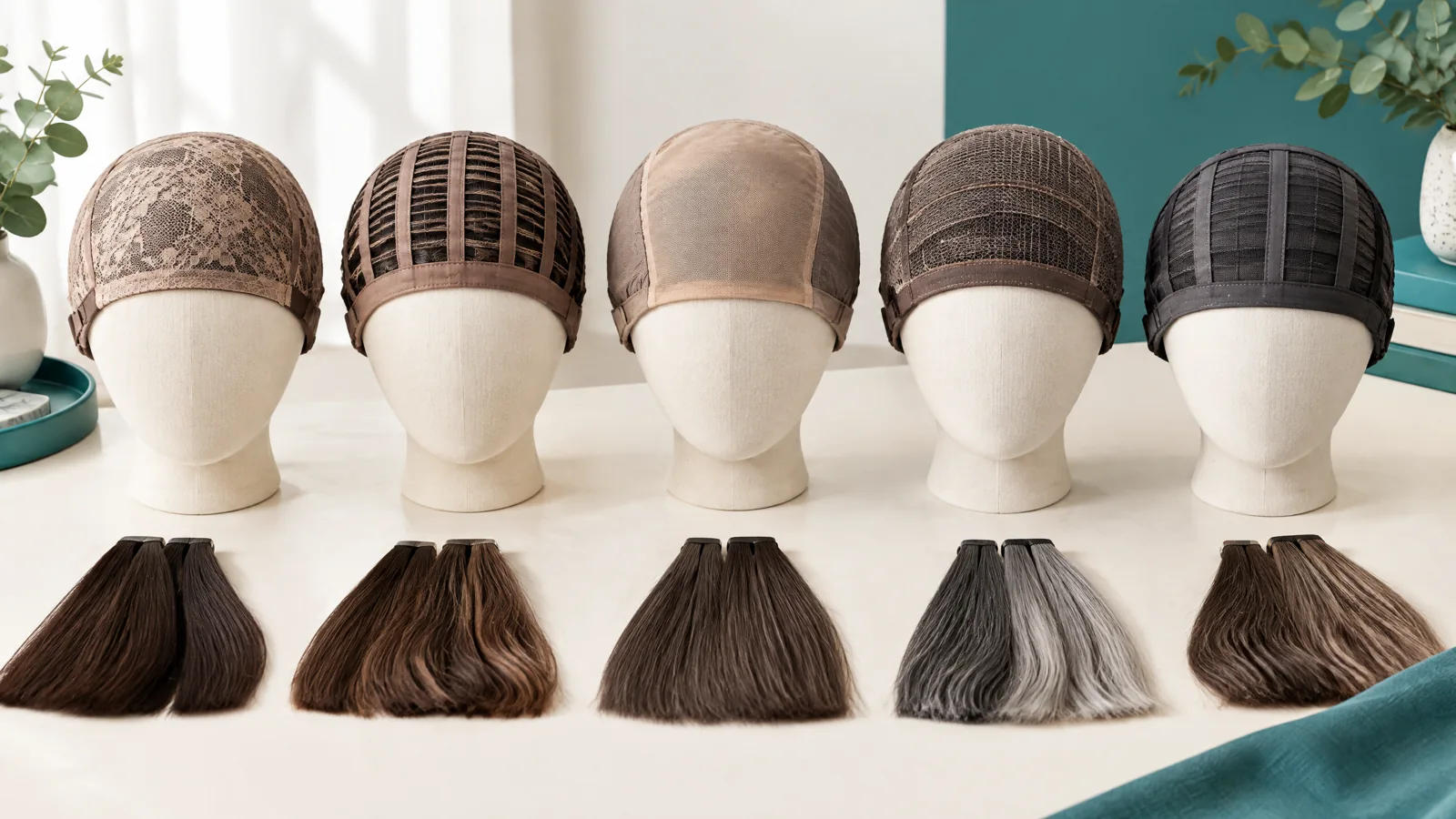
Illustration · Concept illustration: coordinating grey tones, clothing, and a coastal portrait setting.
Instructor qualifications
One clear teaching conversation from first breath to next step
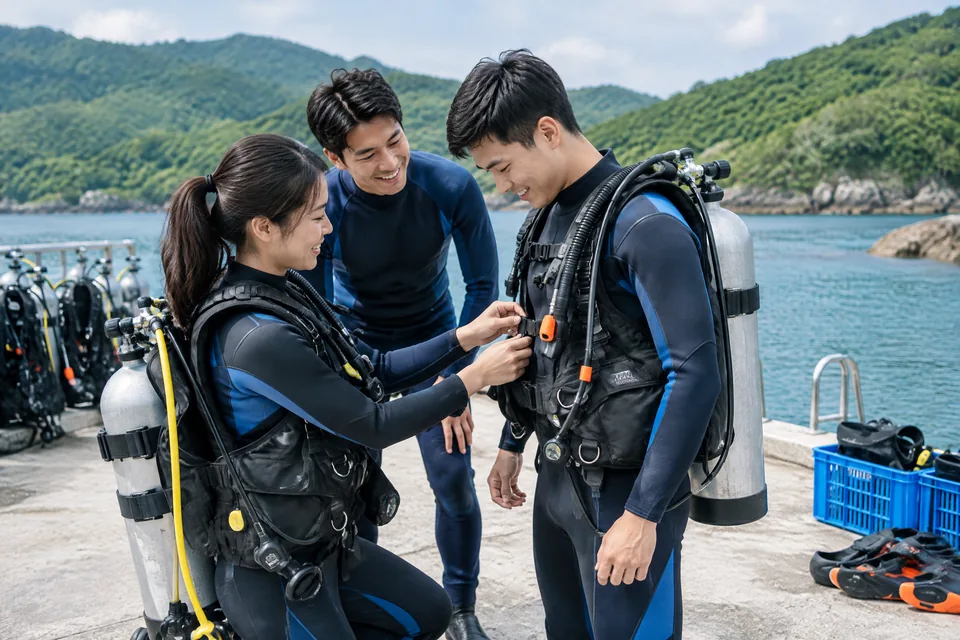
DiveHarbour brings together scuba teaching, swimming, lifesaving and water-rescue experience so you can ask practical questions before choosing a course.
PADI teaching backgroundTeaching experience across recognised scuba learning pathways.
SSI teaching backgroundClear explanations when you are comparing agency routes.
NAUI teaching backgroundA practical, standards-aware approach to learning and progression.
Swimming foundationWater confidence and calm, step-by-step practice matter.
Lifesaving experienceSurface awareness and prevention stay part of the conversation.
Pool rescue experienceControlled practice can build confidence before open water.
Beach rescue experienceLocal water context informs sensible preparation.
Kayak rescue experienceA wider water-safety perspective supports good judgement.
PWC rescue experienceAsk about the right learning route for your experience and goals.
Brand relationship: DiveHarbour and OWNSTRAND share the same owner.
DiveHarbour and OWNSTRAND are operated by the same owner. OWNSTRAND references are external product and selection information, not an independent third-party recommendation, medical advice, product-effect claim, or water-activity safety endorsement.
A useful fact to keep in mind
Different lighting situations create different colour temperatures, and white balance affects all colours in a photograph, so a grey reference should be checked in the light expected for the event [1].
Define the portrait or dinner scene before comparing grey, silver, white, or salt-and-pepper references.
Compare swatches and outfit colours in natural light, then note how shore shade or warm indoor light may change the photograph.
Keep colour separate from coverage, fit, fibre, base, care instructions, and any activity decision.
Take one organised reference pack to the selection conversation and keep a shore-only alternative if suitability remains unclear.
Start here
Start with the grey wig shore pairing brief
Grey wig shore pairing begins with the family scene
A family coastal portrait and a shore dinner can need different visual priorities. A portrait may show faces and hair closely, while dinner photographs may include clothing, table light, and a wider background. Write down the main moment before looking for a shade. Decide whether grey should blend quietly, show visible contrast, or sit between those two intentions.
Describe the setting in ordinary terms. Note the clothing colours and whether the background is sand, stone, greenery, or water. Record whether photographs will be taken in open shade or near a warm indoor light. Also record who will appear beside the wearer. A grey that looks balanced alone may look very different beside a family member's bright shirt or dark jacket.
Use grey wigs as a route for product questions, not as proof that every grey label means the same thing. Grey, silver, white, and salt-and-pepper descriptions can indicate different levels of lightness or contrast. Ask about the exact style and shade reference instead of deciding from a thumbnail or category name.
Name the main event: portrait, shore dinner, or both.
Record the clothing palette and the people who will be nearby.
Choose whether you want quiet blending, visible contrast, or an in-between reference.
Separate the desired colour impression from the product specification.
A shade brief is a conversation starter. It is not a promise of coverage, colouring, fit, or a particular finished look.
A useful reference set is small enough to carry and specific enough to compare. Prepare one recent daylight photograph, one photograph in the clothing planned for the event, and a note describing the preferred grey family. If a swatch or fabric sample is available, place it beside the photograph rather than relying on memory. The American Cancer Society recommends comparing hair and wig swatches in natural light, outdoors, or near a window [2].
The reference should show the difference between colour and lighting. Adobe explains that lighting situations create different colour temperatures and that white balance affects every colour in a photograph [1]. A cloudy outdoor scene may read cooler, while warm indoor lamps may push greys toward a warmer cast. Keep the original image, and label where and when it was taken.
For a more focused conversation, read the beach hair colour tone guide alongside your own notes. Use it to refine the words you bring to the discussion, such as muted grey, brighter silver, soft white, or visible darker strands. These descriptions help a provider understand the direction, but they do not replace an item-specific shade check.
Use daylight references before making a close colour judgement.
Bring an outfit photograph or fabric sample for the main event.
Label each image by setting so warm indoor light is not mistaken for the shade itself.
Write the preferred contrast in plain words rather than using only a product name.
Swipe the table to compare all columns.
Reference pack table: what to bring to a grey-tone selection conversation
Reference
How to prepare it
Question it helps answer
Daylight portrait
Use a recent image taken outdoors or near a window, with the setting noted.
Does the preferred grey read cooler, warmer, lighter, or darker in natural light?
Event clothing
Photograph the main outfit or bring a small fabric sample.
How much separation is needed between hair, clothing, and background?
Shore scene
Record open shade, direct sun, reflected surfaces, or indoor dinner light.
Which lighting conditions should be considered before choosing a reference?
Written colour brief
Use plain terms such as muted grey, bright silver, soft white, or darker contrast.
Which visual direction should the provider compare for the exact style?
Illustration · Concept illustration: comparing grey references with fabric and natural-light notes.
Guide · 03
Coordinate clothing by contrast, not rules
Let grey, fabric, and family outfits share a visual plan
Clothing coordination works best when you compare lightness and contrast, rather than following a universal list of flattering colours. A pale grey outfit beside pale grey hair may create a quiet, low-contrast frame. A darker jacket, a deep blue, or a warm accent can create more separation. These are options to test in photographs, not guarantees about how any person will look.
For a family portrait, repeat one supporting colour without making every person match. A scarf, shirt, or small accessory can echo a tone in the setting while leaving the hair as one part of the composition. For a shore dinner, consider the tablecloth, indoor lamps, and evening background as well as the outfit. The aim is a coherent scene that still looks like the group.
If the wearer is considering men's wigs , clarify whether the conversation concerns a full wig or another category before discussing colour. A full wig, toupee, hairpiece, and hair system are not interchangeable terms. Coverage, hairline, base, and fibre can change the questions you need to ask, even when the reference photograph has a similar hairstyle.
Do not let a clothing match hide a practical concern. A colour may work in a portrait while the cap fit, density, fibre care, or planned change routine needs a separate answer. Bring the clothing reference to the selection conversation, but ask the provider to discuss the exact piece on its own terms.
Test value contrast with the actual outfit, not a generic colour chart.
Repeat one supporting family colour instead of dressing everyone identically.
Confirm the coverage category before comparing a grey shade.
Keep clothing harmony separate from fit, fibre, base, and care decisions.
The best reference is the one that shows the wearer, outfit, and intended setting together without implying a guaranteed result.
Guide · 04
Plan the shore light and camera view
Grey wig shore pairing changes with angle and light
Ask the photographer or event organiser where the main photographs will happen. Open shade and direct sun can change the apparent balance between grey, silver, white, and darker strands. Reflected light from pale surfaces or warm indoor lamps can also change it. You do not need to predict an exact camera setting. You do need to show the selection conversation the light the event is likely to use.
Take comparison photographs from the front and a three-quarter angle if the provider can show a sample. Add one image with the outfit and one without it. This is not evidence of how a future piece will look. It is a way to identify what you want to ask about the front, parting, density, length, and the visual relationship with the face.
Use the shore-event styling brief to connect the colour discussion with clothing, privacy, photography timing, and the change plan. Keep the event enquiry separate from a product enquiry. DiveHarbour can discuss the shore or diving activity side; it does not confirm hairpiece suitability or place a hairpiece order.
Name the likely portrait position and the direction of the main light.
Compare front and three-quarter views in the planned clothing.
Ask which visual details need an item-specific answer.
Keep event planning and product selection as two separate conversations.
Illustration · Concept illustration: preparing item-specific questions before a selection conversation.
Guide · 05
Separate colour from heat, fit, and category
A grey tone does not define the whole piece
A grey colour label does not tell you how a piece feels during a warm shore day. If heat or humidity matters, use wig for hot humid weather to organise questions about the exact style. Ask about fit, weight if stated, cap coverage, hair length, density, fibre, and care. Words such as lightweight or breathable are prompts for questions, not universal comfort outcomes.
Material and construction also need separate discussion. Human hair and synthetic fibre can have different care instructions, and a base or hairline term may describe a construction rather than a colour. Do not assume that two pieces with the same grey wording share the same fibre, density, base, or permitted styling method. Follow the product-specific instructions for the piece being considered.
Plan for the event duration without turning that plan into a performance claim. A short portrait, a long dinner, and a day that includes walking may create different priorities for fit, breaks, privacy, and storage. Ask what can be checked before the event. Decide whether the preferred look still works if you need a shore-only change or a simpler land-based alternative.
If someone mentions chemotherapy or postpartum thinning, this article only addresses appearance references and private event planning. It does not assess scalp condition, fatigue, treatment effects, recovery, or activity suitability. Medical questions belong with the healthcare team, and activity questions belong with the qualified activity professional.
Ask about fit, weight, coverage, length, density, fibre, and care separately.
Treat base and hairline terms as product-specific construction information.
Plan breaks, privacy, and storage for the actual event length.
Send medical and activity questions to the appropriate qualified people.
Swipe the table to compare all columns.
Decision table: keep the colour plan separate from practical boundaries
Decision area
What to confirm
What not to assume
Colour
Exact shade wording, contrast, and any available item-specific reference.
A grey label means the same shade across styles or brands.
Construction
Coverage, base, hairline, fibre, density, and fit for the chosen piece.
A similar photograph means the construction or care is the same.
Shore routine
Private changing space, dry storage, and the product's handling instructions.
A colour match makes a piece suitable for water activity.
Health or activity
Healthcare-team advice for medical matters and qualified activity guidance for clearance.
A styling article can assess treatment needs or approve swimming or diving.
Colour coordination can improve a selection conversation, but it cannot answer a fit, care, medical, or water-activity question.
Guide · 06
Turn your references into a selection conversation
Use grey wig shore pairing to ask better questions
Bring the reference pack in a simple order: event date and setting, clothing photographs, daylight images, preferred contrast, and the questions that could change the decision. Ask the provider to identify the exact style, shade wording, fibre, base, coverage, fit process, and care instructions. If an answer depends on the individual piece, record that detail. Do not generalise from another style.
OWNSTRAND's confirmed physical shop is Unit 2103, 50 Hoi Yuen Road, Kwun Tong, Hong Kong (利寶時中心). This is the confirmed shop unit; area search pages or district labels are not separate confirmed branches. If you want to view or discuss a particular option, ask directly about that item and the arrangement before making travel plans.
Do not plan to swim or dive with a wig because the colour works with the outfit. Follow the actual product instructions and the requirements of the qualified activity lead. If suitability is not confirmed, keep the piece on land and choose a shore alternative. Do not add adhesive, clips, cords, or gear modifications as a workaround.
Before deciding, write two short outcomes. The first is the preferred portrait or dinner look, with its colour reference and care questions. The second is the conservative shore-only plan if the light, fit, instructions, or activity requirements remain unresolved. This keeps appearance planning useful without turning a selection conversation into a promise of a particular result.
Send the event, clothing, light, shade, and product questions together.
Treat Unit 2103 in Kwun Tong as the confirmed shop unit, not a promise about other districts.
Keep any wig out of swimming or diving unless the relevant instructions and activity requirements are confirmed.
Write a preferred land look and a conservative shore-only alternative.
When appearance plans and activity requirements conflict, keep the appearance plan on land and follow the qualified activity guidance.
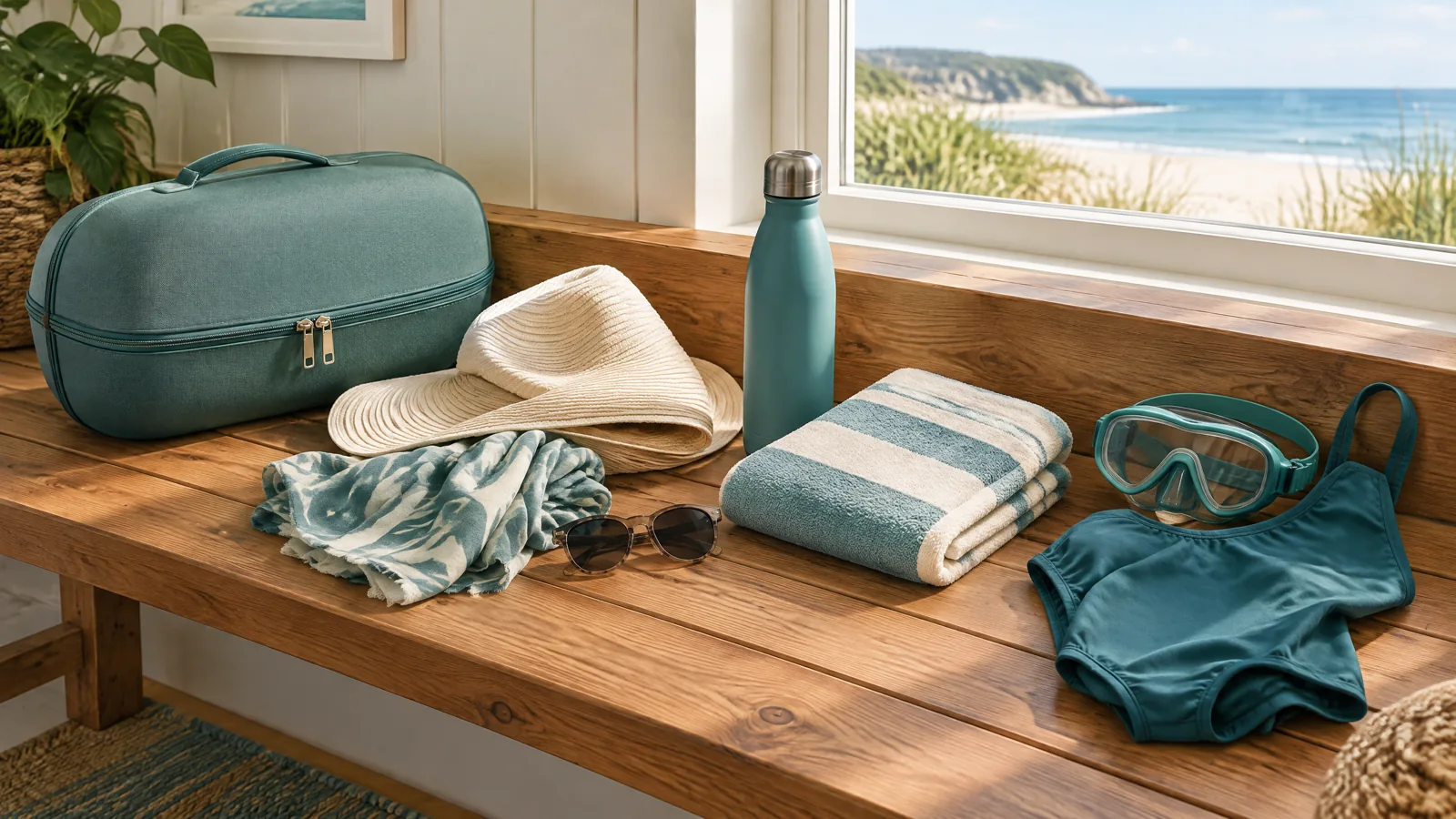
Illustration · Concept illustration: keeping a shore-only styling plan separate from activity gear.
A sensible next step
Take the question with you
Make the grey wig shore pairing decision from a complete scene: the wearer, clothing, background, likely light, and planned camera view. Bring a small reference pack to the selection conversation, then check colour separately from coverage, fit, fibre, base, care, and activity requirements. If any instruction or suitability point remains unclear, keep the preferred look on land and use the shore-only alternative.
For a DiveHarbour activity enquiry, ask about the shore or diving plan and its activity requirements. For an OWNSTRAND product enquiry, ask about the specific style, shade, measurements, fitting, and care instructions through the relevant OWNSTRAND route. DiveHarbour does not order hairpieces, and OWNSTRAND is not the activity provider.
Questions to ask
Common questions
How should I start planning grey wig shore pairing?
Start with the event scene, clothing, likely light, and the contrast you want. Then prepare a daylight photograph, an outfit reference, and a short colour note before asking about a specific style.
Are grey, silver, white, and salt-and-pepper the same?
No. They are useful description families, but their lightness and darker-strand contrast can vary by style and provider. Ask how the named shade appears on the exact piece rather than relying on the label alone.
Should I compare the colour indoors or outdoors?
Use natural light outdoors or near a window for an initial comparison, then consider the actual shore shade and any warm indoor dinner lighting. Keep the setting attached to each photograph so the light is not mistaken for the shade.
Can I wear the wig for swimming or diving if the colour plan is good?
No assumption should be made from colour, fit, or clothing coordination. Follow the specific product instructions and the qualified activity lead's requirements. If suitability is unresolved, keep the piece on land and choose a shore-only alternative.
Adobe states that overcast natural light can create a cooler blue tone, incandescent light can create a warmer yellow or orange cast, and white balance affects all colours in the photograph.
The American Cancer Society advises using natural light outdoors or near a window when deciding whether a wig matches a hair swatch, and notes that sizing can vary by brand.
Continue exploring
Three useful next reads
Keep comparing practical questions before you choose a course, activity or preparation step.
Coastal life and hairpieces · Updated 2026-11-06
Grey blend event planning for shore portraits and events
Grey blend event planning for shore weddings, graduations, and family portraits. Build a photo brief, compare tones, and plan your consultation.
Topper or full wig shore: a practical coastal day guide
Topper or full wig shore planning for portraits and dinners: compare coverage, outfit changes, privacy, care, and questions to ask before your coastal day.
Compare our published course and activity fees before choosing your next step. All prices are per person in Hong Kong dollars.
Before you book, we confirm prerequisites, materials, certification, equipment, venue and boat arrangements in writing. Ask us about fees for courses not listed here.
Read the Sai Kung diving Hong Kong guide to learn about the setting, then explore the Sai Kung scuba diving course page. Certified divers can use our Hong Kong fun dive guide to check experience requirements and activity arrangements. Locations remain subject to weather and sea conditions.
Explore the responsibilities and entry requirements in our Divemaster course Hong Kong guide, then review the scuba instructor course Hong Kong route. Professional training differs from recreational progression, so confirm experience requirements and assessment arrangements first.