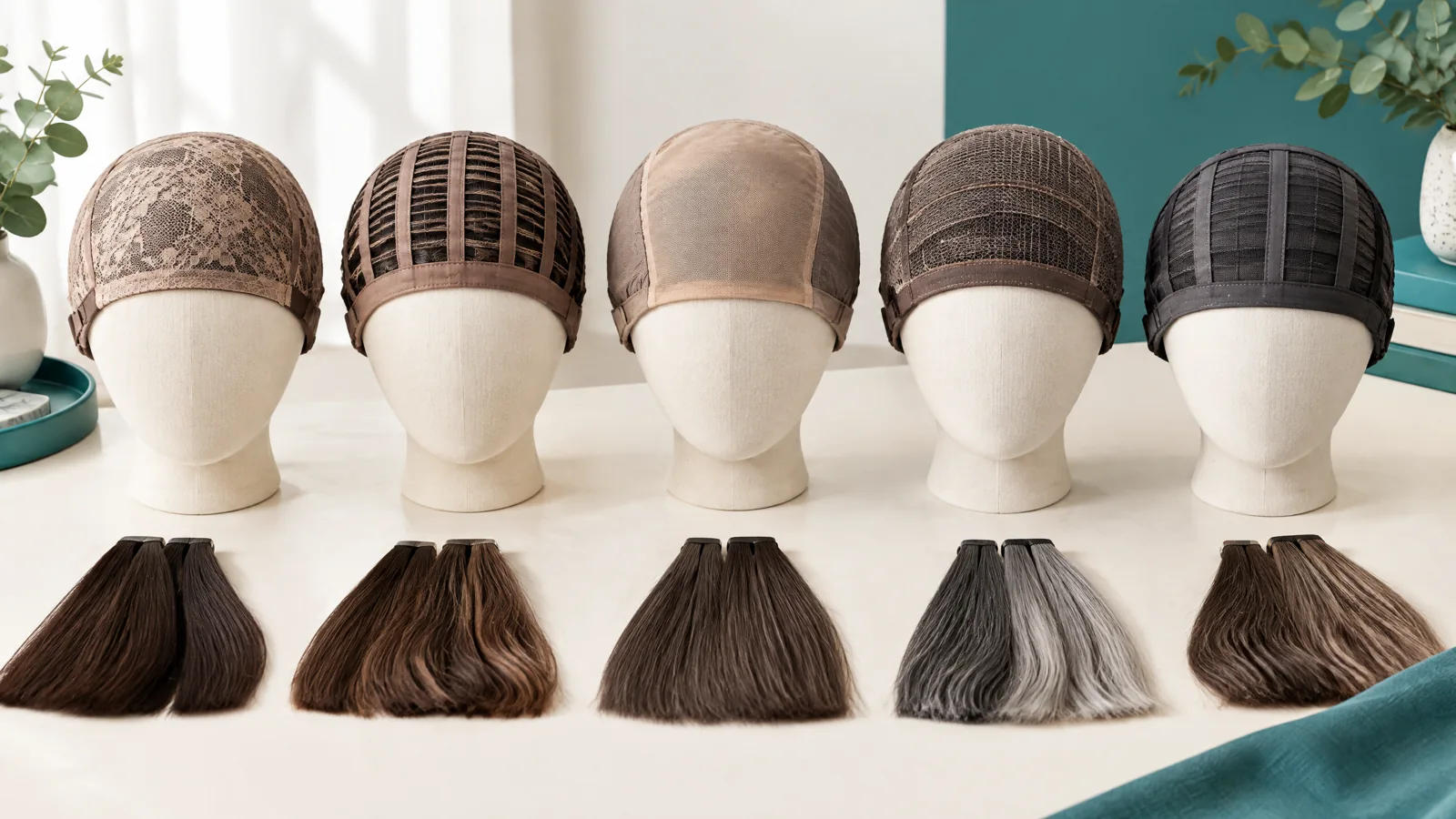
For a widening part, estimate coverage by measuring the thinning area front to back and side to side, then allow the base to reach hair that can support the attachment. Treat that estimate as a consultation starting point, not a guaranteed fit. A topper may suit a defined top area, while a full wig may make more sense when thinning extends widely or when the event calls for a complete style change.
Illustration · Concept illustration: planning coverage for a shore portrait; not a real customer or product result.
Instructor qualifications
One clear teaching conversation from first breath to next step
DiveHarbour brings together scuba teaching, swimming, lifesaving and water-rescue experience so you can ask practical questions before choosing a course.
PADI teaching backgroundTeaching experience across recognised scuba learning pathways.
SSI teaching backgroundClear explanations when you are comparing agency routes.
NAUI teaching backgroundA practical, standards-aware approach to learning and progression.
Swimming foundationWater confidence and calm, step-by-step practice matter.
Lifesaving experienceSurface awareness and prevention stay part of the conversation.
Pool rescue experienceControlled practice can build confidence before open water.
Beach rescue experienceLocal water context informs sensible preparation.
Kayak rescue experienceA wider water-safety perspective supports good judgement.
PWC rescue experienceAsk about the right learning route for your experience and goals.
Brand relationship: DiveHarbour and OWNSTRAND share the same owner.
DiveHarbour and OWNSTRAND have the same owner. OWNSTRAND links in this article are external product-selection references, not independent third-party recommendations, medical advice, or a DiveHarbour endorsement of product performance or water activity.
A useful fact to keep in mind
Jon Renau's guide recommends measuring front to back and side to side, adding 1 inch to each measurement so the attachment area can reach sufficient hair, and rechecking measurements every six months as hair loss changes.
Measure the area you want covered, not your entire head by default.
Record front-to-back and side-to-side measurements with a flexible tape.
Compare base coverage, attachment area, and styling scope before choosing a topper.
Build in a consultation, a rehearsal, and a shore-only backup plan before the portrait.
Start here
What thinning-part piece size should measure
A thinning-part piece size estimate starts with coverage, not a generic wig size
If your part looks wider in a shore portrait, start by mapping the area you want the piece to cover. A useful first estimate records the thinning zone from front to back and side to side. It is different from measuring your whole head circumference for a full wig. The base must cover the visible area while leaving an attachment zone that the product can use according to its own instructions. Jon Renau describes this front-to-back and side-to-side approach, with an allowance beyond the thinning area. [1]
Look at the part as it will appear in the photographs. A centre part, side part, or crown-opening part can need a different coverage shape. Include what becomes visible when you move your head or wind lifts nearby hair. Measure what needs coverage, then discuss whether a larger base or different construction is appropriate.
This is an appearance-planning exercise, not a diagnosis. A widening part can have different causes, and the American Academy of Dermatology advises seeing a dermatologist for diagnosis because similar-looking patterns can come from different conditions. [2] If the change is sudden, accompanied by scalp symptoms, or worrying for another reason, put medical assessment ahead of an event styling decision.
Mark the front and back limits of the area that looks sparse in normal styling.
Mark the left and right limits where you want coverage to finish.
Note whether the visible area includes the part, crown, front hairline, or more than one zone.
Keep your measurements and photos dated so you can compare them before a future event.
A measurement is a conversation starter. The finished base dimensions, construction, and fitting instructions still belong to the specific piece.
Guide · 02
Read the part and the portrait brief together
The same widening part can need a different plan for wind, light, and close-up photographs
Coverage is only one part of how the result will read in a portrait. A close crop can show a part line or front edge more clearly than a group photograph. Side lighting can make sparse areas more visible, while wind can move surrounding hair. Note the camera distance, likely angles, hat or glasses, outfit changes, and second hairstyle.
The aim is not to hide every strand from every angle. It is to decide which views matter most and tell the fitting adviser honestly. If the event includes a loose wave or a side sweep, the blend and length need to be discussed with that styling brief. For a separate preparation checklist, review coastal wavy haircut upkeep without assuming that a haircut plan settles the base-size question.
A clip-in hair topper can be one product category to ask about when thinning is concentrated on the top. The link does not establish that every clip-in construction suits every scalp, measurement, or event. Ask for the actual base dimensions, attachment instructions, and styling limits for the piece being considered. Keep that product conversation separate from any decision about entering the water.
Choose the portrait angles that must look consistent, rather than planning for an imaginary 360-degree view.
Bring a natural-light photo and a description of the intended parting direction.
State whether the piece will be worn only for the portrait or also for dinner and travel between locations.
Separate hairpiece questions from the photographer's lighting and posing decisions.
Swipe the table to compare all columns.
Coverage notes to bring to a thinning-part piece size enquiry
Question
What to record
Why it matters
What not to assume
Where is the visible zone?
Part, crown, front, or more than one area
Shows the intended coverage shape
A wider part always needs the same base
Which views matter?
Front, side, top, close crop, and wind-facing angles
Connects coverage to the portrait brief
One mirror view represents every photograph
What is the hair direction?
Centre part, side part, sweep, or planned wave
Helps discuss blend and parting
A style reference confirms the fit
What is the event flow?
Portrait, dinner, travel, and any dry-land change
Clarifies styling and privacy needs
A shore plan clears water use
Illustration · Concept illustration: a private measurement conversation, not a real OWNSTRAND fitting.
Guide · 03
Measure coverage before asking about base size
A repeatable five-step check gives the adviser useful information
Use a flexible fabric tape rather than a rigid ruler. Wear your hair in the part and general direction you expect for the event, because changing the part can change the visible zone. If possible, ask another person to read the tape. Record the front-to-back result first, then the side-to-side result. Jon Renau also advises starting and stopping where there is sufficient hair for the attachment area, rather than placing the ends inside the thinnest section. [1]
Do not turn the added allowance into a universal formula. One source uses a 1-inch addition as a starting point, but product shapes and attachment systems differ. A listed width and length describe the whole outer base, not an invisible inner margin. Ask whether dimensions are edge to edge, how the base is oriented, and where attachment points sit.
Repeat the check if your part has changed, if the piece will be worn with a different direction, or if the event is far enough away for the coverage area to change. Jon Renau recommends retaking measurements every six months. Use that as a review prompt, not as a promise that a measurement will remain stable. Save the date, the two dimensions, the intended part, and a plain note about the photographs you are trying to support.
Style the part, identify the visible zone, and take a front-to-back measurement.
Take a side-to-side measurement across the area that needs coverage.
Add the source-guided allowance only as a discussion point, then check the product's own sizing method.
Confirm where the attachment points will land and whether that hair can support them.
Recheck the record before a dated event if the part or thinning area has changed.
Guide · 04
Turn the numbers into a product conversation
Base dimensions, fibre, and front construction answer different questions
A larger number does not automatically mean a better choice. It may cover more of the top, but can also change the attachment area, styling options, and surrounding hair that must blend. A smaller base may fit a defined part zone yet expose edges when the part shifts. Ask where the base would begin and end on your intended part, not only for a size label.
Fibre is another conversation, not a substitute for coverage. If you are comparing synthetic wigs, ask for the actual fibre-care, heat, and styling instructions of the chosen item. Synthetic fibre does not determine whether a piece is a topper or a full wig, and it does not make a piece suitable for water. Keep the product's stated materials and care directions beside your event brief.
Ask for a written or clearly recorded comparison of base width, base length, parting position, front edge, density, and the style you plan to wear. If the adviser suggests a different product category, ask what changed: the coverage area, the attachment area, the desired hairline, or the need for a complete style. This keeps a measurement decision from becoming an unexamined leap into a different construction.
Ask for base width and length rather than relying on small, medium, or large labels.
Confirm whether the parting area is fixed, flexible, or different from the visible thinning zone.
Check fibre and heat instructions separately from coverage and attachment questions.
Request the product-specific care and removal instructions before committing to an event plan.
Do not treat synthetic, lace front, monofilament, silk top, or clip-in as interchangeable labels. Each describes a different product question.
Illustration · Concept illustration: comparing coverage questions, not a real product comparison.
Guide · 05
Topper or full wig for a shore portrait?
Choose by the area that needs coverage and the amount of styling change you want
A topper is generally the first category to discuss when the concern is a defined area on the part, crown, or top, and enough surrounding hair is available for the stated attachment method. A full wig changes the coverage question because it replaces the visual frame of the hairstyle, including the sides and back. Neither choice is automatically right. The decision should follow the measured area, the attachment instructions, the desired hairline, and the privacy of changing or restyling before the portrait.
A lace front wig is a construction category for discussing the front hairline. It is not a synonym for every topper, and the presence of a lace front does not answer the base-size question. Ask how the front is designed, what the product instructions say about fitting and removal, and whether the planned hairstyle exposes the edge. Do not add adhesive, straps, clips, or other modifications unless the product provider specifically instructs you.
For a portrait followed by dinner, a topper may preserve more of your own hairstyle if the coverage and attachment conditions fit. For diffuse thinning, a visible front edge, or a planned full change of silhouette, a full wig may make the consultation simpler. This is not a ranking. It is a way to compare coverage scope, styling responsibility, change time, and privacy before choosing a product category.
Choose a topper discussion when the measured problem is local and the attachment area is suitable.
Choose a full-wig discussion when coverage extends broadly or the whole silhouette will change.
Compare the front edge and parting requirements with the planned camera angles.
Ask how the piece will be stored and changed between shore activities and a later event.
Swipe the table to compare all columns.
Topper versus full wig: questions for a shore portrait decision
Decision area
Topper discussion
Full-wig discussion
Question to ask
Coverage
Defined part, crown, or top zone
Broader coverage including sides and back
Where would the base begin and end?
Existing hair
Usually relies on surrounding hair for blend or stated attachment
May change the full visible silhouette
What hair is expected to remain available?
Front appearance
Depends on the topper edge and parting
Depends on the wig's front construction
Will the planned camera angle expose the edge?
Event transition
May preserve more of the existing style
May make a complete style change simpler
How will the piece be changed and stored?
Water boundary
No automatic water suitability
No automatic water suitability
What dry-land alternative is ready?
Guide · 06
Plan the fitting before the shore event
Thinning-part piece size should be settled before the portrait day, not during it
Work backwards from the event without assuming delivery or availability. Collect measurements, photographs, clothing colours, the planned part, and portrait angles. Then ask about coverage, base dimensions, attachment, styling, and care. Leave time for a fitting conversation and a check in the hairstyle you will wear. Name one shore-only alternative if questions remain unresolved.
For a broader event-planning sequence, read the shore-event styling brief. The article is useful for separating hair, clothing, photography, and changing-space decisions. It does not replace product-specific instructions. If the day includes swimming, diving, or another water activity, treat the hairpiece plan as separate from activity clearance. Do not assume any wig or topper is waterproof or safe in water.
The conservative option is to use the hairpiece for the confirmed shore portrait or other dry-land setting, then follow the product instructions for removal and storage before any water activity. Do not force removal of an attached piece or alter safety equipment. Ask the product provider and the qualified activity operator about their separate requirements. If those requirements cannot be confirmed, choose the shore alternative and keep the water plan independent.
Prepare measurements and portrait references before the first product enquiry.
Arrange a non-event fitting or rehearsal when the product provider advises one.
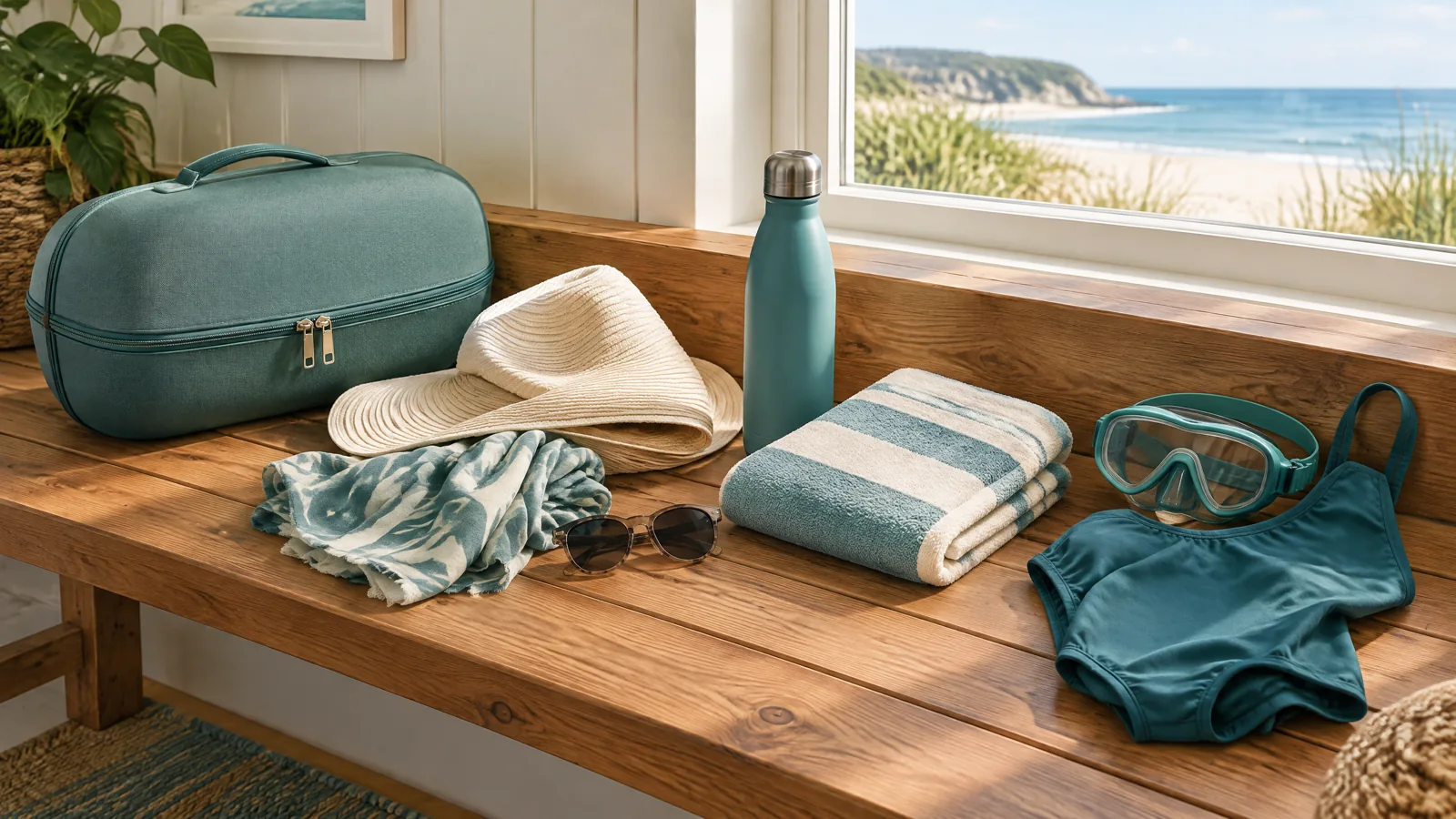
Pack a dry-land styling backup and a private change option.
Keep hairpiece handling separate from water-activity decisions and safety equipment.
Escalate diagnosis, treatment, chemotherapy, or postpartum health questions to the appropriate healthcare team.
A successful event plan is not a promise about product performance. It is a sequence that leaves room to pause, ask, and choose a dry-land alternative.
Illustration · Concept illustration: a dry-land shore-day plan, not a water-use or customer-evidence image.
A sensible next step
Take the question with you
Measure the thinning zone, record the two dimensions, and turn the result into a specific conversation about base coverage, attachment area, front construction, fibre, styling, and event timing. Then compare a topper and a full wig against the portrait brief. A dry-land backup gives you a practical choice if the product information or fitting remains uncertain.
For a DiveHarbour shore or diving activity enquiry, contact DiveHarbour about the activity itself. For an OWNSTRAND hairpiece selection enquiry, use the OWNSTRAND links to ask about the specific product, measurements, fitting, and care instructions. Neither brand should be treated as the other brand's service.
Questions to ask
Common questions
How do I estimate thinning-part piece size at home?
Style the part as you expect to wear it, mark the visible area, and measure front to back and side to side with a flexible tape. Record where the attachment area would land, then ask the product provider to confirm the actual base dimensions and fitting method.
Should I add extra space to my measurement?
A Jon Renau guide uses a 1-inch addition to each measurement as a starting allowance for attachment on sufficient hair. Treat that as source guidance, not a universal rule. Product-specific dimensions, construction, and instructions take priority.
Is a topper or full wig better for a widening part?
A topper may fit a defined top area when the attachment conditions are suitable. A full wig may be easier to discuss when thinning is broad or the whole silhouette will change. Compare coverage, front appearance, styling, privacy, and event transitions rather than choosing by label alone.
Can I wear the piece for swimming or diving after the portrait?
Do not assume a topper or wig is waterproof or safe for water activity. Keep the piece plan on dry land unless the product instructions and activity operator separately confirm their requirements. If they remain unclear, choose a shore alternative and keep safety equipment unmodified.
Jon Renau's guide says to record front-to-back and side-to-side measurements, add 1 inch to each measurement for attachment on sufficient hair, and retake measurements every six months.
The American Academy of Dermatology says female pattern hair loss can begin with a widening part and advises seeing a dermatologist to determine the cause of hair loss.
Continue exploring
Three useful next reads
Keep comparing practical questions before you choose a course, activity or preparation step.
Coastal life and hairpieces · Updated 2026-11-06
Private Wig Fitting Chat: Plan a Quiet Shore Event
Plan a private wig fitting chat for a beach portrait or shore event. Prepare measurements, privacy questions, and a clear next step before choosing.
Topper or full wig shore: a practical coastal day guide
Topper or full wig shore planning for portraits and dinners: compare coverage, outfit changes, privacy, care, and questions to ask before your coastal day.
Compare our published course and activity fees before choosing your next step. All prices are per person in Hong Kong dollars.
Before you book, we confirm prerequisites, materials, certification, equipment, venue and boat arrangements in writing. Ask us about fees for courses not listed here.
Read the Sai Kung diving Hong Kong guide to learn about the setting, then explore the Sai Kung scuba diving course page. Certified divers can use our Hong Kong fun dive guide to check experience requirements and activity arrangements. Locations remain subject to weather and sea conditions.
Explore the responsibilities and entry requirements in our Divemaster course Hong Kong guide, then review the scuba instructor course Hong Kong route. Professional training differs from recreational progression, so confirm experience requirements and assessment arrangements first.