

A useful fact to keep in mind
The Hong Kong Red Cross Standard First Aid Certificate Course lists 30 hours of training plus 3 hours for examination and an entry age of 15 or above.
Check the sourceBasic Life Support CPR and First Aid course Hong Kong: what to expect
Core emergency-response skills for everyday situations
A Basic Life Support CPR and First Aid course Hong Kong learners can enquire about is practical training for recognising an emergency, getting appropriate help and beginning sensible first response while professional assistance is arranged. It is not a promise that every emergency will have the same outcome. Instead, it gives you a structured opportunity to practise decisions that are easy to forget under pressure: checking for danger, seeking help, assessing responsiveness and following the instructor's taught sequence.
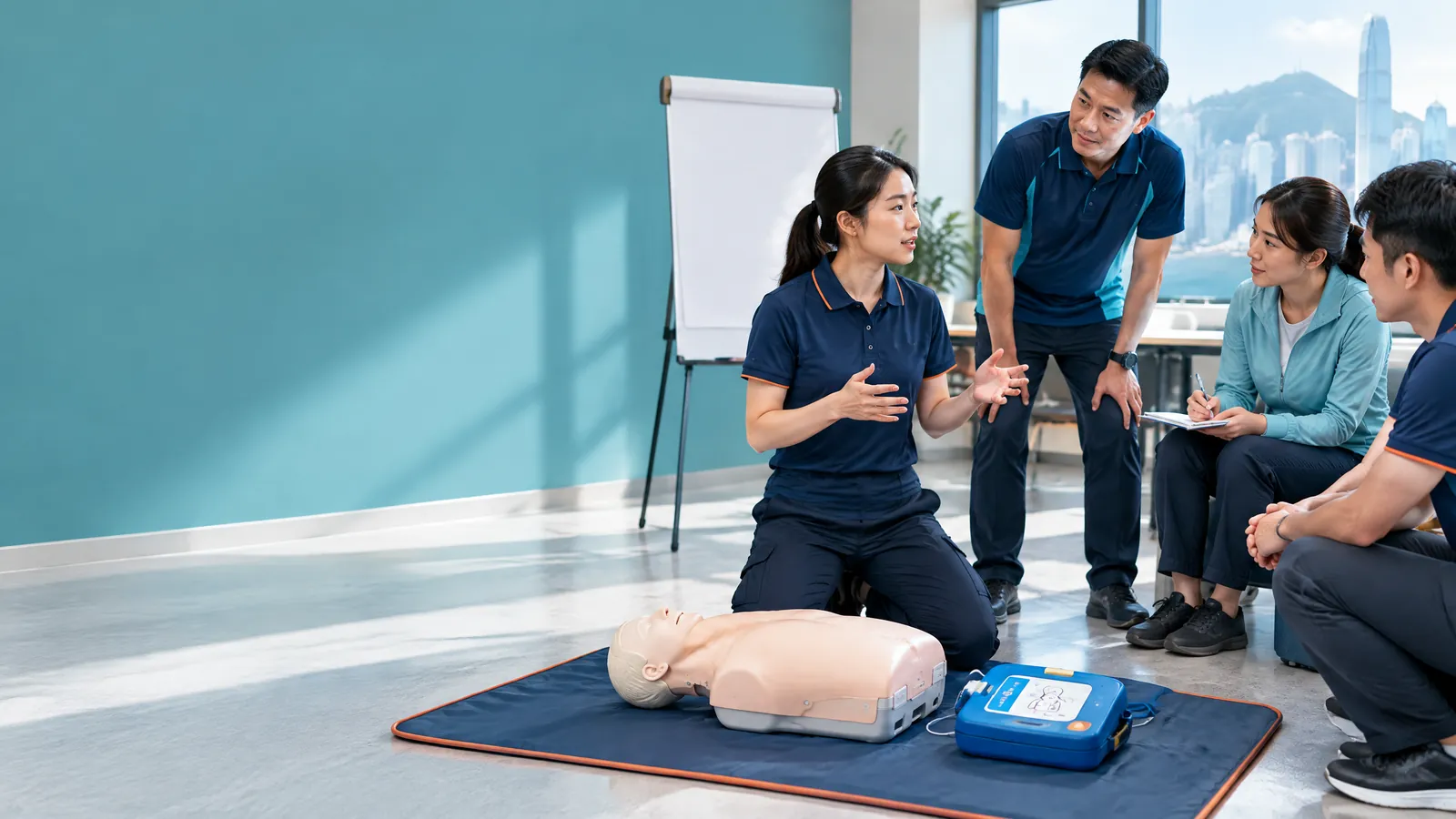
The CPR element normally centres on recognising a suspected cardiac emergency, starting appropriate chest-compression practice on a manikin and understanding how an automated external defibrillator (AED) fits into a trained response. First-aid content may broaden the day to include choking, bleeding, burns, shock, wounds, unconsciousness and common environmental or medical problems. Ask for the exact syllabus rather than assuming that every course carrying the words ‘BLS’ or ‘first aid’ covers identical skills.
A CPR course Hong Kong enquiry can therefore be a sensible choice when your priority is adult CPR, choking response or AED awareness. A combined course may be more useful if you are a parent, office manager, sports helper, dive leader, school worker or community volunteer who wants a wider first-response foundation. The learning is hands-on, but it does not make you a doctor, nurse or emergency medical technician; call local emergency services and follow professional instructions whenever a serious incident occurs.
The Hong Kong Red Cross Standard First Aid Certificate Course lists 30 hours of training plus 3 hours for examination and an entry age of 15 or above. Those figures describe that named Red Cross course, not every provider or every short CPR class. They are useful when you compare the depth of a full first-aid route with a shorter skills workshop.
- Expect a briefing, demonstration, coached practice and assessment or feedback, with reasonable time for questions.
- Tell the provider about accessibility, language, previous training and any concern that could affect practical participation.
- Treat online reading as preparation only; it cannot replace supervised practice on the provider's manikins and equipment.

Choosing a CPR course Hong Kong learners can understand
How CPR and first-aid training routes differ
Start with the situation in which you expect to use the skill. A CPR-focused programme may give more time to recognition, compressions, rescue-breathing options as taught, choking and AED familiarisation. A broader first-aid course can add patient assessment, bleeding control, burns, musculoskeletal injury and safe handover. For a workplace or organised activity, confirm whether an employer, venue, insurer or governing body requires a particular certificate, syllabus, language or renewal period.
Provider identity matters as much as the label. Compare the awarding organisation, instructor credentials, class size, teaching language, practical equipment, assessment method and certificate wording. A certificate may document attendance, successful assessment or a recognised first-aid qualification; those are not interchangeable. DiveHarbour's lead coach has confirmed PADI, SSI and NAUI teaching experience alongside swimming, lifesaving, pool, beach, kayak and personal-watercraft rescue qualifications, but the exact issuing body and course scope still need to be confirmed for your booking.
If you are considering a diving pathway, keep emergency training and diver certification conceptually separate. General CPR and first aid can strengthen your preparedness, but it does not automatically grant a scuba qualification or qualify you to supervise divers. People comparing a broader route can read about the NAUI First Aid course Hong Kong option and ask how its syllabus differs from the course under discussion.
A good enquiry is specific: ‘I need adult CPR and AED practice for a workplace team’; ‘I need general first aid before helping at water activities’; or ‘I need to check whether this certificate is accepted for my organisation.’ That information helps the provider recommend a realistic route without overselling content you may not need.
- Check whether the class is adult-only or includes child and infant response; do not assume one course covers all age groups.
- Ask how much time is spent practising, how assessment works and what happens if you need additional coaching.
- Confirm the certificate name, issuer, validity or refresher guidance in writing before payment.
Planning your First aid and CPR course Hong Kong enquiry
Discuss course scope, provider and certificate details
A First aid and CPR course Hong Kong enquiry is easiest to answer when you share your learner profile and practical constraints. Tell us whether you are booking alone, arranging a group, preparing for a diving trip, meeting a workplace requirement or refreshing skills after a long gap. Mention preferred Cantonese, English or Putonghua instruction, likely dates, venue needs and whether participants can kneel or perform repeated manikin practice. These details help identify a suitable format before any booking is made.
The listed published price for the Basic Life Support: CPR and First Aid item is HK$1,430 per person. Treat this as the current approved reference for that item only; course name, practical scope, materials, assessment, certificate and date availability should be confirmed before enrolment. Do not infer that a different provider's course or a separate refresher has the same fee. If the exact arrangement is still being finalised, ask for a written quotation instead of relying on a verbal assumption.
People who need a refresher can compare the EFR CPR first-aid refresher Hong Kong page, while anyone mapping a longer professional development route may find the CPR and first aid instructor course Hong Kong discussion relevant. Those pages address different aims, so they should not be treated as automatic upgrades or substitutes for the course you are enquiring about.
Before you pay, request the syllabus, location, timing, attendance expectations, assessment arrangements, certificate details and cancellation terms. Keep the confirmation and ask who to contact on the day. If you have a medical condition, injury, pregnancy-related question or other health concern, seek individual advice from a qualified clinician; course staff can explain participation arrangements but cannot provide personal medical clearance.
What to practise before and during the class
Build calm habits without trying to self-treat an emergency
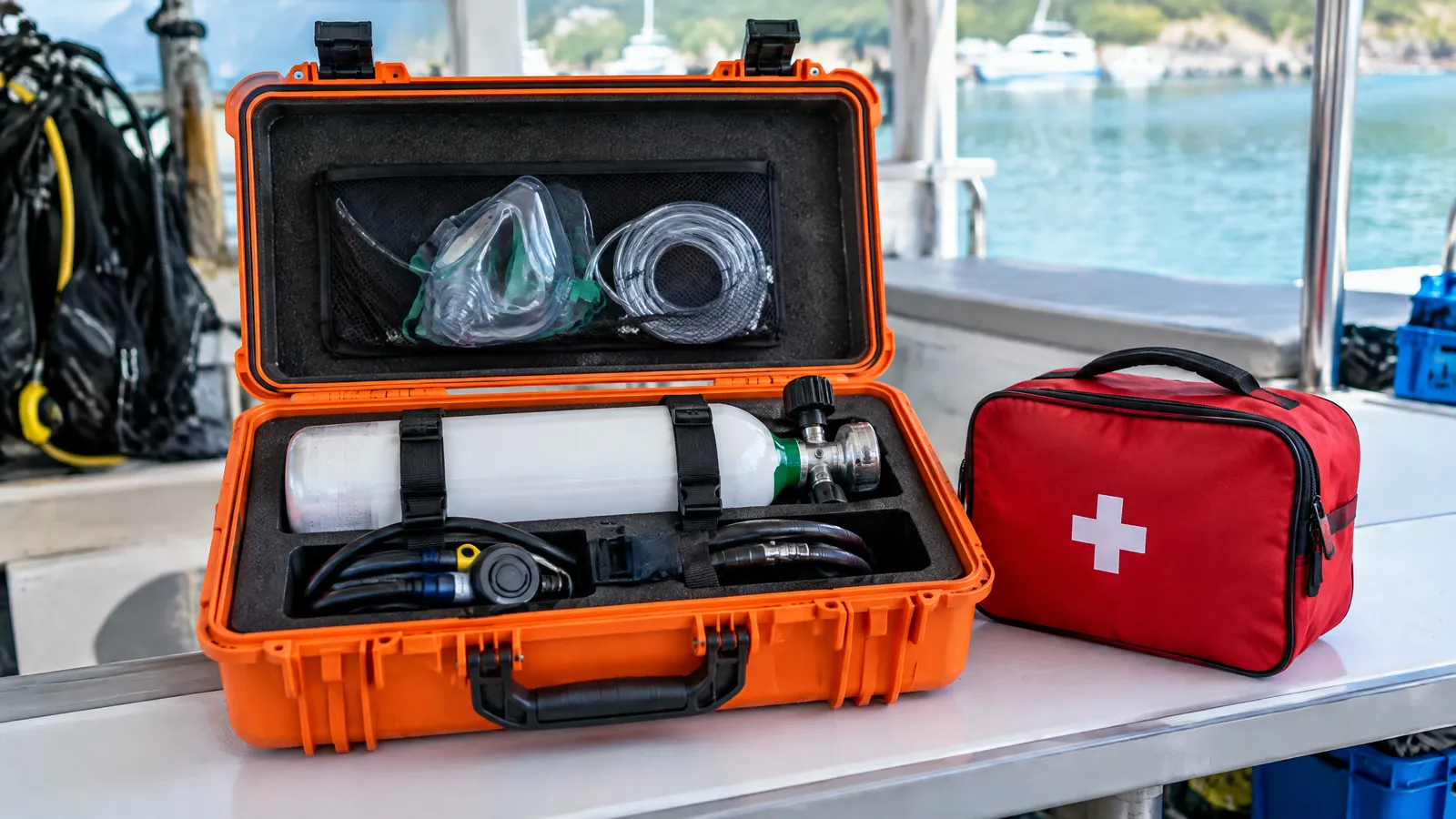
Before class, read the joining instructions and wear clothing that permits comfortable movement. Arrive early enough to complete registration and tell the instructor about language or accessibility needs. You do not need to memorise a complete protocol from the internet. The useful preparation is to understand that real incidents require scene safety, early communication with emergency services and cooperation with trained responders.
During practice, focus on quality rather than speed or bravado. Listen for corrections on hand position, posture, rhythm, fatigue management and safe use of the training AED. Ask how the provider adapts practice for different body sizes or mobility needs. If a scenario feels overwhelming, pause and tell the instructor; coached repetition should build confidence, not encourage unsafe improvisation.
After the course, save the certificate and note any renewal or refresher recommendation. Briefly explain to household members or colleagues where emergency contacts and first-aid equipment are kept, without claiming that an untrained person can diagnose or treat every condition. Regular, supervised refreshers are more useful than keeping a certificate in a drawer and assuming the details will remain automatic.
- Practise communication: identify the location, describe what happened and follow the emergency operator's questions.
- Use only equipment and procedures covered by your training; never experiment on a real casualty because a video suggested it.
- Review the provider's certificate and refresher advice while the class is still fresh in your mind.

Where this training fits with diving and water safety
Useful foundation, separate qualifications
First-aid and CPR skills are relevant to divers because incidents can occur on a boat, at a shore entry, in a pool or away from immediate medical support. They do not, however, replace dive planning, buddy procedures, gas management, equipment knowledge or a recognised diver course. If your next step is rescue-specific diving, compare the NAUI Rescue Scuba Diver course Hong Kong information and confirm its stated prerequisites, including any required current first-aid training.
If you are working towards assisting an instructor, read the guide to first aid certification before a dive assistant instructor course. It can help you distinguish a useful prerequisite from a professional-level pathway. A first-aid certificate alone does not authorise teaching, guiding or making clinical decisions, and no course should promise employment or a particular instructor status.
Water activities also need prevention: weather awareness, clear briefings, buddy checks, flotation and a realistic plan for contacting help. CPR practice is one part of that preparation. Ask for training that matches your actual setting and experience, then keep the boundaries of your qualification clear when supervising friends or customers.

A practical enquiry checklist for Hong Kong learners
Get the important details in writing
Use the following short checklist before confirming: identify your purpose; select CPR-only or combined first aid; verify the provider and issuer; confirm language, duration, assessment and certificate; check the total price and what materials are included; disclose participation needs; and read the cancellation policy. These seven checks reduce the chance of booking a course that sounds right but does not meet your organisation's requirement.
Message DiveHarbour with your preferred route and the questions you already have. We can help you compare scope and next steps, while the training provider remains the source for final schedules, assessment decisions and certificate terms. If you later need a different emergency topic, ask whether an oxygen or rescue course is genuinely relevant rather than adding training simply because its name sounds more advanced.
- Bring photo identification or requested registration information.
- Keep written confirmation of the fee, date, venue and certificate arrangement.
- Ask for help choosing a refresher if your prior training is expired or its scope is unclear.

Compare common emergency-training choices before you enquire
| Option | Best for | Check |
|---|---|---|
| CPR-focused class | Learners prioritising adult CPR, choking and AED awareness | Age group, practice time, assessment and certificate issuer |
| Combined first aid and CPR | People wanting a wider everyday emergency-response foundation | Syllabus breadth, duration, language and renewal terms |
| Diving rescue pathway | Divers who already meet the stated prerequisites | Current first-aid requirement, diver level and water-training scope |
| Refresher training | People whose prior knowledge or certificate needs updating | Whether the provider accepts your previous certificate and what is reassessed |
Basic Life Support, CPR and First Aid in Hong Kong — common questions
Is this a medical qualification or a diving certification?Toggle answer
No. This page concerns practical emergency-response training, not medical authority, a healthcare licence or a diving certification. Ask the training provider which syllabus, assessment and certificate apply, and seek individual medical advice from a qualified physician when needed.
How do I choose between CPR-only and combined training?Toggle answer
Start with the skills you want and the certificate you need. A CPR-focused route may suit CPR practice, while combined first-aid and CPR training covers a broader stated scope. Message DiveHarbour to discuss the available course details before enquiring.
Can I cancel and receive a refund after paying?Toggle answer
Fees are non-refundable unless the written booking terms expressly say otherwise. Read the provider's cancellation, transfer and administrative-fee terms before payment, and ask us to clarify any wording you do not understand.
Can I automatically reschedule a missed session?Toggle answer
No automatic make-up or reschedule should be assumed. Make-up sessions are available only where the written terms permit them, subject to the provider's available dates and conditions; no date is guaranteed until confirmed in writing.
Will this certificate qualify me to teach first aid or supervise divers?Toggle answer
Not by itself. A learner certificate records the course and assessment completed. Teaching, professional supervision and diving qualifications have separate prerequisites, scope and issuing arrangements, so confirm those requirements with the relevant provider.
Take the question with you
Choose the narrowest course that genuinely matches your responsibility, then verify its practical content and certificate before paying. Send DiveHarbour your goal, preferred language, learner age range and any deadline; we can help you form a focused enquiry while you confirm final provider terms in writing.
Sources worth checking
- Hong Kong Red Cross Standard First Aid Certificate Course (SFA)
The official course page states 30 hours of training plus 3 hours for examination and an entry requirement of age 15 or above; it also lists CPR, choking, bleeding, burns and AED-related content.
- Hong Kong Red Cross First Aid Training
The official training catalogue lists separate CPR/AED-related and first-aid course routes, supporting the distinction between focused CPR training and broader first-aid study.
Useful next reads for your plan
If you are still comparing routes, these related pages give you practical questions to bring into your next conversation with an instructor.
Put your plan into practice
Useful planning guides
Dive first aid renewal path: from refresher to instructor track
Use this dive first aid renewal path worksheet to compare practical options, check key decision points, and confirm current details with DiveHarbour.
dive first aid renewal path
