

A useful fact to keep in mind
Hong Kong’s Agriculture, Fisheries and Conservation Department says Hoi Ha Wan Marine Park covers about 260 hectares.
Check the sourceHong Kong shore diving for a considered local experience
Choose a shore dive around experience and conditions
Hong Kong shore diving is not simply a cheaper substitute for a boat trip. It is a different way to spend time in the water: you can take a little more time with the entry, settle your equipment at the shoreline and focus on a specific coastal environment. That can be appealing to a certified diver who wants a refresher, a relaxed photographic outing or a practical local dive between busier travel plans. It can also be a poor fit if an entry is exposed, the walk is demanding or the sea state does not match your comfort.
A useful first conversation covers your certification, number of logged dives, last dive, confidence in surface swimming and the type of shore access you are comfortable with. Tell the team whether you are bringing a buddy, need equipment discussion or would rather prioritise an easy-paced guided experience. Certification alone does not predict readiness for every shoreline: current, visibility, swell, rocks, stairs and exit routes all matter. The final plan should be based on conditions on the day, not on a fixed promise of visibility or marine life.
For a first local outing, compare a sheltered entry with a more exposed coast rather than asking for a universal ‘best’ site. If you have been out of the water for a while, a skills refresh or a conservative plan may be more useful than adding distance. You can also review the Hoi Ha Wan shore dive option when sheltered-water character and reef etiquette are central to your enquiry.
- Share your most recent dive and any relevant experience with shore entries.
- Ask what the access, exit, surface conditions and expected equipment carry involve.
- Keep the plan flexible until the team has reviewed weather and local conditions.

Sai Kung shore diving with a suitable plan
Discuss access, conditions and diver comfort before the day
Sai Kung shore diving can be rewarding because the district combines villages, rocky coastline, sheltered bays and changing marine conditions. That variety is precisely why a named location is not a guarantee of an easy dive. A short approach may still involve uneven ground, a slippery shoreline or a careful water entry. Ask about the practical sequence: where you meet, how far equipment is carried, how the group enters and exits, and what happens if the planned site is not comfortable on the day.
Access planning should include more than transport. Consider tide, wind direction, rainfall, water movement, boat traffic, the amount of time in kit and whether you can climb out steadily while tired. A diver who is happy on a boat may prefer a very sheltered shore, while someone seeking navigation practice may want a different discussion. The team can help match the plan to experience, but a guide cannot remove natural conditions or replace your responsibility to communicate honestly.
For divers comparing coast and boat logistics, the Sai Kung boat diving page gives useful context for how a vessel-based outing differs from a shore-based one. Shore diving may reduce time spent travelling by boat, but it can increase the importance of entry technique, carrying equipment and a clear turnaround plan. Do not assume the same site is suitable for every diver, group or season.
- Ask whether the proposed entry includes rocks, steps, a beach or a swim from shore.
- Bring footwear and exposure protection appropriate to the confirmed plan, not a generic checklist.
- Agree a conservative turnaround and exit approach before entering the water.

Hong Kong shore dive sites and how to compare them
Match the site choice to your goals and experience
The phrase Hong Kong shore dive sites covers very different experiences. One site may be chosen for a sheltered setting and easy observation; another may be better discussed by divers who are comfortable with a longer approach, navigation or variable water movement. Instead of ranking sites by a single online list, define what you want from the dive. Is your priority a low-pressure return to diving, a particular habitat, photography, practice with a buddy or simply time in the sea without a boat schedule?
A site conversation should also address what you will not do. If you are not comfortable with surge, a difficult exit, limited visibility or a long surface swim, say so early. A responsible plan can change location, shorten the outing or recommend a refresher rather than forcing a match. Marine life is never guaranteed, and good buoyancy and trim are more valuable than chasing a photograph. The guide should help you understand the choice, not sell a dramatic outcome.
Use the best dive sites in Sai Kung guide to broaden your comparison, then tell DiveHarbour which features matter to you. Divers interested in reef character can also explore coral dive sites in Hong Kong while keeping expectations realistic: habitat, visibility and animal sightings vary with weather, season and human activity.
- Describe your goal in one sentence before asking for a site recommendation.
- Compare entry, exit, shelter, expected depth profile and travel effort together.
- Treat marine-life descriptions as context, never as a wildlife promise.

What to confirm before a shore-dive enquiry
Turn a general idea into a practical booking conversation
A concise WhatsApp enquiry can save time if it includes the information that affects suitability. Start with your certification agency and level, recent dive date, approximate experience and number of divers. Add your preferred date window, whether you need rental equipment, your comfort with walking or carrying kit, and whether you want a guided fun dive or a skills-focused refresh. If a buddy is joining, share enough detail for the plan to account for the less confident diver rather than assuming everyone has identical ability.
Ask what is included and what is not before you confirm. Clarify tanks, weights, rental equipment, guide support, transport, access fees if any and the meeting point. Shore plans may require you to bring personal items that would otherwise stay on a boat, such as water, sun protection, a towel and suitable footwear. Keep valuables secure and follow any site-specific instructions. A professional discussion should make the boundaries of the service clear without inventing guaranteed schedules or fixed conditions.
If your main interest is taking images, read about responsible underwater photography at Hong Kong island dive sites before you go. A camera should not become a reason to kneel on coral, hold onto living surfaces or separate from your buddy. Practice buoyancy, keep your equipment streamlined and let the animal or habitat remain undisturbed.
- Send certification, recent-dive information, group size and equipment needs in one message.
- Confirm inclusions, meeting logistics and what weather-related decisions are made on the day.
- Bring only equipment you can use comfortably and check it before the entry.

Marine-park etiquette and conditions in Hong Kong
Protect the shoreline while you enjoy it
Some shore dives are close to protected coastal habitats, so the dive plan includes an environmental responsibility as well as a logistics decision. Hong Kong’s Agriculture, Fisheries and Conservation Department says Hoi Ha Wan Marine Park covers about 260 hectares and highlights its coral communities, mangroves and diverse marine life. Hong Kong’s Agriculture, Fisheries and Conservation Department says Hoi Ha Wan Marine Park covers about 260 hectares. The department specifically advises divers and swimmers not to stand on fragile corals and asks visitors to follow the Marine Parks Visitors Code and the code for divers visiting coral sites. The number matters because it describes a substantial managed marine area, not a private site where normal rules can be ignored.
In practice, use stable buoyancy, keep fins and gauges clear of the bottom, avoid touching animals and do not collect shells or other natural material. Give other water users room and follow instructions about zones, boats and access. If visibility falls or the entry becomes uncomfortable, communicate with your buddy and guide early. There is no benefit in converting a recreational dive into a test of persistence. A conservative exit is a successful decision.
Conditions can change after rain, with wind or as tides move through a bay. A site that looked inviting in a photograph may be unsuitable on the day. The team can discuss alternatives, but only the conditions assessment and your honest comfort should determine whether you enter.
- Stay off fragile coral and keep all equipment from dragging on the seabed.
- Follow the applicable Marine Parks Visitors Code and local access instructions.
- End the dive early if conditions, equipment or comfort no longer match the plan.
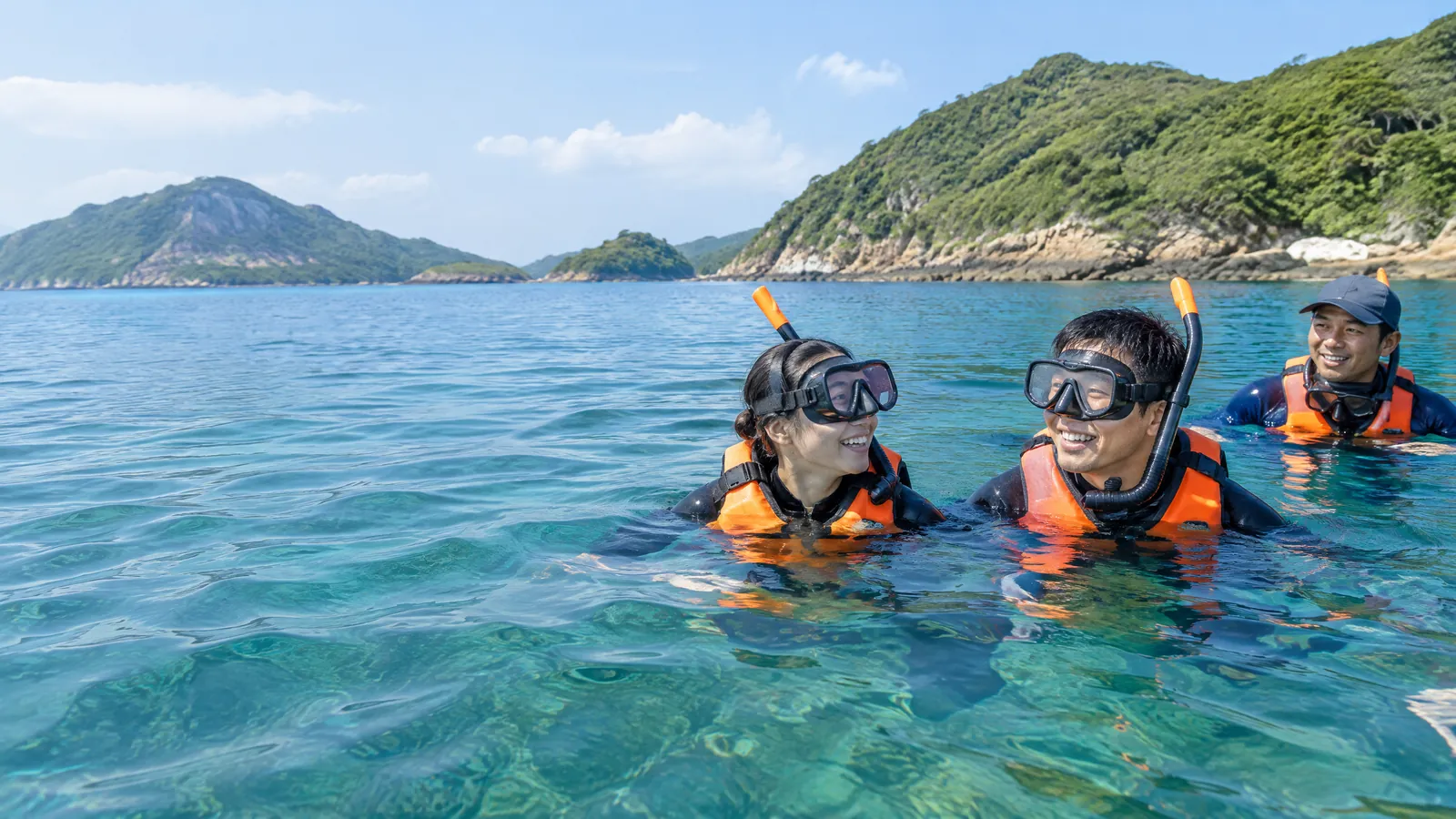
Planning a shore dive that feels unhurried
Use the day to build confidence, not chase a checklist
The best shore-dive day usually has a simple objective and enough margin around it. Arrive with time to check kit, listen to the briefing and notice how the shoreline feels before you gear up. A diver returning after a long gap may get more value from a short, calm outing than from attempting a technically ambitious route. A regular local diver may want to practise navigation, observe a habitat carefully or make a repeatable plan with a buddy. State the objective so the guide can help you choose a sensible profile.
After the dive, note what you learned: how the entry felt, what equipment worked, whether the exit was tiring and what conditions you would prefer next time. This turns a single outing into useful local experience without pretending that every site behaves the same way. If you want to broaden your skills rather than only explore, ask about appropriate training separately; a shore dive is not automatically a course or a qualification session.
To start, send DiveHarbour your experience, date range, group size and preferred type of coastline. The team can then discuss a Hong Kong or Sai Kung option, realistic conditions and the next practical step.
- Choose one clear purpose for the outing and keep the profile conservative.
- Review the entry and exit afterwards so your next plan is better informed.
- Message early when you need equipment, accessibility discussion or a less demanding option.

Compare common shore-dive planning priorities
| Planning option | Best suited to | Check before confirming |
|---|---|---|
| Sheltered, easy-paced shore outing | Divers returning to the water or prioritising comfort | Entry surface, walking distance, exit and current conditions |
| Habitat and observation-focused dive | Divers who value buoyancy, patience and environmental care | Visibility expectations, protected-area rules and camera handling |
| Skills or navigation-oriented plan | Confident certified divers with a clear practice goal | Recent experience, buddy ability, route, turnaround and conditions |
| Boat alternative comparison | Divers deciding whether shore access or vessel logistics suits the day | Travel time, equipment carry, access limitations and weather flexibility |
Hong Kong and Sai Kung Shore Diving — common questions
Who is shore diving in Hong Kong suitable for?Toggle answer
It can suit certified divers whose recent experience, comfort and skills match the planned entry and conditions. A pre-dive discussion should cover your last dive, group ability, equipment needs and any concern about walking, surface swimming or exiting. A shore dive is not automatically suitable for a newly certified or rusty diver without reviewing the specific plan.
How do I choose between Sai Kung sites and other Hong Kong shore dive sites?Toggle answer
Compare the intended experience, shelter, access, entry and exit, expected water movement and your own comfort rather than relying on a universal ranking. Share your goal and recent experience with DiveHarbour, then ask what conditions would make the team change or shorten the plan.
Can I request a particular marine animal or guaranteed visibility?Toggle answer
You can explain what interests you, but marine life, visibility and conditions are natural variables and cannot be promised. The responsible approach is to choose a suitable site, protect the habitat and enjoy what the day offers without touching, chasing or disturbing wildlife.
Are shore-dive fees refundable, and can I automatically reschedule?Toggle answer
Fees are non-refundable unless the written booking terms state otherwise. Make-up sessions or rescheduling are available only where the written terms permit them; no date or replacement session is guaranteed. Ask for the applicable terms before paying and contact the team promptly if your circumstances change.
What should I include in a WhatsApp enquiry?Toggle answer
Include your certification level, recent dive date, approximate experience, preferred date range, group size, equipment requirements and the kind of shore entry you are comfortable with. Add your main goal, such as a relaxed local dive, photography or a skills refresh, so the discussion starts with a realistic brief.
Take the question with you
A good Hong Kong shore dive begins with an honest match between diver, access and conditions. Send DiveHarbour your recent experience, group details and preferred goal, then discuss a Hong Kong or Sai Kung shore option with enough flexibility for the day’s weather and water. Confirm the written arrangements, follow local marine-park etiquette and take the conservative choice whenever comfort or conditions change.
Sources worth checking
- Agriculture, Fisheries and Conservation Department: Hoi Ha Wan Marine Park
The official page states that Hoi Ha Wan Marine Park was designated in July 1996, covers about 260 hectares, has diverse marine life and coral communities, and advises divers not to stand on fragile corals while following the Marine Parks Visitors Code.
Useful next reads for your plan
If you are still comparing routes, these related pages give you practical questions to bring into your next conversation with an instructor.
Put your plan into practice
Useful planning guides
Hong Kong shore dive logistics: a practical day plan
Use this Hong Kong shore dive logistics worksheet to compare practical options, check key decision points, and confirm current details with DiveHarbour.
Hong Kong shore dive logistics
