Treatment-day shore styling: a private, low-pressure plan
Treatment-day shore styling should begin with your cancer care team, not a wig choice. Confirm whether the outing and activity are appropriate, then build a short, private shore plan with rest and an easy exit. Only after that should you compare appearance options, fitting questions, colour references, storage, and the product’s own care instructions.
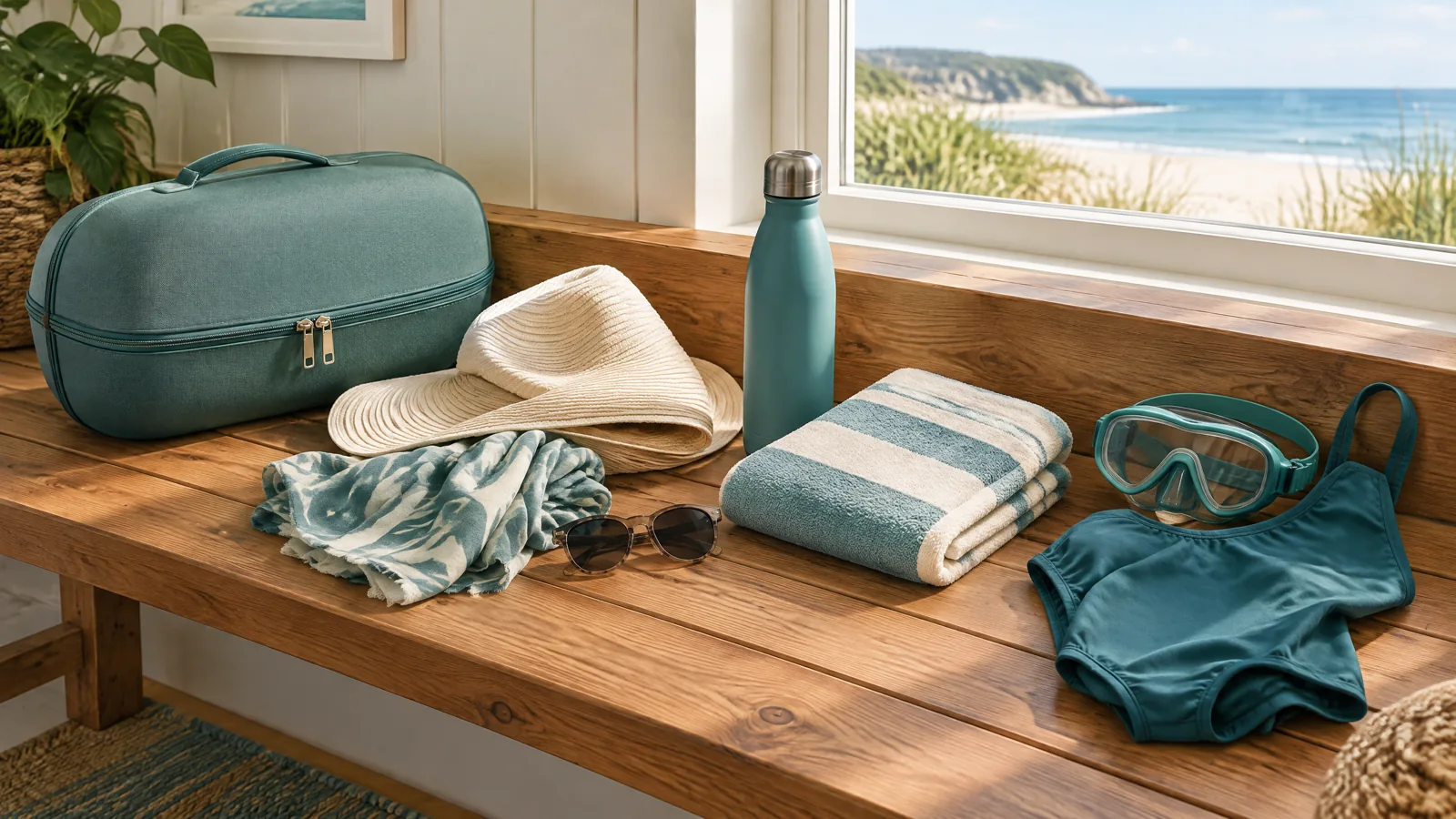
Illustration · Concept illustration: a calm shore portrait plan, not a real customer or product result.
Instructor qualifications
One clear teaching conversation from first breath to next step
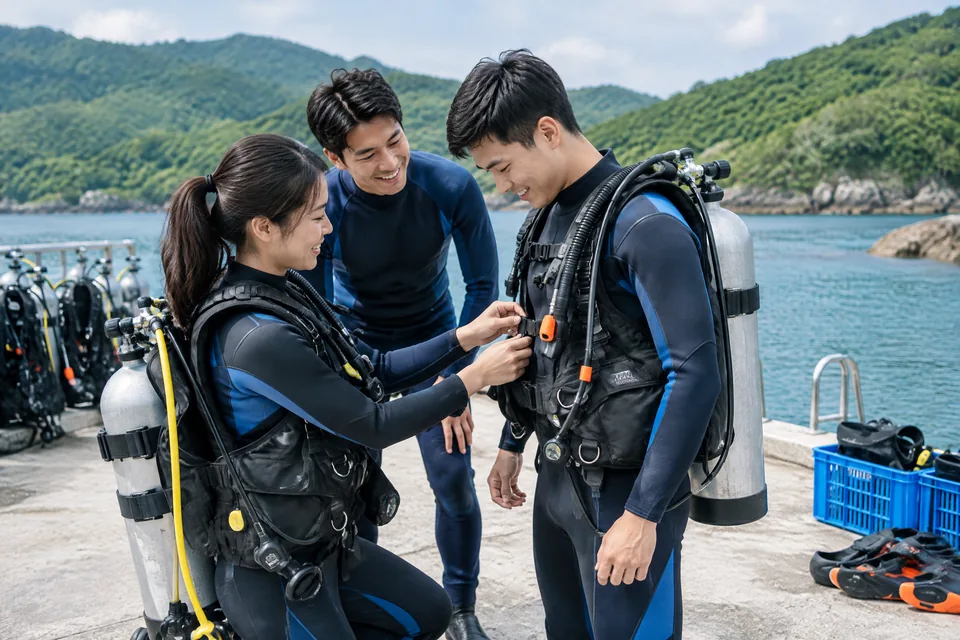
DiveHarbour brings together scuba teaching, swimming, lifesaving and water-rescue experience so you can ask practical questions before choosing a course.
PADI teaching backgroundTeaching experience across recognised scuba learning pathways.
SSI teaching backgroundClear explanations when you are comparing agency routes.
NAUI teaching backgroundA practical, standards-aware approach to learning and progression.
Swimming foundationWater confidence and calm, step-by-step practice matter.
Lifesaving experienceSurface awareness and prevention stay part of the conversation.
Pool rescue experienceControlled practice can build confidence before open water.
Beach rescue experienceLocal water context informs sensible preparation.
Kayak rescue experienceA wider water-safety perspective supports good judgement.
PWC rescue experienceAsk about the right learning route for your experience and goals.
Brand relationship: DiveHarbour and OWNSTRAND share the same owner.
DiveHarbour and OWNSTRAND are operated by the same owner (同一擁有人). OWNSTRAND links are external product and selection references, not independent recommendations, medical advice, activity clearance, diving-safety advice, or guarantees of product performance or service results.
A useful fact to keep in mind
Cancer Research UK says there is no single activity guideline for everyone with cancer and advises speaking with a GP or healthcare team about what is right for the individual. [1]
Ask your cancer care team whether the date, duration, location, and proposed activity are appropriate for you.
Choose a shore-only alternative or postpone without treating either choice as a failure.
Arrange a private changing option, a companion, rest points, and a clear way to leave early.
Discuss wig style, fit, colour, grey blend, and care only as appearance and product questions.
Start here
Treatment-day shore styling starts with the activity
Separate treatment-day shore styling clearance from appearance choice
A shore plan may sound gentle, but the activity still needs an individual answer. Cancer Research UK says people should ask their GP or healthcare team which physical activities are right for their situation. [1] That advice belongs before you compare a wig, plan a swim, or reserve a changing space.
Ask about the actual plan in plain terms: the date, travel, time outside, walking, heat, crowds, and whether any water-based activity is being considered. Your team may want the plan changed, delayed, or kept land-based. This article cannot clear an activity for you.
If the answer is uncertain, make the shore visit optional rather than forcing a decision. A café near the coast or a short accessible viewpoint can preserve the social purpose. A planned early return keeps appearance from becoming a test of readiness.
Write down the activity exactly as planned, including travel and time outdoors.
Ask what signs or changes should make you stop and contact the care team.
Keep wig or hairpiece questions for a separate appearance conversation.
A product question cannot answer a medical or activity-clearance question.
Guide · 02
Build a low-pressure shore plan
Use treatment dates, rest, and contingency options as planning inputs
Once your care team has discussed the outing, compare the proposed date with treatment appointments and the period when you usually need more rest. The American Cancer Society recommends planning around treatment dates, preparing an emergency plan, and building rest into travel or outings. [2] Use that approach even for a nearby shore visit.
Choose one main plan and one quiet alternative. The main plan could be a short land-based walk followed by a seated stop. The alternative could be staying indoors with the companion, changing at home, or returning before the group continues. Put both choices on the shared calendar so nobody treats the backup as an inconvenience.
Agree on privacy before leaving. Ask who will accompany you, where you can change, whether the venue has a seated private area, and who can carry a small bag. If a water activity has separately been cleared, keep its aftercare instructions separate. A post-swim family hair routine does not establish whether you may enter the water.
Mark treatment and recovery dates before choosing the shore day.
Name a meeting point, rest point, companion, and early-exit method.
Pack only what supports the confirmed plan and the piece’s own instructions.
Tell the group in advance that the plan may shorten without explanation.
Swipe the table to compare all columns.
Activity-first decision checkpoints
Checkpoint
Question to ask
Who confirms it
If unresolved
The outing
Is this date, location, travel, and duration appropriate?
Cancer care team
Choose a quieter option or postpone.
The activity
Is any walking, heat, crowd, or water element acceptable?
Care team and relevant activity professional
Remove that element; do not guess.
The contingency
Where can I rest, change privately, or leave early?
You, companion, and venue
Do not commit until a practical exit exists.
A flexible plan protects privacy because you do not need to explain a last-minute change in public.
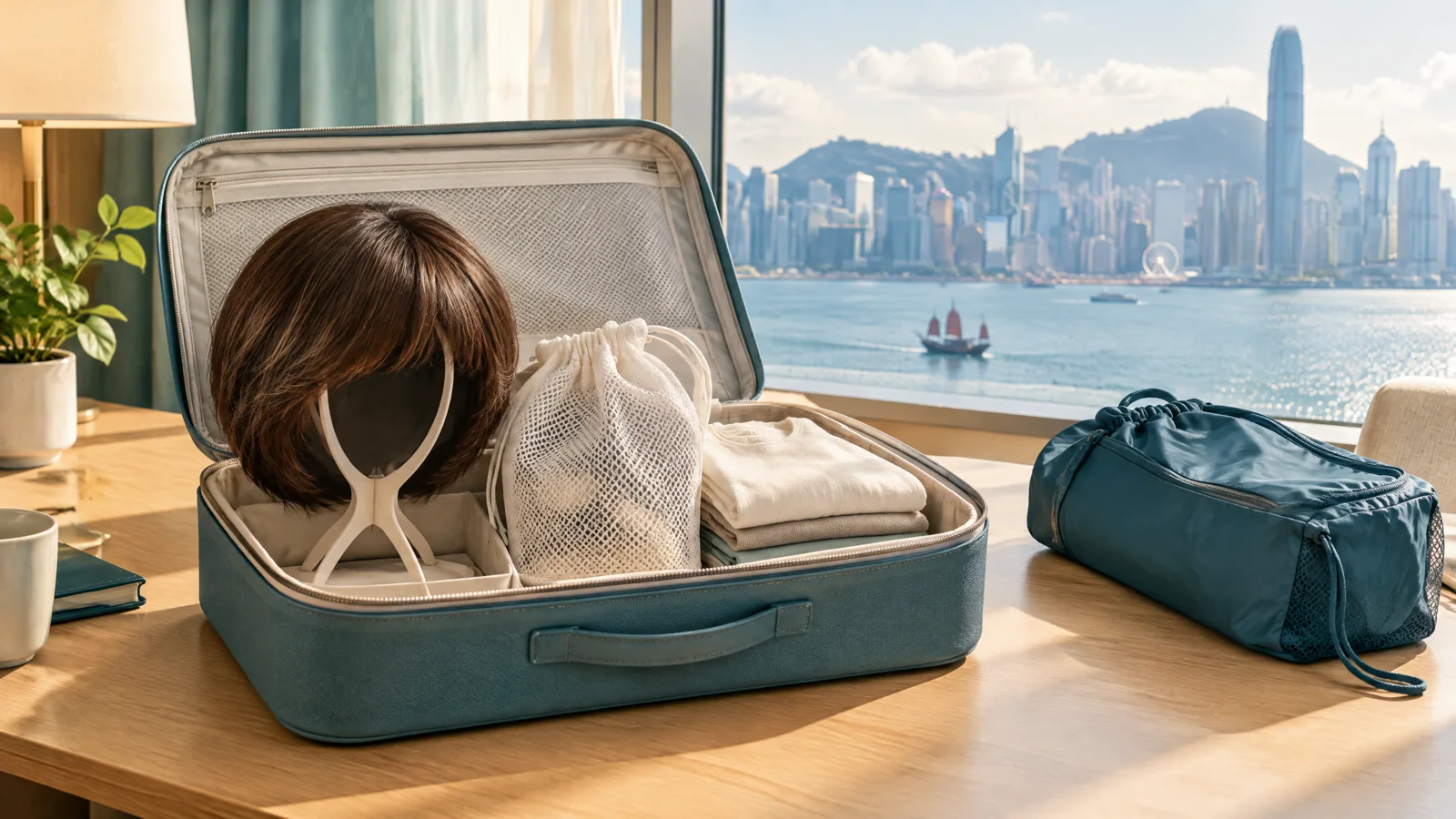
Illustration · Concept illustration: separating a shore-day kit, not evidence of waterproof storage.
Guide · 03
Prepare a private appearance brief
Ask appearance questions after the activity decision is settled
A private consultation works better when the request is specific. Note whether you want full coverage, top coverage, a fringe change, a colour blend, or simply a piece to review. Add the event setting, clothing colours, expected photographs, and how much styling you can manage. These are appearance goals, not treatment instructions.
Bring current photographs taken in ordinary light, plus any colour reference that feels useful. Ask how the provider records measurements, who may be present, whether you may bring a trusted companion, and how private photographs or notes are handled. You can also use these shore salon appointment questions to organise a local enquiry without assuming a branch, slot, or service result.
To organise the discussion before choosing a piece, use custom wig consultation Hong Kong as an external OWNSTRAND selection reference. Check the linked information directly and ask the provider what applies to the actual piece. It is not a medical consultation and does not decide whether your shore activity is suitable.
Describe the coverage goal without naming a product type too early.
Bring natural-light photographs and clothing or event references.
Ask about privacy, companions, measurements, fitting steps, and documentation.
Keep the care team’s activity answer separate from the provider’s appearance advice.
Guide · 04
Keep fitting separate from activity decisions
A treatment-day shore styling fit check is about the piece, not clearance
A fitting can help you discuss size, shape, balance, comfort, and how the piece looks from the front, side, and back. It cannot confirm that the piece is suitable for swimming, diving, a mask, a helmet, or rescue equipment. Those are separate decisions owned by the care team and the relevant activity professionals.
Construction terms should stay distinct. A lace front, monofilament, hand-tied base, topper, and full wig describe different design questions. The American Cancer Society also distinguishes synthetic fibre from human hair and notes that no single type or style is best for everyone. [2] Ask about the actual construction instead of treating labels as interchangeable.
For a fitting enquiry, custom wig fitting Hong Kong can be used as an external reference. Ask what fitting steps, adjustment options, and care instructions apply to the specific item. Do not add adhesive, clips, straps, or gear changes yourself. Do not force removal when the provider’s instructions say to seek help.
Check coverage, size, base, and comfort as separate appearance topics.
Ask which instructions apply to the actual fibre and construction.
Do not turn a successful fitting into permission for a water activity.
Stop and ask the provider if removal or cleaning instructions are unclear.
Illustration · Concept illustration: a private appearance discussion, not a real OWNSTRAND fitting.
Guide · 05
Choose colour and grey blend by reference
Use natural-light comparisons for treatment-day shore styling
Colour can look different indoors, beside the sea, and in a phone photograph. Compare swatches or pieces near a window or outdoors when possible, then view them with the clothing you expect to wear. The American Cancer Society suggests using current photographs or a hair reference and checking colour in natural light. [2] Treat this as visual planning, not a promise of a match.
A grey percentage is an appearance preference that can be discussed alongside tone, density, length, and the visible parting. It does not describe treatment, recovery, or a person’s health. Ask whether the proposed mix is a standard option or a custom request, and ask what the provider needs to assess before giving an answer.
For a focused colour conversation, custom wig with a percentage of grey hair is an external OWNSTRAND selection reference. Product styles, bases, and materials are not interchangeable, so confirm the details for the actual piece. Do not infer availability, timing, pricing, or an eventual appearance from a page title.
Compare colour in natural light and with the planned clothing palette.
Bring a current photograph and identify whether grey is blended or deliberately prominent.
Ask which colour, base, density, and care details belong to the same piece.
Treat a grey percentage as a visual brief, not a medical description.
Swipe the table to compare all columns.
Appearance brief for a private fitting
Appearance topic
Useful reference
Question for provider
Boundary
Coverage
Current photos and event setting
Would a full wig, topper, or another option match the stated coverage goal?
Do not treat the option as activity clearance.
Fit and base
Head measurements and comfort priorities
Which size, base, and adjustment instructions apply to this piece?
Do not add unapproved attachments.
Colour and grey blend
Natural-light photo and clothing palette
What colour or grey percentage can be assessed for this actual item?
Do not infer stock, timing, or final appearance.
Care and storage
The item’s supplied instructions
Which products, heat limits, drying, and storage steps apply?
Do not generalise from another material.
Guide · 06
Pack a contingency that is easy to leave
Finish treatment-day shore styling with privacy and product care
Pack the piece in the way its own instructions require, rather than sealing it with a generic assumption about moisture. A travel case may protect the item during transport, but it does not make the item waterproof or suitable for water. Keep damp towels, clothing, and the hairpiece in separate labelled areas when that matches the product instructions.
Make the final check small: the care team’s answer, the private-change plan, the companion’s role, the exit route, and the provider’s care instructions. If any one of those is unresolved, simplify the outing or postpone it. You can still keep the appearance appointment separate from the shore date.
A low-pressure day is one where changing plans does not expose private information. Tell companions what help you want. Choose easy-change clothing, and decide where the piece will rest when you are not wearing it. The goal is a manageable outing, not a flawless photograph or a product performance test.
Confirm the activity and date with the healthcare team first.
Keep the changing plan private and the exit route obvious.
Separate dry and damp belongings according to the actual care instructions.
Leave early or postpone without treating it as a personal setback.
Review appearance questions later, when there is no public time pressure.
The safest appearance plan is the one that remains optional when the day’s activity or energy changes.
Illustration · Concept illustration: a travel-case contingency, not a real product or customer outcome.
A sensible next step
Take the question with you
Start with a care-team conversation about the actual shore outing. Then write a short plan with a private changing option, a companion, rest, and an easy exit. Keep appearance selection in its own appointment. Compare coverage, fit, colour, grey blend, and product-specific care without asking a wig to solve a medical question.
For a diving or shore-activity question, contact DiveHarbour and describe the activity so the relevant team can respond. For an appearance question, use the OWNSTRAND references above. Ask the provider about the actual piece, fitting, care instructions, and privacy arrangements.
Questions to ask
Common questions
Can I decide on a wig before asking whether the shore outing is appropriate?
You can gather appearance references, but decide the outing separately. Ask your cancer care team about the date, travel, setting, and activity first. A wig consultation or fitting cannot provide medical or water-activity clearance.
Does a private changing plan mean I can continue if I feel unwell?
No. Privacy makes it easier to change or leave discreetly; it does not override your care team’s advice or how you feel that day. Agree on a companion and an early-exit option before going.
Can I use a wig for swimming or diving if it fits well?
A good fit does not establish suitability for swimming or diving. Do not assume a wig is waterproof or compatible with masks, helmets, or rescue equipment. Ask the relevant professionals, follow the actual product instructions, and choose a shore alternative until confirmed.
What should I bring to an appearance consultation?
Bring current photographs, useful colour references, head measurements if requested, clothing or event notes, and your questions about coverage, base, fit, grey blend, storage, and care. Ask how privacy, companions, photos, and follow-up will be handled.
Cancer Research UK says people should speak with their GP or healthcare team about physical activities that are right for their situation and that activity capacity differs from person to person.
The American Cancer Society distinguishes full wigs, toppers, bangs attachments, and halos; says no single style is best for everyone; and advises following the wig’s directions and using only heat or care products allowed for that piece.
Continue exploring
Three useful next reads
Keep comparing practical questions before you choose a course, activity or preparation step.
Coastal life and hairpieces · Updated 2026-11-06
Private Wig Fitting Chat: Plan a Quiet Shore Event
Plan a private wig fitting chat for a beach portrait or shore event. Prepare measurements, privacy questions, and a clear next step before choosing.
Online Wig Measuring List for a Remote Hairpiece Enquiry
Use this online wig measuring list to record measurements, colour references, dates, and questions before a remote hairpiece enquiry. Check each detail.
Private Hairpiece Try-On: A Discreet Shore-Event Plan
Planning a private hairpiece try-on for a shore event? Use this discreet checklist for privacy, measuring, coverage, alternatives, and next-step enquiries.
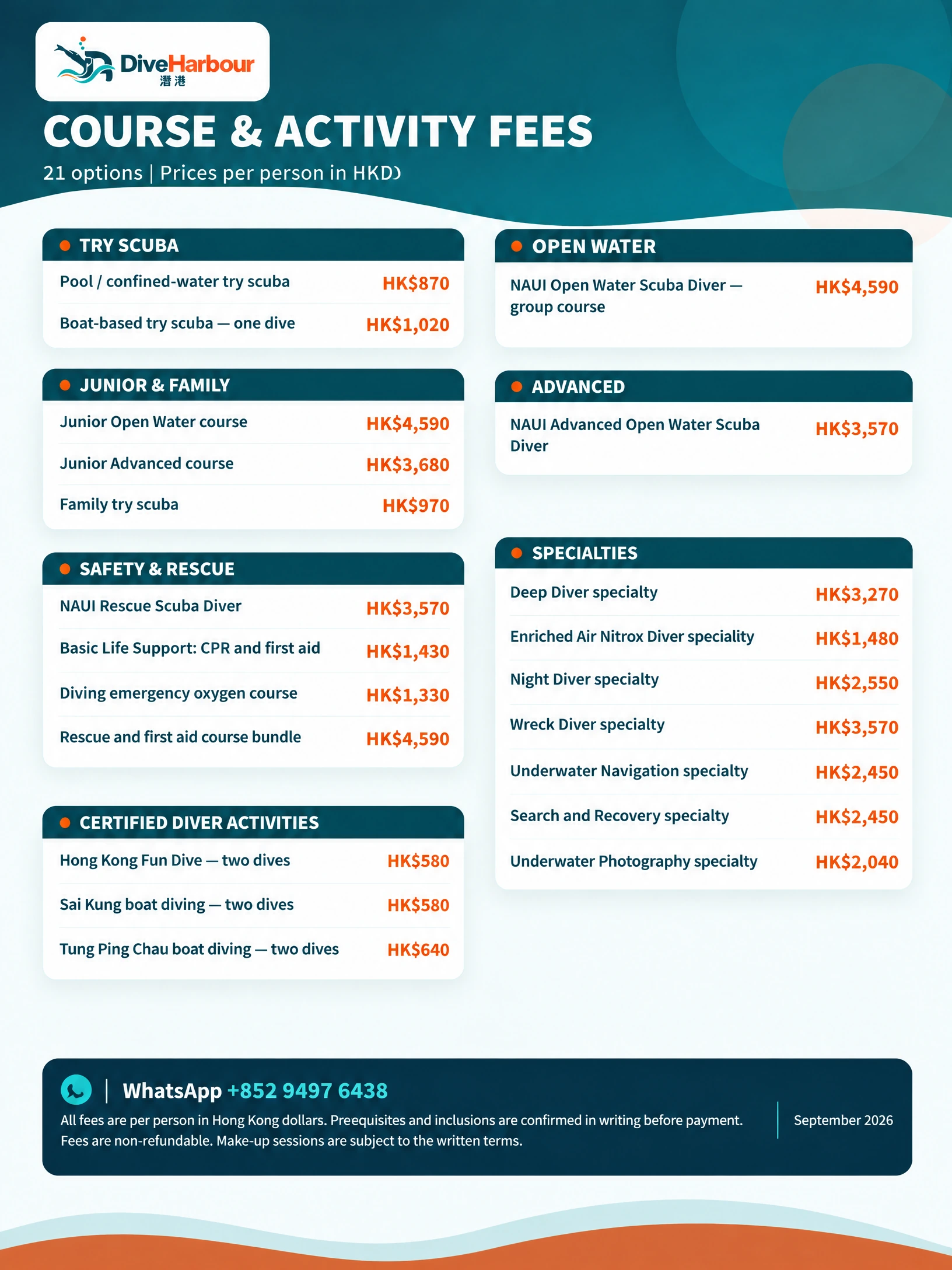
Compare our published course and activity fees before choosing your next step. All prices are per person in Hong Kong dollars.
Before you book, we confirm prerequisites, materials, certification, equipment, venue and boat arrangements in writing. Ask us about fees for courses not listed here.
Read the Sai Kung diving Hong Kong guide to learn about the setting, then explore the Sai Kung scuba diving course page. Certified divers can use our Hong Kong fun dive guide to check experience requirements and activity arrangements. Locations remain subject to weather and sea conditions.
Explore the responsibilities and entry requirements in our Divemaster course Hong Kong guide, then review the scuba instructor course Hong Kong route. Professional training differs from recreational progression, so confirm experience requirements and assessment arrangements first.