

A useful fact to keep in mind
DAN gives 3-minute stops at 10-foot intervals as an example of progressive buoyancy practice.
Check the sourceBeginner scuba gear buying order for a sensible first kit
Start with fit and regular use
The best beginner scuba gear buying order is not a shopping list that every diver must follow. It is a way to spend first on the equipment that touches you, affects comfort and is likely to be used repeatedly. Before browsing brands, write down where you expect to dive, how often you may get in the water, whether you travel by boat or plane, and what a local centre can rent consistently. Hong Kong conditions, seasonal water temperatures and your own tolerance for cold all matter more than a fashionable colour or a long feature list.
Begin with a mask. A good seal should feel even around the skirt without needing to tighten the strap aggressively. Place it gently on your face, inhale lightly through your nose to create a seal, and notice whether it stays comfortably in place; a professional can then help confirm fit and teach the correct in-water checks. Prescription lenses, low-volume designs and different skirt shapes are personal choices, so allow time to compare rather than buying online from a photograph. A snorkel may be inexpensive and useful at the surface, but it need not outrank a mask that fits properly.
Next consider exposure protection and fins. A wetsuit that is too loose can flush water and feel cold; one that is too tight can restrict breathing, movement or concentration. Try it on with the same underlayer you expect to wear, and check that the suit does not bunch behind the knees or pull uncomfortably at the shoulders. Fins should move your feet efficiently without rubbing the heel or cramping the toes. Open-heel fins may make sense if you will wear boots, while full-foot fins may suit warm-water travel; neither is automatically better.
- Prioritise the fit of the mask, suit and fins before colour, gadgets or matching a complete brand range.
- Keep receipts and check the maker's warranty, replacement parts and local service support.
- Do not assume a product marketed for snorkelling has the same construction or fit as scuba equipment.

How to test scuba gear for proper buoyancy
Check adjustment, comfort and balance together
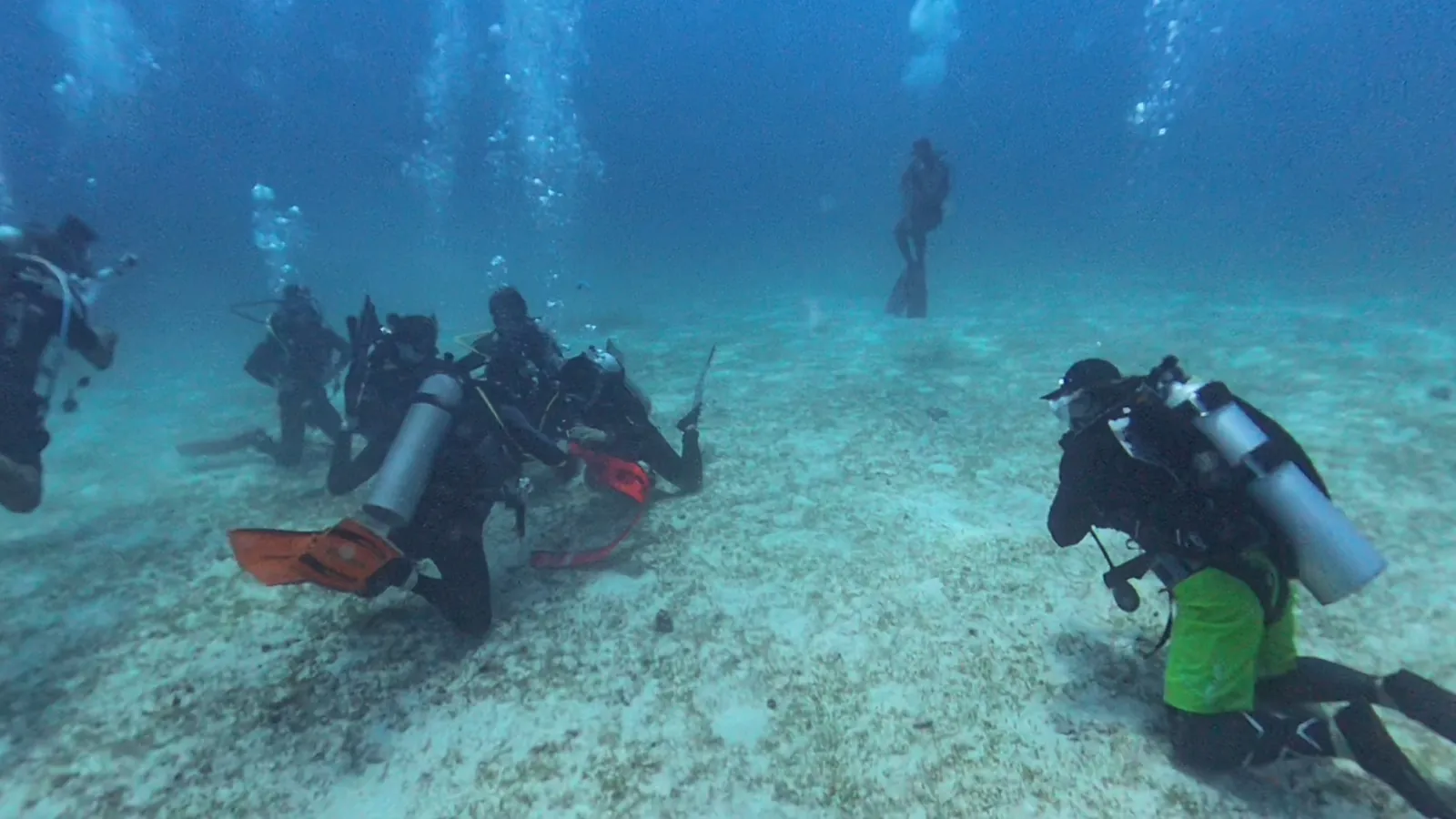
When people ask how to test scuba gear for proper buoyancy, they are often asking two different questions. First, will this combination of suit, BCD, cylinder and weights feel balanced for me? Second, can I control my position in the water? The first is a sensible buying check; the second is a trained diving skill. A demonstration in confined water with an instructor can help you understand the difference without turning an equipment trial into unsupervised practice.
Start on land by checking that the BCD can be adjusted around your torso without restricting breathing or leaving large gaps. Confirm that the tank sits securely and that the inflator, dump valves, releases and weight pockets are reachable. Ask a professional to assemble and inspect unfamiliar equipment. In the water, use the centre's established pre-dive procedure and a buddy check. Notice whether the cylinder pulls you backwards, whether the suit compresses as you descend, and whether the equipment stays stable when you change position. These observations can reveal a poor size or configuration, but they do not tell you to add or remove weight independently.
Neutral buoyancy is not achieved by buying the heaviest BCD or by carrying extra lead. DAN describes good buoyancy and trim as being able to descend slowly in a horizontal position, stop without touching the bottom, and remain motionless without rising or sinking. That definition is a skill target, not a promise from a product. The amount of weight needed changes with exposure protection, cylinder material, gas pressure and the diver's body. Have a qualified instructor determine appropriate weighting in the actual configuration, and practise only within your training and supervision. DAN gives 3-minute stops at 10-foot intervals as an example of progressive buoyancy practice.
- Check fit, tank position, hose routing and access to releases before judging how a BCD feels.
- Compare equipment in the water only through a planned, supervised session with a buddy and instructor.
- Treat any leak, damaged strap, sticky valve or unexpected gas behaviour as a reason to stop and seek service.

Rent, buy or wait: making the next gear decision
Choose equipment that matches your diving plans
Renting is often sensible for a new diver who is still discovering preferred suit thickness, fin stiffness and BCD style. It also avoids storing a cylinder and paying for servicing before you know your likely number of dives. Buying may become attractive when you dive regularly, need a particular fit, or want the same controls every time. A hybrid approach is common: own the mask, snorkel, boots, suit or fins, and rent the larger life-support and buoyancy equipment until your experience supports a confident choice.
Ask exactly what is included before booking instruction or a dive. If you are wondering are mask fins and tanks included in a scuba course, check the written equipment list rather than relying on a general phrase such as “basic kit”. Likewise, does a Hong Kong scuba course include equipment rental can have different answers for pool sessions, boat dives, sizes and damage terms. A clear list prevents buying duplicate equipment and helps you budget honestly.

A practical buying sequence for Hong Kong divers
Use each purchase as a learning checkpoint
A useful sequence is to buy one item, use it in a supervised dive, then record what you would change. First, test and purchase the mask if the seal, field of view and strap adjustment work for you. Second, choose exposure protection after trying it with the local water temperature and your expected activity. Third, select fins and boots together so the foot pocket is genuinely comfortable. Only then consider a computer, surface accessories or a BCD, because you will have better information about display preferences, trim and how much you travel.
A dive computer is a personal instrument, but a beginner does not need every advanced feature. Prioritise a readable screen, intuitive alarms, a secure strap and a manufacturer with service support. If you are comparing a rental dive computer Hong Kong, ask how battery, damage, late return and briefing arrangements work. Never buy a computer solely because its maximum depth or technical modes sound impressive; choose controls you can understand and use within your training.
Before a trip, make an inventory rather than packing from memory. The guide on how to pack scuba gear for changing water temperatures can help you separate warm-up layers, exposure protection and small spares. Pack the mask in a protective case, keep electronics dry, and do not compress rubber parts under heavy items. Equipment that arrives scratched, cracked, stiff or incomplete should be reported before it reaches the water.

Testing, maintenance and the pre-dive decision
Buy serviceability, not just a low price
A bargain is not a bargain if a replacement strap or authorised service is unavailable. Ask the retailer who can inspect the regulator, BCD and computer, how often the manufacturer recommends service, and what happens if the equipment is discontinued. PADI's equipment guidance notes that regulators, BCDs and computers need appropriate inspection and that cylinders require testing; the exact schedule depends on the manufacturer and applicable rules. Record purchase dates, service dates and any unusual behaviour in one place.
Use the pre-dive scuba equipment checklist for beginners before every session. It should prompt you to inspect straps and buckles, confirm the BCD inflates and vents through the normal procedure, check regulator breathing and look for leaks, secure weights and verify the computer settings. A checklist does not replace a buddy check or instructor briefing. If something feels wrong, do not “see how it goes” underwater: tell the crew, isolate the issue and arrange a qualified inspection.
There is no need to purchase everything before training. Use early sessions to learn what you can adjust confidently and what must be handled by a technician. Keep manuals with the equipment, rinse as directed after salt water, dry it fully and store it away from heat and sharp edges. Good care protects comfort and reliability, while a tidy record helps a professional diagnose a problem faster.

Compare three beginner gear pathways
Choose the pathway that leaves room to learn
The table below turns the buying order into three realistic pathways. It is not a ranking: the right choice depends on your diving frequency, storage, travel and access to reliable rental equipment. Revisit the choice after several supervised dives, when your preferences are based on experience rather than advertising.
Three practical ways to assemble beginner scuba equipment
| Pathway | Best for | Check before committing |
|---|---|---|
| Personal-fit first | Divers who want their own mask, suit and fins | Fit in real conditions, cleaning and local replacement parts |
| Rent most items | Occasional divers or people still comparing styles | Included sizes, hygiene process, damage terms and availability |
| Gradual full kit | Frequent divers with storage and service access | Configuration, maintenance budget, computer readability and professional fitting |
Beginner scuba gear buying order: what to buy first — common questions
What should a beginner buy first for scuba diving?Toggle answer
Begin with equipment where personal fit and hygiene matter, especially a well-fitting mask. Then consider exposure protection, fins and boots according to your local water and expected use. Regulators, BCDs and cylinders may be rented while you build experience. A dive professional can help compare fit, adjustment and intended use.
Does checking buoyancy mean I have completed buoyancy training?Toggle answer
No. Checking how equipment feels and adjusts in the water is a practical buying consideration, not a replacement for a recognised buoyancy course or supervised skill practice. Weighting and trim should be assessed in the actual configuration with a qualified instructor and buddy.
Should I buy a dive computer before my first course?Toggle answer
Not necessarily. Many beginners can use a suitable rental computer during training and learn which display and controls make sense to them. If you buy one early, prioritise readability, secure fit, service support and use within your certification rather than advanced features you do not understand.
Are gear fees refundable if I change my mind?Toggle answer
Fees are non-refundable unless the written booking terms say otherwise. Ask what is included, what happens if equipment is unavailable, and which cancellation or transfer conditions apply before paying. Make-up sessions are offered only where the written terms permit them; no reschedule or date should be assumed or guaranteed.
Take the question with you
Use your next dive as a structured equipment lesson: bring the fit questions, compare the available rental configuration, and write down what felt stable, comfortable and easy to operate. Start with the personal-fit items you will genuinely use, then buy slowly as your training and diving plans become clearer. For a tailored discussion about choosing or renting beginner equipment in Hong Kong, message DiveHarbour with your course stage, usual water conditions and the items you are considering.
Sources worth checking
- A Basic Guide to Scuba Diving Equipment for Beginners — PADI
PADI explains that a BCD is crucial to buoyancy, while a regulator, cylinder, instruments, weights and exposure protection each have distinct roles; it also recommends choosing a mask that fits properly.
- Mastering Neutral Buoyancy and Trim — Divers Alert Network
DAN describes good buoyancy and trim as controlled descent, stopping without touching the bottom, and remaining motionless without rising or sinking.
- Basic Equipment Checks for Scuba Divers — PADI
PADI advises checking equipment ahead of a trip, inspecting wear and leaks, following manufacturer service recommendations and completing a buddy check before entering the water.
Useful next reads for your plan
If you are still comparing routes, these related pages give you practical questions to bring into your next conversation with an instructor.
Put your plan into practice
Useful planning guides
Scuba Gear Ownership Starter Plan for Beginners
Use this scuba gear ownership starter plan worksheet to compare practical options, check key decision points, and confirm current details with DiveHarbour.
scuba gear ownership starter plan
