


SAFE LEARNING · HAPPY EXPLORING
DiveHarbour

DiveHarbour · Practical guide

Women's post-swim haircut shape: choose the right length

Choose by what happens after the swim, not by the label alone. A trim keeps your existing outline, layers change movement while retaining length, and a bob creates a clearer silhouette. Rinse and dry before judging the shape, then tell a stylist how much length, air-drying time and daily control you can accept.

By DiveHarbour9 min read
Ask about diving courses or coastal trip planning Read the guide
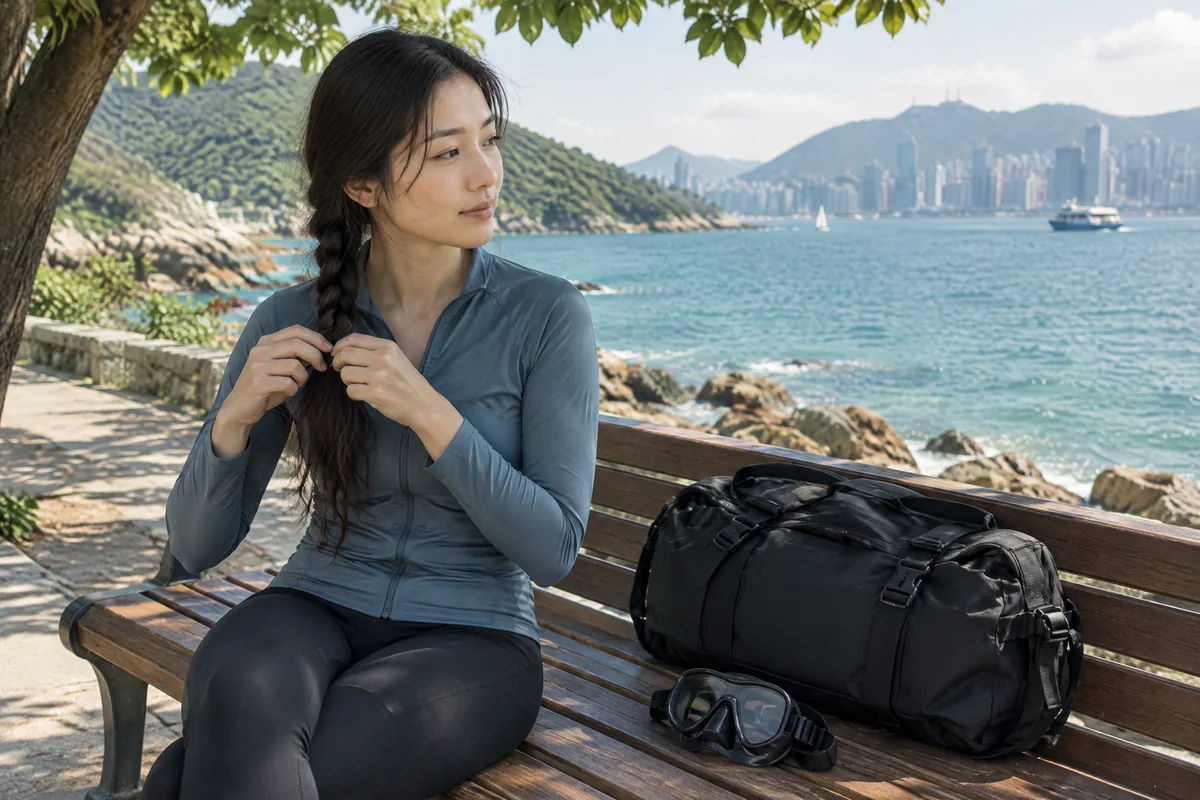
Illustration of a women's post-swim haircut shape being planned before a coastal activity
Illustration · planning a women's post-swim haircut shape around retained length and drying habits.

Instructor qualifications

One clear teaching conversation from first breath to next step

DiveHarbour brings together scuba teaching, swimming, lifesaving and water-rescue experience so you can ask practical questions before choosing a course.

  • PADI teaching backgroundTeaching experience across recognised scuba learning pathways.
  • SSI teaching backgroundClear explanations when you are comparing agency routes.
  • NAUI teaching backgroundA practical, standards-aware approach to learning and progression.
  • Swimming foundationWater confidence and calm, step-by-step practice matter.
  • Lifesaving experienceSurface awareness and prevention stay part of the conversation.
  • Pool rescue experienceControlled practice can build confidence before open water.
  • Beach rescue experienceLocal water context informs sensible preparation.
  • Kayak rescue experienceA wider water-safety perspective supports good judgement.
  • PWC rescue experienceAsk about the right learning route for your experience and goals.

Brand relationship: DiveHarbour and Vit So share the same owner.

This guide is prepared by DiveHarbour. The Vit So links provide external hair-service information for reference; they are not diving-safety, medical or service-outcome guarantees.

A useful fact to keep in mind

The American Academy of Dermatology advises rinsing and washing hair after swimming, then following with a deep conditioner.

Check the source
Key takeaways

Four points to carry forward

  • Judge the outline after rinsing and drying, because wet hair can hide the shape you will wear on shore.
  • Choose a hair trim when the current length and silhouette already work, but the ends need a small reset.
  • Choose layers for movement and retained length, or a bob for a deliberate, more visible perimeter.
  • Bring notes on swim frequency, cap use, natural texture, drying tools and the next activity before asking for a cut.
Start here

Women's post-swim haircut shape starts with the dry outline

Use a women's post-swim haircut shape test before choosing a cut.

Start with the moment you leave the water. A wet outline can look flatter, longer or more compact than the shape you will wear later. Rinse, squeeze out excess water without rough rubbing, and look again when the hair is partly dry. Note where the ends sit, whether the front falls into your eyes, and whether the back sticks out. If your activity is scuba diving, check Hong Kong diving water temperature as part of trip planning, but keep water planning separate from haircut decisions.

The CDC recommends a one-minute shower before entering a pool to remove dirt, sweat and oils that use up pool chemicals. That is a water-hygiene step, not a promise that one haircut will behave in every condition. For a service conversation, a women's haircut enquiry is more useful when you describe your post-swim routine, your preferred parting and the amount of length you want to keep. Ask what can be assessed from your current shape rather than asking for a generic swimmer's cut.

  • Take one front, one side and one back photo after your usual rinse and dry routine.
  • Write down whether you air-dry, towel-dry, diffuse or use a full blow-dry.
  • Mark the shortest length you are willing to keep at the front and perimeter.
  • Separate pool, sea and shore-day routines if they involve different headwear or drying time.
The useful question is not “Which haircut survives water?” It is “Which outline still makes sense after my normal rinse and dry?”
Guide · 02

When a trim is the better post-swim reset

A trim is about preserving a working shape, not changing the whole silhouette.

A trim makes sense when you already like the overall length and the way the perimeter sits. It can be the simpler choice for a swimmer who wants the ends to look more even but still ties the hair back, keeps a familiar parting or relies on the same daily routine. Be precise about what must remain unchanged. “Keep the length” can mean different things at the front, sides and back, especially when wet ends appear longer than they look once dry.

Before asking for a hair trim, describe the last point where the hair feels manageable after swimming. Mention whether you detangle while damp, whether your ends catch on a cap or tie, and whether your next activity needs hair off your face. Ask what the trim would preserve and which small changes are unavoidable. This keeps a maintenance request distinct from a layered haircut or a new bob.

  • Choose a trim if your current perimeter already suits your face, clothes and headwear.
  • State the minimum length you want left after the hair is dry, not only while it is wet.
  • Ask whether the front, sides and back will remain aligned with your current tie-back method.
  • Bring a recent photo of the shape you liked, plus a photo of the shape after a typical swim.

Swipe the table to compare all columns.

Choose the starting point by the change you want after swimming
OptionBest starting questionWhat it changesWhat to check after drying
TrimDo I already like my outline?Keeps the main silhouette and refreshes the perimeterWhether the ends still sit evenly without extra styling
Layered haircutWhere should movement begin?Changes weight distribution and separation while retaining selected lengthWhether the shorter pieces stay manageable in your routine
Bob haircutWhere should the perimeter finish?Creates a clearer line around the jaw, neck or longer frontWhether the nape and sides can be reset with your real tools
UndecidedWhat must remain unchanged?Turns a broad request into a length and upkeep briefWhether your reference photo matches your natural texture
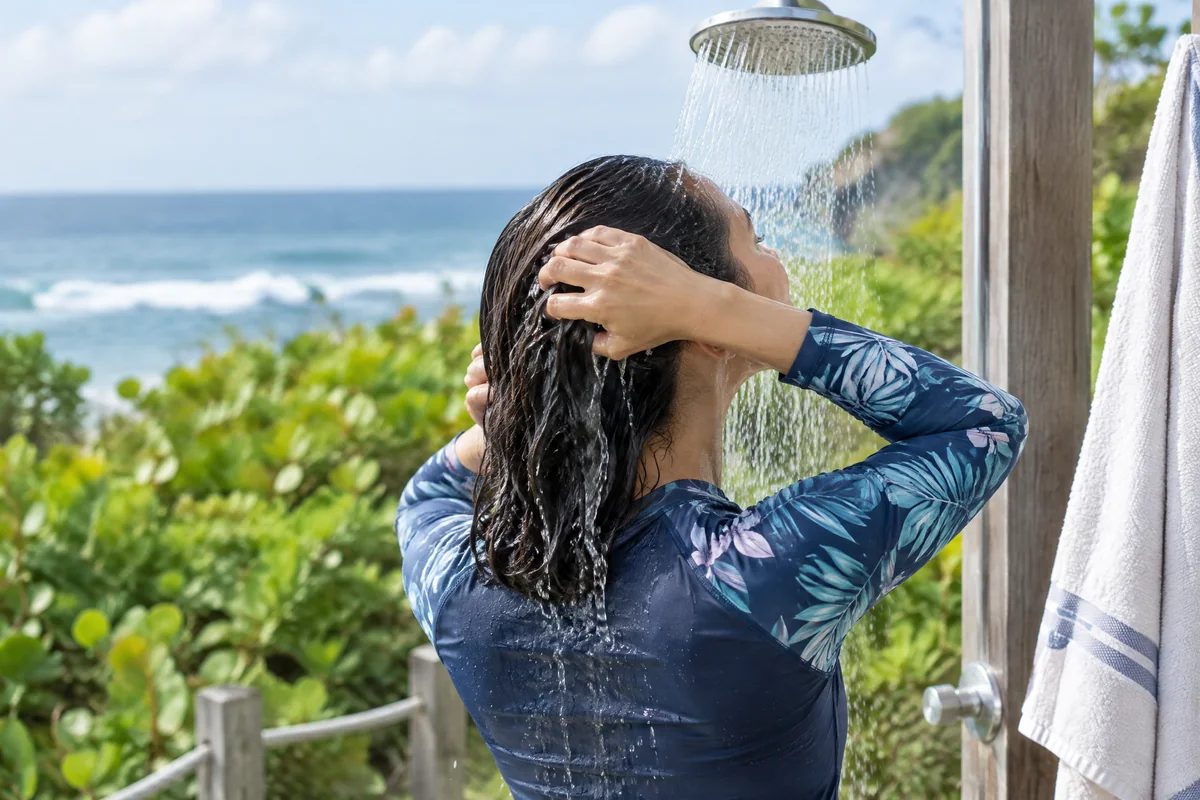
Illustration of rinsing hair after swimming before checking the haircut outline
Illustration · a fresh-water rinse is one step before judging the dry outline.
Guide · 03

How layers change movement while keeping length

A layered haircut can add separation, but the placement matters more than the label.

Layers are a shape decision, not simply a shorter version of a trim. They can change how the hair separates around the face and how the ends move when damp or partly dry. Ask where the first visible layer would start, how much weight would remain at the bottom, and what the shape should look like when you do not style it fully. If your hair bends, curls or expands as it dries, bring that information into the discussion rather than relying on a reference photo made with heat styling.

A layered haircut enquiry should include your retained-length limit and your quickest acceptable reset. Ask how the layers will read after a fresh-water rinse, a gentle squeeze and your normal drying method. You can also ask whether the chosen placement will make a ponytail, braid or cap routine harder. The aim is a silhouette that gives you movement without creating a daily styling task you will not repeat.

  • Choose layers when you want movement but do not want to remove all the length at the perimeter.
  • Point out the level where you want the shortest visible pieces to finish when dry.
  • Ask how the layers will behave if you skip a brush blow-dry after swimming.
  • Check whether your usual braid, ponytail, clip or cap still works with the proposed placement.
Use the words “movement,” “retained length” and “shortest visible piece” to make a layered request easier to compare.
Guide · 04

When a bob creates the clearest silhouette

Compare a bob by its perimeter, neck position and drying tolerance.

A bob is a stronger silhouette choice because the perimeter is part of the visual statement. Before choosing one, decide where you want the back to finish and how much daily precision you can maintain after a swim. A shorter perimeter may feel intentional when dry, but it can also make bends, cowlicks or uneven drying more visible. A longer shape gives more tie-back options, yet it may not deliver the clean outline you expect from a classic bob.

When you review a bob haircut, ask which version is being discussed: a level perimeter, a graduated back, a longer front or a softer lob-like outline. Show how you dry the nape and sides. Ask what the shape needs from you after rinsing, and what will happen if you only have a short shore-side window. This is a consultation question, not a guarantee that the cut will look identical in wind, salt water or pool water.

  • Choose a bob when a visible perimeter matters more than maximum tying or braiding flexibility.
  • Decide whether the back should sit at the jaw, neck or a longer point before discussing details.
  • Ask how natural bends and uneven drying may change the line at the nape.
  • Confirm whether you can reproduce the intended outline with your actual post-swim tools.
Illustration of a consultation brief comparing layered haircut and bob shape options
Illustration · a consultation brief can compare layers, a bob and retained length.
Guide · 05

Build the post-swim routine into the shape decision

A good choice fits the minutes and tools you really have on shore.

The American Academy of Dermatology advises rinsing and washing hair after swimming, then following with a deep conditioner. It also discusses a swim cap and a pre-swim oil or leave-in conditioner as possible protective steps for pool use. These are general hair-care suggestions, not a reason to promise that a cut prevents dryness or damage. If you are planning several dives, review the best time to dive in Hong Kong separately from your hair appointment so the two plans do not get confused.

After the rinse, test the routine you can repeat. Can you part the front with your fingers? Can you remove water without twisting the ends? Do you have a dryer, diffuser, wide-tooth comb or only a towel? A trim may need the least change, layers may reward a little separation, and a bob may need more attention to the perimeter. The right answer depends on the routine you will actually use, not the ideal routine in a salon photo.

  • Rinse promptly after swimming, then follow the washing and conditioning routine that suits your hair.
  • Use a gentle squeeze and a wide-tooth comb if you detangle while the hair is wet.
  • Time your real post-swim routine once before the appointment and record where it becomes difficult.
  • Pack only the tools you expect to carry on a swim or dive day when judging a cut’s upkeep.

Swipe the table to compare all columns.

A simple post-swim test for the shape you are considering
StageWhat to doWhat to noteDecision signal
RinseUse fresh water and remove excess water gentlyWhere hair clumps or sticks to the faceFront or fringe needs a clear placement plan
Dry partlyUse your normal towel, air-dry or tool routineWhich areas flatten, bend or expandLayers or bob line may need a texture-aware discussion
ResetPart, tie or clip it as you would on shoreTime, tools and loose piecesChoose the shape that fits your actual next activity
ReviewCompare with your retained-length limitWhat you like and what you would changeState a precise brief before booking
Do not use a haircut as a substitute for water hygiene or hair-care advice. Keep those decisions separate.
Guide · 06

Turn the comparison into a clear salon brief

Bring a short brief so the consultation can test length, outline and upkeep together.

A useful brief has three parts: what must stay, what may change and what happens after swimming. For example, you might keep enough length for a low tie, allow movement around the cheekbones and need a shape that can be reset with a rinse and air-dry. Add your natural texture, recent colour or chemical history, and any cap, mask or tie that touches the hair. If a stylist suggests a different direction, ask which part of your brief it solves and which part it changes.

Use the table below to narrow the conversation before you book. Then ask for the service details, assessment process and availability directly through the relevant external page. DiveHarbour can help with diving questions and trip planning; hair-specific questions should go to the hair service provider. Do not assume that a webpage language, a service name or a reference photo proves a particular consultation language, result or appointment slot.

  • Bring three photos: your preferred dry shape, your post-swim shape and a realistic reference.
  • List the retained length, shortest point, drying method and next-activity constraint.
  • Ask what the cut changes, what it preserves and what upkeep it expects after a rinse.
  • Confirm service scope, address, consultation details and availability directly before booking.
Illustration of resetting a haircut for a shore-side activity after a swim
Illustration · the final choice should fit the tools and time available on shore.
A sensible next step

Take the question with you

Choose the smallest shape change that solves your real post-swim problem. Photograph the dry outline, test your rinse-and-dry routine, mark the length you must keep, and take those notes to a consultation. If the decision is between layers and a bob, compare movement and perimeter separately instead of treating them as interchangeable labels.

Questions to ask

Common questions

Should I choose a trim, layers or a bob if I swim often?

Choose by the change you want. A trim preserves a working outline. Layers change movement while keeping selected length. A bob makes the perimeter more deliberate. Test each idea against your rinse, dry and tie-back routine rather than assuming one category is best for every swimmer.

Will wet hair show the final haircut shape?

Not reliably. Wet hair can clump, flatten or appear longer. Rinse and dry it in the way you normally do after swimming, then assess the front, sides, back and perimeter. Bring those observations into the consultation so the cut is discussed in a realistic state.

How much should I tell a stylist about my swimming routine?

Share how often you swim, whether you use a cap or other headwear, what touches the hair, how you remove water, how you dry it and what you do next. Also mention natural texture and recent colour or chemical history. These details help separate a maintenance trim from a shape change.

Does a post-swim haircut replace rinsing or conditioning?

No. A haircut changes length and shape. It does not replace water hygiene or a hair-care routine. The AAD advises rinsing and washing hair after swimming and following with a deep conditioner. Treat that guidance separately from your choice of trim, layers or bob.

Further reading

Official sources worth checking

Continue exploring

Keep comparing practical questions before you choose a course, activity or preparation step.

Coastal life and hair care · Updated 2026-11-06

Men's shore-day haircut routine: reset after a swim

Plan a men's shore-day haircut routine after swimming. Read the wash, dry and restyle brief, then ask your salon the right questions.

men's shore-day haircut routine


Coastal life and hair care · Updated 2026-11-06

Men's swim-after colour plan: schedule a clear consult

Use this men's swim-after colour plan to record swim exposure, past treatments and travel dates. Read the checklist and plan a clear consult.

men's swim-after colour plan

Coastal life and hair care · Updated 2026-11-06

Men's grey coverage choice: compare roots and full coverage

Compare roots, grey blending and full coverage for swimmers. Use this men's grey coverage choice guide, then ask the right questions.

men's grey coverage choice
Your next step

Ask about diving courses or coastal trip planning

Message DiveHarbour on WhatsApp to discuss diving courses or coastal trip planning, along with your experience and preferred dates.

Ask about diving courses or coastal trip planning
English price list for 21 DiveHarbour courses and activities, with fees per person in Hong Kong dollars
Tap the price list to view it at full size.

Plan your next dive

Course fees, clearly set out

Compare our published course and activity fees before choosing your next step. All prices are per person in Hong Kong dollars.

Before you book, we confirm prerequisites, materials, certification, equipment, venue and boat arrangements in writing. Ask us about fees for courses not listed here.

All fees are non-refundable. Make-up sessions are subject to the written terms.

Read all course fees
DiveHarbour course and activity fees per person in Hong Kong dollars
Course / activityPer person
Pool / confined-water try scubaHK$870
Boat-based try scuba — one diveHK$1,020
NAUI Open Water Scuba Diver — group courseHK$4,590
Junior Open Water courseHK$4,590
Junior Advanced courseHK$3,680
Family try scubaHK$970
NAUI Advanced Open Water Scuba DiverHK$3,570
NAUI Rescue Scuba DiverHK$3,570
Basic Life Support: CPR and first aidHK$1,430
Diving emergency oxygen courseHK$1,330
Rescue and first aid course bundleHK$4,590
Deep Diver specialtyHK$3,270
Enriched Air Nitrox Diver specialtyHK$1,480
Night Diver specialtyHK$2,550
Wreck Diver specialtyHK$3,570
Underwater Navigation specialtyHK$2,450
Search and Recovery specialtyHK$2,450
Underwater Photography specialtyHK$2,040
Hong Kong Fun Dive — two divesHK$580
Sai Kung boat diving — two divesHK$580
Tung Ping Chau boat diving — two divesHK$640