Coastal extension upkeep plan: prepare for wet weather
Added length can change how you wash, dry, sleep and plan a coastal itinerary. This coastal extension upkeep plan helps you compare hair extensions, fine-hair suitability and wash-and-dry needs before you enquire. Use your activity schedule, hair history and home routine to ask precise questions, and treat pain, persistent shedding or scalp symptoms as reasons to seek appropriate professional advice.
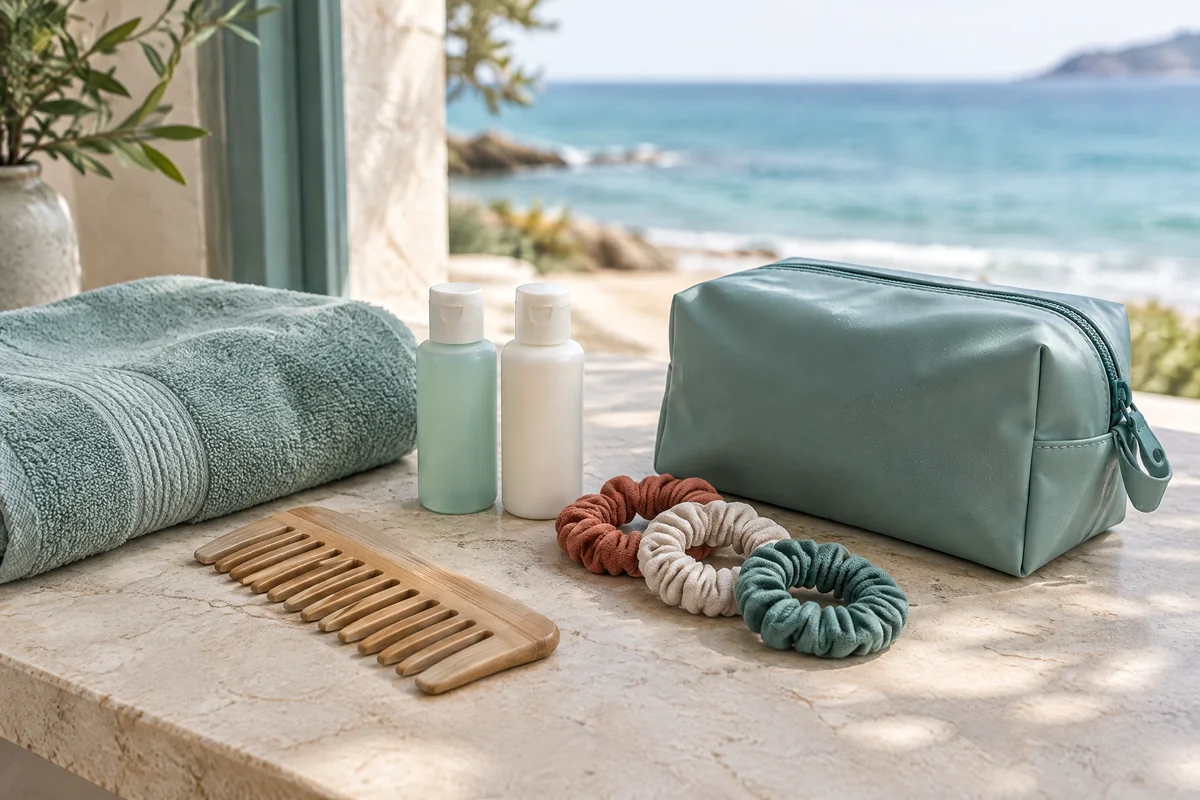
Illustration · a coastal traveller preparing hair-care supplies before an active trip; not a real salon or client result.
Instructor qualifications
One clear teaching conversation from first breath to next step
DiveHarbour brings together scuba teaching, swimming, lifesaving and water-rescue experience so you can ask practical questions before choosing a course.
PADI teaching backgroundTeaching experience across recognised scuba learning pathways.
SSI teaching backgroundClear explanations when you are comparing agency routes.
NAUI teaching backgroundA practical, standards-aware approach to learning and progression.
Swimming foundationWater confidence and calm, step-by-step practice matter.
Lifesaving experienceSurface awareness and prevention stay part of the conversation.
Pool rescue experienceControlled practice can build confidence before open water.
Beach rescue experienceLocal water context informs sensible preparation.
Kayak rescue experienceA wider water-safety perspective supports good judgement.
PWC rescue experienceAsk about the right learning route for your experience and goals.
Brand relationship: DiveHarbour and Vit So share the same owner.
This guide is prepared by DiveHarbour. Vit So links are provided as external hair-service information for readers to check; they are not diving-safety, medical, or service-effect guarantees.
A useful fact to keep in mind
Water and sand can increase UV exposure, so plan shade, protective clothing and suitable eye protection for coastal days.
Decide whether added length or volume will support your itinerary or create a daily maintenance task.
Show your natural density, recent treatments and usual parting when asking about fine-hair options.
Ask for written washing, drying, sleeping, brushing and removal instructions before you confirm.
Separate a full extension consultation from a one-off wash and blow-dry after a swim or rainy day.
Start here
1. Start with a coastal extension upkeep plan
Make a coastal extension upkeep plan part of the hair decision
Extensions are not only a length or volume choice. They add attachment points, washing questions, drying time and a decision about how often you will handle your hair while travelling. Begin with the real schedule: beach walks, pool sessions, boat days, rain exposure, helmet or hood use, dinners and the time available before the next activity. A look that is manageable at home may require more planning when your bag, bathroom and drying tools are limited.
If you are still comparing the service itself, use hair extensions as a starting point for questions rather than as a promise that every method suits every trip. Ask what consultation information is needed, whether your planned activities should be discussed before selection, and what the service includes after fitting. The useful outcome is a clear maintenance brief, not a rushed booking based on length alone.
A coastal traveller should also separate normal wet-hair inconvenience from warning signs. The American Academy of Dermatology notes that repeated pulling from weaves or extensions can break hair and damage follicles. It advises professional application and says pain or a headache can mean the style is too tight [1]. That makes comfort an active checkpoint during the appointment, not something to tolerate until the trip ends.
Write down how many days will include water, rain, sweat or strong wind.
Note whether you can wash and dry at your accommodation before the next plan.
List any hood, cap, helmet, snorkel strap or other headwear that may touch the hair.
Choose a fallback look for a day when you do not have time to restyle.
Swipe the table to compare all columns.
Match the hair request to the travel problem
Your immediate need
What to explain
What to confirm
Added length or volume
Natural density, desired look, activity days and headwear
Assessment, attachment options, upkeep and removal questions
Existing extensions after rain or water
Current method, what became wet, products used and next activity
Safe rinse, drying and detangling steps for that method
A clean, presentable reset
Wetness, arrival time, desired finish and whether extensions are attached
Whether the booking is only a wash and blow-dry or includes anything else
A formal coastal event
Clothing, photos, wind, timing and whether you will be outdoors
Style scope, preparation instructions and any separate assessment needed
A good plan answers both questions: “Will I like the added length?” and “Can I maintain it on this itinerary?”
Guide · 02
2. Check fine-hair suitability before choosing volume
Density, tension and attachment questions matter more than a trend
Fine hair does not automatically rule out added length or volume, but it does make the consultation more specific. Describe your natural density, the width of your parting, fragile areas around the hairline, recent shedding and how you normally tie your hair. Bring clear photographs of your hair dry and in its usual parting. A provider can then discuss what is realistic to assess, instead of guessing from an inspiration image.
For a focused discussion, see hair extensions for fine hair and ask what the page or consultation does and does not cover. Confirm the proposed attachment area, how weight is distributed, how visible the join may be when the hair is wet, and what happens if the result feels uncomfortable. Do not treat a method name as a universal suitability test; the fit depends on your hair, the intended look and the care routine you can actually follow.
The AAD recommends keeping the scalp and natural hair clean, using a gentle, moisturizing shampoo and conditioner, and giving hair a break from extensions rather than wearing them continuously [1]. These are general care principles, not a fixed schedule for every person or method. Ask the service provider how those principles translate to your attachment type, especially if you expect frequent rinsing or outdoor activity.
Show the natural parting, hairline and ends instead of only showing a styled photograph.
Disclose recent colour, bleach, perm, straightening, shedding or scalp discomfort.
Ask how much added weight is planned and where the attachment points will sit.
Agree on the signs that mean you should pause, loosen or remove the style.
Fine-hair suitability is a question for individual assessment. It is not established by the label “lightweight” alone.
Illustration · a fresh-water rinse scenario for planning purposes; follow the instructions for your own method.
Guide · 03
3. Separate extension maintenance from wash and blow-dry
A reset appointment is not the same as an upkeep consultation
A wash-and-dry request can solve one immediate problem: you have wet or untidy hair and want it clean and presentable for the next plan. It does not automatically answer how to wash around attachment points, detangle added hair, sleep with it, protect the joins or plan a later removal. Before you book, say whether you want a one-off reset, advice for an existing set, or a consultation about adding length and volume.
If the immediate need is a post-swim or rain reset, you can review wash and blow dry as a service reference. Ask whether the appointment is suitable for your current attachment, what you should bring or disclose, and whether the requested finish includes only washing and drying. Do not assume that a standard wash-and-dry includes extension maintenance, a refit, a removal or a new-style assessment.
The AAD advises gentle handling when hair is wet, including a wide-tooth comb rather than a brush for detangling, and gentle absorption instead of rough towel rubbing [1]. Those points are useful for building a travel routine, but the attachment method may impose additional product, heat or brushing limits. Get those method-specific instructions directly from the provider and keep them with your travel notes.
State whether the hair has extensions before asking for a wash or blow-dry.
Ask where conditioner, oils or styling products may and may not be applied.
Confirm the safest order for rinsing, blotting, detangling and drying.
Ask whether clip-in pieces must be removed before washing.
If you want a new installation, say so. “Please wash and dry this” and “Please assess whether extensions fit me” are different requests.
Guide · 04
4. Build the wet-weather and outdoor routine
Plan for exposure without promising that hair will be weatherproof
Wet weather changes the order of your day, but it does not create a universal care rule. Pack a way to blot rather than rub, a wide-tooth comb if the provider approves it, and the products that match the attachment instructions. Keep a simple record of what happened: rain, seawater, pool water, sweat, wind, headwear and the next time you were able to wash. That record helps you ask a better follow-up question than “Why does it feel different?”
If your day includes Hong Kong shore diving, decide where hair care sits in the exit plan before you leave. Keep diving decisions with the dive operator and keep extension care with the hair provider. A hair appointment cannot approve equipment use or make an activity safe; it can only help you discuss your hair routine and service needs.
Coastal exposure also includes sun on exposed skin and eyes. WHO says water and sand can increase UV radiation levels, and recommends sun protection when the UV Index is 3 or above [2]. Use shade, protective clothing, suitable headwear and eye protection as appropriate. This is general UV guidance, not evidence that a particular extension, cap or product protects hair or skin.
Keep wet hair contained only as tightly as the provider permits; avoid pulling it into a painful style.
Use clean, dry storage for removable pieces and keep them separate from damp towels.
Check the day’s UV Index and plan shade, clothing and eye protection for exposed skin.
Leave enough time after water activity to follow the method-specific drying instructions.
Rain, salt water, pool water and sun are different exposures. Record them separately instead of assuming one rinse routine covers all four.
Illustration · travel items arranged for a coastal hair routine; products and tools are not recommendations or guarantees.
Guide · 05
5. Turn the itinerary into a maintenance calendar
Use activity blocks, not a guessed universal timetable
A useful calendar has three layers. First, mark the installation or consultation and the days when you need the look. Second, mark water and outdoor blocks that may require extra rinsing, drying or restraint. Third, mark the point at which you need a review, adjustment or removal question. The dates are planning prompts, not promises. The provider should confirm what applies to your method, hair condition and activity pattern.
Before booking a shore day, you can read Hong Kong diving water temperature as part of the wider itinerary context. It may help you think about layers, headwear and how long you will remain outdoors, but it does not determine extension suitability. Keep the hair plan and the dive plan connected at the scheduling level while keeping their safety advice separate.
Do not invent a chemical waiting period or assume that every extension can be washed immediately after fitting. Ask the provider what to do on the first wash, what to avoid, how to sleep, how to brush, when to return for maintenance and what removal involves. If the answer is unclear, delay the decision rather than building a trip around an assumption.
Create a row for installation, water days, formal events, rest days and the return journey.
Add the provider’s actual washing, drying, sleeping and removal instructions beside each row.
Keep one low-maintenance alternative for days with rain, limited bathroom access or fatigue.
Recheck the plan if the itinerary changes from a short outing to repeated water activity.
Swipe the table to compare all columns.
A practical itinerary maintenance log
Trip block
Record
Question to ask
Before installation
Hair history, density, parting and activity schedule
Is the proposed method appropriate to assess for this routine?
Water or rain day
Exposure, headwear, drying access and comfort
What should I do after this specific exposure?
Rest or event day
Desired finish, styling tools and available time
Which products, heat and tying methods are permitted?
End of trip
Shedding, tension, join visibility and scalp comfort
Should I arrange review, adjustment, removal or medical advice?
A calendar is successful when it shows where maintenance happens and where the style can be left alone.
Guide · 06
6. Prepare the consultation and the fallback choice
Leave with questions answered, not with a service assumption
Send the provider a short brief before you commit: your current length and density, the result you want, recent chemical history, expected water exposure, headwear, home tools and the date of any formal event. Ask which parts require an in-person assessment. If you are considering an existing extension set for a coastal trip, ask whether the provider needs to see it before recommending washing, adjustment or removal.
There is no need to force one answer. You may decide that added length is worth the upkeep for an event but not for a week of daily water activities. You may also choose a temporary, removable option, keep your natural hair, or book only a wash and dry after the activity. The right comparison is the one that matches your available time, comfort and ability to follow instructions.
Stop and seek appropriate professional advice if you have persistent pain, scalp symptoms, sudden shedding or concern about hair loss. A cosmetic hair service is not a diagnosis or disease treatment. A clear boundary protects your health and also keeps the consultation focused on the practical service questions it can answer.
Bring dry-hair and wet-hair photographs, plus a list of recent hair services and products.
Ask about attachment, weight, visibility, washing, drying, sleeping, brushing and removal.
Confirm what the quoted service includes and what must be arranged separately.
Choose a fallback plan before travel rather than waiting for the first difficult wet-hair day.
A good consultation can end with “not now.” That is a useful itinerary decision, not a failed appointment.
Illustration · a consultation checklist for discussing attachment, washing and itinerary constraints.
A sensible next step
Take the question with you
Before you book, write one page that combines your desired length or volume, natural-hair history, wet-weather exposure, headwear, available drying time and the date you need the look. Use it to ask about attachment, comfort, washing, products, brushing, sleeping, maintenance and removal. If those answers do not fit the itinerary, choose a simpler option or postpone the extension decision.
Questions to ask
Common questions
Are extensions automatically unsuitable for fine hair?
No universal answer applies. Fine-hair suitability depends on your natural density, attachment plan, desired result, comfort and ability to follow the care routine. Bring photographs and ask for an individual assessment rather than relying on a method label.
Is a wash and blow-dry enough after a wet coastal day?
It may address a one-off clean and dry request, but it does not automatically include extension maintenance, a refit, removal or method-specific advice. Tell the provider that extensions are present and confirm the exact scope before booking.
How long should I wait before washing after extensions are fitted?
Do not use a universal waiting time from a general article. Ask the provider for instructions for the exact attachment and products used, including the first wash, drying, brushing and what to do if the style feels tight or painful.
Should I cancel a coastal activity if I have extensions?
Hair care alone cannot approve or cancel a dive, swim or outdoor activity. Check the activity’s own safety guidance, then ask the hair provider how to manage your specific method before and after exposure. Keep a lower-maintenance fallback if the itinerary is changeable.
The American Academy of Dermatology says repeated pulling can break hair and damage follicles, and advises loosening an extension style if it causes pain or a headache.
WHO states that reflective surfaces such as water and sand increase UV radiation levels and recommends sun protection when the UV Index reaches 3 or above.
Continue exploring
Three useful next reads
Keep comparing practical questions before you choose a course, activity or preparation step.
Coastal life and hair care · Updated 2026-11-06
Coastal haircut plan for swimmers: what divers should ask
Plan a coastal haircut plan for swimmers with a clear brief on caps, length, drying and aftercare. Check the questions before you book.
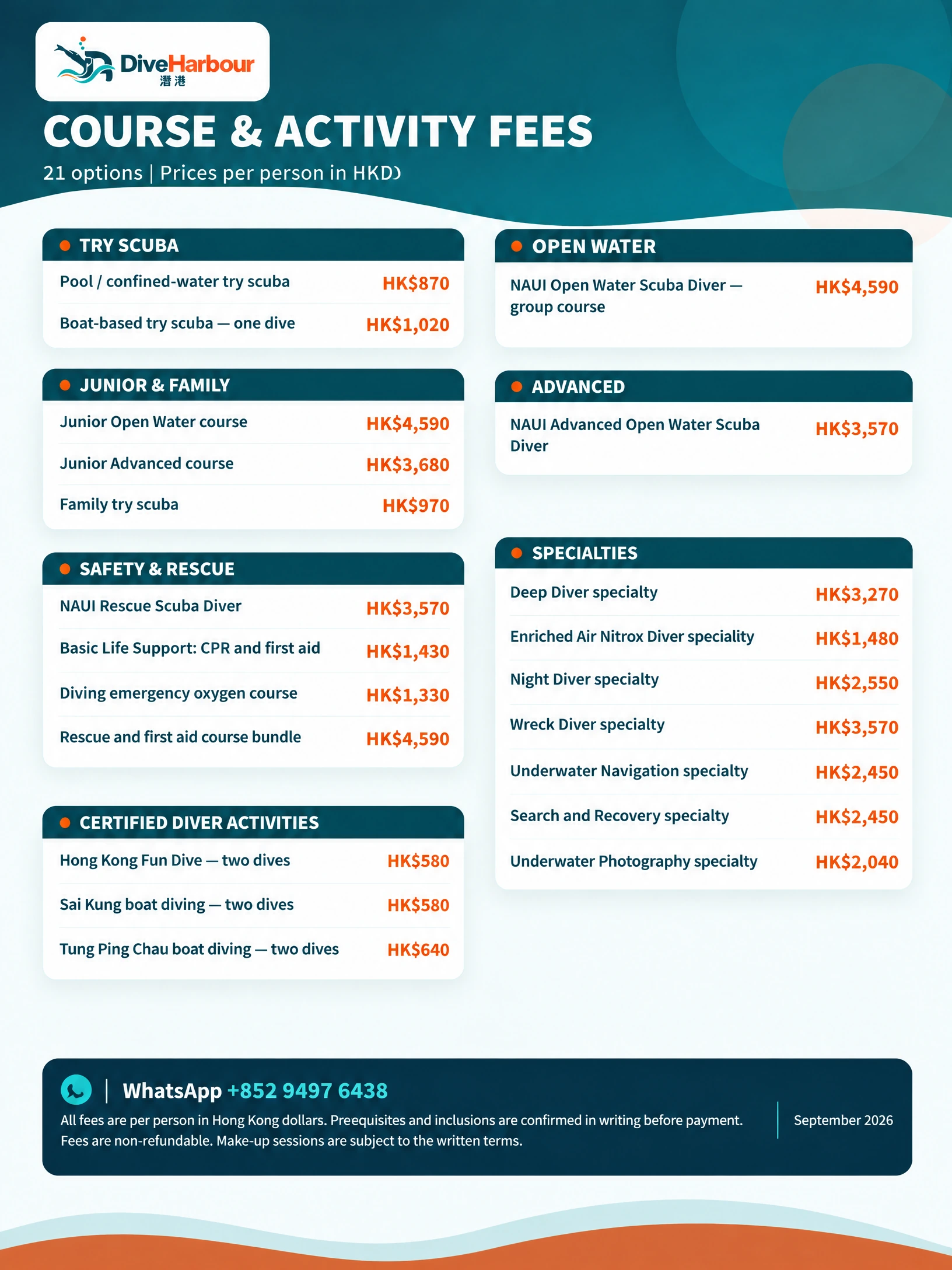
Compare our published course and activity fees before choosing your next step. All prices are per person in Hong Kong dollars.
Before you book, we confirm prerequisites, materials, certification, equipment, venue and boat arrangements in writing. Ask us about fees for courses not listed here.
Read the Sai Kung diving Hong Kong guide to learn about the setting, then explore the Sai Kung scuba diving course page. Certified divers can use our Hong Kong fun dive guide to check experience requirements and activity arrangements. Locations remain subject to weather and sea conditions.
Explore the responsibilities and entry requirements in our Divemaster course Hong Kong guide, then review the scuba instructor course Hong Kong route. Professional training differs from recreational progression, so confirm experience requirements and assessment arrangements first.