Post-Swim Shore Change: From Water to a Shore Meal
A post-swim shore change works best as a handover, not a quick fix. Finish the water activity under its own safety rules, move to a private dry area, separate wet items, follow the hairpiece’s actual care instructions, and restyle only when the piece and wearer are ready for the meal.
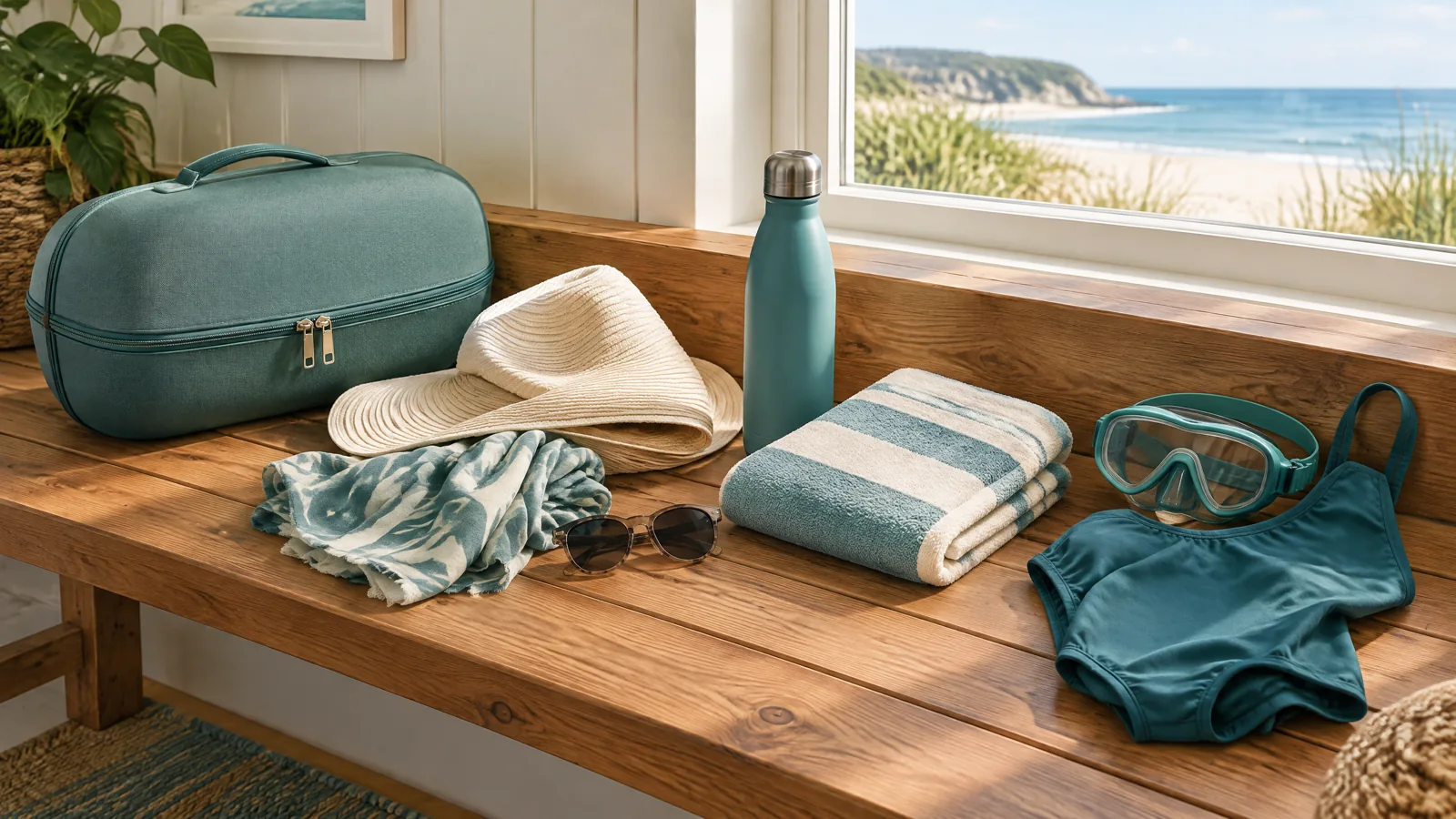
Illustration · Concept illustration: a dry-wet shore transition kit, not a real customer or product photograph.
Instructor qualifications
One clear teaching conversation from first breath to next step
DiveHarbour brings together scuba teaching, swimming, lifesaving and water-rescue experience so you can ask practical questions before choosing a course.
PADI teaching backgroundTeaching experience across recognised scuba learning pathways.
SSI teaching backgroundClear explanations when you are comparing agency routes.
NAUI teaching backgroundA practical, standards-aware approach to learning and progression.
Swimming foundationWater confidence and calm, step-by-step practice matter.
Lifesaving experienceSurface awareness and prevention stay part of the conversation.
Pool rescue experienceControlled practice can build confidence before open water.
Beach rescue experienceLocal water context informs sensible preparation.
Kayak rescue experienceA wider water-safety perspective supports good judgement.
PWC rescue experienceAsk about the right learning route for your experience and goals.
Brand relationship: DiveHarbour and OWNSTRAND share the same owner.
DiveHarbour and OWNSTRAND have the same owner. OWNSTRAND links are included as external product and selection references, not as independent third-party recommendations, medical advice, activity clearance, or water-safety endorsements.
A useful fact to keep in mind
CancerCare advises blotting a synthetic wig rather than twisting or wringing it, and recommends waiting until it is completely dry before brushing and styling.
Treat water-activity decisions and hairpiece care as separate decisions.
Prepare a private change zone with dry clothing, a towel, and a breathable storage option.
Blot and air-dry only as the actual product instructions allow; do not improvise with heat or force.
Keep the shore meal plan flexible enough for rest, comfort, and a second styling check.
Start here
What a post-swim shore change should solve
Separate the water decision from the hairpiece decision
A post-swim shore change is the handover between an activity in or around water and an on-land plan such as lunch, dinner, or a coastal walk. It is not a reason to test whether a wig, topper, hair system, adhesive, or cap can enter the water. Decide the activity plan with the responsible operator, instructor, or lifeguard. Decide the hairpiece plan from the actual product instructions.
This separation prevents a common planning error. A piece may have care instructions for damp hair, yet that does not make it suitable for swimming or diving. Equally, an activity may end safely while the wearer still needs privacy, warmth, drying time, or a different appearance plan. The American Red Cross advises knowing personal limits, using supervision, and planning how to exit the water safely. [2]
If your next step is a future fit or replacement discussion, custom wig fitting Hong Kong can be treated as a separate product enquiry. It should not be used to decide whether today’s water activity is suitable. Write down the piece type, its base, and the care instructions before asking any provider about a later shore look.
Finish the activity under its own rules before handling appearance decisions.
Move to a private, dry place before changing or opening the storage case.
Keep the wet kit, dry clothing, hairpiece, and styling tools in separate zones.
Allow a pause before deciding whether to wear the same piece for the meal.
The goal is a predictable land-based transition, not an in-water workaround.
Guide · 02
Prepare the change zone before the activity
A dry, private handover makes the shore plan easier
Pack the transition kit before leaving home, even if you expect to use a changing room. Bring dry clothing, a towel, a small bag for damp fabric, a separate container or case for the hairpiece, and the product’s care note. Add a simple mirror if the venue does not provide one. The arrangement should let you change without placing a hairpiece on a wet bench, sandy towel, or communal floor.
Use two visual groups in your bag. The first holds items that may be wet, such as swimwear and activity towels. The second holds clean clothing and anything that must stay dry. Keep the hairpiece away from both groups until your hands and the change surface are dry. This is a packing decision, not a claim that any case or bag is waterproof.
A short reset can be more useful than rushing into the restaurant. Sit down if the venue permits, drink water according to your own needs, and check whether the piece, base, or scalp feels comfortable before restyling. For the wider hair routine, the post-swim conditioning plan can sit alongside this article, while the water activity remains a separate decision.
Swipe the table to compare all columns.
Transition kit zones for a post-swim shore change
Zone
Place here
Keep separate from
Check before leaving
Wet activity zone
Swimwear, used towel, and damp accessories
Dry clothes and hairpiece
Seal or ventilate only as the item instructions allow
Dry clothing zone
Meal outfit, underwear, and clean towel
Wet fabric and sandy items
Change surface is dry enough to use
Hairpiece zone
Piece, written care note, and permitted tools
Wet kit, direct sun, and heat sources
Hands and surface are dry before handling
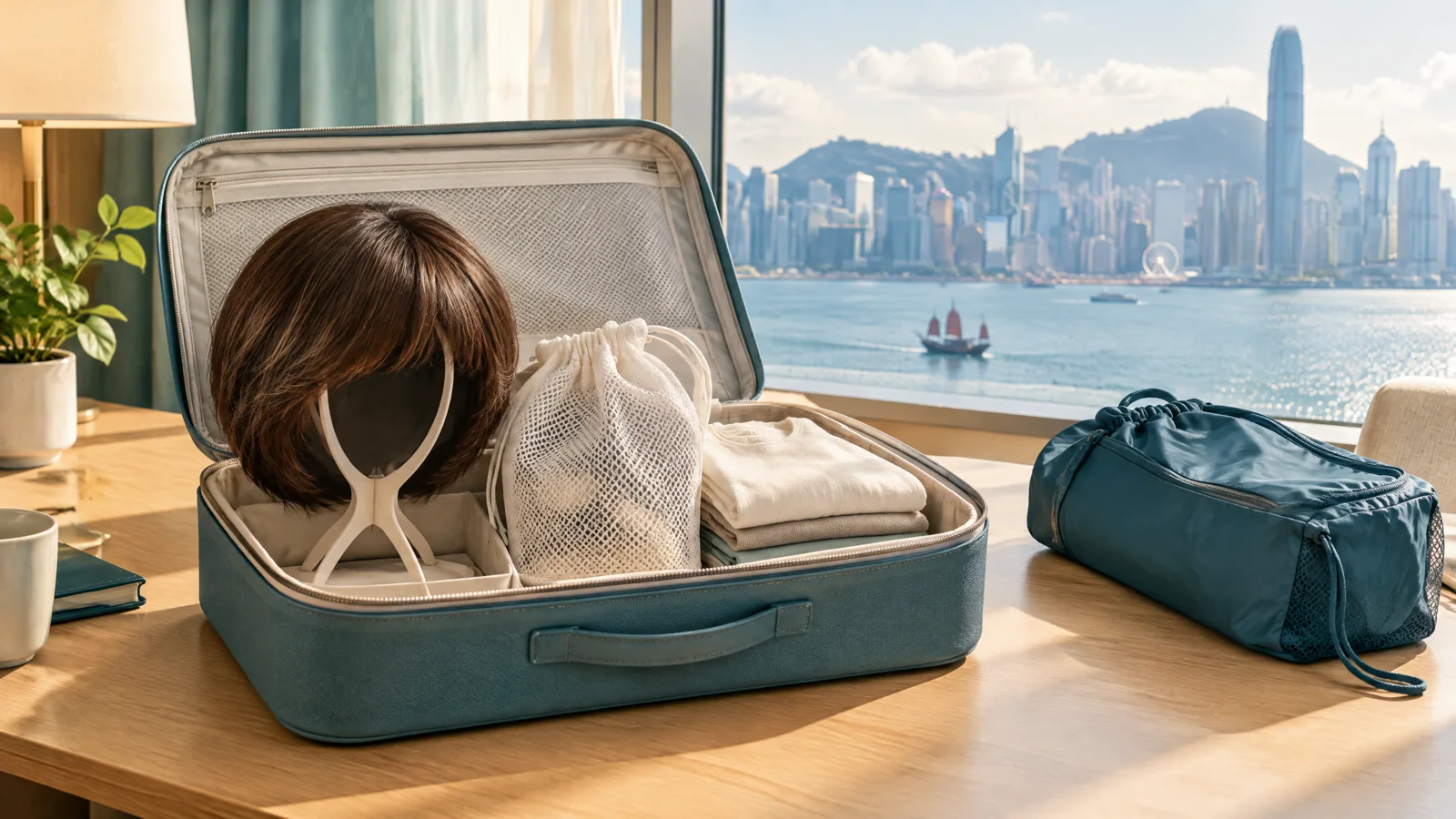
Illustration · Concept illustration: separate storage planning, not a real OWNSTRAND case or fit result.
Guide · 03
Follow a careful drying and storage sequence
The post-swim shore change needs a pause before styling
First, identify what is actually damp. It may be the wearer’s natural hair, the cap or base, the fibres, the towel, or only the outside of the case. Do not assume that one drying method fits every construction. A full wig, men’s hairpiece, topper, extension, and bonded system can have different instructions. If the product provider gives a different sequence, follow that sequence rather than this general framework.
For synthetic wigs, CancerCare says to use cool water for washing, blot with a towel instead of twisting or wringing, and avoid brushing while the hair is wet. It also recommends arranging strands gently during drying, avoiding direct sunlight, and styling only after the wig is completely dry. [1] These points support a conservative routine, but they do not establish instructions for every fibre or base.
At the shore, that means gentle handling first and styling second. Place the piece where air can circulate without direct sun, heat, spray, food, or sand. Do not seal a damp piece in a closed case simply because the meal is starting. If it cannot dry within the available time, choose a land-based alternative appearance plan instead of forcing a rushed finish.
Guide · 04
Choose the shore-meal appearance plan
Restyling is a comfort and product question, not an activity claim
There are three sensible land-based outcomes after the change. You may wear the same piece after it is dry and its instructions allow it. You may use a separate piece that was kept dry. Or you may keep the natural hair covered or simply styled without a hairpiece for the meal. Choosing the third option is not a failure. It can be the calmest choice when time, privacy, or comfort is limited. For a wider event handover, see the shore-event styling brief.
Do not treat a full wig and a partial men’s piece as interchangeable. A full wig changes the overall silhouette and may require a different fitting conversation. A topper or hairpiece addresses a more localised appearance goal. If your plan concerns a full option, men's wigs is a product-selection reference, not proof that a style is suitable for water or for a particular activity.
Before leaving the change area, check the outline from the front and sides, the parting or hairline, and whether clothing or sunglasses disturb the look. Use only the tools and products allowed by the piece’s instructions. Do not add clips, ties, adhesive, or other modifications because the shore is windy or because a meal photo is important.
Illustration · Concept illustration: a private selection conversation, not a real customer consultation.
Guide · 05
Handle removable and bonded systems differently
Compare the care pathway rather than assuming one transition
A removable system can be placed aside for the activity and handled later, but removal still has to follow the provider’s instructions. A bonded system has a different care pathway. Do not pull, peel, dissolve, or reattach it by guesswork. If a bonded piece becomes uncomfortable or its instructions do not cover the situation, pause the restyle and ask the product provider what to do.
The useful comparison is practical. Ask how each system is meant to be removed, where it should rest while you change, what must be completely dry, and which products or tools are allowed afterward. Do not compare them by promising that one is safer in water. The activity decision belongs to the activity’s responsible professionals and the wearer’s own circumstances.
For a men’s system enquiry, removable vs bonded hair system for men can help frame questions about the product pathway. It is not an instruction to change bonding, add adhesive, or use a hair system in water. Keep the exact construction and written care instructions with the piece.
Swipe the table to compare all columns.
Decision points before wearing a hairpiece for the shore meal
Question
If yes
If no or unclear
Who decides
Is the activity definitely finished under its own procedure?
Move to the change plan
Stay with the activity safety process
Operator, instructor, lifeguard, and wearer
Does the actual product instruction cover this drying and storage situation?
Follow that written sequence
Pause and ask the product provider
Product provider and wearer
Is the piece dry, comfortable, and undisturbed by the outfit?
Do one gentle final check
Use the dry alternative or postpone styling
Wearer, with support if wanted
Guide · 06
Make the meal and return trip predictable
A complete post-swim shore change includes an exit plan
Before you sit down to eat, decide where the damp kit will stay, where the hairpiece will remain if it is not ready, and who should know that you may need a quiet pause. A companion can carry the wet bag or help protect a private changing plan, but should not make the activity decision for you. The Red Cross stresses supervision, awareness of limits, and safe exit from the water environment. [2]
Keep the return trip simple. If the piece is dry and the instructions allow wearing it, do one final gentle check rather than repeated restyling. If it is still damp, tangled, uncomfortable, or exposed to sand, keep it stored as the instructions allow and postpone the full finish. A shore meal is easier to enjoy when the plan includes permission to leave the appearance unfinished.
After returning, separate damp clothing from the hairpiece before unpacking everything else. Record what happened while it is fresh: where the piece became damp, what you used to blot it, and whether any instruction was unclear. That note can make a later product question more precise and can prevent you from repeating a rushed transition on the next coastal day.
Confirm the activity is finished before changing attention to appearance.
Keep a dry alternative for the meal instead of relying on a last-minute fix.
Store the piece only in the way its instructions permit.
Leave extra flexibility for comfort, privacy, weather, and transport.
If the plan cannot keep the wearer, activity equipment, and hairpiece within their separate instructions, simplify the shore plan.
Illustration · Concept illustration: a shore-meal styling moment, not a real customer result or DiveHarbour student.
A sensible next step
Take the question with you
Plan the post-swim shore change as a calm handover: finish the water activity under its own safety process, change in private, separate wet and dry items, follow the exact product instructions, and keep a land-based appearance alternative. That sequence protects the practical needs of the activity, the wearer, and the hairpiece without claiming that any product is made for water.
For a swimming, diving, or shore-activity question, contact DiveHarbour through its activity enquiry channel. For hairpiece selection, fitting, or product-care questions, ask OWNSTRAND through the linked product pages; OWNSTRAND is not a DiveHarbour course service.
Questions to ask
Common questions
Can I swim or dive in a wig and change it afterward?
Do not use this article as permission. Follow the actual product instructions and the water activity’s safety requirements. When either is unclear, choose a land-based alternative and ask the responsible provider.
What should I do if a synthetic wig is damp after swimming?
Keep the activity and care decisions separate. For general synthetic-wig guidance, CancerCare advises blotting rather than twisting or wringing, avoiding brushing while wet, and waiting until the piece is completely dry before styling. Check your own instructions first.
Should I remove a bonded hair system at the shore?
Do not pull, peel, dissolve, or reattach a bonded system by guesswork. Follow the provider’s written instructions. If they do not cover the situation, pause the restyle and ask the product provider.
What if the piece is not ready before the meal?
Use a dry alternative, postpone the full style, or keep the piece stored as instructed. A flexible shore plan is better than rushing, applying unapproved products, or changing activity equipment.
CancerCare’s fact sheet says to blot a synthetic wig rather than twist or wring it, avoid brushing while wet, avoid direct sunlight while drying, and brush and style only when completely dry.
The American Red Cross advises knowing personal limitations, never swimming alone, using lifeguards or water watchers, and planning for the risks of the specific water environment.
Continue exploring
Three useful next reads
Keep comparing practical questions before you choose a course, activity or preparation step.
Coastal life and hairpieces · Updated 2026-11-06
Private Wig Fitting Chat: Plan a Quiet Shore Event
Plan a private wig fitting chat for a beach portrait or shore event. Prepare measurements, privacy questions, and a clear next step before choosing.
Topper or full wig shore: a practical coastal day guide
Topper or full wig shore planning for portraits and dinners: compare coverage, outfit changes, privacy, care, and questions to ask before your coastal day.
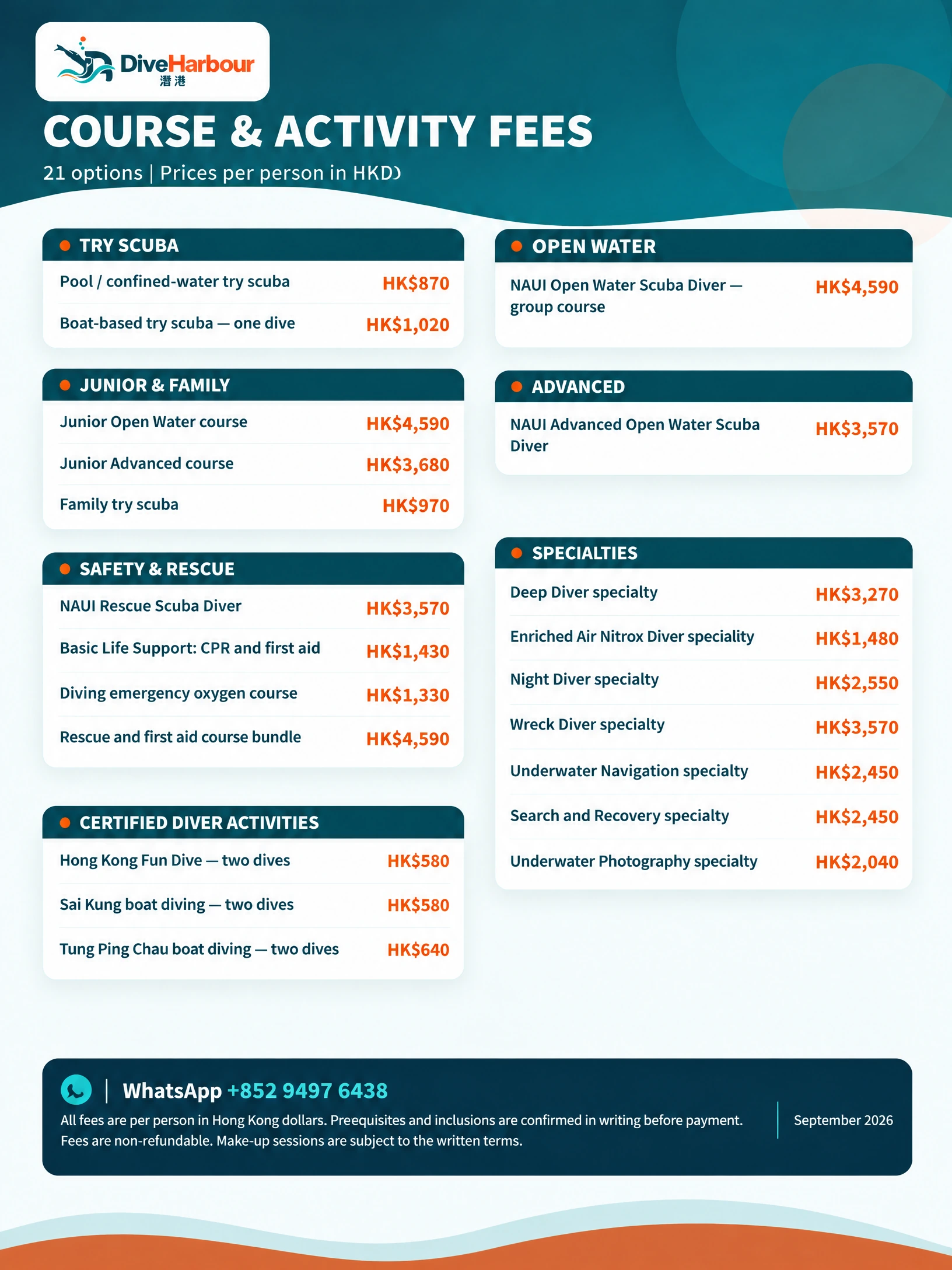
Compare our published course and activity fees before choosing your next step. All prices are per person in Hong Kong dollars.
Before you book, we confirm prerequisites, materials, certification, equipment, venue and boat arrangements in writing. Ask us about fees for courses not listed here.
Read the Sai Kung diving Hong Kong guide to learn about the setting, then explore the Sai Kung scuba diving course page. Certified divers can use our Hong Kong fun dive guide to check experience requirements and activity arrangements. Locations remain subject to weather and sea conditions.
Explore the responsibilities and entry requirements in our Divemaster course Hong Kong guide, then review the scuba instructor course Hong Kong route. Professional training differs from recreational progression, so confirm experience requirements and assessment arrangements first.