Dry-Wet Wig Packing: A Practical Shore-Day Return Flow
Dry-wet wig packing works best as a handoff: identify the piece, keep it apart from damp towels and clothing, label every zone, ventilate wet textiles, and follow the piece’s own care sheet before storage. This is a return-home routine, not permission to wear a wig or topper in water. If the instructions are unclear, choose a shore alternative and ask the relevant provider.
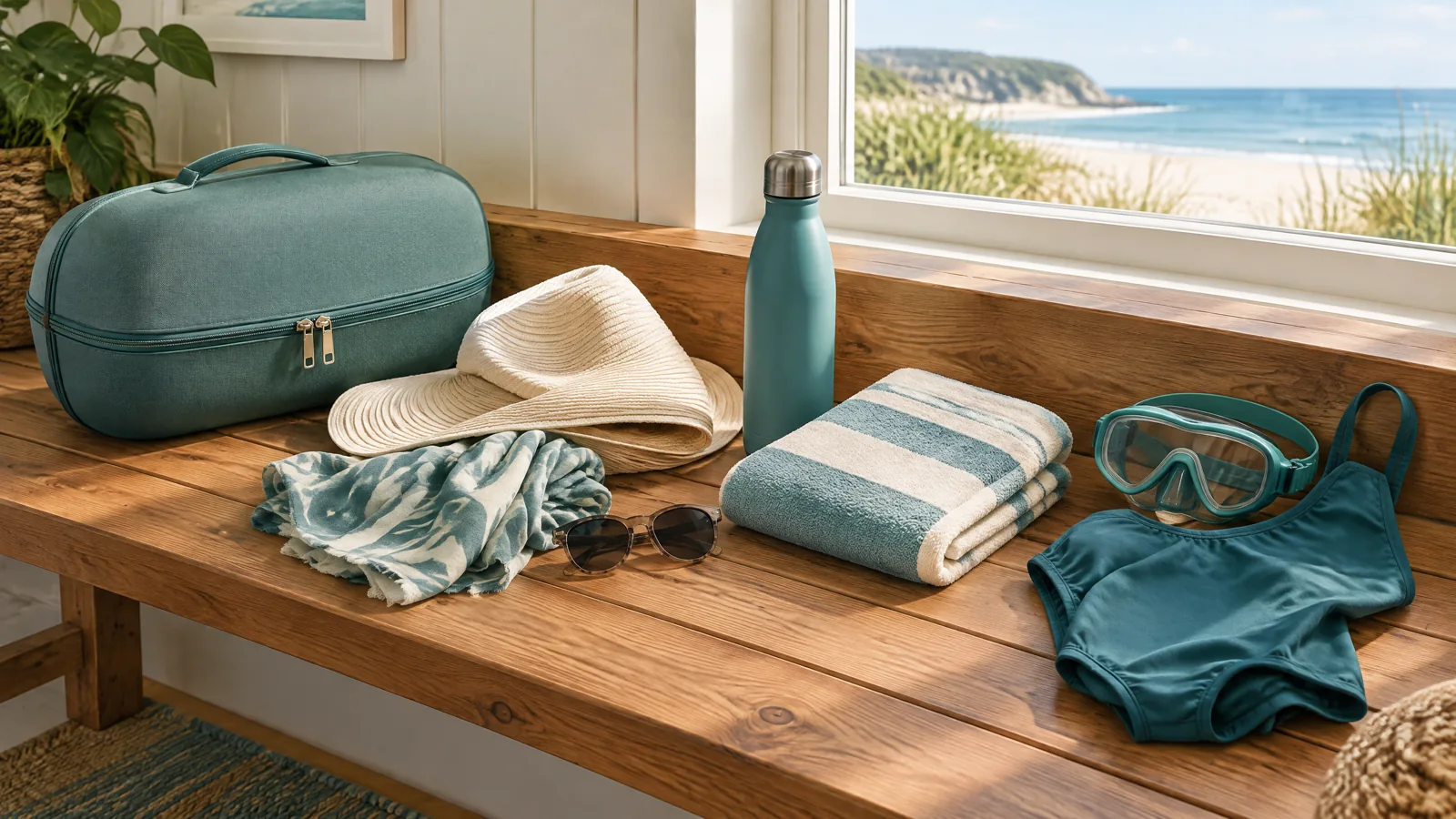
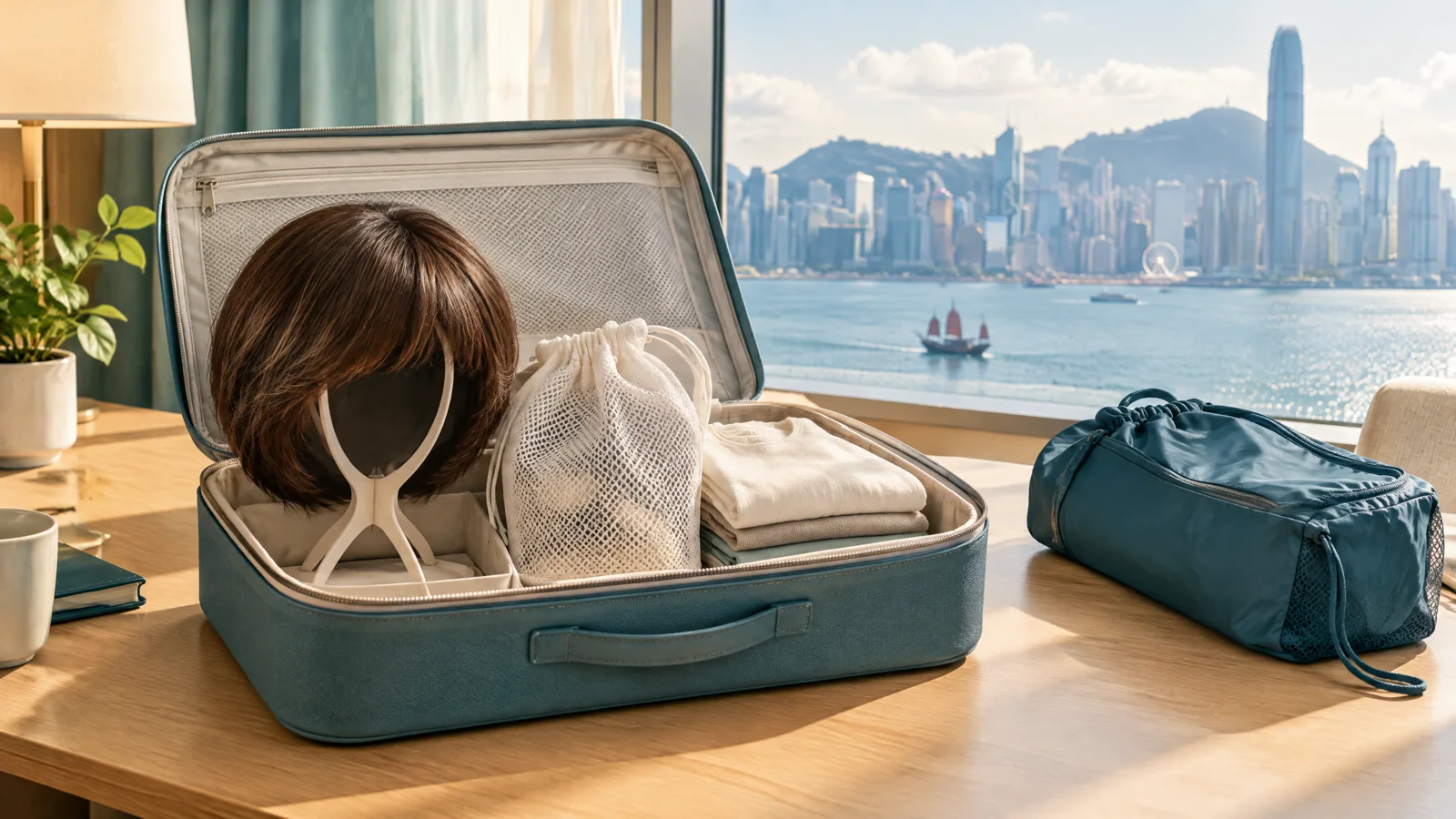
Illustration · Concept illustration: a shore-day kit organised into separate hairpiece, damp-textile, and dry-item zones.
Instructor qualifications
One clear teaching conversation from first breath to next step
DiveHarbour brings together scuba teaching, swimming, lifesaving and water-rescue experience so you can ask practical questions before choosing a course.
PADI teaching backgroundTeaching experience across recognised scuba learning pathways.
SSI teaching backgroundClear explanations when you are comparing agency routes.
NAUI teaching backgroundA practical, standards-aware approach to learning and progression.
Swimming foundationWater confidence and calm, step-by-step practice matter.
Lifesaving experienceSurface awareness and prevention stay part of the conversation.
Pool rescue experienceControlled practice can build confidence before open water.
Beach rescue experienceLocal water context informs sensible preparation.
Kayak rescue experienceA wider water-safety perspective supports good judgement.
PWC rescue experienceAsk about the right learning route for your experience and goals.
Brand relationship: DiveHarbour and OWNSTRAND share the same owner.
DiveHarbour and OWNSTRAND are operated by the same owner. OWNSTRAND links here are external product and selection references, not independent third-party recommendations, medical advice, or a statement that any hairpiece is suitable for swimming, snorkelling, or diving. DiveHarbour handles activity enquiries; OWNSTRAND handles product enquiries.
A useful fact to keep in mind
CancerCare says a synthetic wig should not be twisted or wrung, should not be brushed while wet, and should be kept out of direct sunlight while drying [1].
Separate the hairpiece from damp towels and clothing before closing any bag.
Use simple labels so wet, dry, clean, and care items do not get mixed.
Ventilate damp textiles, while keeping the hairpiece’s drying method product-specific.
Treat storage guidance and activity suitability as two separate decisions.
Start here
1. Make dry-wet wig packing a shore-to-home handoff
The dry-wet wig packing rule: separate first, sort second
The useful starting point is not a special bag. It is a clean handoff between the shore activity and the trip home. A hairpiece, damp towel, wet clothing, dry clothing, and personal care items have different next steps. Treating them as one bundle makes it harder to see what needs airing, laundering, checking, or storage.
Before you leave the changing area, identify where the hairpiece is and where the damp textiles are. If a piece was removed, keep it in its own clearly marked zone rather than placing it inside a towel. That small pause is more reliable than trying to remember the contents of an unlabelled bag later.
For a wider trip sequence, compare the shore dive versus boat dive packing list Hong Kong article as an activity-packing reference. The same principle applies here: decide what is needed for the journey home, then keep the hairpiece workflow separate from dive equipment and wet clothing.
Remove or set aside the hairpiece only according to its own instructions and the activity plan.
Put damp towels and clothing in the wet zone, away from the piece and dry garments.
Mark the piece zone before moving bags, especially after a rushed change.
Recheck the labels before transport and again when you reach your accommodation.
Storage organisation is not activity clearance. A tidy return-home process cannot make a piece waterproof, anti-fall, or suitable for water.
Guide · 02
2. Separate the piece from damp towels and clothing
Build three simple zones before the bag is closed
Use three zones: hairpiece, damp textiles, and dry or clean items. The hairpiece zone should not be used as a spare towel pocket. The damp zone can hold towels and activity clothing temporarily, but it should remain identifiable until those items can be aired, washed, or dealt with according to their labels.
A full wig and a partial piece may need different handling. If your enquiry concerns women's wigs, record the exact piece and its care notes rather than assuming every full wig shares one construction. A topper, hair system, or extension may have different bases, attachments, or material instructions.
Do not use a damp towel to wrap a hairpiece simply because it is soft. Softness does not answer whether the fibres, cap, base, attachment, or finish should be exposed to moisture. If the piece is already damp, pause and check the provider’s instructions before choosing a drying or storage method.
Swipe the table to compare all columns.
Return-home first-sort checkpoint
Zone
Put here
Next action
Hairpiece
Piece, care note, clean support if specified
Read the specific instructions before drying or storing
Damp textiles
Towels, swimwear, wet clothing
Keep apart, ventilate when possible, then launder or dry
Dry or clean
Fresh clothing and items that must stay dry
Keep closed or protected from the damp zone
Illustration · Concept illustration: labelled travel storage, not a real product or customer result.
Guide · 03
3. Label the return bag and ventilate wet textiles
A dry-wet wig packing label should answer three questions
A useful label answers: what is inside, what happens next, and who needs to check it. For example, write “hairpiece—care sheet” on the piece zone, “damp towel—air or laundry” on the textile zone, and “dry clothing” on the clean zone. The wording can be simple; the benefit comes from making the next action visible.
Ventilate damp towels and clothing when the setting allows, instead of sealing them away as if they were dry. Keep clean clothing physically apart from damp or soiled items. CDC laundry guidance describes drying wet textiles before folding or packaging and separating clean from contaminated textiles in transport [2]. This article applies that principle cautiously to travel organisation, not to consumer disinfection.
You can use the scuba gear care travel checklist for the equipment side of a trip. Keep its gear checks separate from the hairpiece side: do not place a piece in a regulator, mask, wetsuit, or towel compartment merely because the compartment is convenient.
Guide · 04
4. Follow the piece’s own drying and storage instructions
When general packing advice stops and product guidance begins
Once the zones are separated, stop treating the hairpiece as ordinary clothing. Read the care sheet for the specific style, base, fibre, attachment, and finish. Product styles and materials are not interchangeable. A general routine can tell you to identify and isolate the piece, but it cannot decide whether it may be rinsed, brushed, heated, folded, hung, or placed on a support.
CancerCare’s synthetic-wig fact sheet says a wet synthetic wig may be blotted with a towel, but should not be twisted or wrung. It also says not to brush while wet, to place it on a tall object while it dries, to avoid direct sunlight, and to brush or style only when completely dry [1]. Those details are specific to the source’s synthetic-wig context, not a universal rule for every piece.
If you are comparing hair toppers, note the exact base and care information before travelling. A topper’s handling questions may differ from a full wig’s, and the word “topper” alone does not identify fibre, attachment, or storage needs. Ask the provider when the written instructions leave a gap.
Swipe the table to compare all columns.
Label prompts for a rushed change
Label prompt
Question it answers
Example wording
What is inside?
Could this be mistaken for another bag?
Hairpiece—care sheet
What happens next?
Does it need airing, laundry, or a provider check?
Damp towel—air or laundry
What must stay dry?
Which items should not share the wet zone?
Clean clothing—keep separate
For synthetic-wig care, CancerCare also warns against heat. Do not transfer a heat instruction to another piece without checking its own care information.
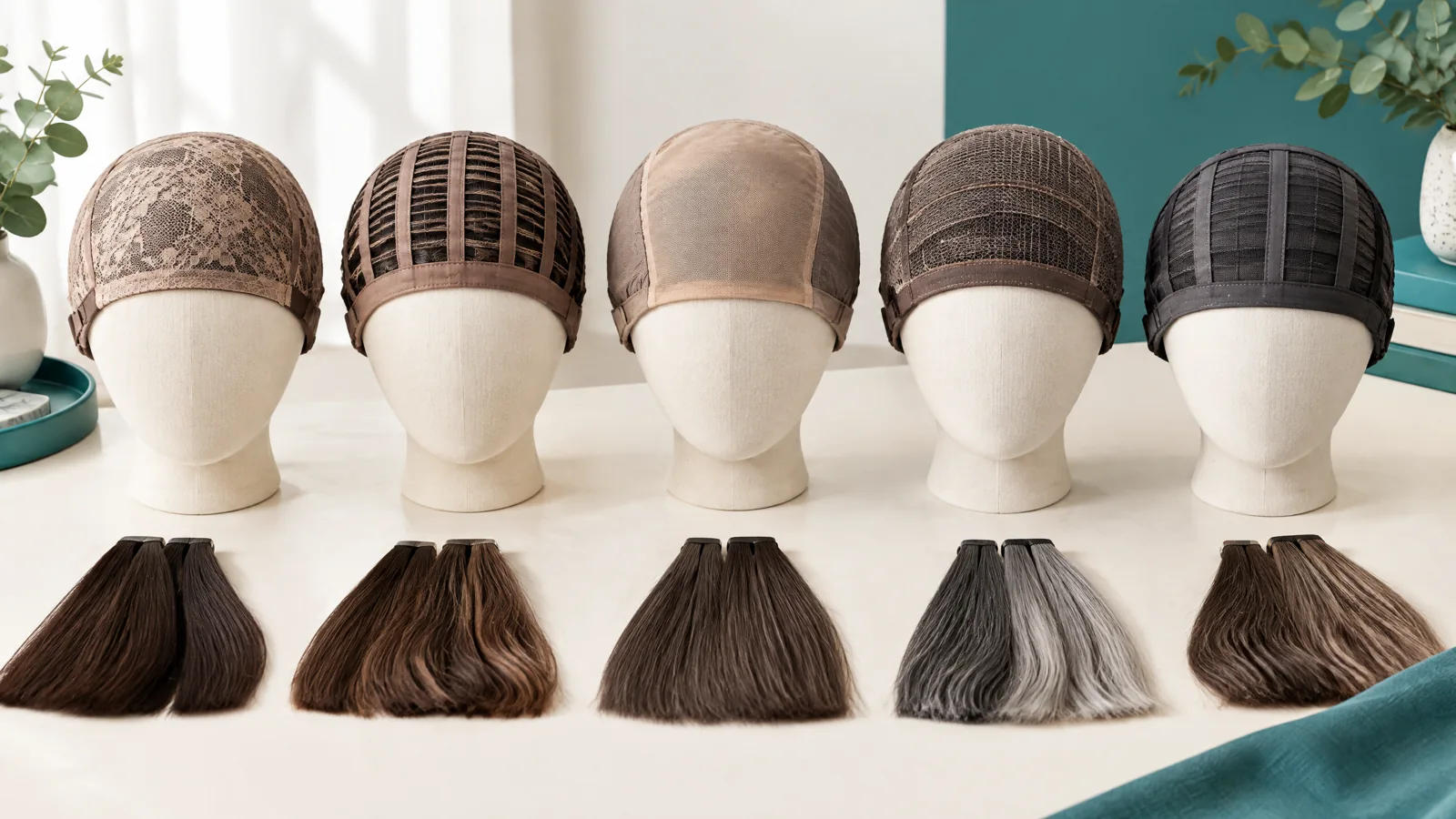
Illustration · Concept illustration: different construction notes require product-specific checking.
Guide · 05
5. Record the piece identity before the next shore day
Use the packing reset to improve the next product enquiry
After unpacking, make a short record while the details are fresh. Note whether the piece was dry, damp, dusty, tangled, or otherwise in need of checking. Record what the care sheet says about drying and storage, and write down any unanswered question. This is more useful than relying on a vague memory that the piece “seemed fine” after a busy day.
Coverage questions also deserve precise wording. If you are exploring hair topper base size, describe the area you want covered and ask which measurements or photographs the provider needs. Do not infer a suitable base from a general diagram, a product name, or the fact that a piece worked for another person.
Keep this record about appearance and care, not medical conclusions. Chemotherapy-related or postpartum concerns may be part of someone’s appearance context, but this packing guide cannot assess treatment, recovery, scalp health, or activity readiness. Those questions belong with the relevant healthcare team or qualified provider.
Write down the piece type, material information, and base description if known.
List the exact care question instead of guessing from another style.
Keep measurements and reference photos with the product enquiry notes.
Choose an onshore alternative if activity suitability remains unconfirmed.
Guide · 06
6. Use a next-day reset, not a last-minute rescue
Turn dry-wet wig packing into a repeatable shore routine
At your accommodation, open the wet-textile zone first if it needs airing, while keeping it away from the hairpiece and dry clothes. Then check the piece zone against its instructions. Do not rush to brush, heat, wash, or reshape it because dinner or the next outing is approaching. A short delay is better than inventing a care method under pressure.
Before the next activity, decide separately whether the piece will be worn for the shore portion, stored for later, or left behind. Never treat a dry piece as automatically approved for swimming, snorkelling, or diving. Do not add adhesive, clips, cords, or equipment modifications to solve an activity question. Ask the product provider and the qualified activity lead, or choose a shore-only plan.
For a simple reset, repack only after the damp textiles have moved to their next step and the hairpiece instructions have been checked. Put the label where it can be read quickly. The goal is not a perfect travel system; it is a repeatable way to prevent a wet towel, an unverified care method, and an activity decision from becoming one rushed choice.
If the piece’s condition, storage method, or activity suitability is uncertain, pause the water plan and keep the day onshore until the relevant instructions are confirmed.
Illustration · Concept illustration: an onshore reset before a later activity, not a real customer or product image.
A sensible next step
Take the question with you
The practical sequence is simple: separate the hairpiece, isolate damp textiles, label the zones, ventilate what is wet, and follow the exact piece instructions before storage. Then make a separate decision about the next activity. If any part of that decision is unclear, keep the plan onshore and ask the relevant product or activity provider rather than improvising.
For a DiveHarbour shore, boat, or diving activity enquiry, ask DiveHarbour about the activity plan and its requirements. For a product-type, base-size, material, or storage-instruction enquiry, ask OWNSTRAND through the relevant product reference. They are separate enquiries and should remain separate.
Questions to ask
Common questions
Can I put a damp towel and the hairpiece in the same dry bag?
No. Keep the hairpiece in its own labelled zone and put damp towels and clothing in a separate wet zone. A soft towel does not establish that its moisture is suitable for the piece.
Should I brush a synthetic wig while it is wet?
CancerCare says not to brush a synthetic wig while it is still wet. It advises gentle drying and brushing or styling only when completely dry. Check the piece’s own instructions for other materials.
Does careful packing make a wig suitable for swimming or diving?
No. Packing and storage are separate from activity suitability. Do not infer waterproofing, attachment security, or equipment compatibility. Ask the relevant provider, or choose a shore-only alternative.
How should I pack a topper instead of a full wig?
Use the same separation principle, then identify the exact topper, base, fibre, and attachment instructions. Do not copy a full-wig routine or guess a base size from a different piece.
CancerCare’s fact sheet says to blot a synthetic wig without twisting or wringing, avoid brushing while wet, place it on a tall object to dry, keep it out of direct sunlight, and brush or style it when completely dry.
CDC guidance states that cleaned wet textiles, fabrics, and clothing are dried before being folded or packaged, and that clean and contaminated textiles should be separated during transport.
Continue exploring
Three useful next reads
Keep comparing practical questions before you choose a course, activity or preparation step.
Coastal life and hairpieces · Updated 2026-11-06
Shore-Day Hair Kit: Separate Dry and Wet Gear for the Coast
Build a shore-day hair kit that separates the hairpiece, dry clothes, towels, and activity gear. Follow this transition plan and check its care sheet.
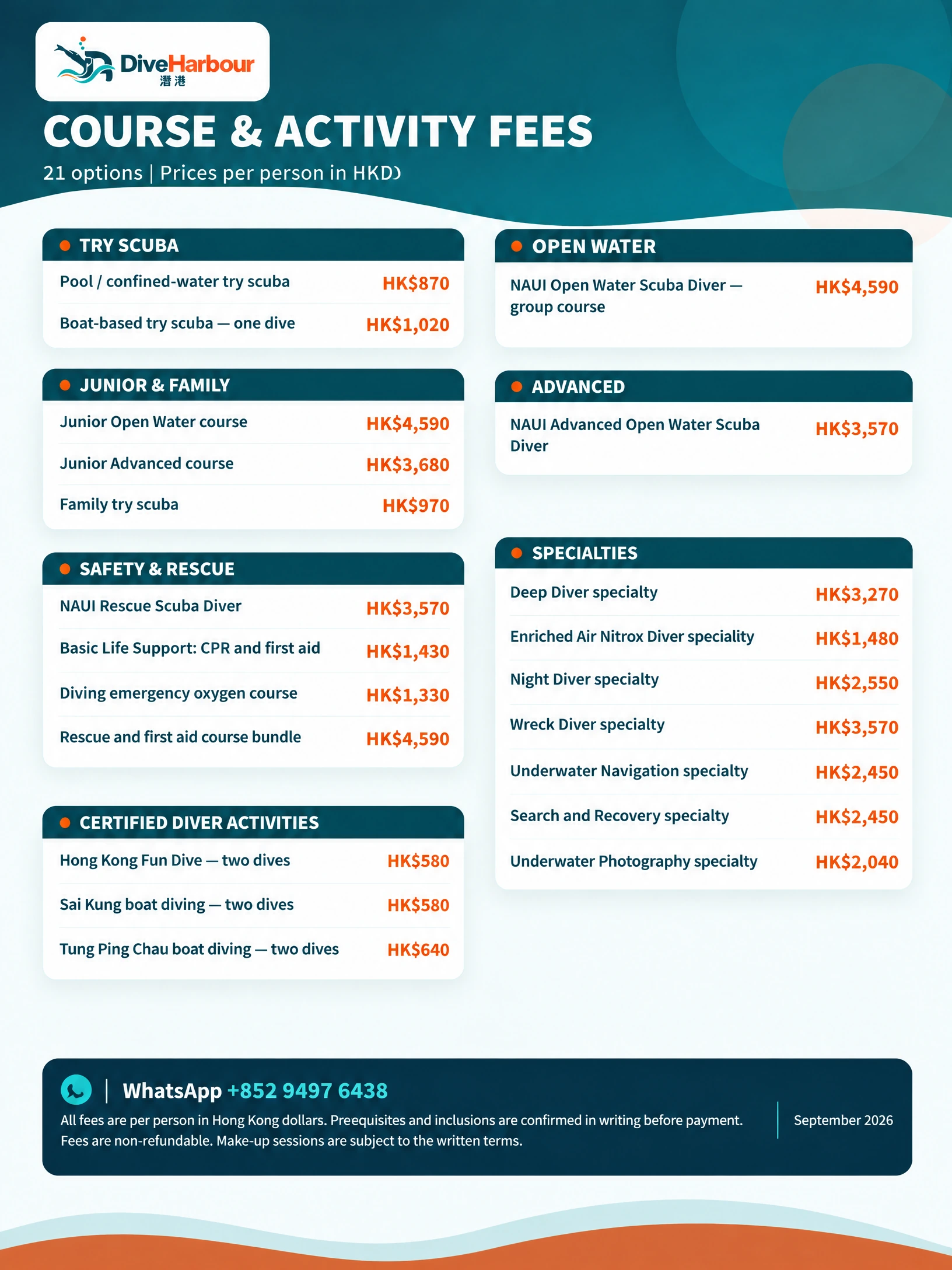
Compare our published course and activity fees before choosing your next step. All prices are per person in Hong Kong dollars.
Before you book, we confirm prerequisites, materials, certification, equipment, venue and boat arrangements in writing. Ask us about fees for courses not listed here.
Read the Sai Kung diving Hong Kong guide to learn about the setting, then explore the Sai Kung scuba diving course page. Certified divers can use our Hong Kong fun dive guide to check experience requirements and activity arrangements. Locations remain subject to weather and sea conditions.
Explore the responsibilities and entry requirements in our Divemaster course Hong Kong guide, then review the scuba instructor course Hong Kong route. Professional training differs from recreational progression, so confirm experience requirements and assessment arrangements first.