Windy Hairline Photos: Plan Light, Parting and Angles
For windy hairline photos, decide what the portrait should show before discussing a hairpiece. Test frontal, open-shade, side, and backlight; change one camera angle at a time; record how the parting reads; then take those observations to a product-specific consultation. Keep all hairpiece and activity-equipment decisions separate, and never treat a portrait concern as a reason to change water-safety gear.
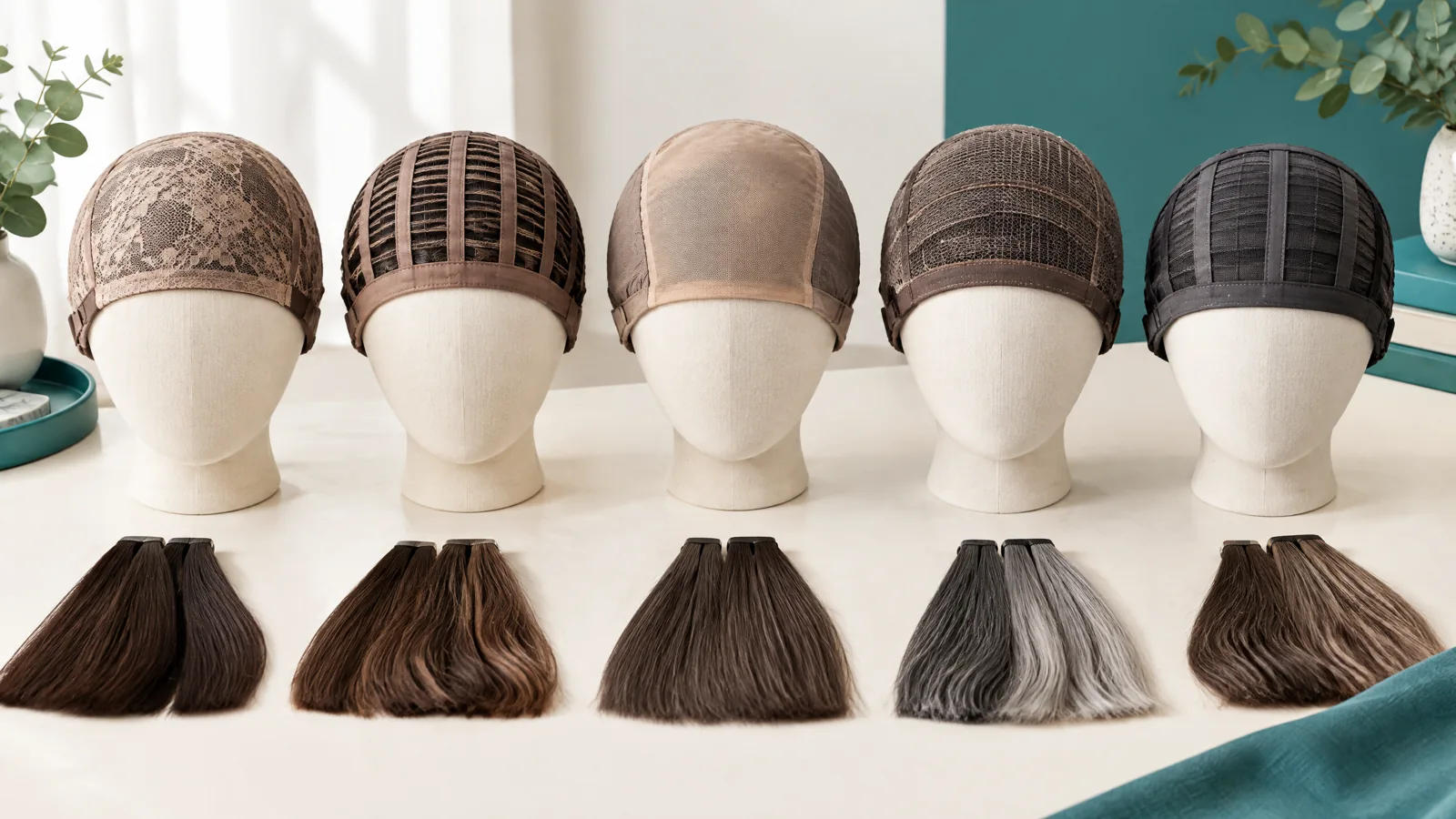
Illustration · Concept illustration: a shore portrait brief for light, wind, and hairline appearance.
Instructor qualifications
One clear teaching conversation from first breath to next step
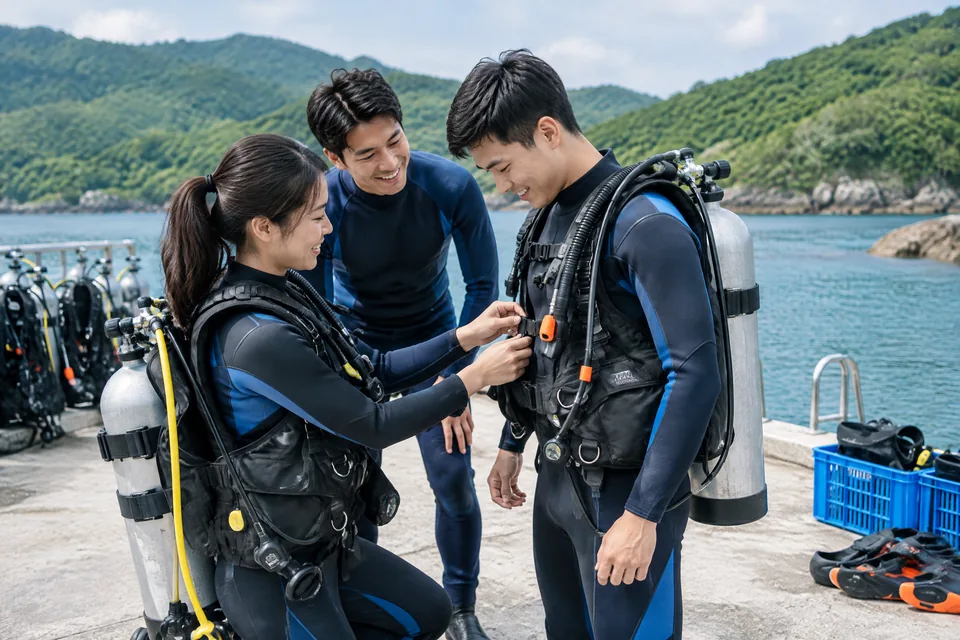
DiveHarbour brings together scuba teaching, swimming, lifesaving and water-rescue experience so you can ask practical questions before choosing a course.
PADI teaching backgroundTeaching experience across recognised scuba learning pathways.
SSI teaching backgroundClear explanations when you are comparing agency routes.
NAUI teaching backgroundA practical, standards-aware approach to learning and progression.
Swimming foundationWater confidence and calm, step-by-step practice matter.
Lifesaving experienceSurface awareness and prevention stay part of the conversation.
Pool rescue experienceControlled practice can build confidence before open water.
Beach rescue experienceLocal water context informs sensible preparation.
Kayak rescue experienceA wider water-safety perspective supports good judgement.
PWC rescue experienceAsk about the right learning route for your experience and goals.
Brand relationship: DiveHarbour and OWNSTRAND share the same owner.
DiveHarbour and OWNSTRAND are operated by the same owner. The OWNSTRAND references in this article are external product-selection information, not independent third-party recommendations, medical advice, product-effect claims, or water-activity safety endorsements. DiveHarbour handles activity enquiries; OWNSTRAND handles product enquiries.
A useful fact to keep in mind
Adobe’s portrait-lighting guide says that soft or spread-out light can be more forgiving, while open shade can help avoid harsh lines from bright midday sun. That supports testing light before making a hairline decision.
Define the frame and the hairline detail you want the portrait to show.
Compare soft frontal light, open shade, side light, and backlight before choosing a look.
Change one camera variable at a time so wind, parting, and angle are easy to compare.
Keep any hairpiece, water activity, and safety-equipment decisions in separate conversations.
Start here
Windy hairline photos: define the image before the shore
A windy hairline photos brief keeps appearance separate from water safety
Wind changes what a camera records. It can lift short strands, move a parting, and expose more or less of the front hairline from one frame to the next. Before discussing any hairpiece, decide whether the portrait is a close head-and-shoulders image or a wider seaside scene. The answer changes how much detail the photographer needs to check.
Write down three visual priorities before the event. You might want the front edge to look quiet, the parting to remain visible, or the overall silhouette to matter more than close detail. These are appearance goals, not promises about a product. In overhead sun, a parting may read differently than it does in open shade. Name the light as well as the hairstyle.
Keep the safety boundary clear. A visible hairline in a portrait does not justify carrying a hairpiece into water or changing a swim cap, mask, regulator, buoyancy device, or other safety equipment. If the day includes swimming or diving, ask the product provider and activity lead separate questions. If they cannot confirm the arrangement, keep the styling plan on shore.
Choose one primary portrait priority before comparing products.
Mark the preferred side, parting direction, and amount of forehead you want shown.
Tell the photographer that wind is part of the scene, not a defect to hide at any cost.
Name a private shore location for any styling change or consultation conversation.
The useful question is not “Which product defeats the wind?” It is “Which frames show the appearance I want, and what product-specific questions follow from those frames?”
Guide · 02
Test the light before deciding what the hairline needs
Use windy hairline photos to compare light, not to chase a promise
Light can make the same front hairline look softer, sharper, flatter, or more shadowed. Adobe recommends starting with soft or spread-out light, and notes that open shade can reduce the harsh lines created by bright midday sun. It also identifies the first hour after sunrise and the last hour before sunset as useful outdoor portrait windows. Treat these as tests, not guaranteed solutions. [1]
Start with a simple three-frame sequence. Take one image in open shade with the face turned toward the brighter area. Take a second with gentle side light. Take a third with the light behind the subject. Keep the distance and expression similar. The purpose is to see how the front edge and parting read when the light changes, rather than to label one lighting style universally flattering.
If the front edge itself is the consultation topic, a separate lace front wig reference may help describe the construction. It is not a promise that every lace front has the same base, density, or result. Ask for the specific item’s instructions and distinguish a product discussion from the photographer’s lighting choices.
Swipe the table to compare all columns.
A shore-based light test for comparing hairline and parting appearance
Test frame
Ask the photographer
Record
Open shade, face toward the brighter side
Can the front edge and parting be seen without harsh forehead shadow?
Light direction, distance, and whether the wind moved the parting
Gentle side light
Does the side shadow change the mood or make one temple more prominent?
Preferred head turn and the amount of shadow you accept
Backlight or bright horizon behind
Does the outline still read in a wider frame?
Silhouette strength, background brightness, and useful crop
Ask the photographer to keep one reference frame without filters or heavy retouching. It gives the later consultation a clearer starting point.
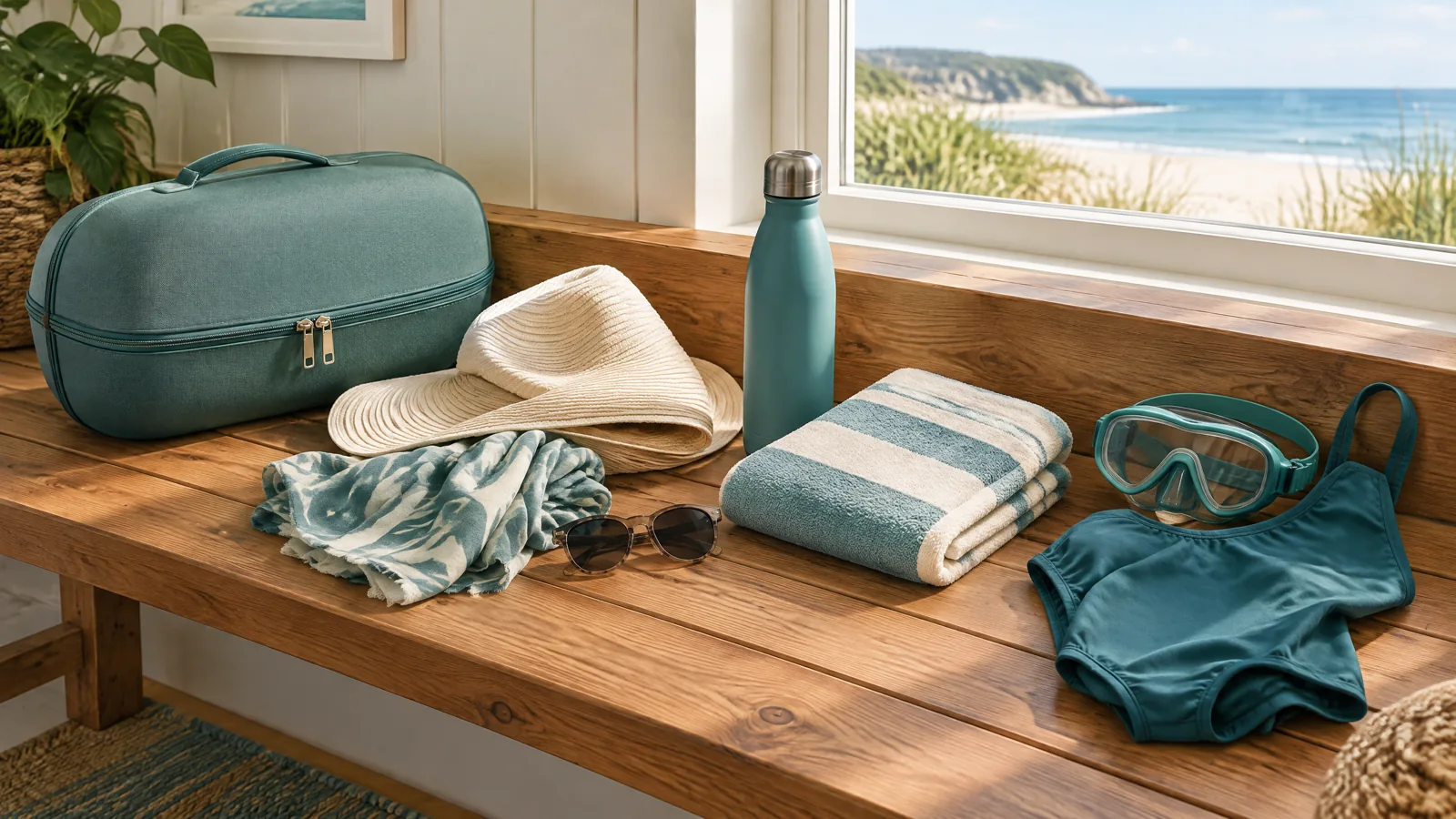
Illustration · Concept illustration: preparing questions for a private, product-specific consultation.
Guide · 03
Let wind reveal the shot you actually want
Parting, movement, and camera height should be tested together
A windy portrait is not a still-life test. Hair may move between exposures, so ask for a short burst of similar frames instead of trusting one photograph. Watch whether the parting repeatedly opens, whether flyaways cross the forehead, and whether the wind changes the outline around the temples. Record what happens at the location’s real wind direction, not only in a sheltered room.
Change one variable at a time. Keep the light and subject position fixed while the photographer raises or lowers the camera slightly. Then keep the camera fixed while the subject turns a little toward or away from the wind. This makes the comparison useful. If light, pose, distance, and parting all change together, you will not know which choice affected the hairline’s appearance.
For a wider portrait, let the shoreline and body position carry part of the story. For a closer portrait, ask where the eyes should be focused and how much forehead remains in the crop. If your styling plan includes straightening, the coastal straightening goal guide can help separate a finish preference from the photo angle.
Take several similar frames during one gust rather than selecting from a single exposure.
Keep light, camera height, and head turn stable while testing each change.
Record the frame that best shows the intended parting and the frame that shows the strongest movement.
Ask for both a close crop and a wider environmental image when the brief needs both.
Guide · 04
Match apparent density to the frame, not a generic ideal
Windy hairline photos can make density and parting look different at distance
Density is a separate consultation question from front-edge construction. A fuller silhouette may read clearly in a wide frame, while a close crop can make the transition at the parting more important. Wind, contrast, and the background also affect what the camera emphasises. Do not assume that a label such as low density describes every base, fibre, or finish in the same way.
If overall volume is the main concern, review low density wigs as a question reference. Keep this category separate from lace front construction and a men’s hair system. Product styles, bases, and materials are not interchangeable. The linked page is not proof of a particular photographed result.
Bring the comparison frames to the enquiry. Ask which part of the image is driving the recommendation: the front edge, the parting, the crown, or the silhouette. Ask how the specific item is described, how it should be handled, and which styling limits apply. A useful consultation narrows the question to the actual appearance goal instead of treating a windy photograph as evidence that one universal density is right.
Use the phrase “in this frame” when describing a concern. It keeps the conversation about a visible image rather than an untested promise about every setting.
Illustration · Concept illustration: comparing appearance questions without treating product structures as interchangeable.
Guide · 05
Turn the portrait test into a useful consultation
Bring windy hairline photos, references, and questions
Save four or five representative images, not only the most flattering one. Include an open-shade frame, a side-lit frame, a wider scene, and a frame where the wind changes the parting. Add the event date, clothing colours, preferred side, and whether the photographer plans close crops. This gives a product provider enough context to discuss appearance without pretending to reproduce the exact beach conditions.
If a later change involves a swim cap or a short fringe after an activity, keep that transition separate from the portrait brief. The swim-cap short hair fringe plan can help organise an appearance conversation for the shore. It does not approve wearing a hairpiece in water, changing safety gear, or using a cap as a guaranteed fixing method.
For an in-person product conversation, OWNSTRAND’s confirmed shop is Unit 2103, 50 Hoi Yuen Road, Kwun Tong, Hong Kong. Search terms for other Hong Kong areas are not additional branches. Use the relevant product reference to ask about viewing, measuring, fitting, or care. Confirm the specific item rather than assuming every service or style is available.
Show the photographer’s test frames in the order they were taken.
Ask which construction, density, or silhouette detail is being discussed.
Request product-specific care and handling instructions in writing where possible.
State clearly that the hairpiece will remain separate from any water activity and safety equipment.
Swipe the table to compare all columns.
Questions to take from portrait evidence into a product consultation
Topic
Bring
Ask
Front hairline
Closest unfiltered frame and preferred forehead coverage
Which specific construction and handling instructions apply?
Parting and density
Open-shade and side-lit comparisons
Is the concern about the parting, crown, silhouette, or frame distance?
Event boundaries
Activity schedule and shore-only styling plan
What must remain separate from water activity and safety equipment?
Guide · 06
Build a shore-only portrait workflow
Finish windy hairline photos without changing safety equipment
On the day, begin with a dry, shore-based check in the planned light. Take the wide frame first, then the head-and-shoulders frame, and review the parting before moving to the next angle. Keep a clean place for any approved shore styling or storage. If the schedule includes water, follow the actual product instructions and the activity operator’s requirements rather than improvising a removal or attachment method.
For a men’s appearance consultation focused on a receding front hairline, the separate men's hair system for receding hairline reference may help organise questions. It is not interchangeable with a full wig or another hairpiece category. Ask about the specific system, its base, handling instructions, and the portrait conditions you tested.
A good plan leaves room to stop. If wind, privacy, comfort, or the agreed activity procedure changes, keep the portrait on shore or postpone it. Do not add adhesive, clips, ties, or homemade modifications, and do not alter a mask, cap, or other safety gear to protect a hairstyle. The photograph is optional; safe activity procedures are not a styling variable.
Arrive with the selected test frames and the photographer’s agreed light plan.
Complete portrait and styling checks before any water transition.
Store hair items separately and follow the specific provider’s handling instructions.
Stop the styling plan if it conflicts with the activity leader’s procedure or required gear.
The strongest windy hairline photos usually come from a clear brief and several small comparisons, not from trying to make one hairpiece or one angle solve every situation.
Illustration · Concept illustration: keeping shore styling separate from water activity equipment.
A sensible next step
Take the question with you
Plan the portrait as a comparison exercise. Define the frame, test the light, observe the parting in real wind, and change one camera variable at a time. Use the resulting images to ask about the specific front construction, density, or men’s system that matches your concern. Keep that appearance conversation separate from swimming, diving, and safety-equipment decisions.
For a DiveHarbour question about a shore day, diving plan, or activity procedure, contact DiveHarbour through its activity enquiry route. DiveHarbour does not arrange OWNSTRAND orders. For a hairpiece, fitting, measuring, or care question, use the relevant OWNSTRAND reference above and confirm the specific product instructions directly.
Questions to ask
Common questions
Should I choose a hairpiece before testing the seaside light?
Usually, define the image first. Test open shade, frontal or side light, the preferred parting, and a few camera angles. Then take those observations to a product-specific consultation. This avoids asking a product to solve a lighting or framing choice.
Which camera angle hides a windy hairline best?
There is no universal best angle. A small change in camera height, head turn, distance, or crop can change the image. Test one variable at a time and choose the frame that matches your preferred appearance. Do not treat an angle as a safety solution.
Can I wear the hairpiece while swimming or diving for photographs?
This article does not approve that. Follow the specific product instructions and the activity operator’s requirements. Do not modify a mask, swim cap, regulator, buoyancy equipment, or other safety gear. If the arrangement is not confirmed, keep the portrait and hairpiece on shore.
What should I bring to an OWNSTRAND consultation?
Bring representative test frames, the preferred side and parting, event lighting details, and the type of portrait crop you need. Ask which specific construction, density, base, and handling instructions apply. OWNSTRAND’s confirmed shop is Unit 2103, 50 Hoi Yuen Road, Kwun Tong, Hong Kong; area search terms are not extra branches.
Adobe states that soft or more spread-out light can help beginners, identifies the first hour after sunrise and last hour before sunset as golden hour, and explains that open shade can create more even light than harsh midday sun.
Canon’s portrait advice says soft frontal light can illuminate the face evenly without shadows, while side, top, bottom, or harder light can create a more dramatic effect.
Continue exploring
Three useful next reads
Keep comparing practical questions before you choose a course, activity or preparation step.
Coastal life and hairpieces · Updated 2026-11-06
Bangs and Hat Choice for Shore Portraits | DiveHarbour
Plan bangs and hat choice for shore portraits, then change and restyle after water activity. Read this practical DiveHarbour guide before your day.
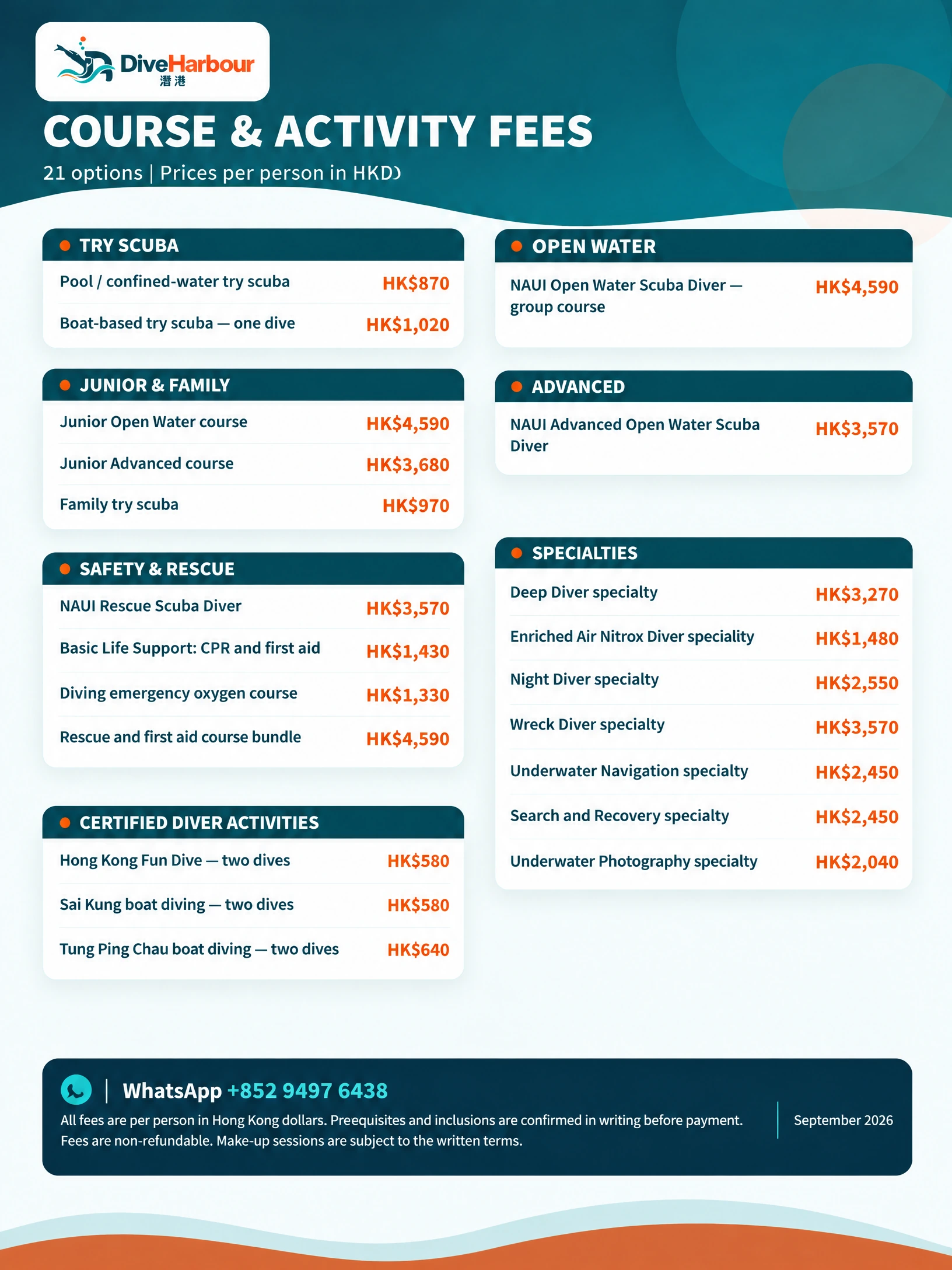
Compare our published course and activity fees before choosing your next step. All prices are per person in Hong Kong dollars.
Before you book, we confirm prerequisites, materials, certification, equipment, venue and boat arrangements in writing. Ask us about fees for courses not listed here.
Read the Sai Kung diving Hong Kong guide to learn about the setting, then explore the Sai Kung scuba diving course page. Certified divers can use our Hong Kong fun dive guide to check experience requirements and activity arrangements. Locations remain subject to weather and sea conditions.
Explore the responsibilities and entry requirements in our Divemaster course Hong Kong guide, then review the scuba instructor course Hong Kong route. Professional training differs from recreational progression, so confirm experience requirements and assessment arrangements first.