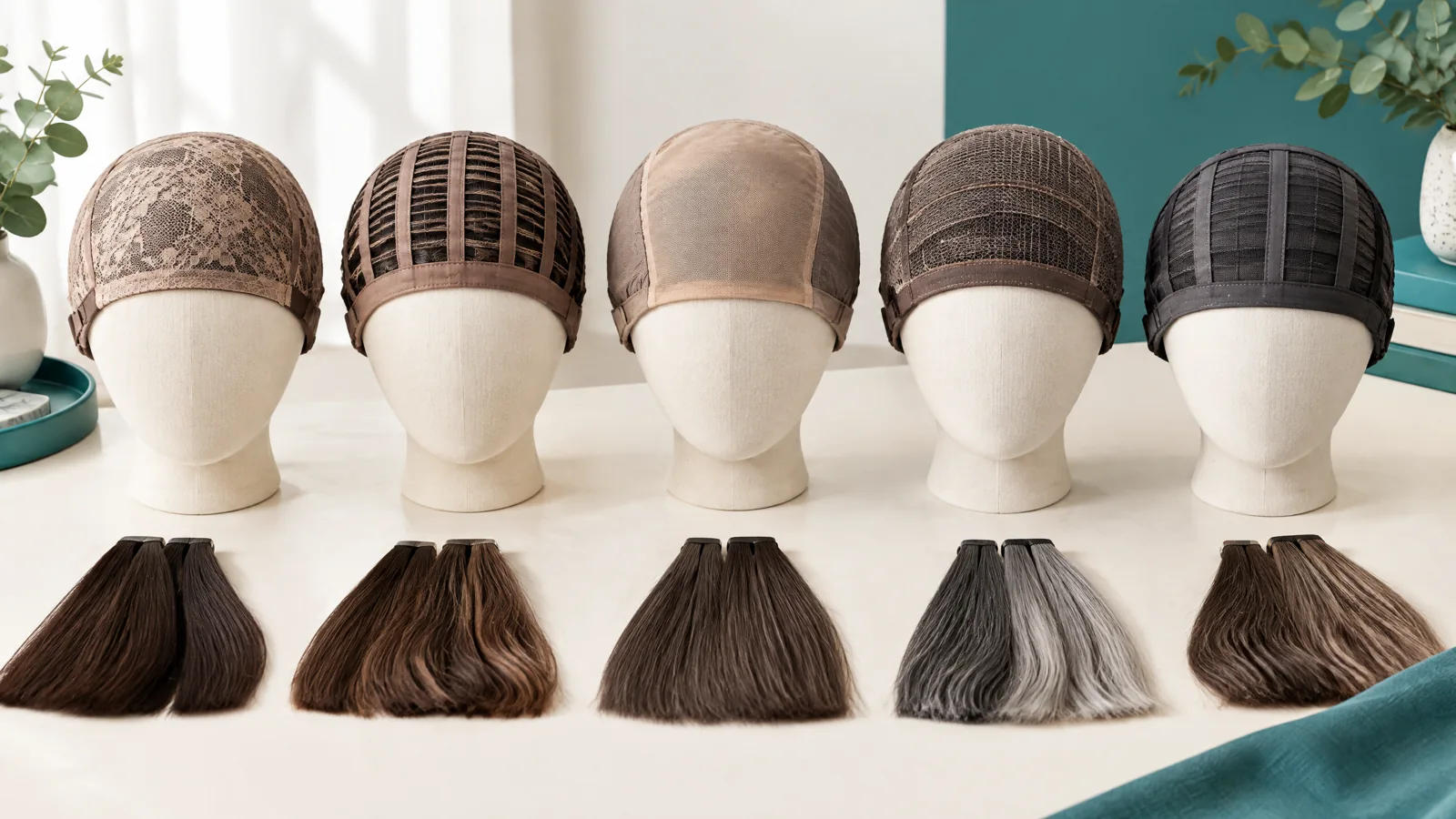
Start with fit. Check the circumference, front-to-back position, side-to-side balance, ear tabs, and nape. A cap that feels loose may move as you walk, while one adjusted too tightly may create pressure that becomes noticeable later. Do not solve either issue by inventing a fastening method. Ask what adjustments the manufacturer permits.
Next, sit, stand, turn your head, and look down as you would at the event. Notice heat, itch, pressure, scratchy edges, and any distraction from the hairline. A mirror check can cover appearance, but it cannot replace a quiet pause. If the fitting is brief, say so and ask how to assess comfort without making assumptions about extended wear.
Keep a topper and a full wig as separate choices. A topper adds coverage or volume to thinning hair on top, while a full wig covers the entire head. The American Cancer Society lists them as different styles, so compare the coverage you want with the uncovered areas you are comfortable managing. hair topper vs wig can support that distinction, but it cannot decide your event plan. [1]
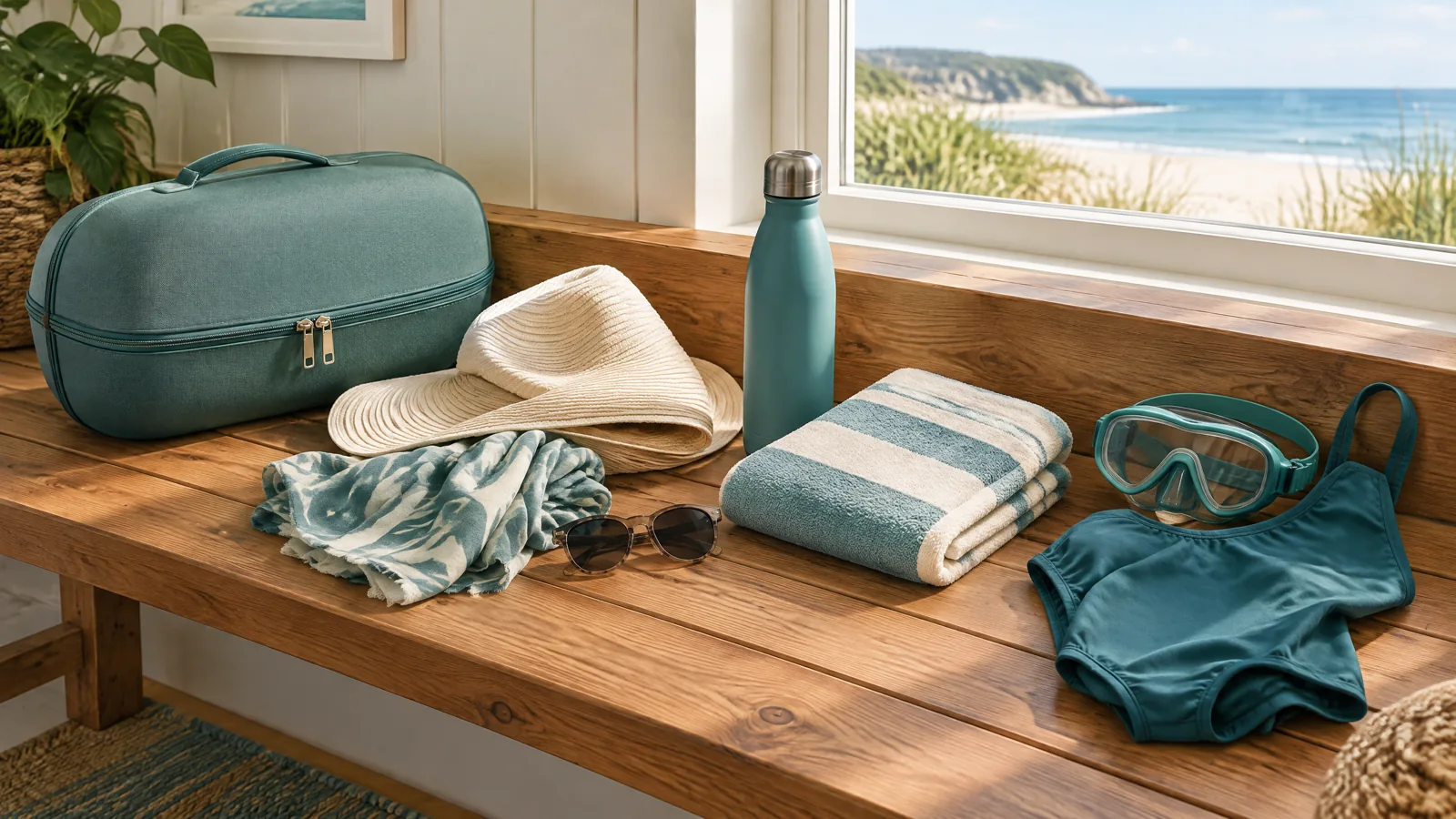
For a shore portrait, also test the visual conditions that matter to you. Look at the front, parting, and crown in ordinary indoor light, then ask how you will check the result in daylight. A natural-looking edge and a comfortable cap are separate outcomes. One should not be used to claim the other.