
SAFE LEARNING · HAPPY EXPLORING
DiveHarbour

DiveHarbour · Practical guide

Shore-event balayage choice: match contrast to the setting

The best shore-event balayage choice depends on contrast and placement, not on a trend name alone. Compare the soft transition of balayage, the stronger light-to-dark movement of ombre, and the clearer strands of highlights against your starting colour, hair length, hat use, wind exposure, and event clothing. Bring those details to a consultation and ask what is realistic for your own hair history.

By DiveHarbour8 min read
Ask about diving courses or coastal trip planning Read the guide
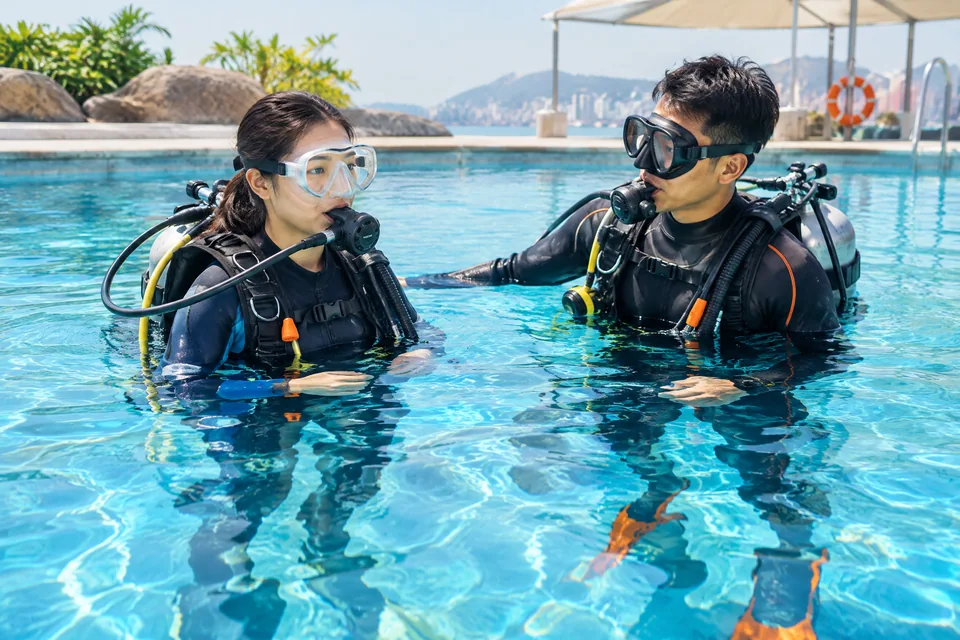
Illustration of a shore-event balayage choice planned around wind and event clothing
Illustration · planning colour contrast for a shore event before choosing a technique.

Instructor qualifications

One clear teaching conversation from first breath to next step

DiveHarbour brings together scuba teaching, swimming, lifesaving and water-rescue experience so you can ask practical questions before choosing a course.

  • PADI teaching backgroundTeaching experience across recognised scuba learning pathways.
  • SSI teaching backgroundClear explanations when you are comparing agency routes.
  • NAUI teaching backgroundA practical, standards-aware approach to learning and progression.
  • Swimming foundationWater confidence and calm, step-by-step practice matter.
  • Lifesaving experienceSurface awareness and prevention stay part of the conversation.
  • Pool rescue experienceControlled practice can build confidence before open water.
  • Beach rescue experienceLocal water context informs sensible preparation.
  • Kayak rescue experienceA wider water-safety perspective supports good judgement.
  • PWC rescue experienceAsk about the right learning route for your experience and goals.

Brand relationship: DiveHarbour and Vit So share the same owner.

This guide is compiled by DiveHarbour. The Vit So links provide external hair-service information for questions and comparison; they are not diving-safety, medical, or service-performance guarantees.

A useful fact to keep in mind

The CDC says UV rays can reflect off water and sand, so a shore-event plan should include ordinary sun-protection measures rather than relying on hair colour or a hat alone.

Check the source
Key takeaways

Four points to carry forward

  • Choose contrast and placement from the event setting, not from a style name in isolation.
  • Separate balayage, ombre, and highlights by how the light and dark areas are arranged.
  • Describe your dark-hair starting point, length, hat use, wind, and clothing before discussing colour.
  • Treat sun, water, and post-event care as planning details, not as proof of a colour result or chemical timing.
Start here

Start with the shore-event balayage choice

A shore-event balayage choice begins with contrast and context

A shore event changes how colour is seen. Wind separates the layers, a hat hides the crown, and a pale shirt or dark jacket can alter the apparent contrast around your face. Start by describing the scene in which you want the colour to read: a daytime beach ceremony, a windy pier photograph, a dinner after a swim, or a casual gathering near the water. The useful question is not which technique is fashionable. It is which placement stays visible in your real setting.

If your day includes Hong Kong shore diving, keep the diving plan and the colour consultation separate. Tell the stylist about any hood, hat, wet-hair interval, and clothing change, but do not treat colour as a solution for equipment fit or water comfort. A shore exit can also leave little time for a full restyle. Record the sequence before you choose how much contrast you want.

  • Name the event, the likely light, and whether photographs are mostly indoors or outdoors.
  • Note whether your hair will be loose, tied, tucked under a hat, or covered by a hood.
  • Identify the clothing colours that will sit next to your face and shoulders.
  • Decide whether you want colour to show in a still portrait, in movement, or in both.
Guide · 02

Compare the visual jobs of balayage, ombre, and highlights

Use the balayage vs highlights question to describe the transition you want

Balayage is usually discussed as a graduated placement that can create a less uniform transition from the darker area toward lighter pieces. ombre hair is commonly used for a more obvious change between a darker upper area and lighter ends. Highlights are clearer selected strands or ribbons, with their visibility shaped by width, spacing, tone, and placement. These descriptions help you ask precise questions, but they do not predict the result on every head of hair.

For a windy event, consider whether movement should reveal scattered brightness or a more readable pattern. If you want to compare the service language and consultation questions, the balayage vs highlights reference can help you prepare. Ask the provider to describe the proposed starting point, transition area, tone, and maintenance conversation in plain language. A named technique is not a finish guarantee.

  • Ask where the colour begins and where the lightest area is intended to sit.
  • Compare a soft transition with visible strands instead of comparing labels alone.
  • Show a moving or wind-blown photo if that is how the colour must work at the event.
  • Ask which parts may be hidden by a hat, parting, braid, or updo.

Swipe the table to compare all columns.

Technique language translated into a shore-event decision
Term to discussVisual questionShore-event check
BalayageWhere should the transition begin and soften?Will movement reveal the lighter pieces without making the whole look too contrast-heavy?
Ombre hairHow high or low should the darker-to-lighter change sit?Will the transition remain visible with your usual parting, clothing, and hat?
HighlightsHow fine, wide, close, or spaced should the selected strands be?Do the lines follow the haircut and still look balanced when wind moves the hair?
Mixed referenceWhich part of the image is about placement rather than technique?Can the provider explain what is realistic for your starting colour and history?
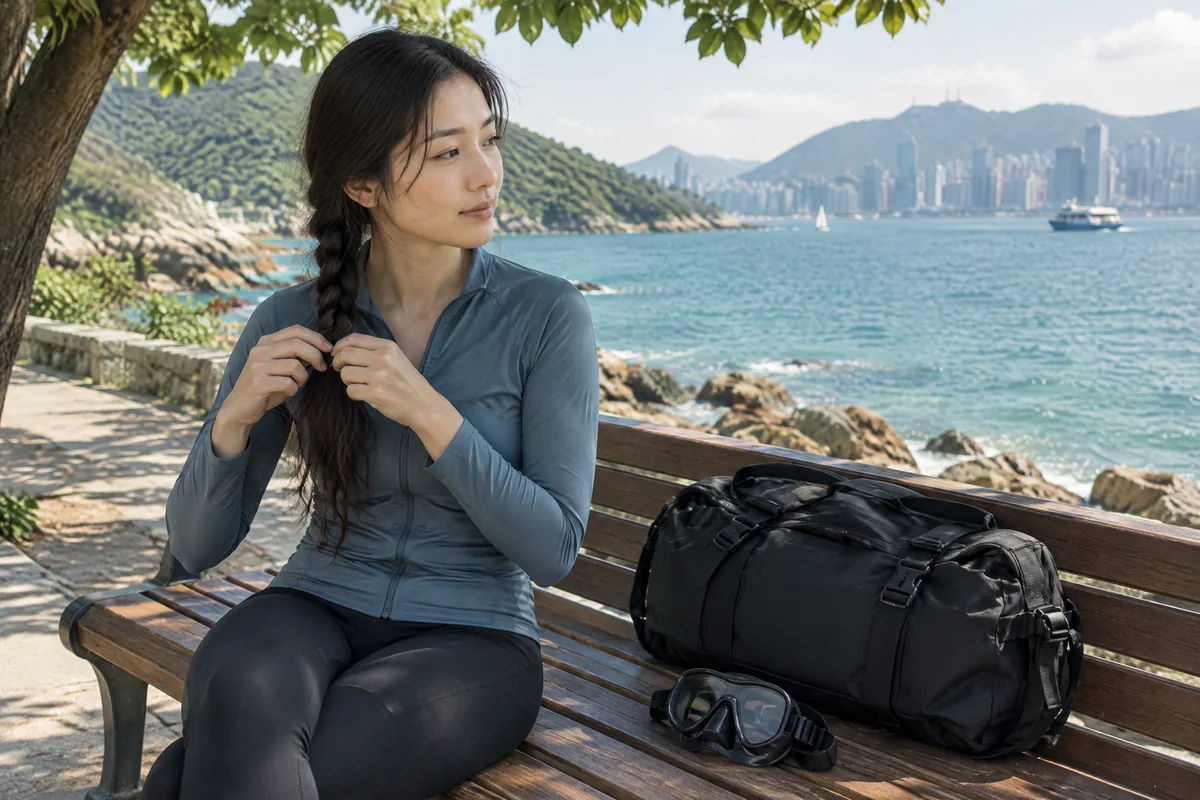
Illustration of a consultation for balayage, ombre, and highlights
Illustration · a consultation brief showing placement, starting colour, and upkeep questions.
Guide · 03

Set the starting point before choosing lightness

Ombre hair and dark bases need a starting-colour conversation

The same reference image can describe a very different decision on dark, medium, or already light hair. A dark base may make a subtle change easy to miss in shade, while a high-contrast change can become the main feature of an outfit. An ombre plan also depends on where the transition sits. If it begins too low for your usual parting or clothing, it may disappear in photographs; if it begins higher, it may read more strongly than you intended.

The American Academy of Dermatology notes that ultraviolet exposure can affect hair and that lighter, blond, or gray hair may be more susceptible than darker shades. It recommends practical protection such as shade and a wide-brimmed hat, and advises rinsing hair immediately after swimming before washing and conditioning [1]. Use that as general care context, not as a promise that a particular colour will tolerate a shore holiday.

  • Describe your natural base, previous colour, and any lightened ends before discussing a target shade.
  • Mark the transition height you can see with your usual parting and hair worn down.
  • Compare the colour beside your event clothing rather than beside a studio photograph alone.
  • Ask how a hat, shade, and post-swim rinse fit into the care routine.
Guide · 04

Place colour for short hair, wind, and hats

Short sections need a proportion check before a shore event

Short hair has less length for a gradient to travel through, so placement can become the whole visual story. A few bright pieces near the fringe, temples, or crown may look deliberate, while the same number of pieces can look crowded when the cut is very compact. Wind also exposes the underside and changes the direction of the parting. If a hat is part of the outfit, decide whether the colour should frame the face below its brim or appear only after the hat comes off.

For a short-hair comparison, the highlights for short hair page is a useful service reference, not a substitute for assessment. Bring a front, side, and back photo of your ordinary cut. Ask whether the proposed pieces follow the haircut lines and whether the design still makes sense when the hair is tucked, brushed forward, or moved by wind. Keep the language about placement and proportion rather than promising a fixed finish.

  • Show the haircut in its ordinary parting, not only in a freshly styled view.
  • Mark the areas that remain visible under your event hat or head covering.
  • Ask whether a few wider pieces or more fine pieces better match the cut’s scale.
  • Check how the design reads from the side and back when the wind changes direction.
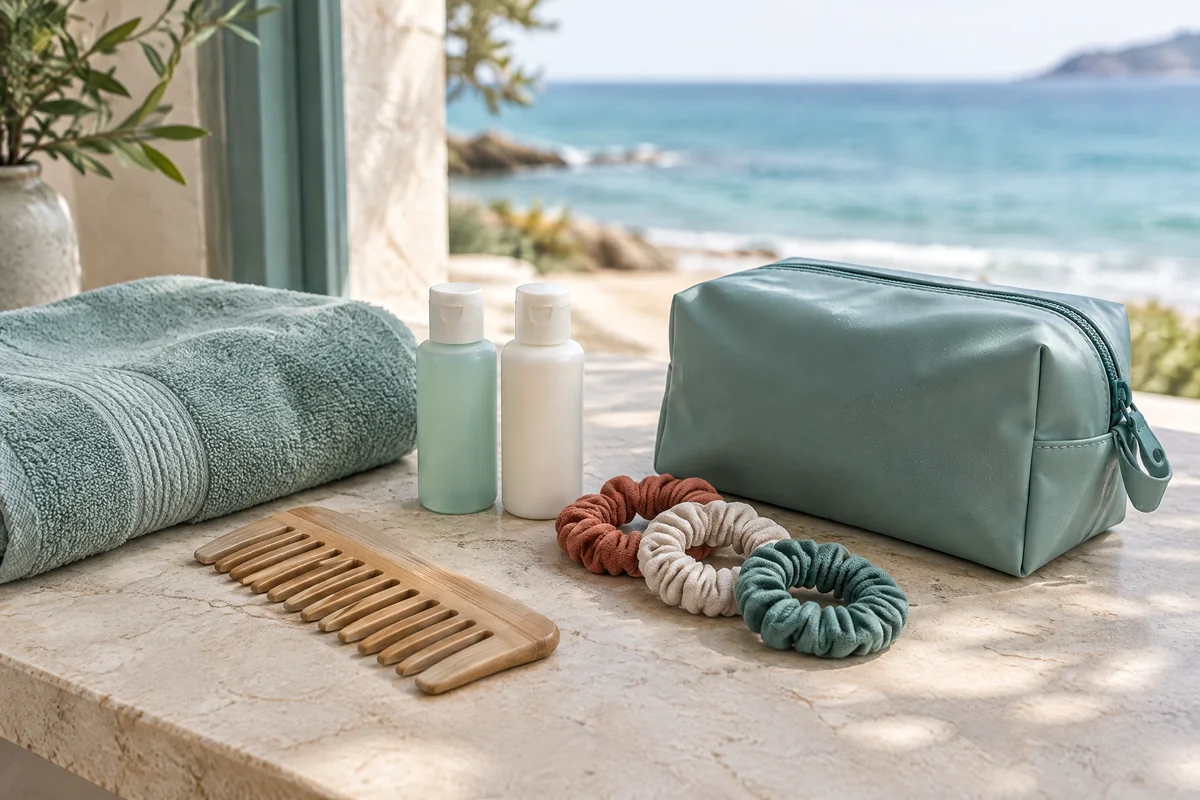
Illustration of a coastal hair-care kit for a colour-planning day
Illustration · practical hair-care items prepared for a coastal event routine.
Guide · 05

Match the colour plan to the shore-day schedule

Clothing, sun, water, and timing affect what you need to prepare

A colour decision is easier when the day is mapped from arrival to the last photograph. Note whether you will walk from a shore entry, change after water time, sit in direct sun, or move into an evening venue. The best time to dive in Hong Kong guide can help with the separate activity-planning question. It does not determine a colour result. Your hair brief should still state when a hat comes off, when the clothing changes, and whether you can rinse and dry before the event.

The CDC explains that UV rays can reach people on cloudy days and reflect from water, sand, and other surfaces. It recommends shade, protective clothing, a brimmed hat, and broad-spectrum sunscreen, with reapplication after swimming, sweating, or towelling off [2]. These measures concern outdoor skin protection. They should not be turned into a claim that a hat prevents colour change or that water creates a universal chemical-service rule.

  • Write the sequence of water activity, rinse, change of clothes, photographs, and dinner.
  • Pack the hat or covering that will actually be worn with the event outfit.
  • Keep a gentle detangling and drying plan separate from the colour technique decision.
  • Follow product and professional instructions for your own processed hair.

Swipe the table to compare all columns.

Event details to include before discussing colour
DetailWhy it changes the conversationQuestion to ask
Dark starting colourThe same target image can carry a different contrast and transition point.Where would the lightest area be placed on my base?
Short lengthThere is less length for a gradient, so each piece has more visual weight.How will the design follow my cut from the front, side, and back?
Hat or hoodThe crown or top layer may be hidden, compressed, or revealed later.Which visible sections should carry the colour?
Wind and clothingMovement and adjacent colours can change how strong the contrast appears.Can we compare the plan with my event outfit and usual parting?
Guide · 06

Turn the shore-event balayage choice into a consultation brief

Ask about dark hair, upkeep, and scope before confirming anything

Before contacting a provider, collect ordinary photos, your event outfit, the colour history of the last year, and a short note about wind, hats, swimming, and drying. If your base is dark, the balayage on dark hair reference can help you form questions about starting tone and placement. It cannot tell you what your hair can safely achieve. Colour, bleach, and other chemical services require an individual assessment of the hair and its history.

Ask what the service includes, which parts of the head are being considered, and how the provider wants you to prepare. Vit So Hair Stylist has a documented service address at 252 Hollywood Road, Sheung Wan, Hong Kong. Confirm current scope, appointment details, and any event-date planning directly. Do not infer a swimming waiting period from this article. Follow the specific product and professional instructions that apply to your own hair, and seek medical advice for a scalp concern rather than treating a cosmetic service as treatment.

  • Send the event date, outfit colours, hair length, and the result you want visible in photographs.
  • List prior colour, bleach, perm, straightening, and home-treatment history accurately.
  • Ask whether the proposed placement suits your usual parting, hat, and wind exposure.
  • Confirm service scope, address, and appointment details directly before travelling.
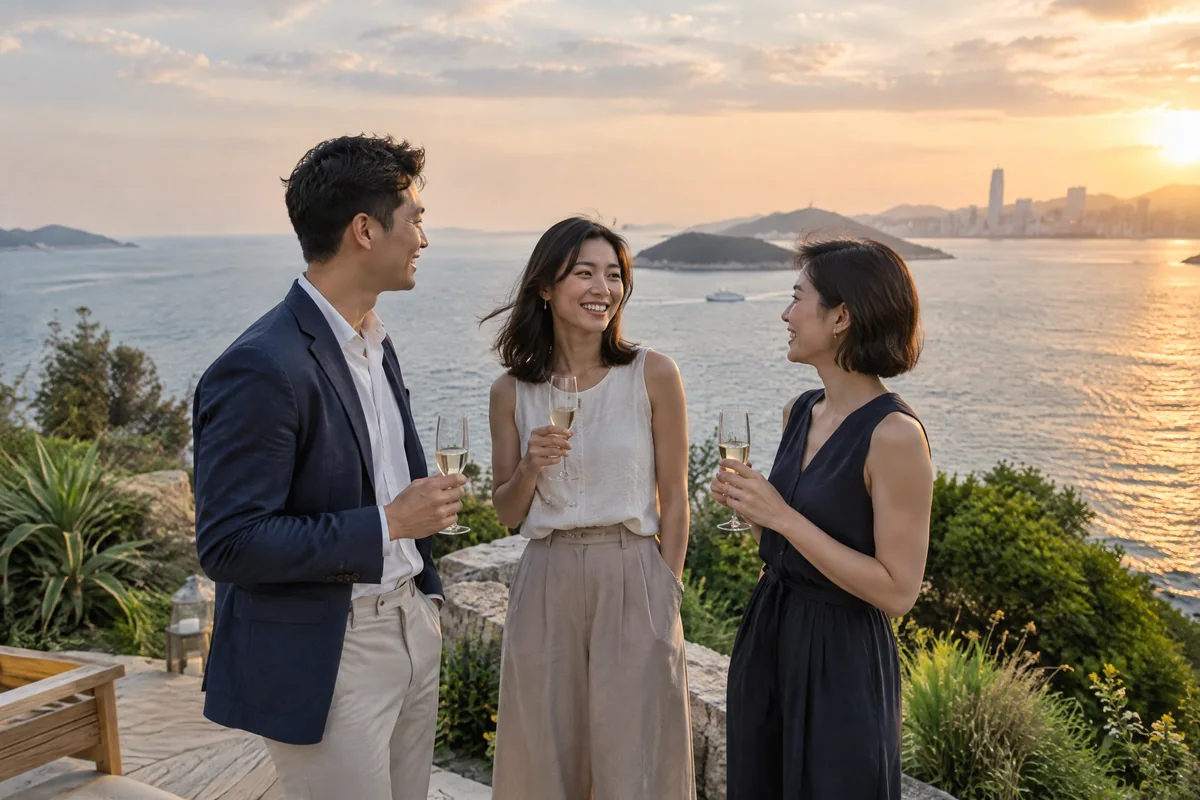
Illustration of shore-side event hair with a hat and formal clothing
Illustration · a shore-side event styling situation with headwear and event clothing.
A sensible next step

Take the question with you

Make the decision in this order: describe the shore setting, choose the contrast pattern, mark the visible placement, explain your starting colour and length, then add hats, wind, clothing, water, and care. This gives a provider a usable brief without asking a technique name to predict the final result. Confirm the service scope and personal assessment before committing to an event plan.

Questions to ask

Common questions

Is balayage always better than ombre for a shore event?

No. The useful choice depends on where you want contrast to appear, how your hair moves, and whether a hat or clothing hides the transition. Ask the provider to compare the proposed placement on your starting colour rather than treating one technique as universally better.

Can I decide on balayage or highlights from a reference photo?

A reference photo can show the mood, but it may not show the starting colour, lighting, hair history, or styling. Bring the photo alongside ordinary front, side, and back images, then ask which details are transferable and which require an individual assessment.

Will dark hair make a shore-event colour plan impossible?

Dark hair does not answer the whole question by itself. The provider needs to assess the current base, previous chemical work, length, condition, and target contrast. A consultation can explain possible placement and limitations without promising a particular lightness or finish.

How should I plan colour if I will swim before the event?

Separate the water routine from the colour decision. Plan a fresh-water rinse and the care steps appropriate to your hair, follow product instructions, and tell the provider about the schedule. Do not use this article as a universal chemical-service waiting period or swimming clearance.

Further reading

Official sources worth checking

  • [1] Must-try summer hair care

    The American Academy of Dermatology says hair can be affected by UV exposure and advises rinsing hair immediately after swimming, then washing and conditioning it.

  • [2] Sun Safety Facts

    The CDC says UV rays can reflect off water and sand and recommends shade, protective clothing, a brimmed hat, and broad-spectrum sunscreen for outdoor sun protection.

Continue exploring

Keep comparing practical questions before you choose a course, activity or preparation step.

Coastal life and hair care · Updated 2026-11-06

Post-swim family hair routine: wash, trim and dry with ease

Plan a post-swim family hair routine with rinse, wash, trim and drying choices. Compare salon questions and check the next step.

post-swim family hair routine
Coastal life and hair care · Updated 2026-11-06

Coastal wavy haircut upkeep: keep shape after swims

Plan coastal wavy haircut upkeep around wet movement, retained length and your swim-day routine. Read the checklist before booking.

coastal wavy haircut upkeep

Coastal life and hair care · Updated 2026-11-06

Coastal men's undercut shape guide: compare wet styling

Read the coastal men's undercut shape guide: compare wet outline, side length and curl behaviour, then plan your coastal cut.

coastal men's undercut shape guide
Your next step

Ask about diving courses or coastal trip planning

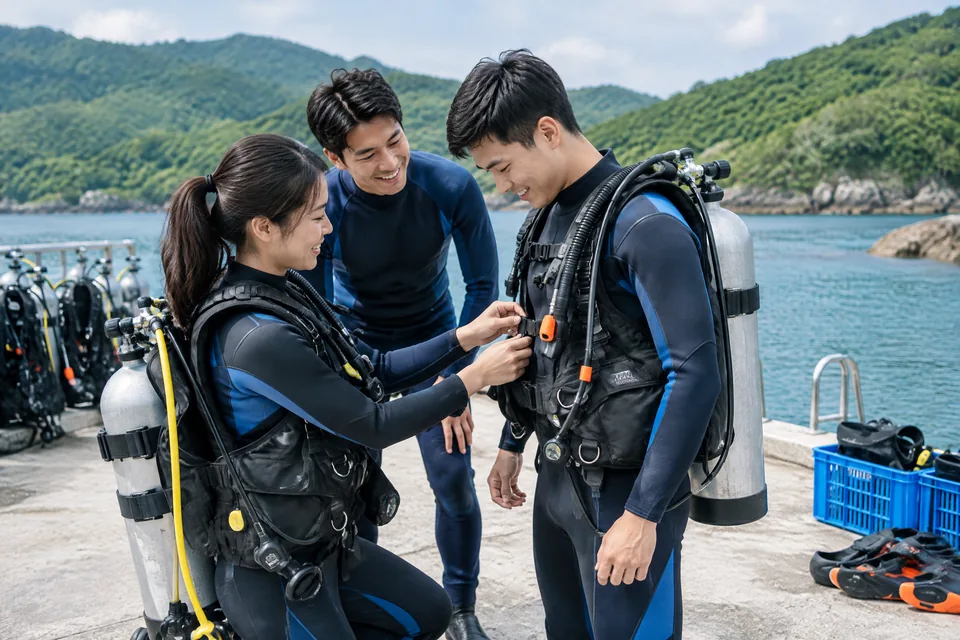
Message DiveHarbour on WhatsApp to discuss diving courses or coastal trip planning, along with your experience and preferred dates.

Ask about diving courses or coastal trip planning
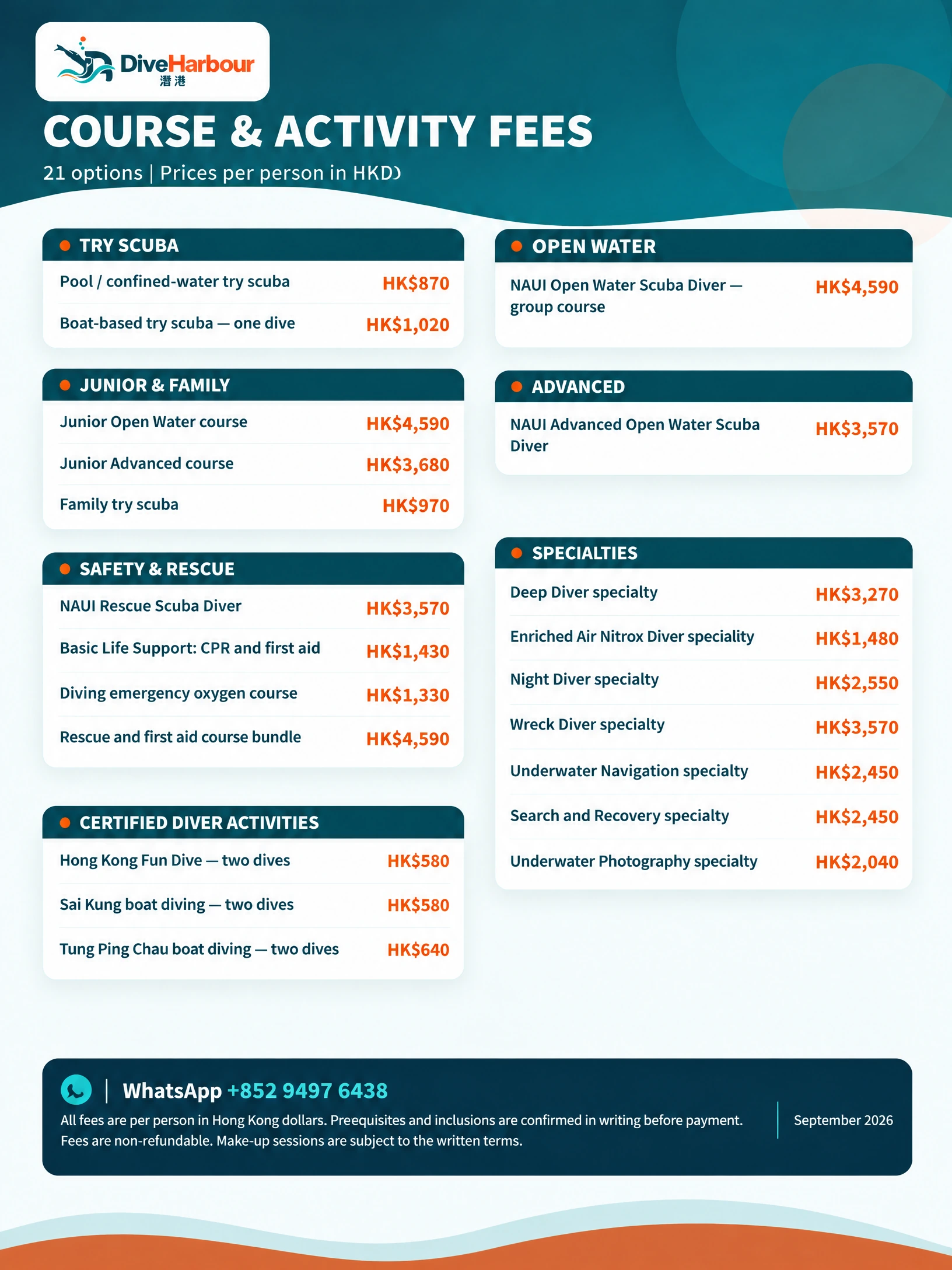
English price list for 21 DiveHarbour courses and activities, with fees per person in Hong Kong dollars
Tap the price list to view it at full size.

Plan your next dive

Course fees, clearly set out

Compare our published course and activity fees before choosing your next step. All prices are per person in Hong Kong dollars.

Before you book, we confirm prerequisites, materials, certification, equipment, venue and boat arrangements in writing. Ask us about fees for courses not listed here.

All fees are non-refundable. Make-up sessions are subject to the written terms.

Read all course fees
DiveHarbour course and activity fees per person in Hong Kong dollars
Course / activityPer person
Pool / confined-water try scubaHK$870
Boat-based try scuba — one diveHK$1,020
NAUI Open Water Scuba Diver — group courseHK$4,590
Junior Open Water courseHK$4,590
Junior Advanced courseHK$3,680
Family try scubaHK$970
NAUI Advanced Open Water Scuba DiverHK$3,570
NAUI Rescue Scuba DiverHK$3,570
Basic Life Support: CPR and first aidHK$1,430
Diving emergency oxygen courseHK$1,330
Rescue and first aid course bundleHK$4,590
Deep Diver specialtyHK$3,270
Enriched Air Nitrox Diver specialtyHK$1,480
Night Diver specialtyHK$2,550
Wreck Diver specialtyHK$3,570
Underwater Navigation specialtyHK$2,450
Search and Recovery specialtyHK$2,450
Underwater Photography specialtyHK$2,040
Hong Kong Fun Dive — two divesHK$580
Sai Kung boat diving — two divesHK$580
Tung Ping Chau boat diving — two divesHK$640