

A useful fact to keep in mind
Hoi Ha Wan Marine Park was designated in July 1996 and covers about 260 hectares, according to Hong Kong’s Agriculture, Fisheries and Conservation Department.
Check the sourcePlan a Hoi Ha Wan boat dive
Match the trip with experience and conditions
A Hoi Ha Wan boat dive is less about chasing a fixed itinerary and more about matching a sheltered coastal setting with the diver in front of us. The bay lies north of Sai Kung West Country Park and is known for coral communities, mangroves and varied marine life. From a boat, you can spend less energy on a long surface approach and more attention on the planned entry, buddy checks and a calm, observant descent. The boat option may therefore appeal to certified divers who want a local marine-park day without assuming that every visit will have identical visibility, current or wildlife.
Before asking for a date, share your certification level, approximate number of recent dives, when you last dived, whether you are comfortable with a boat entry and what you hope to see. A diver returning after a long break may need a gentler refresher conversation than someone diving regularly. Certification is not the same as current readiness, and a site that sounds easy on paper can feel different with wind, surface movement or a busy boat deck. We can discuss those boundaries rather than promise a particular species, depth or underwater route.
If you are comparing locations, start with Hong Kong boat diving to understand the broader boat-based format, then consider whether this bay fits your day. A boat does not remove the need for good buoyancy, a working buddy plan or conservative decisions. The skipper, guide or instructor may adjust the site, postpone entry or call a dive if conditions and diver comfort do not align. That flexibility is part of responsible planning, not a failure to deliver a sightseeing promise.
- Tell us your certification, recent diving and comfort with boat entries.
- Treat weather, sea state, visibility and the final site choice as conditions to be checked, not guaranteed features.
- Bring realistic expectations: marine life is wild, and sightings cannot be promised.

What to consider before visiting Hoi Ha Wan
Discuss access, timing and comfort for the day
Hoi Ha Wan is a protected marine-park environment rather than an ordinary open-water playground. The Agriculture, Fisheries and Conservation Department says the park covers about 260 hectares and that it was designated in July 1996. Its official visitor guidance specifically reminds snorkellers and SCUBA divers not to stand on fragile corals and to follow the Marine Parks Visitors Code and the code for visiting coral sites. Those instructions are practical on every dive: maintain buoyancy, keep fins and gauges clear of the reef, avoid grabbing living surfaces and leave shells, animals and other natural features where they are.
Hoi Ha Wan Marine Park was designated in July 1996 and covers about 260 hectares, according to Hong Kong’s Agriculture, Fisheries and Conservation Department. This official context helps explain why a boat visit should be planned with care.
Access details should be clarified early. Ask where and when to meet, how much time is available for boarding, what equipment is included, whether tanks and weights are arranged, and what you should bring yourself. Boat layouts vary, so mention any mobility, seasickness, medication or exposure concerns when making an enquiry. A small adjustment in timing, seating or preparation can make the day more comfortable. Do not wait until boarding to disclose a concern that could affect a safe plan.
For a land-based comparison, read about Hoi Ha Wan diving and then compare it with the boat approach. A shore start may suit a diver who values a slower setup and easy retreat, while a boat can offer direct access to an agreed offshore point. Neither format is automatically better. Tide, wind direction, traffic, restrictions, group mix and the day’s operational plan can all change what is sensible.
- Check meeting, boarding, equipment, tank, weight and return arrangements before confirming.
- Follow current Marine Parks visitor guidance and protect coral with careful buoyancy and trim.
- Raise seasickness, mobility, health or comfort questions in advance; seek medical advice for personal medical concerns.

A considered local boat-diving enquiry
Clarify your goals before confirming arrangements
A useful enquiry is specific without pretending to know the sea conditions in advance. Tell DiveHarbour whether you want a relaxed marine-life observation dive, a chance to practise confidence after a break, a photography-minded outing or simply a local day on the water. If you are travelling with mixed experience, explain who is certified, who is a beginner and who may prefer to stay on the surface. The answer may be a different arrangement for each person rather than one ambitious plan for the whole group.
For divers travelling through Sai Kung, Sai Kung boat diving gives useful context for comparing departure patterns and expectations. If your priority is a particular wall, coral area or depth, say so, but keep the request open to a suitable alternative. We can discuss whether your certification and recent practice fit the intended plan, what supervision is sensible and whether a refresher or training route should come first. We do not treat a message as automatic confirmation of a site, vessel, date or wildlife encounter.
The clearest next step is to send a short message with your preferred dates, diver names or group size, certification agency and level, last dive, equipment needs and any relevant comfort questions. You can also ask how a Hoi Ha Wan boat dive differs from Hoi Ha Wan shore dive before choosing. A transparent conversation helps everyone understand what is known, what remains weather-dependent and what must be reconfirmed on the day.

Choose the right format for your group
Use the comparison to make a practical decision
A local dive day can serve different purposes, so decide what matters most before comparing quotes. Certified divers looking for efficient access may prefer a boat. A nervous or recently inactive diver may value a slower, more supported plan. A mixed group may need separate expectations, with some people diving and others enjoying the surface environment. The point is not to force everyone into the same product; it is to select an arrangement that respects ability, comfort and the marine park.
The table below is a conversation starter rather than a promise of availability. Ask which format is actually operating, what is included and whether a different site or date is more appropriate after the conditions are checked.

Prepare responsibly for Hoi Ha Wan
Protect the reef and make the boat day easier
Pack the essentials you have been asked to bring, including swimwear, a towel, sun protection, drinking water and any personal seasickness preparation you normally use. Keep valuables minimal and use a dry bag where appropriate. On the boat, listen to the briefing, secure loose items, move carefully around cylinders and wait for instructions at entry and exit. Underwater, stay with your buddy or assigned group, monitor your own comfort and communicate early rather than trying to complete a planned route at any cost.
The marine park is valuable precisely because it supports living habitats. AFCD notes the importance of coral communities and asks visitors to avoid damaging natural habitats. Do not touch, chase or feed wildlife; do not collect souvenirs; and do not anchor or handle the reef inappropriately. A good photograph begins with distance, patience and stable buoyancy, not contact. If visibility drops or the group becomes separated, the right response is to follow the agreed plan and surface or regroup as instructed, not to improvise a search.
Families and non-divers can also enjoy the coastal setting, but a certified boat dive should not be presented as a casual activity for an unqualified participant. If someone wants to try scuba, ask about an appropriate introductory option and prerequisites instead of placing them into a certified-diver trip. For a different regional comparison, Tung Ping Chau boat dive may suit a later enquiry, but it is not a substitute for checking Hoi Ha Wan’s conditions and access on your chosen day.
- Use three simple habits: listen at the briefing, protect the reef and communicate early.
- Keep wildlife encounters passive; never touch, feed, chase or collect marine life.
- If a participant is not certified, ask about a suitable introductory route before booking.

What happens after you enquire
Confirm the details in writing
After receiving your message, the useful exchange is a practical one: what you want to do, whether your experience matches, what equipment and supervision are needed, and which arrangements are available. Before paying or travelling, check the confirmed meeting point, date, estimated timing, inclusions, cancellation terms and the process for weather or operational changes. If any part is still provisional, treat it as provisional. A written summary reduces misunderstandings for both the diver and the operator.
Prices are not shown here because a local boat enquiry can depend on the final arrangement, equipment and group details. Ask for the current written quotation rather than relying on an old message or an assumed comparison with another site. Fees are non-refundable unless the written terms say otherwise; make-up sessions or alternative dates are available only where those written terms permit them, and no reschedule date is guaranteed.
If you are deciding between sites, mention the alternatives openly. A conversation about Hoi Ha Wan boat dive can include whether Sai Kung boat diving or the shore option better matches your group. The best booking is the one that leaves you informed, comfortable and ready to respect the marine park—not the one that makes the biggest promise.
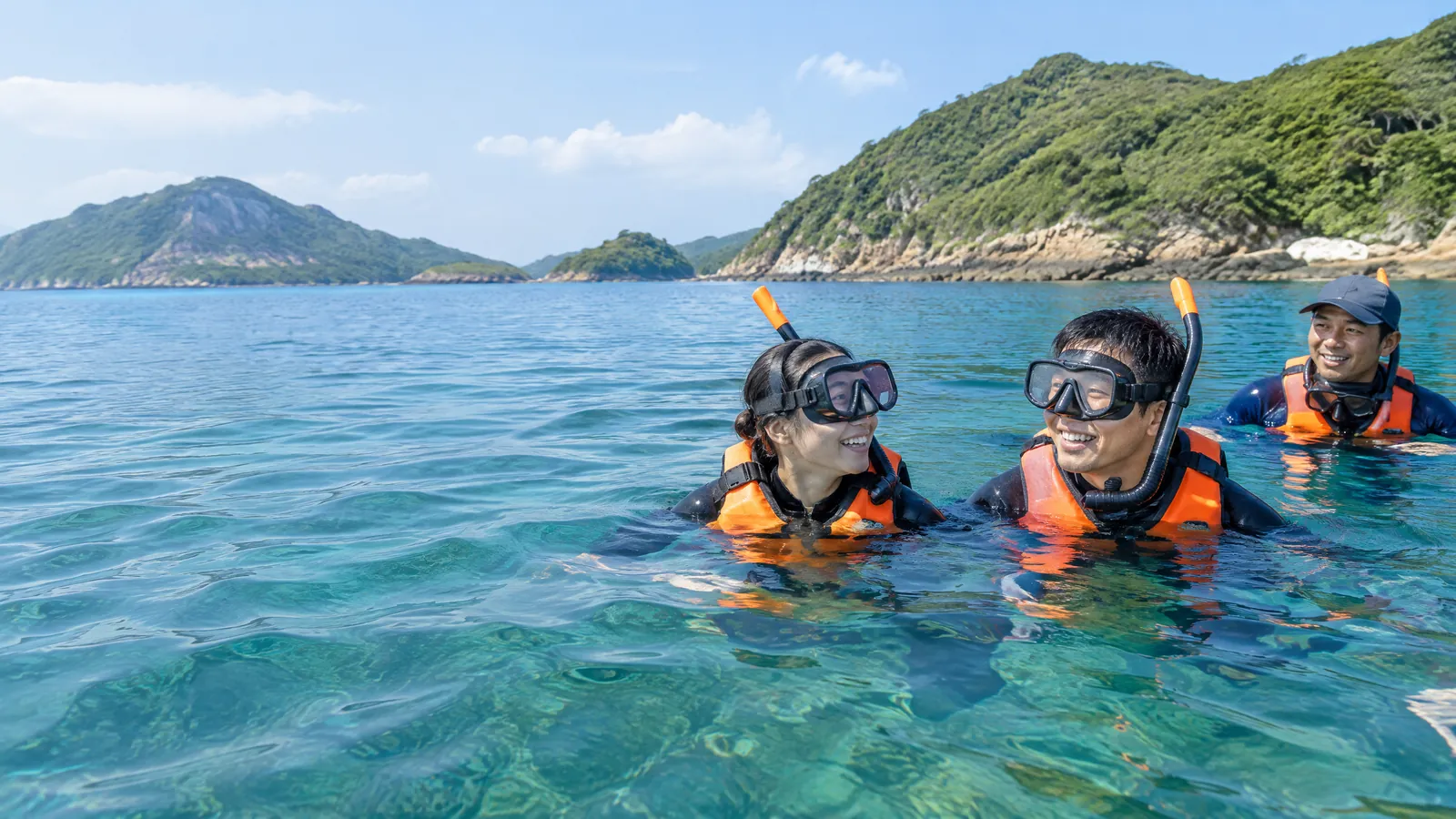
Compare common ways to plan a Hoi Ha Wan day
| Option | Best for | Check before confirming |
|---|---|---|
| Boat dive | Certified divers wanting direct water access | Certification, recent diving, boat entry, weather and equipment |
| Shore-based plan | Divers who prefer a slower land setup | Walking, entry conditions, equipment transport and suitability |
| Introductory experience | A non-certified person exploring scuba for the first time | Age and health requirements, supervision, confined-water preparation and available format |
Hoi Ha Wan Boat Diving — common questions
Who is a Hoi Ha Wan boat dive suitable for?Toggle answer
It may suit certified divers whose experience, recent practice and comfort match the planned conditions. DiveHarbour can discuss your certification, aims and questions before suggesting whether this boat-based option is appropriate for your enquiry.
What should I discuss before arranging a boat dive at Hoi Ha Wan?Toggle answer
Ask about the intended site experience, meeting and boarding arrangements, timing, equipment, conditions, supervision and what is suitable for your experience level. Marine-park requirements and responsible conduct should also be understood before plans are confirmed.
Can I expect to see coral or particular marine life?Toggle answer
Hoi Ha Wan is recognised for diverse marine life and coral communities, but wildlife and visibility are natural variables. You can plan to observe respectfully, but no particular species, encounter, depth or underwater route can be guaranteed.
Are fees refundable, and can I automatically move to another date?Toggle answer
Fees are non-refundable unless the written booking terms state otherwise. Make-up sessions or alternative dates are available only where those written terms permit them; a reschedule date is not guaranteed. Ask for the applicable terms before confirming payment.
Take the question with you
Send DiveHarbour your certification, recent diving history, preferred dates, group details and any comfort or equipment questions. We can then discuss whether a Hoi Ha Wan boat dive, a shore-based option or another local arrangement makes sense, while keeping the final plan subject to conditions, marine-park guidance and written confirmation.
Sources worth checking
- Agriculture, Fisheries and Conservation Department: Hoi Ha Wan Marine Park
AFCD states that Hoi Ha Wan Marine Park was designated in July 1996, covers about 260 hectares, and asks divers not to stand on fragile corals and to follow Marine Parks visitor and coral-site codes.
- AFCD Marine Parks Visitors Code
The official visitor code provides conduct guidance for people visiting Hong Kong marine parks.
Useful next reads for your plan
If you are still comparing routes, these related pages give you practical questions to bring into your next conversation with an instructor.
Put your plan into practice
Useful planning guides
Hong Kong shore dive logistics: a practical day plan
Use this Hong Kong shore dive logistics worksheet to compare practical options, check key decision points, and confirm current details with DiveHarbour.
Hong Kong shore dive logistics
