

A useful fact to keep in mind
Use this 5-fact enquiry checklist: current agency and certification level, first aid award and expiry, recent teaching or rescue experience, preferred language, and intended professional outcome.
First aid certification before a dive assistant instructor course
Separate first aid training from professional teaching credentials
First aid certification before a dive assistant instructor course is best viewed as one layer of preparation, not a shortcut to a professional teaching rating. A CPR, emergency first aid or oxygen-awareness certificate may show that you have practised responding to an incident, while an assistant instructor course assesses a much wider set of abilities: dive knowledge, in-water control, supervision, communication, judgement and the standards of the chosen training organisation. Keep those two outcomes separate when planning your next step.
The useful question is not simply, ‘Do I have a card?’ Ask what the card authorises you to do, who issued it, when it expires and whether the professional programme accepts it. Names can be confusing: Basic Life Support, EFR, CPR and first aid may overlap in everyday conversation but differ in curriculum, assessment and renewal rules. A provider should be able to compare your certificate with its current prerequisite list before you pay or commit to dates.
DAN explains that its first aid courses prepare people to manage injuries related to scuba diving and injuries in other settings, while its operational courses address broader risk mitigation for dive professionals. That distinction is a useful model: first aid builds incident-management skills; instructor training adds the responsibility of teaching, supervising and working within a defined standard. Read the Basic Life Support CPR and First Aid course Hong Kong page if you need to refresh core skills, then ask which award is appropriate for your intended pathway.
- Record the issuing organisation, course title, certificate number and expiry date.
- Check whether the course included hands-on assessment rather than attendance only.
- Do not present a first aid certificate as evidence that you hold an assistant instructor rating.

How to prepare for a first aid instructor course
Review prerequisites, practice and teaching expectations
If you are researching how to prepare for a first aid instructor course, begin with an honest skills audit. Can you explain the emergency-response sequence calmly? Can you recognise when the situation is beyond your training and activate local emergency support? Can you demonstrate CPR and use training equipment under an assessor’s observation? The aim is not to memorise impressive terminology. It is to arrive ready to learn how to teach a safe, repeatable process and to receive correction without defensiveness.
Next, request the current prerequisite sheet from the provider. Confirm the minimum age, prerequisite first aid award, validity period, language of instruction, practical assessment format and any teaching or dive experience expected. These requirements vary by organisation and can change, so an old forum post or a friend’s experience is not enough. If you hold a certificate from another agency, send a clear copy and ask for written confirmation of acceptance.
Preparation also includes teaching practice. Explain a simple first aid concept to a non-diver in plain English, then ask them to repeat the key action back to you. Practise setting up a clean training space, checking consent and privacy, giving concise demonstrations, and pausing when a learner is confused. An aspiring instructor should be comfortable saying ‘I need to check that’ rather than improvising a medical answer. The EFR Instructor course Hong Kong page can help you identify the difference between an instructor-level first aid route and a dive leadership route.
- Bring your current certificate and any renewal record to the consultation.
- Practise demonstrations with a manikin or approved training aid, not on a real casualty.
- Ask how feedback, remediation and re-assessment are handled before enrolment.

Choosing the next step in your dive education
Check the route with a qualified training provider
The right next step depends on the gap you have identified. Someone with no current first aid award may need a learner-level course first. Someone with a valid award but little confidence may benefit from a refresher and realistic scenario practice. Someone already teaching first aid may be ready to ask about instructor development. Meanwhile, a diver seeking an assistant instructor qualification may need to complete dive leadership prerequisites that are entirely separate from emergency training.
A qualified provider should discuss your complete pathway rather than push the most advanced-sounding course. Ask whether your planned assistant instructor programme is affiliated with PADI, SSI, NAUI or another organisation, and which organisation will issue the credential. Confirm who evaluates your diving, who evaluates your teaching and which parts are outside the provider’s scope. A coach may describe their own PADI, SSI and NAUI teaching experience, plus swimming, lifesaving, pool, beach, kayak and PWC rescue qualifications, but that does not remove the need to meet the issuing organisation’s current rules.
If your immediate goal is an accessible first aid foundation, compare the first aid course Hong Kong option with the EFR CPR and first-aid course Hong Kong information. The course title alone is not enough: compare skills covered, assessment, certificate validity, renewal and how each fits your intended assistant instructor application.

Build a practical readiness plan
Turn a certificate into dependable habits
A certificate is most useful when it supports sound habits before, during and after training. Start a small portfolio: a copy of your award, renewal dates, notes from practice sessions, questions for your assessor and a record of any dive leadership experience. Keep personal medical information private and share it only through the appropriate professional process. Do not self-diagnose fitness to dive from a first aid class; health declarations and clinical decisions belong with the relevant healthcare professional.
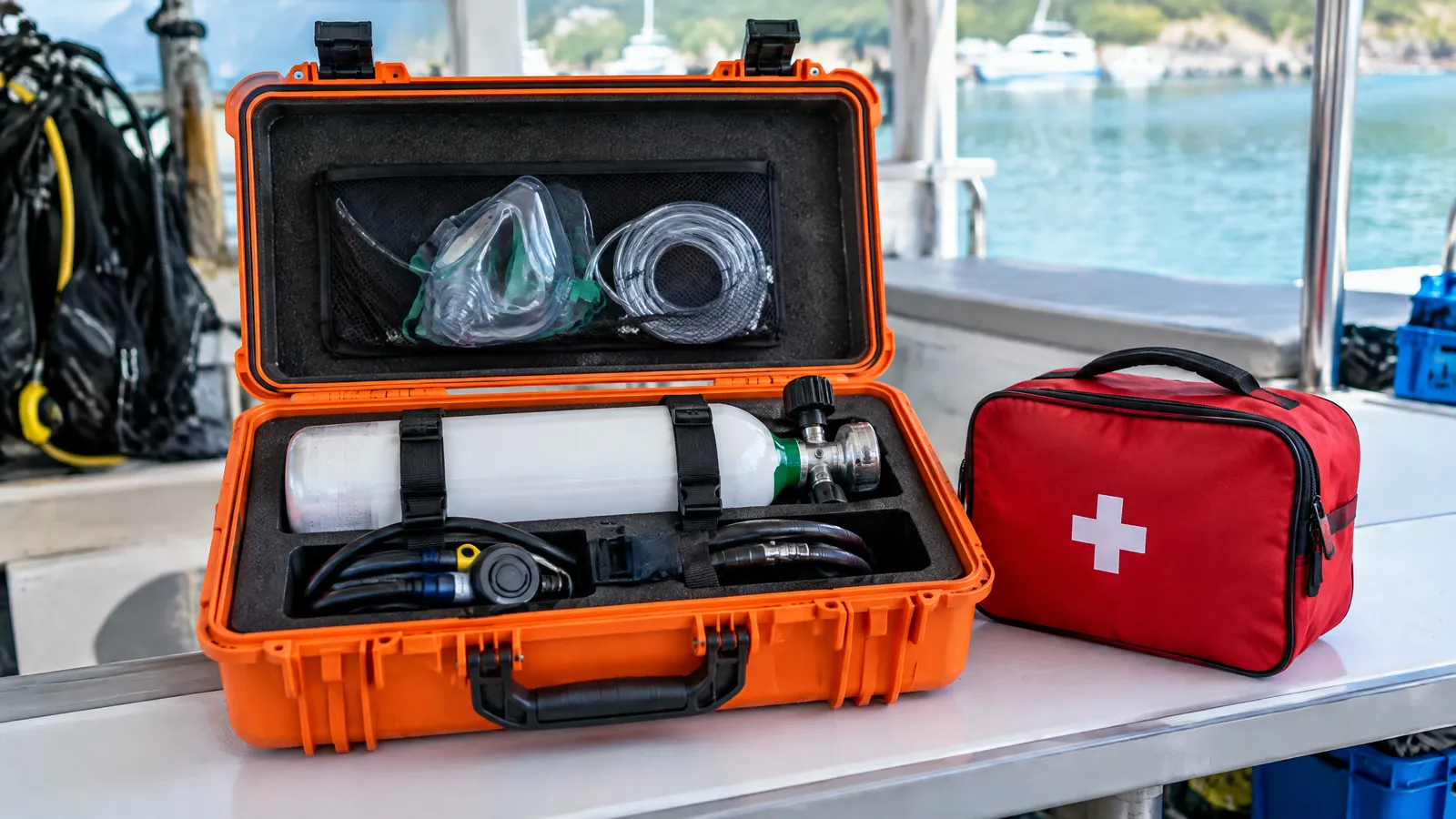
Use scenario thinking rather than dramatic role-play. Practise noticing hazards, protecting the scene, communicating with a buddy or team, calling for help and documenting what happened. In a dive setting, environmental factors such as boat movement, limited visibility, cold, currents and group stress can affect how you communicate. Your task is to recognise your limits and coordinate help, not to invent a treatment outside your training. Emergency oxygen equipment may be part of a specialist course, but equipment awareness is not permission to deliver treatment without suitable training and authorisation.
DAN’s operational safety material describes emergency-planning education for dive operators and professionals, including identifying and mitigating operational risks. That is a reminder to ask your provider how classroom learning connects with the actual operating environment in Hong Kong: site access, boat communication, emergency contacts, weather decisions and handover to local services. A thoughtful plan is more valuable than a long list of badges.
- Schedule a short skills review before the course, then repeat it after feedback.
- Learn the provider’s emergency plan and escalation route; never assume every site works the same way.
- Keep training records current and distinguish participation from formal certification.

Compare routes before you book
Choose the course that matches the gap
The comparison below is deliberately practical. You may need more than one stage, and the provider’s written prerequisite remains the deciding document. If your goal is professional dive education, say so during the enquiry so the assessor can avoid recommending a course that leaves an important gap.
The Rescue Diver course can strengthen awareness of diver problems and team response, but it does not automatically make someone a first aid instructor. Conversely, an instructor-level first aid course does not replace rescue-diver training or the dive-organisation requirements for assistant instructor status. Treat them as complementary routes with different assessment outcomes. For the dive-leadership side, review the Rescue Diver course Hong Kong information and confirm how its current first aid prerequisite is documented.
Plan the conversation and booking carefully
Get written answers before committing
Before booking, send the provider five facts: your current agency and certification level, first aid award and expiry, recent teaching or rescue experience, preferred language and your intended professional outcome. Ask for the course outline, prerequisites, assessment method, expected equipment, venue arrangements and what happens if an assessor identifies a gap. Keep the reply with your records. This simple exchange often prevents enrolling on an interesting course that is not the correct prerequisite. Use this 5-fact enquiry checklist: current agency and certification level, first aid award and expiry, recent teaching or rescue experience, preferred language, and intended professional outcome.
Ask about class size and practice time, not only the headline duration. You want enough opportunity to demonstrate skills, receive feedback and repeat them. Confirm whether course materials, certification processing, manikin use and any venue charges are included. If a health or accessibility concern affects participation, raise it early so the provider can explain reasonable arrangements without making a medical judgement.
Booking terms matter too. Fees are non-refundable unless the provider’s written terms say otherwise, and make-up sessions or changes are available only where those written terms permit them; no reschedule date is guaranteed. Read the policy before paying, especially if travel, boat logistics or work commitments could affect attendance.

Which preparation route fits your current gap?
| Route | Best for | Check before booking |
|---|---|---|
| Basic first aid or CPR | A diver who needs a current foundation | Skills assessed, expiry and agency acceptance |
| Rescue Diver training | A diver developing incident awareness and in-water response | Dive prerequisites, rescue scope and separate first aid validity |
| First aid instructor course | A learner ready to teach and assess first aid skills | Instructor prerequisites, teaching practice and issuing organisation |
| Assistant instructor pathway | A diver pursuing supervised professional teaching | Dive rating, logged experience, first aid status and full agency standards |
First Aid Preparation for the Assistant Instructor Path — common questions
Does first aid certification make me an assistant instructor?Toggle answer
No. A first aid or CPR certificate demonstrates training in those skills; it does not award assistant instructor status. The relevant dive organisation and course provider set the separate prerequisites and assessment route for professional-level training.
What should I check before an instructor-level first aid course?Toggle answer
Ask the provider which first aid or CPR certificate, expiry status and prior teaching experience they accept. Confirm the course organisation, assessment expectations and whether your planned assistant instructor pathway has additional requirements before enrolling.
Can a Rescue Diver course replace a first aid certificate?Toggle answer
Not automatically. Rescue training and first aid training address related but different competencies, and a professional course may require a current certificate from a specified organisation. Ask the provider to confirm the exact combination in writing.
Are course fees refundable if my certificate is not accepted?Toggle answer
Fees are non-refundable unless the provider’s written terms state otherwise. Confirm certificate acceptance before payment, and remember that make-up sessions are offered only where written terms permit; no reschedule date is guaranteed.
Take the question with you
Your next step is a short, documented eligibility check: send your current first aid certificate, dive certification and intended assistant instructor route to a qualified provider, then ask for the accepted prerequisite and assessment plan in writing. If you need foundation practice, choose the appropriate first aid course first; if your certificate is current, focus on teaching readiness and the separate dive-leadership requirements. That approach keeps your training honest, useful and easier to build on.
Sources worth checking
- DAN Safety Training: Dive Operations
DAN states that its first aid courses prepare people to manage injuries related to scuba diving and other settings, and describes emergency-planning and risk-mitigation education for dive professionals.
- PADI Blog: Questions About the Rescue Diver Course
PADI’s official educational resource explains the purpose and expectations of Rescue Diver training; current prerequisites should be confirmed with the issuing organisation.
Useful next reads for your plan
If you are still comparing routes, these related pages give you practical questions to bring into your next conversation with an instructor.
Put your plan into practice
Useful planning guides
Dive first aid renewal path: from refresher to instructor track
Use this dive first aid renewal path worksheet to compare practical options, check key decision points, and confirm current details with DiveHarbour.
dive first aid renewal path
