

SAFE LEARNING · HAPPY EXPLORING
DiveHarbour

DiveHarbour · Practical guide

Coastal men's undercut shape guide: compare wet styling

Choose by the wet outline you can live with, not by a dry reference photo alone. An undercut creates stronger side contrast, a two-block keeps a clearer upper-and-lower split, and a curly cut follows your curl pattern. Compare side length, wet movement, drying method and post-swim care before you ask for a shape. None is humidity-proof.

By DiveHarbour8 min read
Ask about diving courses or coastal trip planning Read the guide
Coastal men's undercut shape guide: hair preparation before a shore day
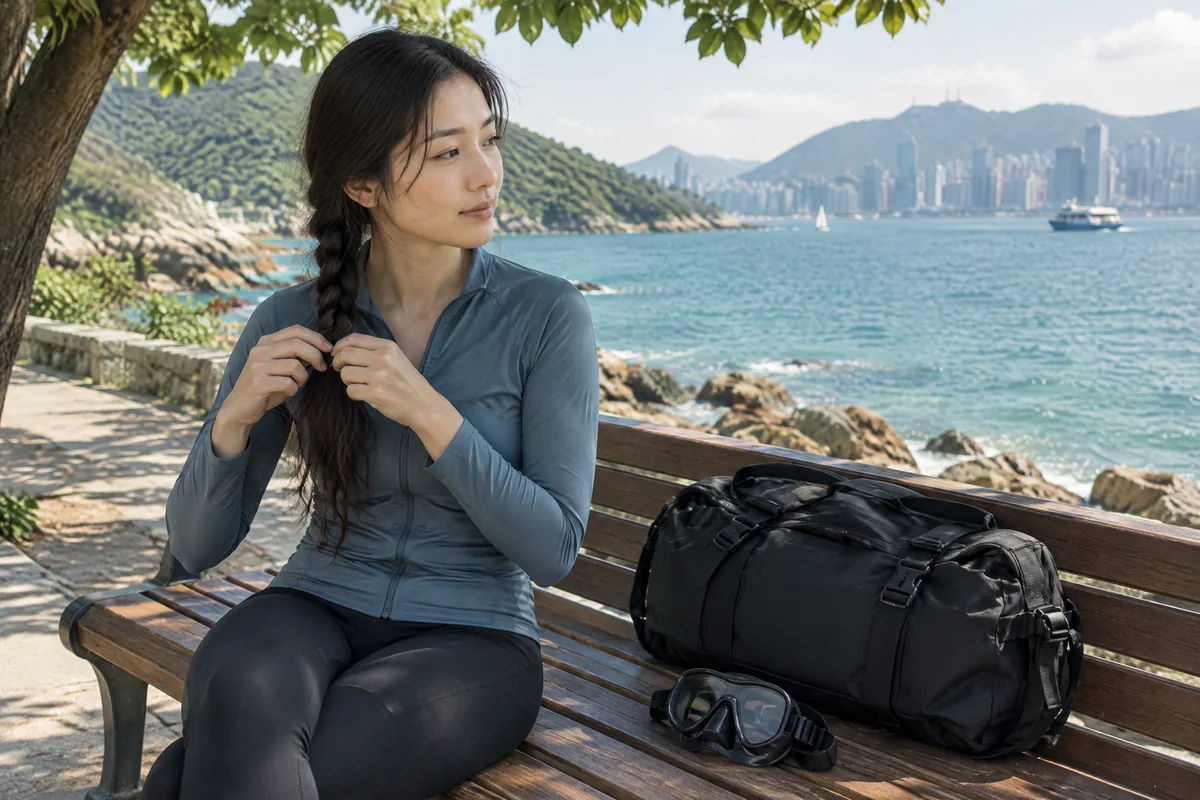
Illustration · a coastal hair-preparation scene; not a salon photo or client result.

Instructor qualifications

One clear teaching conversation from first breath to next step

DiveHarbour brings together scuba teaching, swimming, lifesaving and water-rescue experience so you can ask practical questions before choosing a course.

  • PADI teaching backgroundTeaching experience across recognised scuba learning pathways.
  • SSI teaching backgroundClear explanations when you are comparing agency routes.
  • NAUI teaching backgroundA practical, standards-aware approach to learning and progression.
  • Swimming foundationWater confidence and calm, step-by-step practice matter.
  • Lifesaving experienceSurface awareness and prevention stay part of the conversation.
  • Pool rescue experienceControlled practice can build confidence before open water.
  • Beach rescue experienceLocal water context informs sensible preparation.
  • Kayak rescue experienceA wider water-safety perspective supports good judgement.
  • PWC rescue experienceAsk about the right learning route for your experience and goals.

Brand relationship: DiveHarbour and Vit So share the same owner.

This guide is compiled by DiveHarbour. The Vit So links provide external hair-service information for reference; they are not diving-safety, medical, or service-effect guarantees.

A useful fact to keep in mind

The American Academy of Dermatology says wet hair is delicate and recommends a wide-tooth comb for detangling; it gives a separate shower-combing suggestion for thick, curly hair.

Check the source
Key takeaways

Four points to carry forward

  • Compare each cut while hair is wet and after it dries, because the outline and apparent length can change between those states.
  • Treat side length as a daily-upkeep decision: shorter sides show more contrast, while more length gives you more weight to manage.
  • If your hair curls, describe its wet and dry behaviour instead of asking for a generic humidity-proof result.
  • Before booking, bring dry and post-swim photos, explain your drying routine, and ask what the shape needs between coastal days.
Start here

Coastal men's undercut shape guide: start with the wet outline

A coastal men's undercut shape guide begins with what changes when hair is wet.

A dry reference photo shows a finished moment. A coastal traveller also needs to know what happens after a rinse, a swim, a shower, or a helmet. Wet hair often lies closer to the head and groups into sections. The top may lose lift, while the sides can look tighter and more exposed. That does not make one cut right for everyone. It changes the question from “Which trend do I like?” to “Which outline can I reset with my own hands?”

Before comparing names, record the real routine. Note whether you wear a dive hood, cap, helmet, or only a towel. Write down whether you air-dry, use a dryer, or leave for the next activity with damp hair. A plan for Hong Kong shore diving may involve more gear contact and rinsing than a dry city day, so show the stylist the conditions rather than relying on a label alone.

  • Take one photo with dry hair in its usual part and one after a normal rinse.
  • Mark where a hood, cap, strap, or helmet presses the hair and sides.
  • Record how much time you usually have between leaving the water and the next plan.
  • Say whether you want the wet look to be acceptable or only want the dry finish to matter.
Use the wet outline as a design reference, not as a promise that any cut will resist humidity, salt, wind, or pool water.
Guide · 02

What an undercut changes: side length and visible contrast

Short sides can sharpen the outline, but a wet top still changes the balance.

An undercut usually creates a clear contrast between shorter sides or back and a longer top. The contrast can make the top look more prominent when hair is dry. After water presses it down, the same top may read as a flatter panel, while the shorter sides remain visually strong. The useful decision is therefore not simply “short sides or long sides.” Ask how much contrast you want when the top is damp, parted, pushed back, or left alone.

The undercut haircut page can help you name the shape you want to discuss, but the final brief should still describe your own side length and reset method. Ask whether the sides are blended or deliberately disconnected. Check the temple, around-ear area, and nape from the side. Those details affect how quickly a wet top looks balanced again.

  • Ask to compare a blended transition with a more visible disconnection at your actual side length.
  • Use a side-profile photo so the stylist can see how the top meets the temple and nape.
  • Explain whether you prefer to finger-comb the top or use a comb and dryer.
  • Check how the shape will look when the top is damp and has not regained lift.

Swipe the table to compare all columns.

Wet-outline comparison: what to ask before choosing the side contrast
Shape directionWet outline to observeMain upkeep questionUseful briefing detail
UndercutShorter sides stay visually strong while a longer top may lie flatCan you reset the top without a full blow-dry?Blended or disconnected transition
Two-blockUpper and lower sections may retain a visible band of weightWill the lower section need shaping after a rinse?Where the upper section ends
Curly cutCurl grouping can alter apparent length and volumeHow should damp curls be separated and left to dry?Wet, damp, and dry curl photos
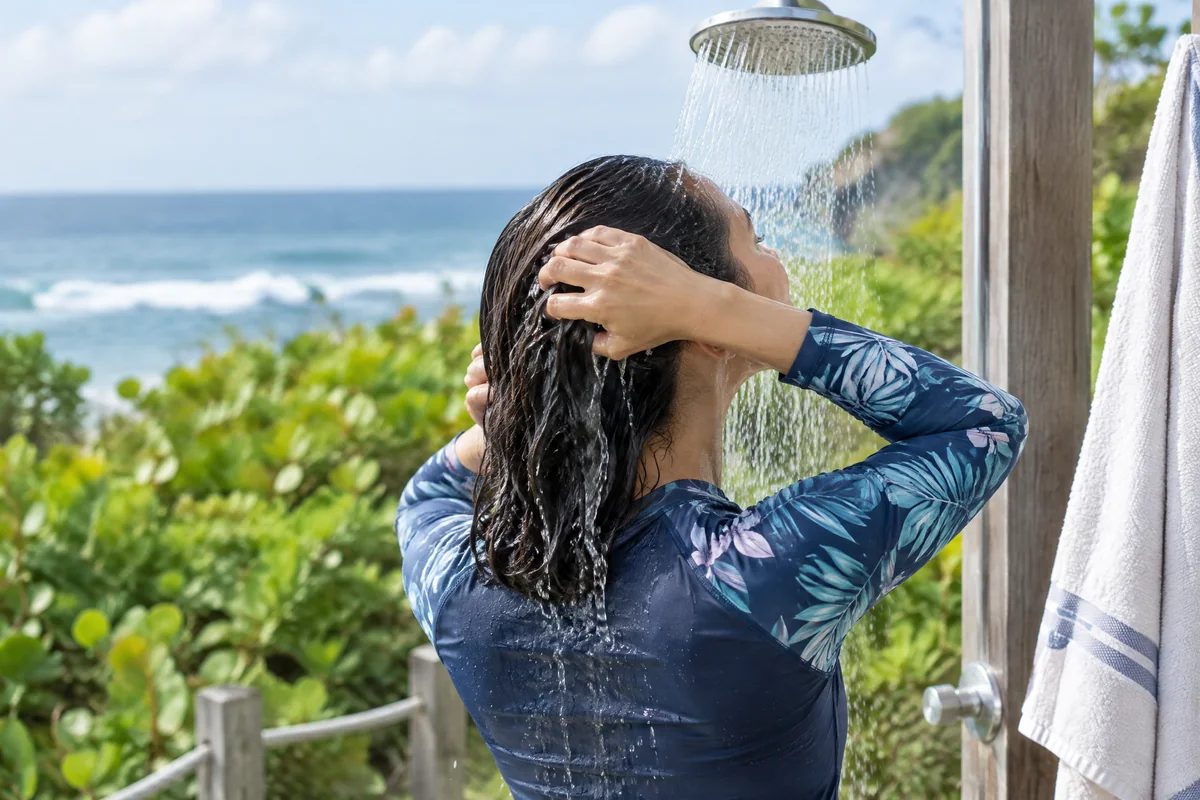
Wet side and top outline after a coastal rinse
Illustration · a post-swim fresh-water rinse; not a treatment result.
Guide · 03

Two-block: a softer split between top and sides

Use the same wet test to see whether a two-block’s upper-and-lower weight suits your routine.

A two-block haircut is commonly discussed as a distinct upper section over a shorter lower section. Compared with an undercut, it may leave a softer or more visible band of weight around the sides and back, depending on the cut. That weight can make the outline feel fuller after a rinse. It can also create a section that needs deliberate drying if you do not want it to sit against the head.

The two block haircut term is useful only when paired with a practical question: how should the upper section fall when it is wet, and how much separation should remain when it dries? If you plan a trip around the best time to dive in Hong Kong, compare the cut with the headwear and shore schedule you will actually use. A fuller lower section may be comfortable, but it is not automatically easier.

  • Ask where the upper section ends when viewed from the front, side, and back.
  • Discuss whether the lower section should sit close, retain weight, or be softly blended.
  • Test the parting with damp fingers so you can see how much direction the shape needs.
  • Choose a routine you can repeat in a hotel or changing-room mirror, not only in a salon.
Guide · 04

Curly men’s cuts: let curl behaviour set the silhouette

Curl pattern matters more than a promise of humidity-proof styling.

A curly cut needs a different wet-to-dry conversation. A curl pattern can make apparent length and volume vary between saturated hair, towel-damp hair, and fully dry hair. The same top length may look longer when wet and more compact when dry. Bring photos from both states, and say whether you want the curl to form a rounded outline, a controlled top, or a shorter shape around the ears. Avoid asking for an outcome described as humidity-proof; weather and water can still change the result.

The curly haircuts for men page can be a starting point for naming a direction, not a substitute for assessing your curl pattern. For handling, the American Academy of Dermatology says wet hair is delicate and recommends a wide-tooth comb rather than a brush. It also notes that people with thick, curly hair may comb in the shower before rinsing conditioner, while straight hair may be left to dry a little first [1]. That distinction matters when you plan a quick post-swim reset.

  • Show the curl at its wet, towel-damp, and fully dry stages if those stages look different.
  • Ask where the curl should be allowed to expand and where a shorter outline is preferred.
  • Use a wide-tooth comb or the method suited to your curl instead of forcing every section straight.
  • Decide whether you can repeat the shaping without high heat or repeated brushing.
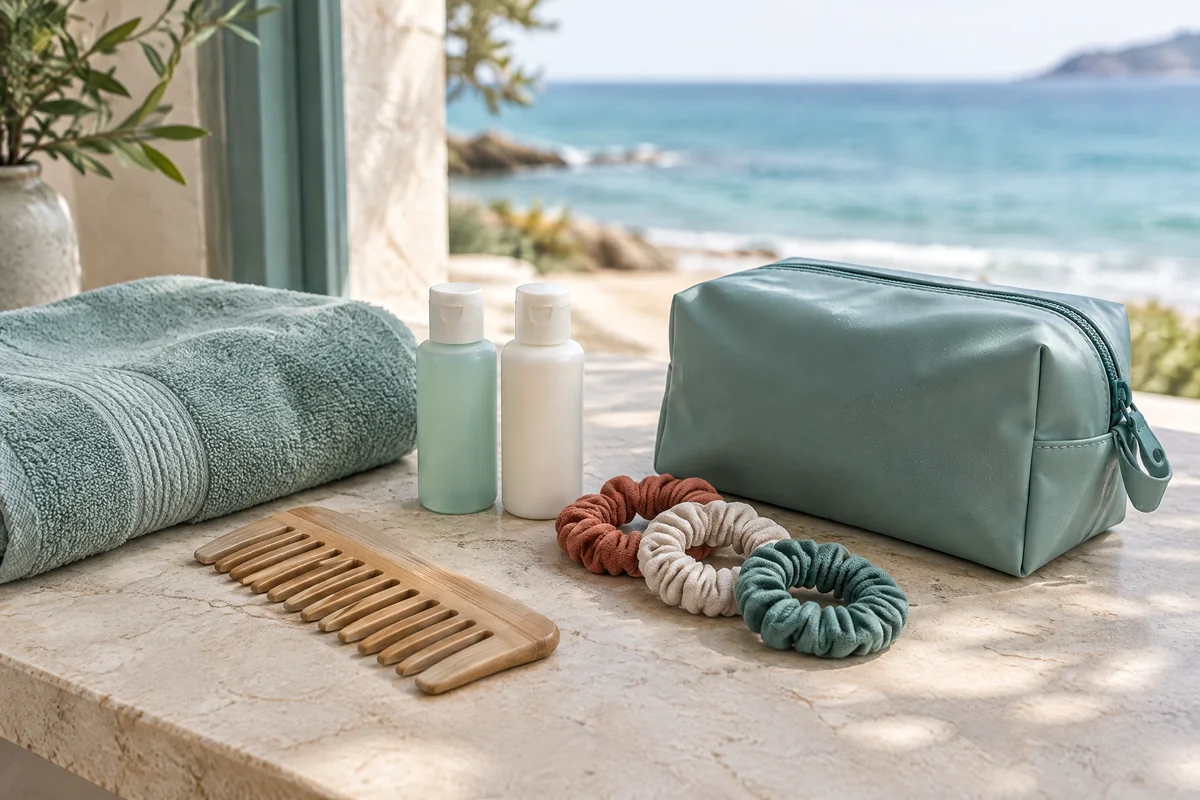
Curly hair and coastal care kit for wet styling
Illustration · a coastal hair-care kit; not a product recommendation or test.
Guide · 05

A shore-day reset: rinse, dry, then assess the shape

Small care steps make the comparison more realistic, without guaranteeing a finished style.

After swimming, treat rinsing as a practical first step rather than trying to style over residue. AAD summer guidance advises rinsing hair immediately after swimming and then washing and conditioning as appropriate [1]. Cleveland Clinic also recommends a fresh-water rinse before and after pool swimming and says chlorine can strip protective natural oils from hair [2]. These are general care suggestions. They do not create a chemical waiting time, approve a particular haircut for swimming, or promise that a shape will stay fixed.

Dry gently and judge the outline in stages. Rough towel rubbing can add stress, and excessive heat can make hair more fragile. The right sequence depends on your hair type: a curly top may need careful separation while damp, whereas a straighter top may need a little more drying before combing. If the side length looks good wet but the top collapses, that is useful feedback for the consultation rather than a reason to add more product blindly.

  • Rinse with fresh water after the swim or coastal activity when that is available.
  • Blot or wrap gently instead of rubbing the hair hard with a towel.
  • Follow the detangling method that fits your hair type and current dampness.
  • Use low or medium heat if needed, and stop judging the shape only under a strong dryer.

Swipe the table to compare all columns.

Post-swim decision table: match the reset to the behaviour you can maintain
If you noticeTry asking aboutAvoid assumingNext check
Sides look neat but the top collapsesTop length, parting, and a low-effort drying directionMore product will solve every wet outlineTest the shape at towel-damp stage
A lower band feels heavy after rinsingTwo-block weight, blending, and nape lengthA named style has one fixed constructionView the back and side profile
Curls change size as they dryCurl placement, shrinkage, and gentle detanglingWeather-resistant or humidity-proof stylingCompare wet and fully dry photos
A reset routine should be safe for your own hair condition. If you have scalp symptoms, breakage, or a treatment history, seek suitable professional advice rather than treating this guide as medical care.
Guide · 06

Turn the comparison into a clear haircut consultation

Bring evidence from your routine so the shape discussion stays specific and useful.

A good consultation brief can fit on one phone note. Start with the activity, then describe the wet outline you noticed, the side length you can maintain, and the amount of curl or movement you want to keep. Add a photo of your normal dry shape and another from after a rinse. Mention recent colour, perm, straightening, or other processing, because the stylist needs the full context before discussing a service. This is more useful than showing one edited reference image.

Use the comparison above to decide what to ask an external service provider. Vit So should confirm the available consultation, the proposed shape, and any individual hair-condition considerations directly. Do not infer a price, appointment timing, language availability, or a guaranteed result from a web page.

  • Bring front, side, and back photos in ordinary light, including one after a rinse.
  • Ask how the top, sides, and nape are expected to behave when damp and fully dry.
  • Confirm what you can do with your own towel, comb, dryer, and available time.
  • Ask how recent chemical services or fragile areas should affect the consultation.
  • Confirm service details directly before booking instead of assuming a package or result.
Consultation planning for a coastal men's undercut shape guide
Illustration · an unbranded haircut consultation-planning scene; not a Vit So salon image.
A sensible next step

Take the question with you

Choose the cut only after you have compared its wet outline, side weight, curl behaviour, and reset steps. Save two or three ordinary photos, write down your headwear and drying routine, and take those details to a direct consultation. The best match is the shape whose maintenance you understand, not the one with the strongest promise.

Questions to ask

Common questions

Is an undercut better than a two-block for coastal travel?

Neither is automatically better. An undercut gives a stronger short-side contrast, while a two-block may retain more visible weight between the upper and lower sections. Compare both when damp and dry, then choose the outline you can reset with your own routine.

Will wet hair make my men’s cut look shorter?

Wet hair often lies closer together, so the outline can look tighter or flatter. Curly hair can also change apparent length as it dries. Use wet and dry photos during the consultation instead of assuming one universal change.

How should I handle curly hair after swimming?

Rinse with fresh water when available, handle the hair gently, and use a detangling method suited to your curl and dampness. AAD guidance supports a wide-tooth comb for wet hair and notes a shower detangling option for thick, curly hair.

Can any of these cuts be humidity-proof?

No haircut can promise that. Shape, hair type, water, wind, headwear, drying habits, and products all affect the result. Ask for a realistic wet-to-dry routine and what maintenance the proposed outline needs.

Further reading

Official sources worth checking

Continue exploring

Keep comparing practical questions before you choose a course, activity or preparation step.

Coastal life and hair care · Updated 2026-11-06

Post-swim family hair routine: wash, trim and dry with ease

Plan a post-swim family hair routine with rinse, wash, trim and drying choices. Compare salon questions and check the next step.

post-swim family hair routine

Coastal life and hair care · Updated 2026-11-06

Coastal wavy haircut upkeep: keep shape after swims

Plan coastal wavy haircut upkeep around wet movement, retained length and your swim-day routine. Read the checklist before booking.

coastal wavy haircut upkeep

Coastal life and hair care · Updated 2026-11-06

Post-holiday grey root plan: choose coverage and blending

Use this post-holiday grey root plan to compare coverage, blending and root touch-up questions. Read the checklist before contacting a stylist.

post-holiday grey root plan
Your next step

Ask about diving courses or coastal trip planning

Message DiveHarbour on WhatsApp to discuss diving courses or coastal trip planning, along with your experience and preferred dates.

Ask about diving courses or coastal trip planning
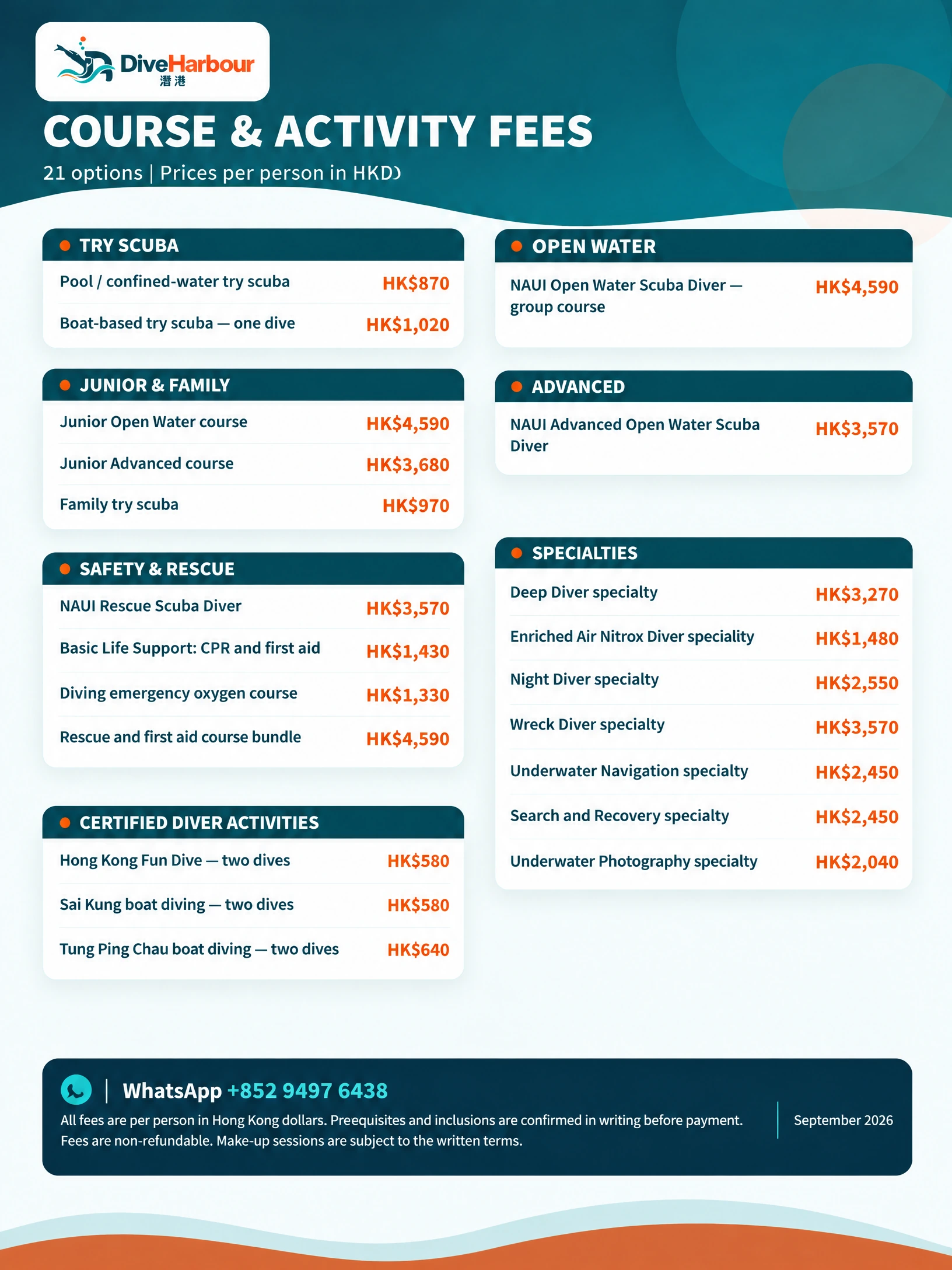
English price list for 21 DiveHarbour courses and activities, with fees per person in Hong Kong dollars
Tap the price list to view it at full size.

Plan your next dive

Course fees, clearly set out

Compare our published course and activity fees before choosing your next step. All prices are per person in Hong Kong dollars.

Before you book, we confirm prerequisites, materials, certification, equipment, venue and boat arrangements in writing. Ask us about fees for courses not listed here.

All fees are non-refundable. Make-up sessions are subject to the written terms.

Read all course fees
DiveHarbour course and activity fees per person in Hong Kong dollars
Course / activityPer person
Pool / confined-water try scubaHK$870
Boat-based try scuba — one diveHK$1,020
NAUI Open Water Scuba Diver — group courseHK$4,590
Junior Open Water courseHK$4,590
Junior Advanced courseHK$3,680
Family try scubaHK$970
NAUI Advanced Open Water Scuba DiverHK$3,570
NAUI Rescue Scuba DiverHK$3,570
Basic Life Support: CPR and first aidHK$1,430
Diving emergency oxygen courseHK$1,330
Rescue and first aid course bundleHK$4,590
Deep Diver specialtyHK$3,270
Enriched Air Nitrox Diver specialtyHK$1,480
Night Diver specialtyHK$2,550
Wreck Diver specialtyHK$3,570
Underwater Navigation specialtyHK$2,450
Search and Recovery specialtyHK$2,450
Underwater Photography specialtyHK$2,040
Hong Kong Fun Dive — two divesHK$580
Sai Kung boat diving — two divesHK$580
Tung Ping Chau boat diving — two divesHK$640