SAFE LEARNING · HAPPY EXPLORING
DiveHarbour

DiveHarbour · Practical guide

Humid Short Wig Routine: A Shore-Day Care Checklist

A humid shore day is easier when the short shape does more of the work. Check the actual fibre, cap construction, heat label, and maker instructions before leaving. Use a gentle shake, fingers, cool air, and a dry-land backup instead of improvising with heat or water. A wig’s appearance choice and an activity’s safety requirements remain separate decisions.

By DiveHarbour9 min read
Ask about diving courses or coastal trip planning Read the guide
humid short wig routine for a dry-land coastal portrait concept
Illustration · Concept illustration: a short shore-day silhouette, not a real product or customer result.

Instructor qualifications

One clear teaching conversation from first breath to next step

DiveHarbour brings together scuba teaching, swimming, lifesaving and water-rescue experience so you can ask practical questions before choosing a course.

  • PADI teaching backgroundTeaching experience across recognised scuba learning pathways.
  • SSI teaching backgroundClear explanations when you are comparing agency routes.
  • NAUI teaching backgroundA practical, standards-aware approach to learning and progression.
  • Swimming foundationWater confidence and calm, step-by-step practice matter.
  • Lifesaving experienceSurface awareness and prevention stay part of the conversation.
  • Pool rescue experienceControlled practice can build confidence before open water.
  • Beach rescue experienceLocal water context informs sensible preparation.
  • Kayak rescue experienceA wider water-safety perspective supports good judgement.
  • PWC rescue experienceAsk about the right learning route for your experience and goals.

Brand relationship: DiveHarbour and OWNSTRAND share the same owner.

DiveHarbour and OWNSTRAND are operated by the same owner. The OWNSTRAND references here are external product and selection information, not an independent third-party recommendation, medical advice, product-performance claim, or water-activity safety endorsement.

A useful fact to keep in mind

The American Cancer Society advises not using a hair dryer or curling iron on a wig unless it is heat resistant.

Check the source
Key takeaways

Four points to carry forward

  • Choose the shorter shape for simpler shore-day resetting, not as proof of water suitability.
  • Read the fibre, cap, heat, washing, drying, and storage instructions as separate fields.
  • Use shaking and finger adjustment before considering any tool or styling product.
  • Keep the wig on shore and prepare a replacement plan if the label or condition is unclear.
Start here

What a humid short wig routine should solve

Start with the humid short wig routine, not a last-minute rescue

A hot shore half-day creates several small decisions at once. You may want a shorter outline, less reshaping, and an easy way to recover after walking outside. Those are appearance and care goals. They are not evidence that a wig can enter the sea, a pool, or diving equipment. Plan the hairstyle for the dry parts of the day, then plan a separate activity arrangement.

Shorter styles can be practical because many only need a shake before wearing. The American Cancer Society also suggests using fingers and a wig styling cream sparingly on shorter wigs, rather than brushing aggressively. [1] Treat that as a starting point, not a universal formula. The fibre, cap, finish, and maker instructions decide what your piece can tolerate.

Before leaving home, write down the exact reset you expect to use. For example, you might shake the piece, smooth the front with clean fingers, check the nape, and place it on a stand later. A short routine is easier to follow when the weather is uncomfortable. It also helps you notice when the piece needs a full care step instead of another quick touch-up.

  • Define the shore-only wearing window.
  • Check the label before packing a tool.
  • Keep a dry replacement or cover plan.
  • Stop improvising when the instructions are unclear.
A shorter silhouette can reduce styling work. It cannot change the fibre rules or make an activity suitable.
Guide · 02

Read the fibre label before choosing a shorter style

Use synthetic wigs as a label question, not a single care category

Synthetic is a material description, not a promise that every piece handles heat, moisture, friction, or products in the same way. The American Cancer Society describes synthetic wigs as artificial fibres such as polyester or acrylic, with less styling flexibility than human hair. [1] That difference matters when a humid-day routine includes a dryer, hot tool, spray, or quick wash.

If you are comparing synthetic wigs, record the exact wording shown for the specific style. Look for the fibre name, heat wording, washing method, drying method, and storage advice. Do not infer those details from a photograph or a general category page. If two pieces have different labels, give each its own routine.

For a shore half-day, a low-intervention plan is usually easier to audit. Pack only products the instructions allow. Keep the piece away from cooking heat, vehicle heat, and direct sun when possible. If sweat or humidity makes the cap feel uncomfortable, take a planned break on shore rather than adding an untested liner, adhesive, or fastening change.

  • Copy the fibre wording before purchase or packing.
  • Separate heat instructions from washing instructions.
  • Check whether products are made for wigs.
  • Keep unknown materials on a dry-land plan.

Swipe the table to compare all columns.

Label audit before a humid shore half-day
Label fieldQuestion to answerIf the answer is unclear
FibreWhat material is named for this exact piece?Do not borrow care rules from another style.
HeatDoes the maker explicitly permit heat, and under what limits?Use a cool, no-tool reset.
WashingWhich products, water temperature, and method are listed?Delay washing until you can verify the instructions.
DryingIs room-temperature air drying required?Do not use a dryer or direct heat by default.
A category label can guide a search. The individual care label governs the routine.
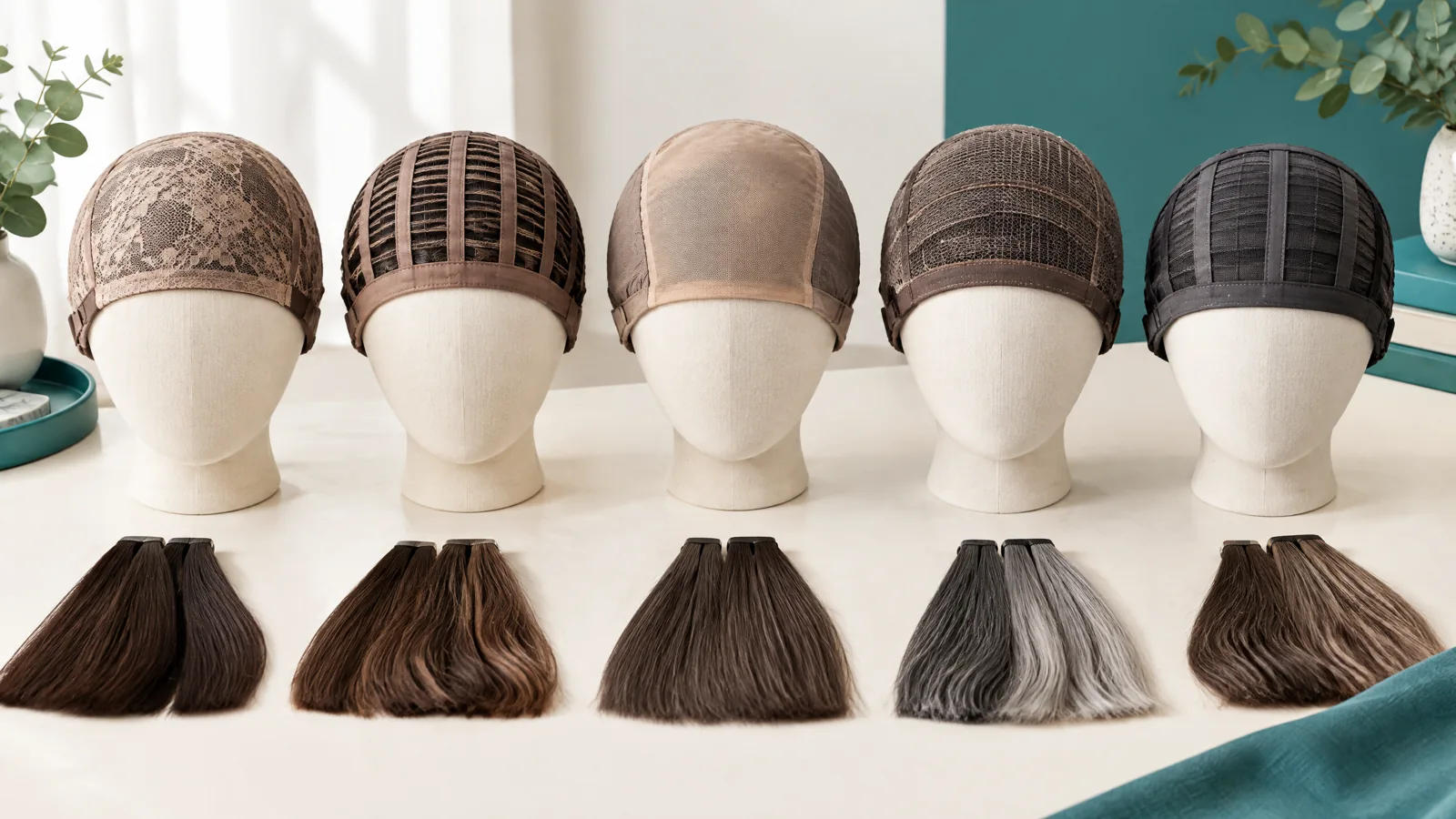
Concept illustration of checking a short wig cap and fibre label
Illustration · Concept illustration: cap and label comparison, not a real OWNSTRAND fitting.
Guide · 03

Separate the front construction from the fibre rules

A humid short wig routine must check lace, cap, and material separately

A front construction and a fibre label answer different questions. A lace front describes the appearance and structure at the front hairline. It does not tell you whether the hair is synthetic or human hair, whether heat is allowed, or whether moisture is acceptable. The American Cancer Society likewise describes monofilament as a fine mesh construction, which should not be treated as a synonym for every lace or cap design. [1]

When reviewing a lace front wig, ask what the front is made to do and what the rest of the piece requires. Check the fibre, knots or ventilation details if provided, washing directions, drying method, and any warning about heat. Keep those answers in separate notes. That prevents a realistic hairline feature from becoming an unsupported performance assumption.

The front is also the area you will inspect first after a warm walk. Look for visible residue, flattened strands, tangling, or a change in the shape. Use the least forceful reset that the instructions allow. Do not pull, trim, add adhesive, or alter the construction because the weather is inconvenient. A professional consultation is the better route when the front needs reshaping or repair.

  • Ask what the front construction describes.
  • Ask what the fibre label permits.
  • Inspect the hairline and nape after wear.
  • Do not modify the construction in the field.
Realistic appearance, heat tolerance, and water suitability are separate questions.
Guide · 04

Handle heat-friendly wording with care

Heat-friendly synthetic wigs still need product-specific limits

The phrase heat-friendly is narrower than many people expect. Breastcancer.org says standard synthetic wigs should stay away from intense heat, and heated tools or a hair dryer generally should not be used unless the wig is labelled heat friendly or heat defiant. [2] That advice makes the label a gate, not a suggestion. A standard synthetic piece should not be treated as a test surface.

If the listing says heat-friendly synthetic wigs, read the exact tool and temperature instructions for that piece. Do not borrow a setting from another brand or assume a heat-friendly label means heatproof. If no limit is stated, pause and ask the product provider. A cool, finger-based reset is more honest than guessing with an iron.

For this article’s shore routine, heat is optional rather than central. A light shake, a clean fingertip adjustment, and room-temperature drying can handle many small changes without introducing a new risk. Breastcancer.org also recommends storing a wig away from sunlight, heat, moisture, and dust. [2] Keep that storage principle in mind when a bag sits in a hot car or steamy bathroom.

  • Require explicit heat wording before using a tool.
  • Use the piece’s own temperature limit.
  • Treat heat-friendly as heat-tolerant, not heatproof.
  • Choose a cool reset when the label is silent.
When the label is missing, unclear, or contradictory, leave heat out of the routine.
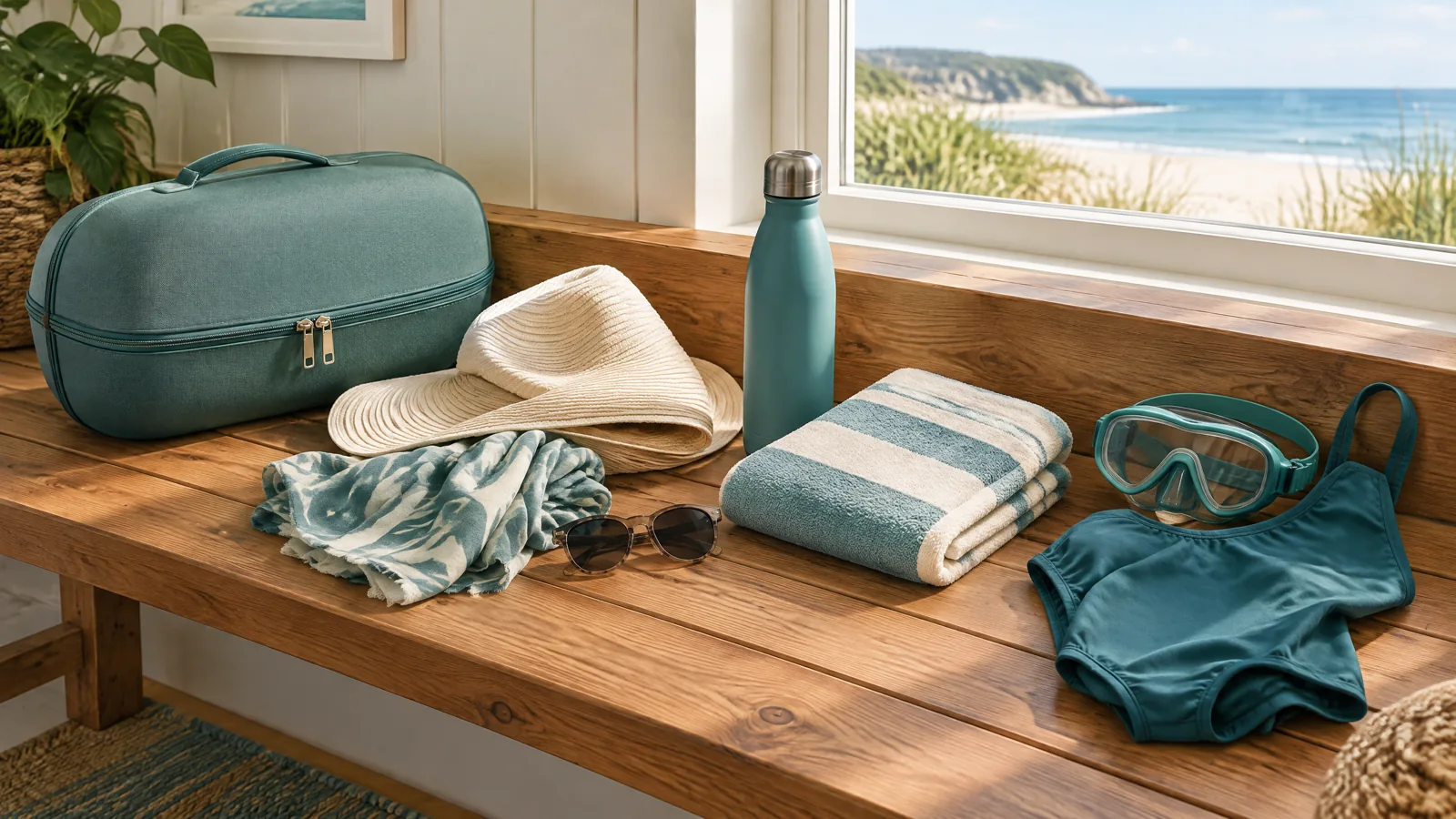
Concept illustration of a dry-land wig refresh kit for a humid shore day
Illustration · Concept illustration: a shore-day care kit, not real customer or DiveHarbour equipment.
Guide · 05

Build a practical refresh routine for the shore half-day

Use a calm sequence before and after the humid walk

Before leaving, place the piece on a suitable stand or in the storage packaging recommended by its maker. Pack a wig-specific product only if the care instructions allow it. Bring a clean, dry cloth for the inside of the cap, but do not rub the fibre or add water automatically. The aim is to carry a controlled reset, not a full salon setup.

After a warm walk, move to a private, dry place on shore. Check the cap, hairline, and nape first. If the piece is still dry and the shape is simply flat, shake it gently and use your fingers to separate the short strands. If the label permits a light mist, follow that instruction. Otherwise, leave moisture out and let the piece rest on its stand later.

If the wig feels sticky, smells different, or has visible residue, do not cover the problem with more product. Note what happened and follow the maker’s washing process at home. The American Cancer Society advises wig-specific care products, cold water, patting out excess water, and no brushing until the wig is completely dry. [1] Those steps are more reliable than a rushed shore repair.

For a haircut or shape that needs work before the trip, see coastal wavy haircut upkeep as a separate planning reference. It can help you discuss the desired outline without pretending that a cut changes the care label. Keep the final routine written beside the packing list.

  • Reset only in a dry, private shore location.
  • Check the nape before brushing or adding product.
  • Use cool water only when instructions allow it.
  • Leave full washing for a controlled setting.

Swipe the table to compare all columns.

Shore-day reset decision table
What you noticeFirst responseWhen to stop
Shape is flat but fibre is dryShake gently and separate with fingers.Stop if strands resist or the label says otherwise.
Nape feels tangledInspect slowly and use only an approved tool.Stop before pulling or forcing the knot.
Cap feels damp or stickyMove to a private, dry place and check instructions.Do not seal it damp or add unlisted product.
Front looks changedCompare with the care notes and take a photo for reference.Ask the provider before trimming, heating, or repairing.
A refresh routine should be repeatable when tired, hot, or short on privacy.
Guide · 06

Pack a dry-land backup and make the boundary clear

The humid short wig routine ends before water activity begins

A realistic shore plan includes an exit option. Pack a breathable storage solution, a dry cloth, the written care instructions, and a simple alternative such as your own hair, a permitted hat, or another shore-only covering. Choose the alternative for comfort and privacy. Do not add clips, ties, adhesive, or other modifications because you want to move from a portrait to the water.

If the day includes swimming, snorkelling, diving, or a boat transfer, ask the activity provider how to manage personal items before the activity. The wig’s product instructions and the activity’s equipment requirements are separate. A wig should never be described as waterproof, secure in water, or automatically compatible with a mask, regulator, helmet, or flotation equipment.

For a broader seasonal activity context, read summer diving Hong Kong for the activity enquiry itself. DiveHarbour can answer questions about its own shore or diving arrangements. It cannot approve a particular wig, and an activity enquiry is not a product-care consultation.

If you want product-specific clarification, use the relevant OWNSTRAND page and ask about the exact model, fibre, cap construction, heat wording, and care sequence. DiveHarbour and OWNSTRAND are the same owner, so this is not an independent endorsement. Keep the decision simple: wear the piece on shore when its instructions fit, and switch to a planned alternative when they do not.


  • Pack a dry storage option and written instructions.
  • Separate personal-item storage from activity equipment.
  • Use a shore-only alternative when needed.
  • Ask the right provider the right question.
A dry-land backup protects the day’s plan without making a claim about the wig in water.
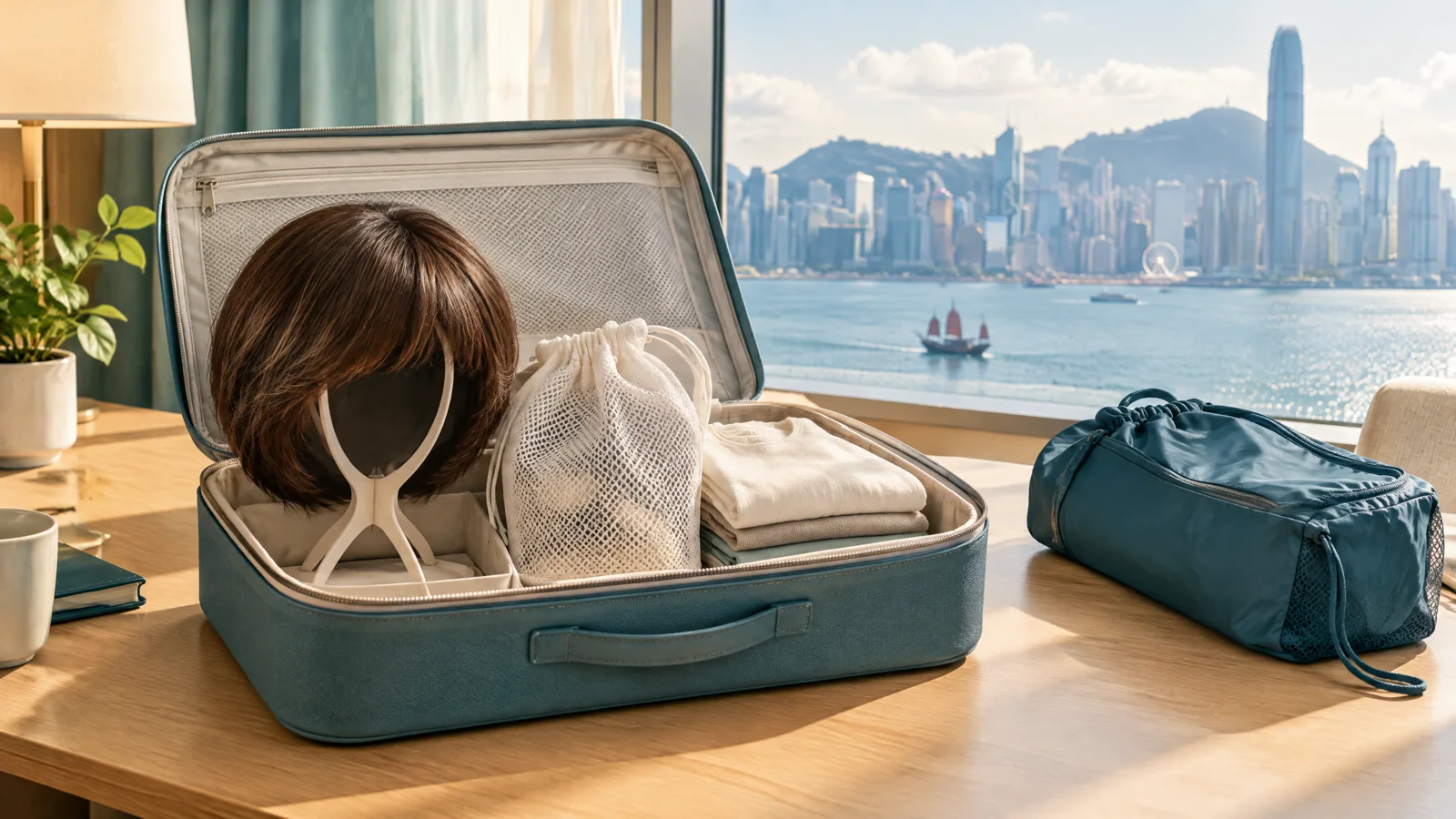
Concept illustration of storing a short wig away from heat and moisture
Illustration · Concept illustration: travel storage and a dry-land backup, not a real product demonstration.
A sensible next step

Take the question with you

Choose the short shape because it fits your dry-land schedule, then verify the actual fibre and construction before packing. A gentle shake, finger reset, approved care product, and cool storage are safer defaults than an improvised heat treatment. Keep a shore-only alternative ready, and treat water activity as a separate decision handled by the activity provider.

For a DiveHarbour shore or diving enquiry, contact DiveHarbour about the activity and equipment process. For model-specific fibre, cap, heat, or care questions, use the relevant OWNSTRAND page; OWNSTRAND product enquiries are separate from DiveHarbour activity enquiries.

Questions to ask

Common questions

Does a short synthetic wig need less care in humid weather?

It may need less reshaping, but not fewer label checks. Follow the exact fibre, washing, drying, and storage instructions for that piece.

Can I use a hair dryer because the wig is short?

Not by length alone. Use a hair dryer only when the specific wig is labelled heat resistant and its instructions permit that method.

Does a lace front mean the wig can handle water?

No. Lace front describes a front construction. It does not establish fibre care, heat tolerance, waterproofing, or suitability for swimming or diving.

What should I do when the care label is missing?

Use the most conservative shore-only routine: no heat, no unlisted products, and no water activity. Ask the product provider for model-specific instructions.

Further reading

Official sources worth checking

  • [1] Choosing and Wearing a Wig — American Cancer Society

    The American Cancer Society says not to use a hair dryer or curling iron on a wig unless it is heat resistant, and advises allowing a washed wig to dry at room temperature.

  • [2] Wigs — Breastcancer.org

    Breastcancer.org advises keeping standard synthetic wigs away from intense heat and generally avoiding heated tools or a hair dryer unless the wig is labelled heat friendly or heat defiant.

Continue exploring

Keep comparing practical questions before you choose a course, activity or preparation step.

Coastal life and hairpieces · Updated 2026-11-06

Cool Wig Cap Choice for Long Hot Shore Days | DiveHarbour

Planning a cool wig cap choice for a hot shore event? Compare cap labels, break plans, and fitting questions, then ask for a practical consultation.

cool wig cap choice

Coastal life and hairpieces · Updated 2026-11-06

Thinning-Part Piece Size: Shore Portrait Coverage Guide

Learn how to estimate thinning-part piece size for a shore portrait, compare topper and full-wig coverage, and plan a calm event-day fitting enquiry.

thinning-part piece size

Coastal life and hairpieces · Updated 2026-11-06

Tseung Kwan O wig route: plan online checks before a shore day

Use this Tseung Kwan O wig route to compare online questions with a Kwun Tong viewing, check short styles and fibre labels before a shore day. Read more.

Tseung Kwan O wig route
Your next step

Ask about diving courses or coastal trip planning

Message DiveHarbour on WhatsApp to discuss diving courses or coastal trip planning, along with your experience and preferred dates.

Ask about diving courses or coastal trip planning
English price list for 21 DiveHarbour courses and activities, with fees per person in Hong Kong dollars
Tap the price list to view it at full size.

Plan your next dive

Course fees, clearly set out

Compare our published course and activity fees before choosing your next step. All prices are per person in Hong Kong dollars.

Before you book, we confirm prerequisites, materials, certification, equipment, venue and boat arrangements in writing. Ask us about fees for courses not listed here.

All fees are non-refundable. Make-up sessions are subject to the written terms.

Read all course fees
DiveHarbour course and activity fees per person in Hong Kong dollars
Course / activityPer person
Pool / confined-water try scubaHK$870
Boat-based try scuba — one diveHK$1,020
NAUI Open Water Scuba Diver — group courseHK$4,590
Junior Open Water courseHK$4,590
Junior Advanced courseHK$3,680
Family try scubaHK$970
NAUI Advanced Open Water Scuba DiverHK$3,570
NAUI Rescue Scuba DiverHK$3,570
Basic Life Support: CPR and first aidHK$1,430
Diving emergency oxygen courseHK$1,330
Rescue and first aid course bundleHK$4,590
Deep Diver specialtyHK$3,270
Enriched Air Nitrox Diver specialtyHK$1,480
Night Diver specialtyHK$2,550
Wreck Diver specialtyHK$3,570
Underwater Navigation specialtyHK$2,450
Search and Recovery specialtyHK$2,450
Underwater Photography specialtyHK$2,040
Hong Kong Fun Dive — two divesHK$580
Sai Kung boat diving — two divesHK$580
Tung Ping Chau boat diving — two divesHK$640