

A useful fact to keep in mind
AFCD says Hoi Ha Wan Marine Park was designated in July 1996 and covers about 260 hectares.
Check the sourceA family diving class near Sai Kung Hong Kong
Discuss age, experience and supervision before choosing
A family outing works best when it is planned around the least experienced participant, not the keenest diver. A family diving class near Sai Kung Hong Kong may suit relatives who want a shared introduction, but “family” is not one risk profile: a confident adult, a nervous teenager and a child with no mask experience will need different briefings, pacing and supervision. Tell the instructor who can swim comfortably, who has previously used a mask or regulator, and who would rather begin in a pool or sheltered water.
Start with a simple group conversation. Are you looking for a one-off discovery, a skills-building day, or a route towards certification? A try-dive can let a newcomer learn breathing, equalisation and basic underwater communication without assuming the whole family is ready for a certification course. If the goal is certification, each learner must complete the relevant agency’s knowledge, water-skill and open-water requirements; a family booking does not combine or waive individual prerequisites.
Age and consent should be discussed before anyone pays. Agencies set their own junior policies, depth limits, supervision ratios and parent or guardian paperwork, so ask which standard applies rather than relying on a general internet age. Our guide to the minimum age to scuba dive in Hong Kong explains why the number is only a starting point. For context, PADI describes Junior Open Water Diver certification as available from age 10, with restrictions and adult supervision requirements; that is a PADI rule, not a universal Hong Kong rule.
Health conversations should be calm and private. Mention asthma history, ear or sinus problems, recent operations, medication, pregnancy, anxiety in confined spaces or any concern about exertion. Do not diagnose one another at the beach, and do not treat an instructor’s screening as medical clearance. If a questionnaire raises a concern, a qualified physician should decide fitness to dive. The instructor can then adapt the lesson, postpone it, or suggest a non-diving family activity without pressure.
- Choose one adult contact for the booking and provide every participant’s age, experience and comfort level.
- Ask in writing about instructor-to-diver supervision, equipment sizes, entry method, weather alternatives and inclusions.
- Plan a low-pressure exit: anyone who feels unwell, cold, frightened or overwhelmed can stop without shame.

Hoi Ha Wan family scuba diving activities
Keep the marine-park setting and local rules in view
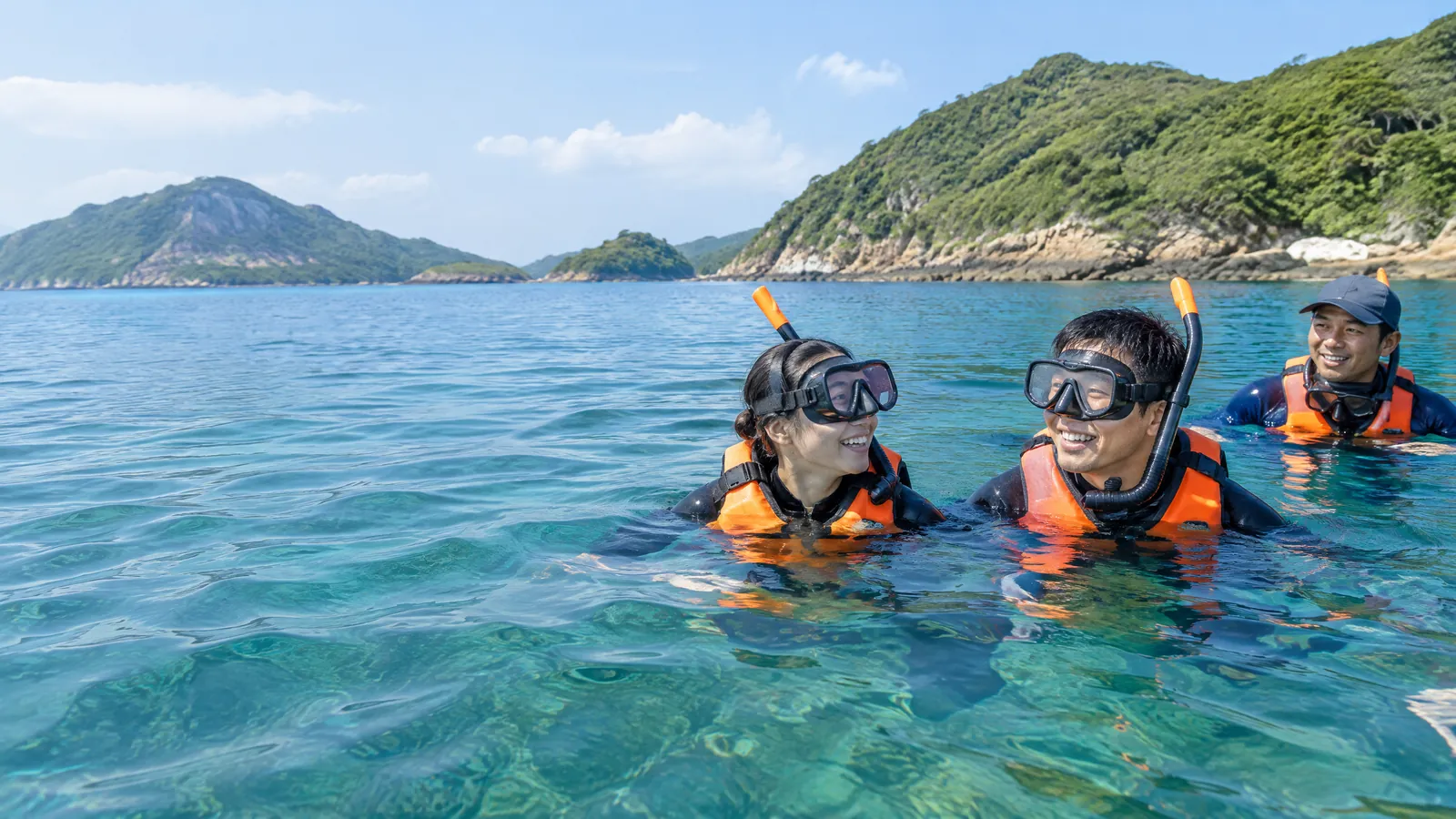
Hoi Ha Wan family scuba diving activities are appealing because the bay is sheltered and ecologically rich, yet a protected setting is not a promise of flat water or a guaranteed fit for every visitor. AFCD says Hoi Ha Wan Marine Park was designated in July 1996 and covers about 260 hectares. Conditions can vary with wind, tide, visibility, boat traffic and the group’s actual water skills. The final site and entry plan should be confirmed by the responsible operator on the day.
The marine environment is part of the lesson. AFCD’s official Hoi Ha Wan guidance says divers and swimmers must not stand on fragile corals and should follow the Marine Parks Visitors Code and the code for scuba divers and snorkellers. That means maintaining buoyancy and spacing, keeping hands and fins away from the reef, and listening when an instructor asks the group to move on. Children and first-time divers may need a surface briefing and close reminders; a photo is never worth contact with coral or a rushed ascent.
Use the same conservation standard whether you enter from shore or boat. Do not collect shells, feed animals, chase fish or leave rubbish. Keep masks, gauges and dangling accessories controlled, and tell the guide if a current or low visibility makes it hard to hold position. Families can make this fun by giving each person a simple observation mission—spot a fish shape, notice a colour or count habitat types—without touching anything or promising wildlife encounters.
Before selecting a package, ask whether the proposed area lies inside the Marine Park, what permissions or operator arrangements apply, and how the briefing covers local rules. AFCD’s pages are the authority for park information; a social post or old trip report may describe a different season or boundary. The right plan may be a shore-based skills session, a supervised boat dive, or a snorkelling alternative for a participant who is not ready to scuba.
- Treat weather, visibility and sea state as decision points, not inconveniences.
- Use reef-safe behaviour: no standing, touching, collecting, feeding or chasing.
- Follow the current AFCD visitor and diver codes and the instructor’s site-specific briefing.

Plan a comfortable family dive enquiry
Confirm the location, conditions and suitable next step
A useful enquiry is specific enough to receive a useful answer. Include the number of adults and children, ages, heights or approximate equipment sizes, swimming confidence, previous certifications, preferred dates, transport needs and whether anyone only wants to observe. Say whether you prefer Sai Kung, Hoi Ha Wan or a flexible nearby option. If someone has never worn a mask, mention it; if someone is certified but has not dived for years, ask whether a refresher is sensible.
There are three practical booking directions to compare: a family try-dive, a junior or adult certification pathway, and a mixed plan where some relatives dive while others snorkel or stay ashore. The most enjoyable arrangement may not place everyone underwater at the same time. A short briefing and pool or confined-water rehearsal can reduce pressure, while a qualified guide can explain when open-water conditions are appropriate.
For families comparing a first experience with a longer learning route, read family try diving vs scuba certification before choosing. If the group wants a certification plan, family scuba certification Hong Kong sets out questions about agency, prerequisites, skills and assessment. Families with younger participants can also review family scuba diving activities for kids Hong Kong before deciding how to pace the day. For participants who prefer a women-focused environment, the scuba diving for women beginners Hong Kong page is another route to discuss; it does not replace age, health or supervision checks.
Ask for a written breakdown of what is included: instructor time, tanks, weights, basic equipment, boat or site arrangements, learning materials, certification fees and transport. The approved family try-dive price is HK$970 per person, but suitability and inclusions should be confirmed for your exact plan before payment. Do not assume a family label means identical equipment, depth or activity for everyone.
- Send one complete message rather than fragments that omit a participant’s age or experience.
- Request the meeting point, duration, equipment list, weather decision process and written payment terms.
- Keep an alternative date or land-based plan in mind; the sea gets the final say.

Choose an age-appropriate family format
Match the day to readiness rather than forcing equal participation
A first family day should feel achievable. Young participants may be excited by breathing underwater but still need time to master a comfortable mask seal, relaxed kicking and simple hand signals. Adults can help by modelling patience, listening during the briefing and avoiding comparisons such as “your brother managed it”. One person can pause while the rest continue, provided the supervision plan remains clear.
A try-dive is about orientation and supervised experience, not an automatic qualification. Certification adds structured knowledge, water skills, logged training and agency-specific standards. A mixed-age group may therefore split across formats or dates. Ask how the instructor will keep certified divers from rushing beginners and how a participant who stops early will be supported back to shore or the boat.
If a child is unsure, a snorkel session, marine-park visit or pool familiarisation can be a positive next step. Confidence is not measured by depth. A family that leaves with good memories and a sensible plan for later has made a better decision than one that presses ahead because a deposit has been paid.

What to pack and what to ask on the day
Make comfort, communication and conservation part of the preparation
Pack swimwear, a towel, sun protection, drinking water, a light layer and any personal medication discussed with a physician. Avoid arriving dehydrated, exhausted or rushed. Ask what equipment is supplied and whether the operator has children’s mask and suit sizes; a poor fit can turn a manageable lesson into frustration. Leave valuables at home and follow instructions for boat and shoreline access.
During the briefing, confirm the entry and exit route, hand signals, buddy or instructor positioning, what to do if a mask leaks, and how to signal that you want to stop. These are communication questions, not a substitute for formal training. The group should know who is supervising each learner and where surface support is. No family member should be expected to rescue another without appropriate training.
Take only photos that can be made without chasing animals or touching habitat. Ask permission before photographing other guests. A responsible guide will welcome questions about marine life and explain what the group can observe from a safe distance.

Compare options, costs and written arrangements
Leave the enquiry with a clear decision
Use this comparison to organise your conversation with DiveHarbour. It is not a promise that every option runs at every location or date; the final recommendation depends on participant readiness, conditions, instructor assessment and written confirmation.
Fees and cancellation terms matter for a multi-person booking. Read the written terms before paying, including whether deposits are refundable, what happens if weather prevents the activity, and which changes require a new date or incur charges. Ask for clarity rather than relying on a verbal assumption, especially when several relatives are travelling together.
The best next step is to message DiveHarbour with the group profile and two preferred dates. Mention whether Hoi Ha Wan is a preference or simply an idea, and be open to an alternative Sai Kung site when conditions or conservation considerations make it wiser. A thoughtful enquiry gives the team room to recommend a safe, enjoyable format instead of squeezing every person into the same template.
Family diving formats to discuss before booking
| Format | Best fit | Key checks |
|---|---|---|
| Family try-dive | First-time relatives seeking a guided introduction | Age and health screening, supervision, equipment fit, site and weather plan |
| Certification pathway | Participants ready to study and complete agency requirements | Agency standard, prerequisites, skills, depth limits, schedule and assessment |
| Mixed family day | Different confidence levels or one non-diver | Who dives, who snorkels or observes, separate supervision and transport plan |
Family diving near Sai Kung and Hoi Ha Wan — common questions
Is Hoi Ha Wan suitable for every family member?Toggle answer
Not automatically. Suitability depends on each person’s age, experience, comfort in the water, health considerations, conditions and selected activity. Discuss the group with a qualified instructor in advance and follow applicable Hoi Ha Wan marine-park rules and supervision arrangements.
What should we share when asking about family diving?Toggle answer
Give the group’s ages, previous diving or swimming experience, preferred dates, approximate equipment sizes and relevant medical information. DiveHarbour can explain the enquiry route, supervision and location considerations. Individual medical clearance must come from a qualified physician rather than the dive school.
Can one family booking include beginners and certified divers?Toggle answer
Possibly, but not automatically in one in-water group. Ask how each person will be supervised, whether activities or sites should be separated, and whether a beginner try-dive, refresher or snorkelling alternative is more suitable. The least experienced participant should not be pressured to match a certified diver.
Are fees refundable, and can we automatically reschedule?Toggle answer
Fees are non-refundable unless the written booking terms say otherwise. Make-up sessions or date changes are available only where those written terms permit them; there is no guaranteed reschedule date. Read cancellation, weather and participant-change clauses before paying.
Take the question with you
Send DiveHarbour the ages, experience levels, preferred dates and any medical considerations for your group, then ask for a written recommendation for Sai Kung or Hoi Ha Wan. Compare a try-dive, certification route or mixed family plan, and let current conditions and marine-park responsibilities guide the final choice. A relaxed, well-briefed first day is the strongest foundation for future family diving.
Sources worth checking
- AFCD — Hoi Ha Wan Marine Park
Hoi Ha Wan Marine Park was designated in July 1996, covers about 260 hectares, and AFCD states that divers and swimmers must not stand on fragile corals and should follow the Marine Parks Visitors Code and scuba/snorkeller code.
- Junior Open Water Diver vs. Open Water Diver
PADI describes its Junior Open Water Diver programme as available from age 10, with junior-specific restrictions and adult-supervision requirements; agency rules should not be treated as universal Hong Kong law.
Useful next reads for your plan
If you are still comparing routes, these related pages give you practical questions to bring into your next conversation with an instructor.
Put your plan into practice
Useful planning guides
Family scuba day planning: a Hong Kong day brief
Use this family scuba day planning worksheet to compare practical options, check key decision points, and confirm current details with DiveHarbour.
family scuba day planning
