Coastal Wig Material Mix: Human Hair, Fibre and Extensions
For a shore dinner or portrait, compare the fibre, the base, and the attachment method separately. Human hair offers broader styling choices but needs more care. Synthetic fibre can simplify preparation when its label matches your routine. Extensions add attachment and removal questions. Plan a dry, shaded handoff after the event, and never infer water use from a material or construction label.
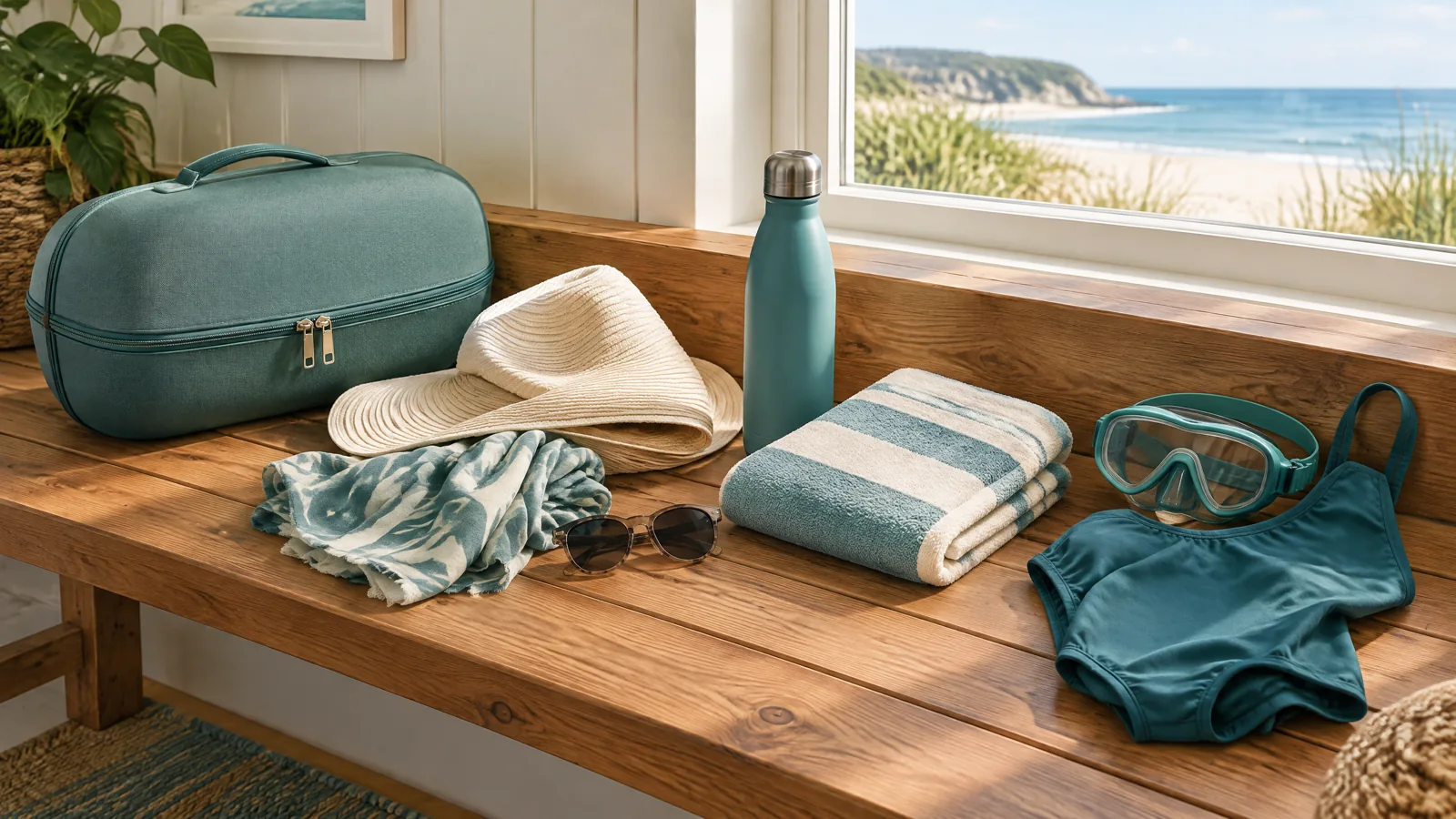
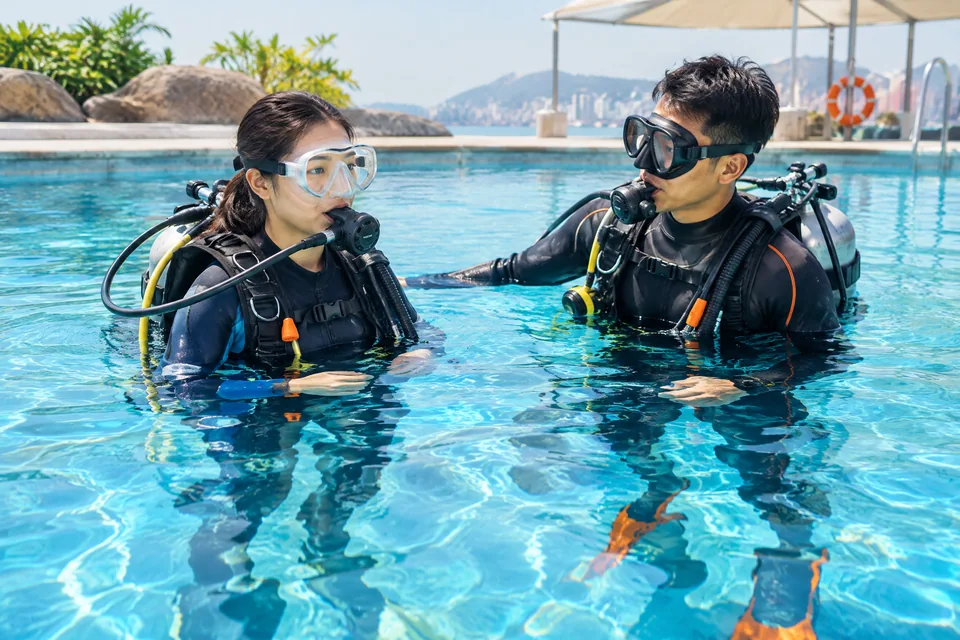
Illustration · Concept illustration: a dry shore portrait planning scene, not a real customer or product result.
Instructor qualifications
One clear teaching conversation from first breath to next step
DiveHarbour brings together scuba teaching, swimming, lifesaving and water-rescue experience so you can ask practical questions before choosing a course.
PADI teaching backgroundTeaching experience across recognised scuba learning pathways.
SSI teaching backgroundClear explanations when you are comparing agency routes.
NAUI teaching backgroundA practical, standards-aware approach to learning and progression.
Swimming foundationWater confidence and calm, step-by-step practice matter.
Lifesaving experienceSurface awareness and prevention stay part of the conversation.
Pool rescue experienceControlled practice can build confidence before open water.
Beach rescue experienceLocal water context informs sensible preparation.
Kayak rescue experienceA wider water-safety perspective supports good judgement.
PWC rescue experienceAsk about the right learning route for your experience and goals.
Brand relationship: DiveHarbour and OWNSTRAND share the same owner.
DiveHarbour and OWNSTRAND have the same owner. This guide provides practical coastal-lifestyle information, while OWNSTRAND is an external product and selection reference. It is not an independent third-party recommendation, medical advice, product-effect claim, or approval for swimming or diving with a wig.
A useful fact to keep in mind
Breastcancer.org advises storing a wig on a stand away from as much sunlight, heat, moisture, and dust as possible.
Separate fibre, cap or base, and attachment method before comparing products.
Choose human hair for styling flexibility only if you can follow its care instructions.
Treat synthetic fibre and heat-friendly labels as product-specific, not universal promises.
Pack a dry storage plan and keep the hairpiece separate from damp activity items.
Start here
The coastal wig material mix starts with your shore plan
A coastal wig material mix is a decision about the whole day
A shore dinner or portrait has a different brief from a water activity. You may need a polished arrival look, a short period outdoors, a change of clothing, and a place to put the piece afterwards. Start by writing down when the hairpiece is worn, where it is removed, and how it will be kept dry. Do not treat any material, cap, adhesive, or attachment label as permission to swim, dive, or enter the water.
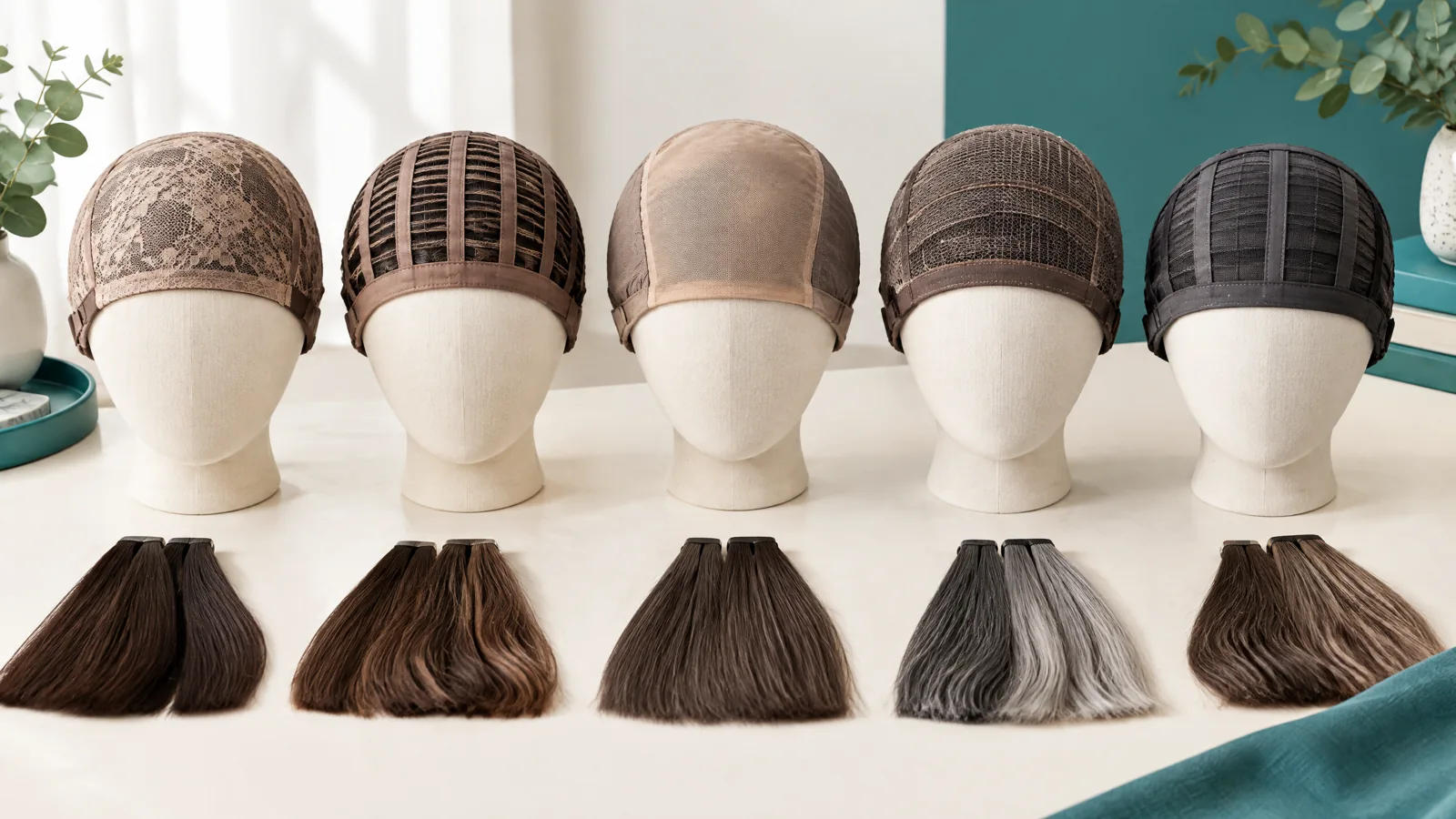
Compare three layers rather than one sales phrase. Fibre describes the visible hair, while the base describes how it is constructed. Attachment describes how the piece is put on and taken off. A lace front, monofilament top, glueless construction, or extension method is not interchangeable with human hair or synthetic fibre. The American Cancer Society distinguishes human hair from artificial fibres, but it also treats the choice as personal and product-specific. [1]
For a first shortlist, record the intended finish, the styling tools you might use, the expected outdoor conditions, and the after-event storage point. If humidity, a long day, or privacy matters, turn each concern into a question for the product provider. The aim is not to predict performance from a label. It is to choose a routine you can actually follow when the shore day becomes busy.
Name the event finish: air-dried, brushed, waved, or professionally shaped.
Separate fibre questions from base and attachment questions.
Decide where the piece will rest after removal.
Keep all water-activity decisions with the product instructions and activity provider.
Guide · 02
Human hair: flexibility with a fuller care plan
Use styling freedom as a question, not a promise
Human hair can suit a reader who wants to discuss a particular parting, wave, fringe, or colour direction with a stylist. The American Cancer Society says human-hair wigs can be styled, coloured, and treated like natural hair, while also requiring more maintenance than synthetic wigs. That makes flexibility useful only when there is enough time and willingness to follow the exact care instructions for the piece. [1]
For a coastal dinner, ask whether the planned finish is created before departure or refreshed after arrival. Ask which products are approved and whether the piece should be brushed from the ends. Confirm how it should be dried after a warm outdoor session. Do not assume that human hair permits every colour service, hot tool, or chemical process. The construction and provider instructions still control.
Human hair may suit a look that needs a precise change between portrait locations or dinner styling. It may be less convenient when your priority is a quick, low-intervention routine. The useful comparison is not which fibre is best in general. It is whether the care steps, tools, and storage space fit this particular shore day. For a fuller side-by-side, see human hair vs synthetic wigs.
Swipe the table to compare all columns.
Material comparison for a dry shore dinner or portrait
Option
Useful question
Care implication
Avoid assuming
Human hair
What finish or colour discussion do I need?
Allow more maintenance and follow the exact care instructions.
That every human-hair piece can be dyed, curled, or chemically treated.
Synthetic fibre
Is the planned shape ready to wear, and what does the label allow?
Check washing, brushing, drying, and heat limits before the event.
That every synthetic fibre is heat friendly or humidity proof.
Blended or mixed fibre
Which fibre controls the care rule for this piece?
Use the provider's instructions for the actual blend and base.
That a human-hair component makes the whole item behave like human hair.
Extensions
How are they attached, removed, detangled, and stored?
Plan the attachment-specific handoff and keep damp items separate.
That extension care is identical to full-wig care.
Illustration · Concept illustration: comparing labels and cap construction, not a product catalogue image.
Guide · 03
Synthetic fibre: lower maintenance only when the label matches
Check heat, humidity, and refresh questions before the event
Synthetic fibre can make sense when you want a defined shape with fewer styling decisions. The American Cancer Society describes synthetic wigs as generally needing less maintenance and offering less styling flexibility than human-hair wigs. A ready shape may reduce preparation for a shore portrait. It also means you should not plan a last-minute restyle unless the product instructions allow it. [1]
A standard synthetic fibre should not be treated as heat tolerant. Breastcancer.org advises keeping standard synthetic wigs away from intense heat. It also says to use heated tools or a dryer only when the item is labelled heat friendly or heat defiant. Follow the exact product guidance rather than transferring a label between fibres. A hot, humid-weather reference can frame questions, but it is not a durability or comfort guarantee.
When comparing a synthetic option, ask how the maker defines washing, drying, brushing, and touch-up. Ask whether the shape should be left to settle at room temperature, and whether a specialist should handle trimming. This is a better use of the phrase wig for hot humid weather than assuming the label proves heat tolerance.
Guide · 04
Extensions are an attachment decision, not a fibre shortcut
Keep added length separate from full-wig comparisons
Extensions change the decision because the attachment method becomes part of the day plan. Clip-in, tape, bonded, sewn, and other systems can have different removal, brushing, washing, and storage instructions. This article does not recommend adhesive, clips, ties, or modifications. Ask the provider what the exact piece requires, especially if you expect to change clothes, wear a hat, or separate the hair after the portrait.
A human-hair extension and a synthetic extension are still not the same product. Fibre affects styling questions, while attachment affects handling questions. Ask where tension may occur and how to detangle the ends. Ask whether the piece should be removed before cleaning your own hair and how it should be protected from dust. The sources reviewed here cover wigs more directly than every extension system, so extension guidance must remain product-specific. [1] [2]
If added length is central to the look, use a written checklist rather than relying on memory at the end of the event. The coastal extension upkeep plan can sit beside your provider's instructions as a planning reference. It should not replace the exact removal, cleaning, or storage directions supplied for the extension you are considering.
Illustration · Concept illustration: keeping a hairpiece separate from damp activity items.
Guide · 05
Build a dry handoff into the shore-day workflow
The after-event routine matters as much as the material choice
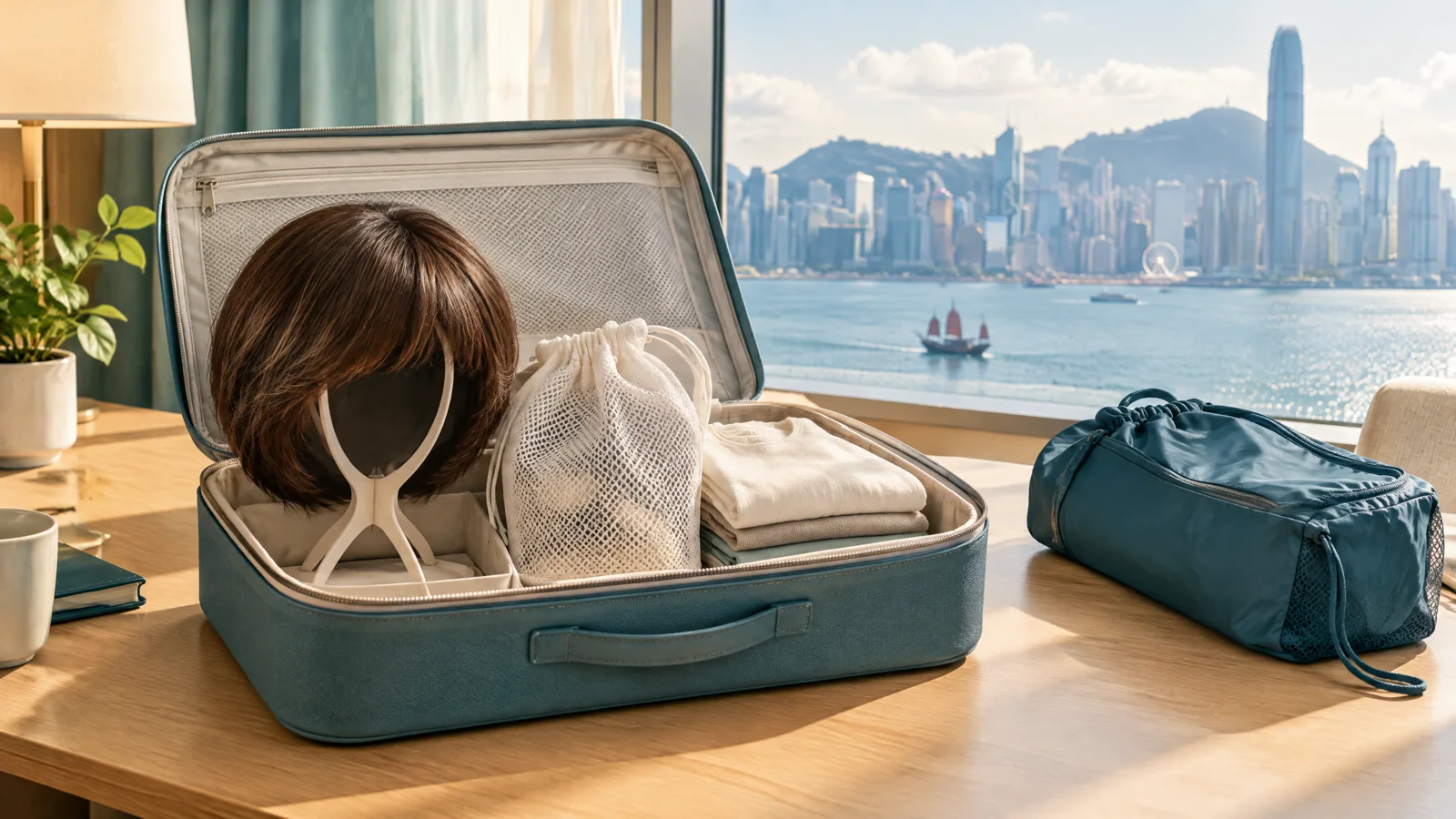
Before leaving home, pack a clean container or breathable protective option that matches the provider's instructions. Keep it separate from wet towels, swimsuits, sunscreen residue, and food. If the piece is removed during a change, place it somewhere shaded and clean. Avoid a hot vehicle seat or a damp changing-bag corner. The plan is for a dry shore transition, not proof that the piece can enter the water.
After the portrait or dinner, pause before brushing. Check whether the piece is dry, whether the provider permits the planned product, and whether any sand or loose debris needs gentle removal. Breastcancer.org recommends storing a wig on a stand away from as much sunlight, heat, moisture, and dust as possible. For an extension or a non-standard base, confirm whether the supplied packaging or another method is preferred. [2]
Write the handoff as a short sequence: remove only as instructed, keep damp items elsewhere, inspect the piece, then store it in the approved way. If you are moving from a water activity to dinner, arrange a private changing and drying plan. Do not assume the same hairpiece can move through both settings. The shore-event styling brief can help organise event questions, while the product provider remains responsible for product-specific instructions.
Pack a clean, dry place for the hairpiece before leaving home.
Keep wet clothing and towels in a separate bag.
Avoid direct sun, strong heat, moisture, dust, and unapproved products.
Confirm removal and storage steps for extensions or unusual bases.
Swipe the table to compare all columns.
A simple after-event handoff sequence
Stage
Action
Question to confirm
Before leaving
Pack a clean protective container and a separate wet-item bag.
Does the provider specify a stand, box, bag, or other storage method?
During the change
Remove only according to the product instructions and keep the piece shaded.
Is removal different for this base or extension attachment?
Before storage
Inspect for moisture, debris, tangles, and unapproved product residue.
Should it be brushed, rinsed, or left untouched until home?
At home
Store it away from direct sun, heat, moisture, and dust as instructed.
What is the exact washing and drying rule for this item?
Guide · 06
Turn the coastal wig material mix into a product-specific decision
Choose the routine you can explain and repeat
A useful final comparison has four answers: the finish you want, the care you can provide, the storage point, and the person who will answer product questions. Human hair may support more styling discussion but asks for more maintenance. Synthetic fibre may simplify a defined look but needs careful heat and label checks. Extensions add attachment and removal steps that should not be hidden inside a general wig comparison.
If easy removal matters, treat a glueless construction as an attachment question rather than a material or water-use claim. You can read about a glueless wig as part of that comparison. Then ask what the specific base, fit, and care instructions mean for your dry shore schedule. Do not add clips, adhesive, ties, or other changes to solve an activity or equipment problem without proper product and activity guidance.
For private product questions, OWNSTRAND's only confirmed shop location is Unit 2103, 50 Hoi Yuen Road, Kwun Tong, Hong Kong. Area-search terms do not create branches. DiveHarbour and OWNSTRAND have the same owner, so this is a transparent reference rather than an independent recommendation. Ask OWNSTRAND about the exact product details; ask DiveHarbour separately about a coastal activity.
Illustration · Concept illustration: a protective storage handoff, not a real OWNSTRAND shop or customer record.
A sensible next step
Take the question with you
For a shore dinner or portrait, shortlist the fibre and attachment method separately. Write down the planned finish, approved care products, heat limits, removal steps, and dry storage point before choosing. If the day also includes water activity, make the hairpiece a separate shore-only decision and follow the exact product and activity guidance.
For DiveHarbour, ask about the coastal activity or shore itinerary. For OWNSTRAND, use the relevant product page to ask about the exact wig, base, fibre, or extension details. These are separate enquiries.
Questions to ask
Common questions
Is human hair always the best option for a shore portrait?
No. Human hair may offer more styling flexibility, but it also needs more maintenance. Choose based on the finish you need and the care routine you can follow for the exact piece.
Can I use heat on any synthetic wig?
No. Standard synthetic fibre can be damaged by intense heat. Use heated tools or a dryer only when the item is specifically labelled for that use, and follow its instructions.
Are extensions covered by the same care rules as wigs?
Not automatically. Attachment method, fibre, base, and removal process can differ. Ask the provider for instructions for the exact extension, and keep those steps separate from general wig advice.
Does a glueless wig or a material label make a piece suitable for swimming or diving?
No. Glueless describes an attachment construction, while fibre labels describe material. Neither is water-use clearance. Follow product instructions and the activity provider's requirements, and choose a shore alternative if anything is unclear.
The American Cancer Society states that synthetic wigs generally require less maintenance and offer less styling flexibility, while human-hair wigs require more maintenance but can be styled, coloured, and treated like natural hair.
Breastcancer.org says wigs may be made from synthetic fibre, human hair, or a mixture, warns against intense heat for standard synthetics unless labelled for heat use, and recommends storing a wig on a stand away from sunlight, heat, moisture, and dust.
Continue exploring
Three useful next reads
Keep comparing practical questions before you choose a course, activity or preparation step.
Coastal life and hairpieces · Updated 2026-11-06
Private Wig Fitting Chat: Plan a Quiet Shore Event
Plan a private wig fitting chat for a beach portrait or shore event. Prepare measurements, privacy questions, and a clear next step before choosing.
Topper or full wig shore: a practical coastal day guide
Topper or full wig shore planning for portraits and dinners: compare coverage, outfit changes, privacy, care, and questions to ask before your coastal day.
Compare our published course and activity fees before choosing your next step. All prices are per person in Hong Kong dollars.
Before you book, we confirm prerequisites, materials, certification, equipment, venue and boat arrangements in writing. Ask us about fees for courses not listed here.
Read the Sai Kung diving Hong Kong guide to learn about the setting, then explore the Sai Kung scuba diving course page. Certified divers can use our Hong Kong fun dive guide to check experience requirements and activity arrangements. Locations remain subject to weather and sea conditions.
Explore the responsibilities and entry requirements in our Divemaster course Hong Kong guide, then review the scuba instructor course Hong Kong route. Professional training differs from recreational progression, so confirm experience requirements and assessment arrangements first.