Hairpiece Accessory List for Coastal Days | DiveHarbour
For a shore photo or dinner, pack the hairpiece first around its care limits, then add only the tools that support a dry, private reset. Keep a brush or comb suited to the piece, a clean storage case, a towel, and written provider instructions in the essential group. Treat styling products, adhesives, spare fittings, and washing supplies as optional or ask-first items, and keep any water-activity decision separate.
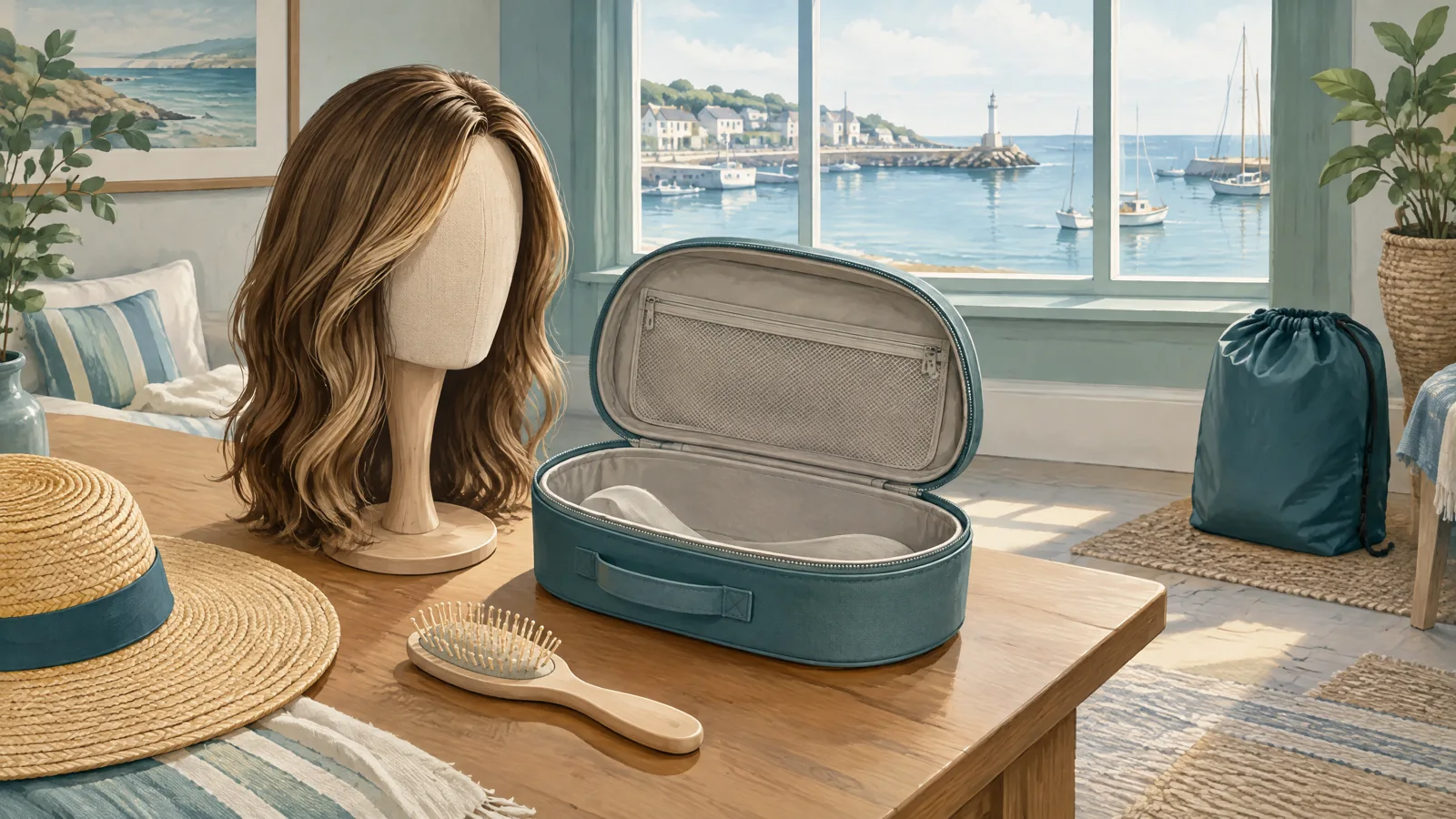
Illustration · Concept illustration: a dry shore-day hairpiece storage kit; not a real product, customer, location, or result.
Instructor qualifications
One clear teaching conversation from first breath to next step
DiveHarbour brings together scuba teaching, swimming, lifesaving and water-rescue experience so you can ask practical questions before choosing a course.
PADI teaching backgroundTeaching experience across recognised scuba learning pathways.
SSI teaching backgroundClear explanations when you are comparing agency routes.
NAUI teaching backgroundA practical, standards-aware approach to learning and progression.
Swimming foundationWater confidence and calm, step-by-step practice matter.
Lifesaving experienceSurface awareness and prevention stay part of the conversation.
Pool rescue experienceControlled practice can build confidence before open water.
Beach rescue experienceLocal water context informs sensible preparation.
Kayak rescue experienceA wider water-safety perspective supports good judgement.
PWC rescue experienceAsk about the right learning route for your experience and goals.
Brand relationship: DiveHarbour and DT HUB share the same owner.
DiveHarbour and DT HUB have the same owner. DT HUB links in this article are references to external service and product information, not independent third-party recommendations, medical-effect claims, or endorsements of water-activity safety. DiveHarbour handles diving and shore activities; DT HUB salon, hairpiece, academy, and hair-growth services must be checked separately with the relevant provider.
A useful fact to keep in mind
The American Cancer Society advises gently brushing a wig or hairpiece before washing, patting out excess water with a towel, and waiting until it is thoroughly dry before brushing or combing again.
Start with the event sequence and the hairpiece’s own care instructions, not a long shopping list.
Pack a clean case, gentle detangling tool, towel, and written notes as the dry-day essentials.
Put adhesives, heat tools, styling products, spare fittings, and cleaning products in the ask-first group.
Keep a shore photo or dinner plan separate from water activity, equipment compatibility, and personal clearance questions.
Start here
Hairpiece accessory list: begin with the shore plan
A useful hairpiece accessory list protects time, privacy, and the piece
A coastal photo and a waterfront dinner may look like one outing, but they create different packing pressures. A photo may need a quick mirror check, while dinner may need a discreet place to remove, rest, or reset the piece. Write the order of stops, expected time outdoors, clothing changes, and the point at which you will stop styling. This turns a vague bag of products into a small plan that another person could understand.
Start by checking the hairpiece label, fitting notes, and the instructions supplied with it. Materials and construction can change what may be brushed, washed, heated, or attached. If you are comparing a full lace wig, ask the provider which parts of your planned routine apply to that specific piece rather than assuming a label describes every accessory or care limit. Macmillan also notes that different wig types can need different care and that the supplier can advise on washing and styling. [2]
Guide · 02
Separate essential items from nice-to-have extras
Pack a compact dry-day base before adding styling choices
The essential group should solve a small number of predictable problems: keeping the piece protected between uses, removing a light tangle without pulling, blotting moisture, and finding instructions when you are tired or in a hurry. A clean case or pouch, a suitable brush or comb, a small towel, and a note with the piece’s care limits are usually more useful than several products chosen because they look professional. Keep the case easy to reach, but separate from wet swimwear or sandy clothing.
Use a simple three-minute check before leaving: confirm the case is clean and large enough; confirm the detangling tool matches the provider’s instructions; confirm a towel and spare note are present; and confirm any product is still in its original labelled container. If you are also preparing diving equipment, keep the hairpiece bag in its own compartment. For a separate activity-packing reference, see what should I bring to my first scuba lesson in Hong Kong; that checklist does not decide what is suitable for your hairpiece.
Essential: clean storage case, suitable brush or comb, small towel, and care instructions.
Optional: mirror, scarf or headband for a dry-land change, spare clips, and a labelled pouch.
Ask first: adhesive, remover, heat tool, new shampoo, conditioner, spray, or any item not named in the instructions.
Leave out: loose items that can shed fibres, collect sand, or be confused with diving or rescue equipment.
Swipe the table to compare all columns.
Pack by the moment you expect to use each item
Moment
Useful item
Decision check
Do not assume
Travel to the shore
Clean case or pouch
Can it stay separate from sand and damp clothing?
A case is not a water-activity solution.
Photo or mirror check
Approved brush or comb and compact mirror
Does the tool match the piece instructions?
More brushing is not always better.
Dinner change
Optional scarf, liner, or spare fitting
Is it already approved for this piece?
A cover does not prove secure fitting.
Return home
Towel and care note
Is the piece dry or awaiting provider advice?
Heat or a quick product swap may cause damage.
Illustration · Concept illustration: compact packing choices for a shore photo; not a real product, customer, location, or result.
Guide · 03
Build an optional layer for photos and dinner
A backup is about choice, not a promise of better performance
Optional items should make a dry-land change easier without creating a new dependency. A compact mirror can help you inspect the hairline and parting. A scarf or headband can provide a different look for dinner, but it should not be treated as a way to secure a piece during water activity. A spare clip, liner, or already-approved accessory may be useful when it belongs to the same piece and you know how it is meant to be used.
If the reason for wearing the piece involves a changing hairline or a health concern, keep the accessory decision separate from any consultation about that concern. A page using the phrase white hair treatment is a service or search label, not evidence that a product belongs in your coastal kit. Write down what you want to ask, check the provider’s qualifications, and do not use a hairpiece or styling accessory as a substitute for individual professional assessment.
Guide · 04
Plan the clean, dry, and store handoff
The post-event routine should be as specific as the packing routine
After the event, keep the piece away from sand, food, and damp clothing while you decide what happens next. Follow the supplied instructions before adding water or cleanser. The American Cancer Society advises gently brushing a wig or hairpiece before washing, using products formulated for wigs, patting out excess water with a towel, and waiting until the piece is thoroughly dry before brushing or combing again. It also advises room-temperature drying and short-term storage on a wig stand. [1]
Do not improvise with a hot dryer, curling iron, strong solvent, or ordinary styling product because a quick reset feels convenient. Macmillan says synthetic, human-hair, and blended wigs can need different care, and it warns against flame and heat from an oven or hairdryer. [2] If the piece is damp or the label is unclear, place it in a clean, protected area and ask the supplier what to do. A pause is safer than turning an uncertain clean-up into a repair problem.
For a second packing perspective, compare the pre-dive scuba equipment checklist for beginners only as an example of separating inspection from transport. A diving checklist cannot confirm that a hairpiece, adhesive, liner, or storage method is compatible with your own activity plan. Keep both checklists visible but independent.
Illustration · Concept illustration: a dry-land clean-and-reset routine; not a real product, customer, location, or result.
Guide · 05
Use ask-first questions before buying anything new
A price page cannot answer a material or fitting question
Before buying an extra product, ask four focused questions: Is this item intended for this exact material? Is it for cleaning, styling, fitting, or storage? What should happen if the piece becomes damp? Who should handle a change, repair, or removal? Save the answers with a photo of the label. This avoids carrying a product that sounds suitable but has no clear place in the routine.
Cost planning belongs after scope has been defined. A general hair salon prices hong kong page is not a quote for a hairpiece, accessory, fitting, cleaning, or repair. Treat it only as a separate information reference, then ask the relevant provider to state what is included, what is supplied by you, and what may be charged for an additional service. Do not let a low headline figure decide a material-sensitive purchase.
If you are travelling across Hong Kong for a consultation, write down the exact item you already own, the event date, the desired look, and the point you do not want changed. A provider can then tell you whether a trial, fitting, styling appointment, or different accessory discussion is relevant. The article does not promise a particular product, result, appointment time, or price.
Swipe the table to compare all columns.
Use this handoff before cleaning or putting the piece away
Observed situation
Immediate note
Next question
Pause point
Piece is dry and lightly tangled
Record where the tangle is
Which tool and direction does the provider allow?
Stop if fibres or base pull.
Piece is damp
Keep it protected and separate
What drying method is specified for this material?
Do not add heat by guesswork.
Product residue is visible
Photograph the label and residue
Is this product compatible with the piece?
Do not layer on another cleanser.
Fit or attachment is uncertain
Write down what moved or felt different
Who should inspect or remove it?
Do not pull, retape, or modify equipment.
Guide · 06
Keep hairpiece choices separate from water decisions
A shore photo plan is not activity clearance
A hairpiece accessory list can make a dry-land outing more orderly, but it cannot decide whether you should swim, snorkel, dive, or use any particular equipment. Do not add glue, tape, clips, ties, or a liner on the assumption that they make a piece secure in water. Do not alter a mask, helmet, buoyancy system, or other safety equipment to accommodate hair. If a water activity is planned, ask the activity provider about equipment fit and follow the separate personal health and activity checks that apply to you.
Likewise, a page labelled receding hairline treatment should not be read as a recommendation for an accessory, a diagnosis, or permission to take part in an activity. If you are worried about a changing hairline, pain, redness, or sudden patchy loss, seek qualified medical assessment rather than guessing from a service label. A hairpiece may be an appearance choice, while activity suitability remains a separate question.
For the simplest shore plan, choose a dry photo or dinner arrangement when the piece, products, or fitting are uncertain. Carry the compact essential kit, keep a clean place for the piece, and leave any unresolved water or health question with the appropriate provider. That boundary protects the purpose of the outing: enjoying the coast without turning an appearance decision into an unverified safety decision.
Illustration · Concept illustration: provider questions beside a shore-dinner plan; not a real product, customer, location, or result.
A sensible next step
Take the question with you
A good shore-day kit is deliberately small: protect the piece, carry one approved detangling tool, keep a towel and care note available, and reserve uncertain products for a provider conversation. Review the event sequence the night before, then separate any water-activity, equipment-fit, or health question from the appearance plan.
For DiveHarbour, use the relevant activity page to ask about diving or shore-activity logistics, equipment, and personal participation checks. For a hairpiece, fitting, styling, cleaning, or consultation question, contact the relevant DT HUB provider separately and confirm the exact scope, materials, instructions, and charges before proceeding.
Questions to ask
Common questions
What is the most important item in a hairpiece accessory list?
Start with a clean storage case, a detangling tool that the provider allows, a small towel, and the piece’s care instructions. Those items support transport, a gentle check, and a clear next step without assuming that a new product or attachment is suitable.
Should I pack shampoo or conditioner for a shore dinner?
Usually place washing products in the ask-first group unless the instructions specifically name them. Product and material combinations vary. If the piece becomes damp or dirty, record what happened and ask the supplier or qualified provider about the appropriate cleaning method rather than experimenting during the outing.
Can a scarf, adhesive, or spare clip make a hairpiece suitable for swimming or diving?
No conclusion like that should be assumed. A shore styling list is for dry-land planning. Water activity, attachment, equipment fit, and personal health checks are separate questions, and you should not modify safety equipment or enter the water based on an accessory list.
How should I handle a hairpiece that is still damp when I get home?
Keep it protected and follow the supplied care instructions. The American Cancer Society advises room-temperature drying and waiting until the piece is thoroughly dry before brushing or combing. If the material or drying method is unclear, pause and ask the supplier instead of adding heat or another product. [1]
The page states that a wig or hairpiece should be gently brushed before washing, excess water patted out with a towel, and brushing or combing delayed until thoroughly dry.
The page says wig types can need different care, suppliers can advise on washing and styling, and wigs should not be exposed to flame or heat from an oven or hairdryer.
Continue exploring
Three useful next reads
Keep comparing practical questions before you choose a course, activity or preparation step.
Coastal life and image planning · Updated 2026-11-06
Outdoor-light reference brief for coastal photo planning
Use an outdoor-light reference brief to plan light, framing, neckline and styling limits for a coastal shoot. Read the checklist and ask better questions.
Coastal life and image planning · Updated 2026-11-06
Shore styling tool choice: build a compact shore-day kit
Use shore styling tool choice to sort essential tools, power limits, cleaning needs, and backup options before a coastal day. Read the practical guide.
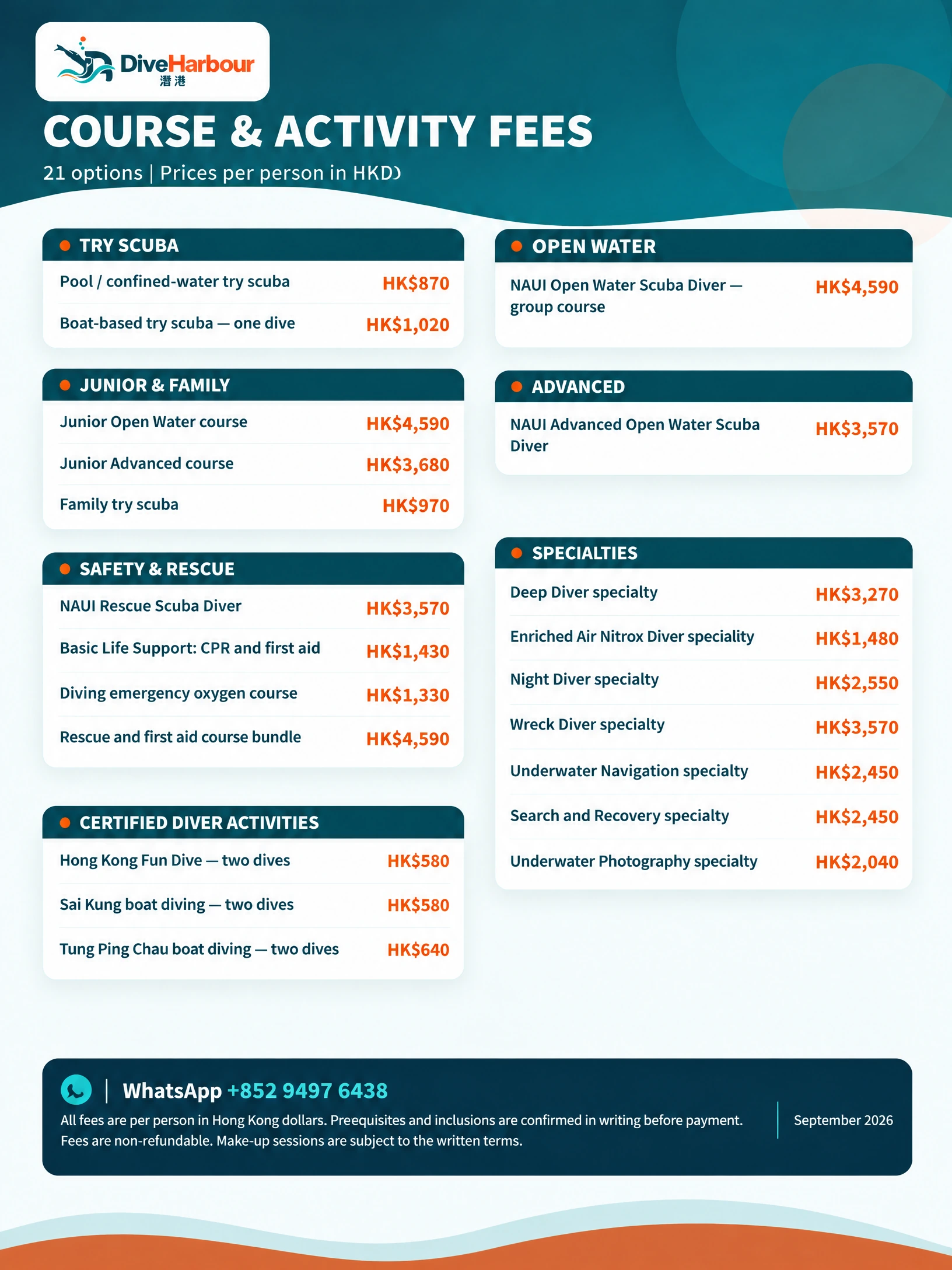
Compare our published course and activity fees before choosing your next step. All prices are per person in Hong Kong dollars.
Before you book, we confirm prerequisites, materials, certification, equipment, venue and boat arrangements in writing. Ask us about fees for courses not listed here.
Read the Sai Kung diving Hong Kong guide to learn about the setting, then explore the Sai Kung scuba diving course page. Certified divers can use our Hong Kong fun dive guide to check experience requirements and activity arrangements. Locations remain subject to weather and sea conditions.
Explore the responsibilities and entry requirements in our Divemaster course Hong Kong guide, then review the scuba instructor course Hong Kong route. Professional training differs from recreational progression, so confirm experience requirements and assessment arrangements first.