Online Wig Measuring List for a Remote Hairpiece Enquiry
An online wig measuring list should capture four head measurements, a natural-light colour reference, the exact event date, the intended hairpiece category, and questions about sizing, care, returns, and post-arrival checking. Send facts for verification, not assumptions about stock, fit, service availability, or water use. Keep product selection separate from activity clearance.
Illustration · Concept illustration: a remote hairpiece enquiry alongside a coastal event plan; not a real product, customer, or fitting result.
Instructor qualifications
One clear teaching conversation from first breath to next step
DiveHarbour brings together scuba teaching, swimming, lifesaving and water-rescue experience so you can ask practical questions before choosing a course.
PADI teaching backgroundTeaching experience across recognised scuba learning pathways.
SSI teaching backgroundClear explanations when you are comparing agency routes.
NAUI teaching backgroundA practical, standards-aware approach to learning and progression.
Swimming foundationWater confidence and calm, step-by-step practice matter.
Lifesaving experienceSurface awareness and prevention stay part of the conversation.
Pool rescue experienceControlled practice can build confidence before open water.
Beach rescue experienceLocal water context informs sensible preparation.
Kayak rescue experienceA wider water-safety perspective supports good judgement.
PWC rescue experienceAsk about the right learning route for your experience and goals.
Brand relationship: DiveHarbour and OWNSTRAND share the same owner.
DiveHarbour and OWNSTRAND are operated by the same owner. OWNSTRAND links in this article are external product and selection references, not independent third-party recommendations, medical advice, product-effect claims, or water-activity safety endorsements.
A useful fact to keep in mind
A wig size chart can vary by brand, so your measurements are a starting point rather than proof of fit; check the specific chart and instructions before ordering. [1]
Measure on flattened hair with a soft tape, then repeat each reading.
Use natural-light photos or a hair swatch instead of trusting screen colour.
Name the hairpiece category, event date, and care limits in your enquiry.
Check the received piece against the written specifications before styling or activity planning.
Start here
1. Start with an online wig measuring list
Why an online wig measuring list matters
When you cannot visit a fitting location, the useful first step is not guessing a size from a photograph. Build a short record that another person can read and verify: measurements, colour evidence, preferred coverage, event date, and questions. The American Cancer Society describes head measurements, colour matching, and product-type choices as separate parts of planning. [1]
A remote enquiry can answer whether the information is sufficient for a product-specific discussion. It cannot turn a generic size chart into a guaranteed fit, confirm current stock, or prove that a style will look the same on you. Ask the provider to identify which details are still missing before you make a decision.
First name the category you are asking about. A full wig covers the scalp, while a topper or partial piece addresses a more limited area and may blend with existing hair. Those are different decisions. If you are comparing a human hair topper, ask about the base area and the hair it is meant to blend with rather than calling every hairpiece a wig.
Record the date and conditions of every measurement.
Keep one front-facing photo and one side profile for your own reference.
State whether the enquiry concerns a full wig, topper, or another piece.
Separate appearance questions from any swimming, diving, or medical question.
Swipe the table to compare all columns.
Remote enquiry packet: record these details before sending a message
Information
What to record
Why it matters
Head measurements
Circumference, front to nape, ear to ear, and temple to temple, with units and date
Lets the provider compare your readings with the relevant chart
Colour evidence
Natural-light photo, optional front-hair swatch, and indoor-light note
Shows how the reference was captured instead of relying on screen colour
Coverage goal
Full wig, topper, or another hairpiece, plus the area you want covered
Prevents different product categories being treated as interchangeable
Timing
Event date, review date, and dates when you are unavailable
Creates a question about confirmation rather than an assumed deadline
Guide · 02
2. Take repeatable head measurements
Your online wig measuring list needs more than one number
Use a soft fabric tape, a mirror, and a note on your phone or paper. Flatten bulky hair as far as practical; the American Cancer Society advises wetting or slicking hair down for a more accurate reading. Keep the tape snug without pulling it tight, and repeat the reading until two attempts are close. [1]
Circumference is usually the first number to record. Start at the centre of the front hairline, follow the head around above the ears and around the nape, then return to the start. If you do not have a visible hairline, record where you intend the front edge to sit and tell the provider that you used that reference point.
Add front-to-nape, ear-to-ear over the top, and temple-to-temple around the back when the provider or size chart requests them. NAAF describes these four measurements for online enquiries and advises leaving room for one finger under the tape. [2] A helper can hold the tape level while you read the mirror.
Circumference: front hairline, above the ears, around the nape, back to the start.
Front to nape: centre front hairline over the crown to the nape.
Ear to ear: above one ear, across the top, to the matching point.
Temple to temple: around the back of the head rather than over the crown.
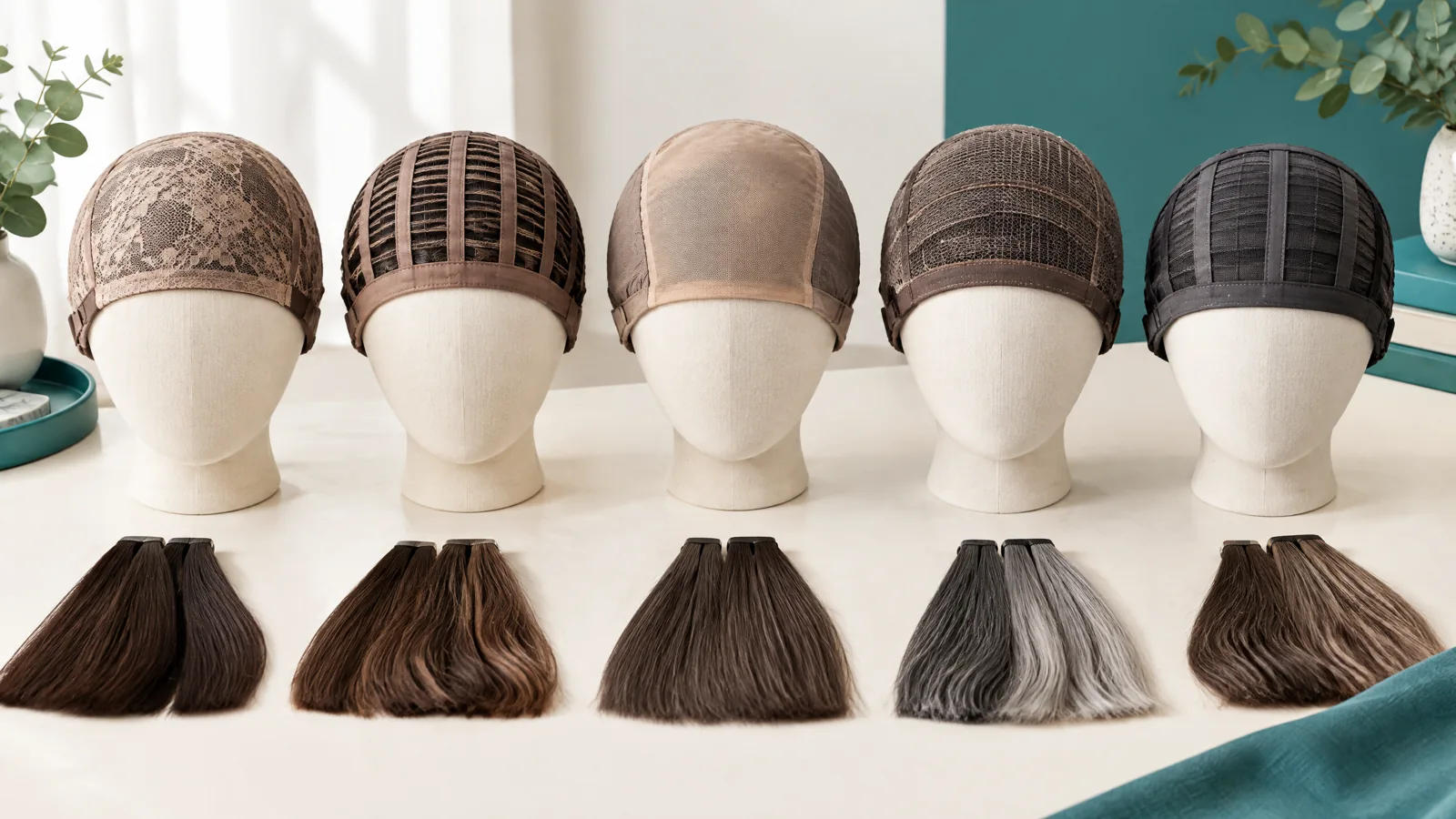
Illustration · Concept illustration: comparing measurement notes and cap categories; not a real product comparison or fit assessment.
Guide · 03
3. Turn the numbers into a product question
Read the chart without treating it as a fit guarantee
Write each measurement with its unit, date, and hair condition. Then compare it with the specific seller's chart, not a chart copied from another brand. The same circumference can sit differently because cap construction, stretch, ear-tab position, and the intended coverage are not identical. If your readings disagree, ask which measurement the provider uses first.
Being between sizes is a reason to ask about adjustability, not to choose randomly. NAAF notes that a slightly larger cap may be easier to adjust than one that is too small, but that general point does not decide a particular product. Request the written size range, adjustment method, and any measurement the provider still needs. [2]
Fibre is another separate question. Traditional synthetic fibres, heat-friendly synthetic fibres, and human hair have different styling and maintenance implications. If you are reviewing synthetic wigs, ask for the exact fibre label and heat instructions. Do not infer that every synthetic item is heat-friendly, or that a fibre description says anything about water use.
Ask which measurement controls the listed size.
Ask whether the cap is adjustable and how adjustment is described.
Ask for the exact fibre and whether heat tools are permitted.
Ask whether a topper base measurement is different from a full-wig measurement.
Guide · 04
4. Build colour and style evidence
Make your online wig measuring list visual as well as numeric
Screen colour is an unreliable single reference. Take a front-hair photo in daylight, and if appropriate keep a small hair swatch from the front area as a comparison. The American Cancer Society recommends comparing a swatch with colour samples in natural or outdoor light. [1] Tell the provider whether the photo was taken indoors, outdoors, or under artificial light.
Add the style brief in plain language. Note the preferred length, texture, parting direction, fringe or hairline preference, and how much existing hair should remain visible. If the piece is for a coastal portrait or shore dinner, describe the outfit, wind exposure, and the point at which you want to change or remove the piece. These details help a provider explain trade-offs without promising a result.
A haircut can change how existing hair blends with a piece, but it is a separate appointment question. For a swimmer planning a shore transition, the coastal haircut plan for swimmers can sit beside this checklist. It does not approve taking a wig or hairpiece into water; it helps separate haircut timing from the product enquiry.
Photograph the reference colour in natural light and keep the original file.
Describe the desired length, texture, part, fringe, and visible hairline.
List the clothing or event setting that affects your appearance goal.
State which changes are preferences and which details are non-negotiable.
Illustration · Concept illustration: a private remote selection discussion; not a real OWNSTRAND appointment or customer.
Guide · 05
5. Add dates, care questions, and privacy needs
Ask before you assume a service exists
Write the event date, the date you would ideally review the piece, and any days when you cannot receive or inspect it. Use these dates to ask what the provider can confirm. Do not assume that an online listing means a particular item is in stock, that custom work is available, or that an alteration can be completed by your event date.
Your question list should cover the written size chart, colour-sample method, fibre-specific washing, heat limits, storage, inspection on arrival, and return or exchange conditions. The American Cancer Society advises checking return terms before buying, while NAAF recommends a reputable online retailer with clear support and return information when an in-person shop is unavailable. [1] [2] Policies belong to the provider; this article does not replace them.
If you are looking at chemotherapy wigs for appearance during treatment, keep this checklist cosmetic and logistical only. Questions about treatment, scalp changes, comfort, or whether an activity is appropriate belong with your healthcare team. If a private in-person discussion would help, OWNSTRAND's confirmed shop unit is Unit 2103, 50 Hoi Yuen Road, Kwun Tong, Hong Kong; this statement does not promise opening hours, stock, timing, or service availability.
For a discreet conversation about measuring, viewing, or changing arrangements, the shore salon appointment questions may help you organise what to ask. It is still your responsibility to obtain the provider's current answer rather than treating a general checklist as a booking confirmation.
Put the event date and preferred review date at the top of the enquiry.
Ask for written care instructions for the exact fibre and base.
Ask how an item should be inspected before cutting, colouring, or styling.
Ask about privacy, communication method, and what information can be shared remotely.
Guide · 06
6. Verify the piece after it arrives
Finish the online wig measuring list with a calm check
When the package arrives, keep your notes beside the item. Compare the label, stated fibre, colour name, cap or base description, and size with what you were sent. Photograph the unopened packaging if the provider's terms require it. Do not cut, colour, heat-style, wash, or otherwise alter the piece until you understand the inspection and return conditions.
Try any fit check only as the provider instructs and in a private, comfortable setting. Look for pressure, movement, gaps, or an ear-tab position that differs from the description. A visual match in one mirror does not settle comfort or fit for every wearer. Record a question and ask the provider instead of compensating by making an unapproved alteration.
Water activity is a separate decision from product fit. This article does not approve swimming or diving with any wig or hairpiece. Before entering water, follow the actual product instructions and the activity operator's requirements; do not add adhesive, clips, cords, or gear modifications on your own. If use is not clearly confirmed, choose a shore alternative and store the piece dry according to its instructions.
A useful final record has three columns: what you measured, what the provider confirmed, and what remains unknown. That format makes a later question specific. It also prevents an attractive photo, a broad fibre label, or an event deadline from becoming an assumption about suitability.
Check the delivered item against the written enquiry before altering it.
Record fit observations without treating one try-on as a guarantee.
Follow product-specific care instructions rather than generic heat advice.
Keep water activity, medical questions, and product selection as separate decisions.
Swipe the table to compare all columns.
Post-arrival verification: pause before you make an irreversible change
Check
Question to ask
Action before styling
Identity
Does the label match the confirmed fibre, colour, base, and size?
Keep the item unchanged while you clarify a mismatch
Fit
Which adjustment or try-on method does the provider specify?
Follow the stated method in a private setting
Care
Which washing, drying, and heat limits apply to this exact item?
Use product-specific instructions, not a generic wig rule
Returns
What condition and timeframe apply if it is unsuitable?
Check terms before cutting, colouring, washing, or styling
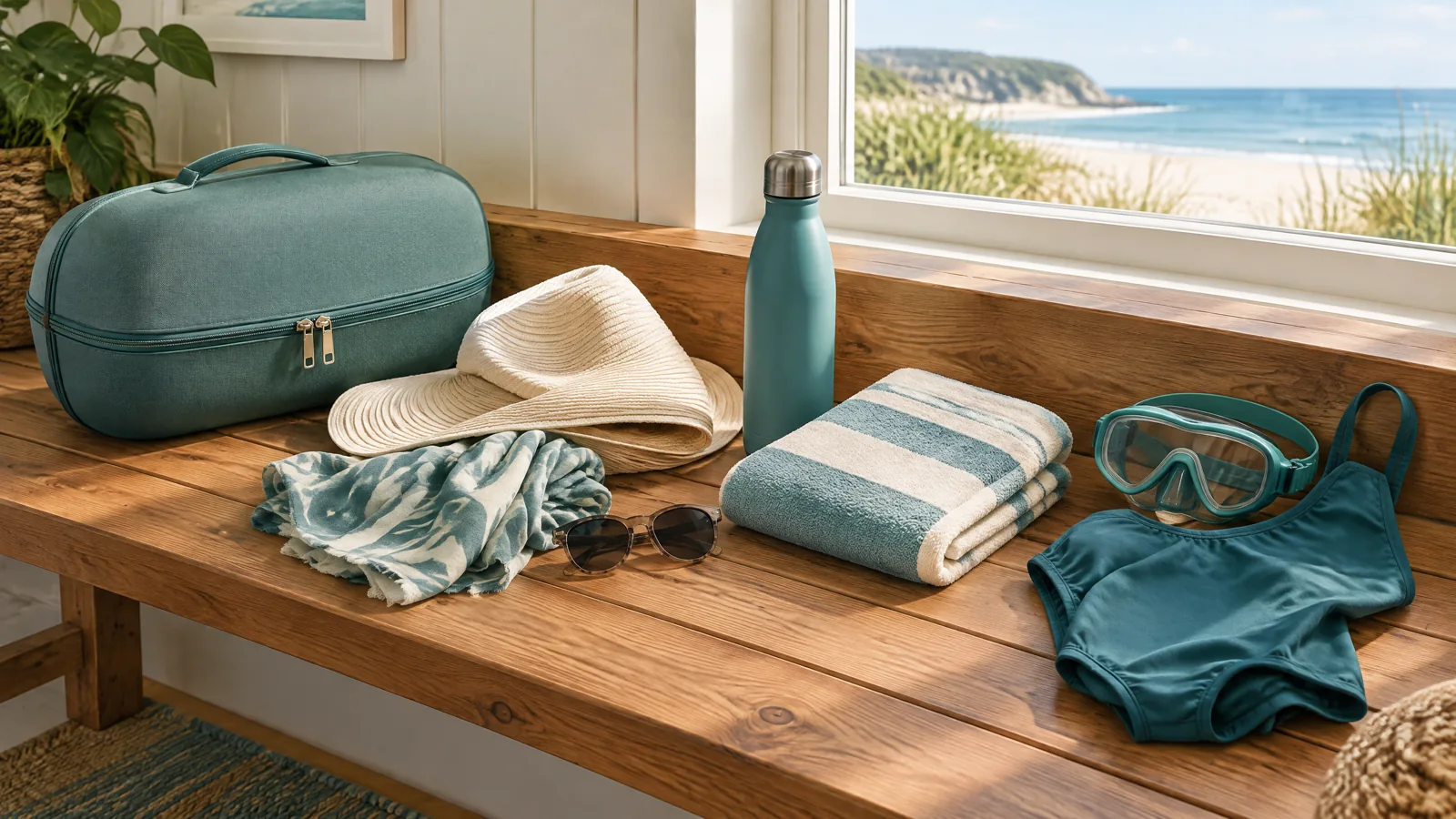
Illustration · Concept illustration: separating a hairpiece plan from shore-day activity gear; not evidence of water use or product performance.
A sensible next step
Take the question with you
A reliable online wig measuring list turns a remote enquiry into a checkable record. Measure consistently, show colour in natural light, name the coverage and fibre you mean, give the real event date, and keep a written list of unanswered questions. Treat the provider's current product information as the decision point, not a stock image or a generic chart.
For a DiveHarbour activity enquiry, ask DiveHarbour about the shore, swimming, or diving plan itself; it does not arrange hairpiece orders. For an OWNSTRAND product enquiry, send your recorded measurements, colour references, event date, and post-arrival questions directly through the relevant product information, without assuming stock, fit, timing, or availability.
Questions to ask
Common questions
Which measurement should I send first for an online enquiry?
Send circumference first, then add front-to-nape and ear-to-ear readings if the provider's chart requests them. Include the measurement date and how your hair was prepared.
Can I choose a colour from the website photograph?
Use the photograph as a starting point only. Compare a front-hair photo or swatch in natural light, ask about colour samples, and state the lighting conditions.
Are synthetic wigs automatically safe to heat-style or use in water?
No. Check the exact fibre label and product instructions. Heat permission must be stated for that item, and water use is a separate question that this article does not approve.
What should I do if the piece feels wrong when it arrives?
Pause before cutting, colouring, washing, or heat-styling it. Compare the item with your written confirmation, record the concern, and ask the provider about the stated inspection and return conditions.
The American Cancer Society describes circumference, front-to-back, and ear-to-ear measurements; it says size charts can vary by brand and recommends natural light when comparing a hair swatch with colour samples.
NAAF lists circumference, front-to-nape, ear-to-ear over the top, and temple-to-temple around the back as useful wig measurements, and says a slightly larger size may be easier to adjust when between sizes.
Continue exploring
Three useful next reads
Keep comparing practical questions before you choose a course, activity or preparation step.
Coastal life and hairpieces · Updated 2026-11-06
Private Wig Fitting Chat: Plan a Quiet Shore Event
Plan a private wig fitting chat for a beach portrait or shore event. Prepare measurements, privacy questions, and a clear next step before choosing.
Private Hairpiece Try-On: A Discreet Shore-Event Plan
Planning a private hairpiece try-on for a shore event? Use this discreet checklist for privacy, measuring, coverage, alternatives, and next-step enquiries.
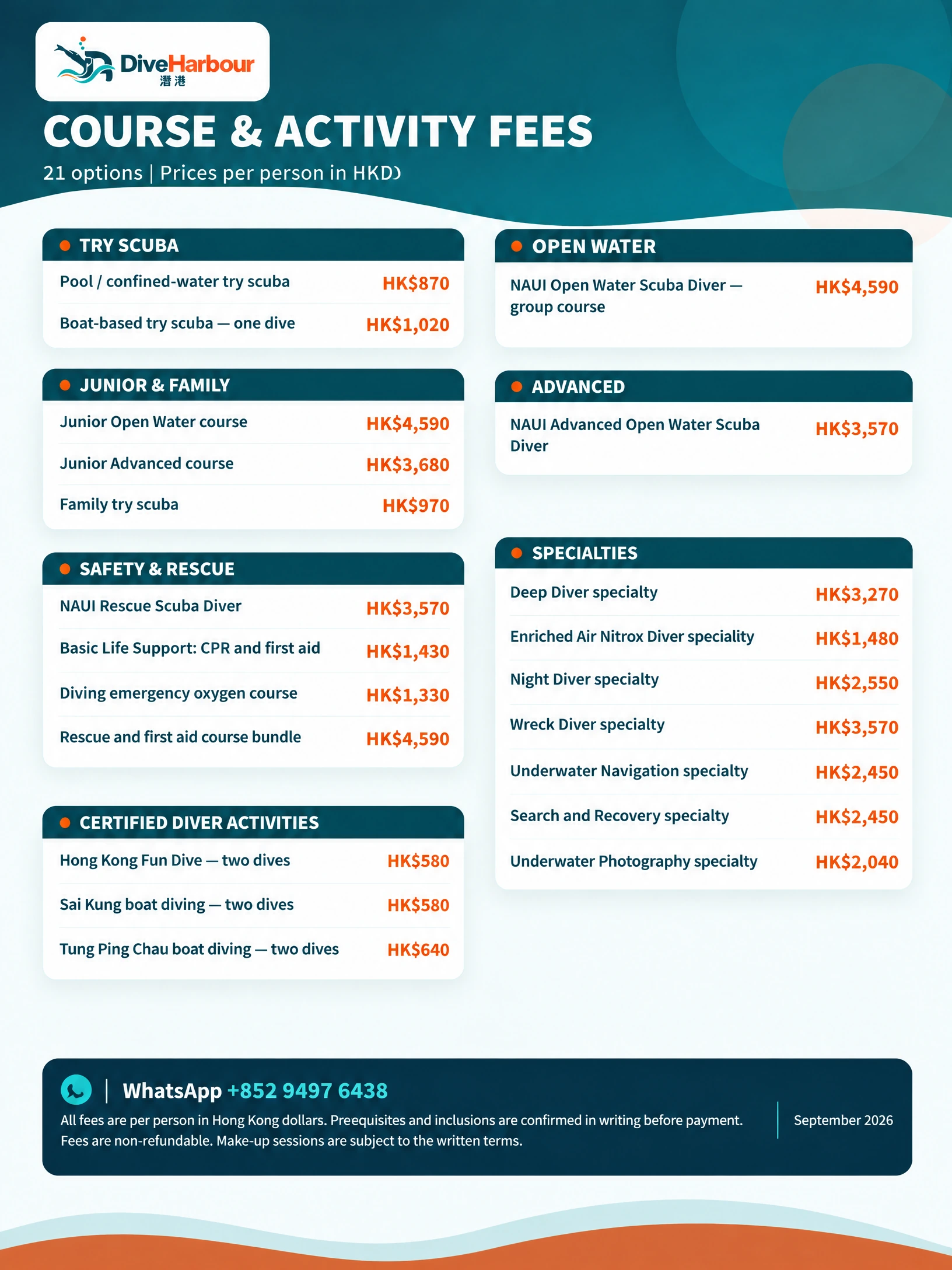
Compare our published course and activity fees before choosing your next step. All prices are per person in Hong Kong dollars.
Before you book, we confirm prerequisites, materials, certification, equipment, venue and boat arrangements in writing. Ask us about fees for courses not listed here.
Read the Sai Kung diving Hong Kong guide to learn about the setting, then explore the Sai Kung scuba diving course page. Certified divers can use our Hong Kong fun dive guide to check experience requirements and activity arrangements. Locations remain subject to weather and sea conditions.
Explore the responsibilities and entry requirements in our Divemaster course Hong Kong guide, then review the scuba instructor course Hong Kong route. Professional training differs from recreational progression, so confirm experience requirements and assessment arrangements first.